
Diabecon (Australia) — Patient-Friendly Medicine Information
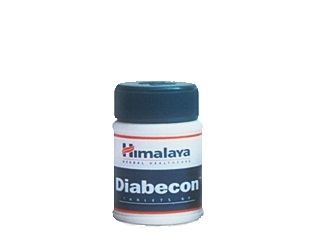
Diabecon is an oral medicine used to help manage blood glucose levels in people with type 2 diabetes. This page explains what Diabecon is, how it works, how your body handles it, how to take it safely, and what to consider regarding food, alcohol, and other medicines.
Important: This information is general and educational. Always follow your prescriber’s instructions (or the directions on the pack if you are using it as directed). If you have questions about whether Diabecon is right for you, speak with a doctor or pharmacist.
Basic product information
| Category | Details |
|---|---|
| Medicine name | Diabecon |
| Type of medicine | Oral diabetes medicine (used in type 2 diabetes) |
| Common use | Helps lower blood sugar and improve glucose control |
| Route | By mouth (tablets) |
| How it’s taken | Typically once or more daily, depending on the prescribed regimen |
Note: Different markets can use different formulations or strengths. Check your own product label for the exact strength (mg), ingredients, and dosing instructions.
How Diabecon works (mechanism of action)
Diabecon is used to help improve blood glucose control by targeting key processes involved in glucose regulation in the body. While different diabetes medicines work in different ways, the goal of Diabecon is to reduce blood sugar levels and help maintain steadier glucose readings over time.
In broad terms, diabetes medicines may help by one or more of the following mechanisms:
- Improving insulin effectiveness so your body can use insulin more efficiently
- Reducing glucose production by the liver
- Supporting insulin release (in some medicines) when blood glucose is higher
- Reducing intestinal glucose absorption (for some other medicines)
What this means for you: Consistent use and correct timing help reduce glucose spikes and may support long-term diabetes outcomes when combined with diet, activity, and monitoring.
Pharmacokinetics (how the body handles Diabecon)
Pharmacokinetics describes what happens to a medicine in the body—absorption, distribution, metabolism, and excretion.
Absorption
Diabecon is taken by mouth and is absorbed through the gastrointestinal tract. The degree and speed of absorption can be affected by food and the presence of other medications.
Distribution
After absorption, the medicine enters the bloodstream and distributes to tissues where it may exert its effect. Protein binding and tissue distribution can influence how quickly the effect occurs.
Metabolism
Like many medicines, Diabecon may be metabolised by the liver. This can affect how long it lasts in the body and may be relevant if you have liver impairment or take medicines that strongly influence liver enzymes.
Elimination
Most medicines are eliminated from the body through metabolism and/or by the kidneys and other pathways. Kidney function is often important for safe use—especially for medicines that rely on renal clearance.
Practical takeaway: If you have kidney or liver disease, or you take other medicines regularly, discuss with your pharmacist or doctor to ensure Diabecon remains safe and effective for you.
Typical uses and indications
Diabecon is indicated for the management of type 2 diabetes to help control blood glucose levels.
It may be used:
- As part of a diabetes management plan including diet and physical activity
- When lifestyle measures alone are not sufficient to achieve glucose targets
- Sometimes alongside other diabetes medicines (depending on your overall treatment plan)
Not for: Diabecon is generally not used for type 1 diabetes or for diabetic ketoacidosis. If you have type 1 diabetes or insulin dependence, your diabetes team will recommend the appropriate therapy.
Timing and how to take Diabecon
Correct timing helps reduce side effects and improves glucose control. Always follow the instructions on your pack or those provided by your healthcare professional.
Common timing approach
- Once daily: Often taken at the same time each day.
- Twice daily: Typically split doses with approximately 12 hours between them (your clinician may adjust this).
With or without food?
Many oral diabetes medicines have guidance related to meals. Some are recommended with food to reduce stomach upset; others may be recommended before meals to influence glucose absorption. The best approach is to follow your specific product instructions.
General advice:
- If your label says “take with meals,” take it at the same time as food.
- If your label says “take before meals,” take it shortly before eating.
- If you are unsure, ask a pharmacist before changing your routine.
How to take the tablet
- Swallow tablets with water.
- Do not crush or split unless your pharmacist confirms it is safe for your specific tablet type.
- Use a consistent daily routine to make taking your dose easier.
Dosing (general guidance)
Dosing is individual. Your clinician will choose a starting dose based on your current glucose levels, previous diabetes treatments, kidney function, and overall health.
Common dosing principles for diabetes medicines include:
- Start low and adjust gradually if needed to reduce side effects and avoid hypoglycaemia.
- Adjust doses based on blood glucose readings and HbA1c results over time.
- If you miss a dose, follow the pack directions or pharmacist advice (often you take it when you remember unless it’s close to the next dose).
Do not: double up to make up for a missed dose unless specifically instructed.
Food interactions and diet considerations
Food can affect how quickly and how strongly diabetes medicines work. While Diabecon’s exact food interaction profile depends on formulation and your dose, it’s important to maintain consistent dietary habits.
How food may influence effects
- Meal timing can influence blood sugar spikes and the effectiveness of your medicine.
- Carbohydrate intake (e.g., bread, rice, pasta, sweet foods) may require attention alongside medicine timing.
- High-sugar meals may increase the risk of hyperglycaemia even if you take Diabecon.
Practical diet tips
- Try to keep carbohydrate intake steady from day to day.
- Prefer whole grains, vegetables, lean protein, and unsweetened drinks.
- Monitor your glucose more frequently when adjusting meal patterns or activity.
Alcohol and medicine interactions
Alcohol can affect blood glucose by altering liver glucose production and may increase the risk of hypoglycaemia, especially if you drink without eating or if you take other glucose-lowering medicines.
General alcohol guidance for people using diabetes medicines
- Limit alcohol and avoid binge drinking.
- Do not drink alcohol on an empty stomach.
- Be alert to symptoms of low blood sugar (see “Safety profile” below).
Alcohol can also worsen side effects
Alcohol may increase dizziness, nausea, or fatigue. It may also affect judgement, leading to missed meals or incorrect medicine timing—both of which can raise the risk of glucose problems.
Talk to your doctor or pharmacist about what “safe limits” mean for you personally, particularly if you have liver disease or take additional diabetes medicines.
Interactions with other medicines
Diabetes management often involves multiple medicines. Interactions can change how well Diabecon works or increase the risk of side effects (including hypoglycaemia or gastrointestinal upset).
Tell your pharmacist or doctor about all medicines you take, including:
- Other diabetes medicines
- Insulin
- Medicines for blood pressure or cholesterol
- Antibiotics, antifungals, and steroid medicines
- Herbal products and supplements (including “natural” remedies)
Special attention categories
- Medicines that can increase hypoglycaemia risk when combined with diabetes medicines.
- Medicines affecting liver enzymes, which may change drug levels.
- Diuretics and medicines affecting kidney function, which may influence tolerance or safety.
If you start or stop any medicine, ask whether you should adjust your glucose monitoring frequency or dosing schedule.
Safety profile
Like all medicines, Diabecon can cause side effects. Not everyone experiences them. Most side effects are mild and improve as your body adjusts, but some require urgent medical attention.
Common side effects (examples)
- Gastrointestinal symptoms such as nausea, indigestion, diarrhoea, or stomach discomfort
- Headache or dizziness
- Changes in appetite
Low blood sugar (hypoglycaemia)
Hypoglycaemia is one of the most important risks to recognise in diabetes treatment. The risk increases when Diabecon is used with other glucose-lowering medicines or when meals are skipped.
Symptoms of hypoglycaemia may include:
- Sweating
- Trembling or shakiness
- Fast heartbeat
- Hunger or nausea
- Confusion, irritability, or difficulty concentrating
- Weakness or sleepiness
What to do if you suspect hypoglycaemia:
- Check your blood glucose if you can.
- Take fast-acting carbohydrate (e.g., glucose tablets or sweet drink) if advised in your diabetes plan.
- Recheck glucose after 15 minutes and seek medical advice if it doesn’t improve.
Serious side effects (seek urgent advice)
Get urgent medical help if you experience signs of a serious allergic reaction (such as swelling of the face/lips, difficulty breathing, or widespread rash), or if you have severe or persistent symptoms suggestive of significant glucose imbalance.
Who should be extra careful
- People with kidney impairment
- People with liver disease
- Older adults, especially if at risk of falls or poor nutrition
- People who frequently miss meals
- People taking multiple glucose-lowering medicines
Practical use tips for best results
Diabetes medicines work best as part of a consistent routine. These tips can help you get the most benefit from Diabecon while improving safety.
- Keep dosing consistent: take it at the same time each day.
- Use glucose monitoring: check your blood sugar as directed, particularly when starting treatment or changing dose.
- Know your “low sugar” plan: keep fast-acting carbohydrate available.
- Don’t skip meals: regular eating reduces hypoglycaemia risk.
- Stay hydrated: dehydration can affect blood glucose and medication tolerance.
- Track changes: keep notes about meals, exercise, and glucose readings when adjusting your routine.
- Review other medicines: ask before starting over-the-counter products or supplements.
Missed dose guidance
Missing a dose can affect glucose control. The exact approach can depend on your dosing frequency and your pack instructions.
General approach:
- If you remember soon after the scheduled time, take the dose.
- If it’s close to the next dose, skip the missed dose and continue with your regular schedule.
- Do not double the next dose unless your doctor or pharmacist advises it.
If you frequently miss doses, discuss strategies with your pharmacist (e.g., phone reminders or blister packs).
Alternative options
If Diabecon is not suitable, or if glucose targets aren’t being met, there are many other treatment options for type 2 diabetes. Alternatives may include changes in lifestyle, different oral medicines, or injectable therapies.
Common categories of alternatives (examples)
- Metformin (often first-line in many guidelines)
- Sulfonylureas (help increase insulin release)
- DPP-4 inhibitors
- GLP-1 receptor agonists (injections; some have weekly dosing)
- SGLT2 inhibitors
- Insulin (if needed for control)
Choosing an alternative depends on your glucose pattern, weight considerations, kidney function, cardiovascular risks, side effect preferences, and cost/availability. Your healthcare professional can help you decide what fits your needs.
Diabecon in the Australian market: legal and practical context
In Australia, diabetes medicines are regulated and supplied under the relevant medicines framework. Pharmacy supply is governed by Australian regulatory requirements, including prescription/dispensing rules, packaging, labelling, and safety monitoring processes.
What this means for customers:
- Only purchase medicines from reputable sources that provide compliant packaging and labels.
- Always check that the product strength and instructions match your treatment plan.
- Keep medicines in their original packaging to maintain traceability and information for safe use.
Recent guidance (general): Diabetes care in Australia commonly emphasises individualised therapy, regular monitoring (including HbA1c and kidney function where relevant), and ongoing education to reduce complications and support safe use. Your doctor may adjust treatment based on results, side effects, and any changes in your health status.
Delivery and availability
Availability can vary by strength, packaging, and stock levels. Our online pharmacy strives to keep medicines in stock where possible. If Diabecon is temporarily unavailable, we may provide estimated restock timelines or help you find a suitable alternative (where appropriate).
Shipping and delivery (typical expectations)
- Order processing: orders are processed during business hours.
- Dispatch timing: most orders dispatch shortly after confirmation, subject to stock and payment verification.
- Delivery times: depend on your location and the courier service.
Cold chain: Diabecon tablets typically do not require refrigeration. Always check the product label and any handling instructions provided by the pharmacy.
Packaging on arrival
- Medicines should arrive in intact packaging.
- Verify the name, strength, expiry date, and dosing instructions on the box or label.
FAQ
1) What is Diabecon used for?
Diabecon is used to help manage type 2 diabetes by improving blood glucose control as part of a broader diabetes management plan.
2) How quickly does Diabecon start working?
Some people notice improved glucose readings soon after starting, while full benefits are assessed over time with regular monitoring and HbA1c testing. The exact timeline varies depending on dose, diet, and your body’s response.
3) Should I take Diabecon with meals?
Follow the directions on your product label or those provided by your healthcare professional. For some diabetes medicines, timing with or without food can affect tolerability and effectiveness.
4) Can I drink alcohol while taking Diabecon?
Alcohol can increase the risk of blood glucose problems, including hypoglycaemia—especially if you drink without food. Keep alcohol limited and discuss your personal situation with a pharmacist or doctor.
5) What should I do if I miss a dose?
Check the pack instructions. In general, if it’s close to the next dose, you may skip the missed dose and continue as normal. Do not double the dose unless advised.
6) What are the signs of low blood sugar?
Common symptoms include sweating, shakiness, hunger, fast heartbeat, dizziness, confusion, and unusual fatigue. If you suspect low blood sugar, check your glucose if possible and follow your diabetes action plan.
7) Are there any foods I should avoid?
There are no universal “banned foods,” but your overall carbohydrate intake and meal timing affect blood glucose. Aim for consistent meals and follow dietary advice provided by your diabetes team or dietitian.
8) Can Diabecon interact with other medicines?
Yes. Interactions can occur with other diabetes medicines and with medicines that affect the liver, kidneys, or your risk of hypoglycaemia. Provide a complete list of your medications to your pharmacist.
9) Who should not take Diabecon?
Suitability depends on your medical history, including kidney and liver function and other treatments. If you have kidney impairment, liver disease, or frequent episodes of low blood sugar, discuss risks before starting.
10) Is Diabecon the only option for type 2 diabetes?
No. If Diabecon is not suitable or not achieving target glucose, there are many alternative diabetes treatments and combination approaches. Your clinician can help tailor a plan to you.
Need support? If you’d like, share your current diabetes medicines and dosing schedule with a pharmacist to help identify any timing considerations, interaction risks, and monitoring recommendations specific to you.