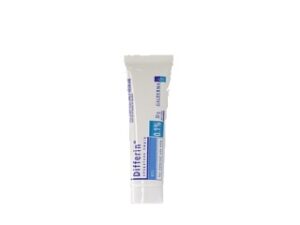

Differin (Adapalene) – Patient Guide (Australia)
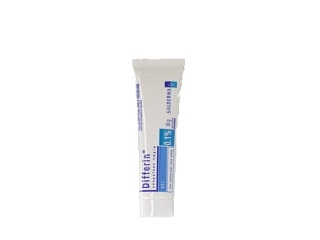
Differin contains adapalene, a medicine used to improve the appearance of acne and other acne-related skin problems. This patient-friendly guide explains what Differin is, how it works, how to use it safely, and what to expect during treatment—tailored for readers in Australia.
Key product information
| Item | Details |
|---|---|
| Active ingredient | Adapalene |
| Medicine type | Topical retinoid (a medicine related to vitamin A) |
| Common forms | Cream or gel (strengths may vary by product) |
| Who it’s for | People with acne, including comedonal and inflammatory acne |
| Main goal | Reduce clogged pores, inflammation, and the formation of new acne lesions |
| Typical duration | Improvements often start in weeks; best results usually take several months |
Note: Product availability and formulations can vary. Always check the specific pack for strength and instructions.
How Differin works (mechanism of action)
Adapalene is a topical retinoid. It helps treat acne by acting on several steps in how acne develops:
- Normalises skin cell turnover: Adapalene helps reduce the abnormal shedding of skin cells inside pores, which contributes to clogged pores (comedones).
- Prevents comedones: By promoting healthier pore lining, it can reduce the formation of blackheads and whiteheads.
- Reduces inflammation: Acne involves inflammatory processes. Adapalene can help calm these pathways.
- Supports clearer pores over time: With consistent use, the skin cycle becomes more balanced, leading to fewer new breakouts.
Important: Unlike some treatments that work immediately on visible pimples, retinoids typically require time to affect the skin’s growth and shedding cycle.
Pharmacokinetics (how your body handles it)
When applied to the skin, adapalene is designed to act locally in the skin. In general:
- Absorption: Adapalene is absorbed through skin at low levels. Most of the medicine remains in the skin layers where it works.
- Metabolism: Any small amount that enters the bloodstream is metabolised by the body.
- Elimination: The medicine and its metabolites are cleared mainly through normal body processes.
Practical takeaway: Because systemic absorption is low, topical Differin usually has minimal whole-body effects compared with some oral medicines.
Typical uses and indications
Differin is commonly used for the treatment of acne. Depending on the product and local availability, it may be used for:
- Comedonal acne: blackheads and whiteheads
- Inflammatory acne: pimples, papules and pustules
- Acne affecting the face, and in some cases the chest or back (only where the product and clinician advice supports this)
Who benefits most? Differin is often chosen for people with mild to moderate acne, and for those who need a long-term preventive approach to reduce new lesions.
When to expect results (timing)
Acne treatment is usually a gradual process. Your skin needs time to adjust and for clogged pores to clear.
- Weeks 1–2: Some people notice dryness, mild peeling, or redness. Acne may temporarily look worse for a short period (a “retinoid adjustment” phase).
- Weeks 4–6: You may start seeing fewer new breakouts and smoother texture.
- 8–12 weeks: Many people notice clear improvement in the number of lesions and overall appearance.
- 3–6 months: Best results are commonly achieved with continued use.
Tip: Track progress with photos in consistent lighting to help you judge improvement fairly over time.
How to use Differin (dosing and application)
Always follow the instructions on your specific Differin pack. The following is a general guide.
Adults and adolescents
- Typical dosing frequency: Usually applied once daily (often at night).
- Amount: Use a pea-sized amount for the entire face (more only if advised for larger areas like the upper back).
- Technique:
- Wash your skin with a gentle cleanser.
- Pat dry completely (adapalene is best applied to fully dry skin).
- Apply a thin layer to affected areas and surrounding acne-prone skin.
Starting schedule (to reduce irritation)
If you are prone to sensitivity, a “build-up” schedule can help:
- First 1–2 weeks: apply every second night
- Next 2–4 weeks: if tolerated, increase to once nightly
- Ongoing: maintain once daily if your skin tolerates it
Where to apply
- Apply to areas with acne (often face; sometimes also chest/back if appropriate).
- Avoid the corners of the nose, mouth, eyes, and any broken or irritated skin.
Duration
Use Differin consistently. Even if you feel better, acne can return when treatment stops.
Food interactions
Because Differin is applied to the skin and acts mainly locally, food interactions are not expected.
General health note: A balanced diet and good skin care can support overall improvement. Some people find that high-glycaemic diets or certain dairy patterns affect acne, but responses vary between individuals.
Alcohol and medicine interactions
Alcohol
There are no well-established direct interactions between topical adapalene and alcohol. However, alcohol can indirectly worsen acne for some people by:
- Increasing dehydration or irritation for those with dry skin
- Triggering “skin flushing” or worsening redness
If you notice flare-ups after alcohol, consider reducing or changing intake and focus on moisturising and sun protection.
Other medicines and skin products (interactions)
Topical interactions mainly involve products applied to the same area. Be cautious with combinations that may increase irritation.
- Other retinoids or strong acne actives: avoid using multiple irritating retinoid products at the same time unless advised.
- Exfoliating agents: be careful with strong scrubs, peels, or frequent exfoliation.
- Medicines that can irritate: benzoyl peroxide, salicylic acid products, glycolic acid, or certain prescription acne regimens may cause dryness or redness when started together.
- Antibiotics: topical antibiotics may be combined depending on clinician advice and the patient’s tolerance, but start gradually to minimise irritation.
Hydration matters: Using a gentle moisturiser can help you tolerate adapalene and stay consistent—often the key to success.
Safety profile and side effects
Like all medicines, Differin can cause side effects. Many are mild and relate to skin irritation, especially during the first weeks.
Common side effects
- Dryness or tightness
- Redness
- Peeling or scaling
- Burning, stinging, or itching (usually mild)
- Temporary worsening of acne early in treatment
Less common or serious reactions
Stop use and seek medical advice if you experience:
- Severe swelling, hives, or widespread rash
- Severe blistering or intense burning
- Signs of an allergic reaction
Skin care and sun sensitivity
- Sun exposure: Acne treatments can make skin more reactive. Use sunscreen daily.
- Weather sensitivity: Cold wind and harsh weather may worsen dryness and irritation.
- Avoid tanning: Avoid sunbeds and aim for protective clothing and sunscreen.
Pregnancy and breastfeeding considerations
Retinoids require special consideration in pregnancy. If you are pregnant or planning pregnancy, discuss options with a healthcare professional. Many people are advised to avoid topical retinoids during pregnancy as a precaution.
Breastfeeding: If breastfeeding, talk to a healthcare professional about safe use. Avoid applying to areas that could contact an infant’s skin or mouth.
Practical use tips (to get the best results with fewer problems)
- Start slowly: Begin every second night if your skin is sensitive.
- Apply to dry skin: Let skin dry fully after cleansing before applying.
- Use a gentle moisturiser: Consider moisturiser before or after adapalene depending on irritation level (many people moisturise after application).
- Use a non-comedogenic cleanser and moisturiser: Choose products labelled suitable for acne-prone skin.
- Don’t overapply: More medicine does not mean faster results and may increase irritation.
- Be patient with adjustment: Mild redness and peeling often improve as your skin adapts.
- Protect from the sun: Broad-spectrum SPF 30+ (or higher) daily.
- Avoid aggressive hair removal or treatments: Waxing or harsh procedures may increase irritation on treated skin.
- Hands and clothing: Wash hands after applying and avoid contact with towels that could transfer medicine.
Alcohol and medicine interactions: what to watch for
Because Differin can irritate skin, be mindful of other factors that can increase sensitivity.
- Skin irritants: Alcohol-based toners or aftershaves may sting and worsen dryness.
- Other topical actives: Consider spacing out strong products (for example, acid exfoliants or medicated cleansers) and introduce them gradually.
- Systemic medicines: Serious interactions with oral medicines are unlikely due to low systemic absorption, but always inform a healthcare professional about all medicines and supplements you use.
Alternative options (if Differin isn’t suitable)
Acne care often involves choosing the right active ingredient and skin-care routine for your tolerance. Alternatives may include:
Topical retinoids (similar class)
- Tretinoin (another topical retinoid)
- Other retinoid formulations depending on availability
Other acne treatments
- Benzoyl peroxide: helps reduce acne-causing bacteria and inflammation (can be drying)
- Salicylic acid: helps exfoliate inside pores
- Topical antibiotics: sometimes used in combination regimens
- Oral treatments: for moderate-to-severe acne, clinicians may consider systemic options
Choosing an alternative: The best option depends on your acne type, skin sensitivity, and how quickly you want results.
Australia market and legal context (overview)
In Australia, acne treatments and topical medicines are supplied under Australian regulatory frameworks. Availability may vary by formulation (e.g., gel vs cream) and by whether the product is listed for sale through certain supply channels.
General guidance for customers:
- Check the product label and packaging for the exact active strength and directions.
- Follow storage instructions and expiry dates.
- For persistent or severe acne, consult a qualified healthcare professional for individualised advice.
Recent guidance (practical interpretation): Acne care guidance in recent years has continued to emphasise consistent topical use, gradual introduction to reduce irritation, sun protection, and avoiding unnecessary product stacking that increases inflammation and dropout rates.
Delivery and availability
Differin products may be available through online and retail pharmacies, subject to local availability and supplier listings. When ordering online:
- Check the exact product: Confirm whether you are purchasing the gel or cream and the labelled strength.
- Confirm quantity and expiry: Verify pack size and expiry date on the listing.
- Delivery times: Delivery speed depends on your location and the courier used. Orders are typically dispatched according to business schedules.
- Storage: Store as directed on the pack, commonly in a cool, dry place and away from direct heat.
Tip: Keep the original packaging and leaflet for reference.
When to seek advice
Consider professional advice if:
- Your acne is severe, scarring, or causing emotional distress
- You do not see improvement after a reasonable trial (often 8–12 weeks) while using it correctly
- You experience significant irritation or a suspected allergy
- You are pregnant, trying to conceive, or breastfeeding
FAQ
1) How often should I apply Differin?
Most people apply Differin once daily, typically at night. If your skin is sensitive, start every second night and build up as tolerated.
2) Can I use Differin with moisturiser?
Yes—moisturiser is often helpful. Many people moisturise after applying adapalene, especially if they experience dryness. Choose a gentle, non-comedogenic moisturiser.
3) Will Differin treat both blackheads and pimples?
Adapalene helps with clogged pores (blackheads/whiteheads) and can also reduce inflammatory acne over time.
4) Why does my acne look worse at first?
Some people experience temporary irritation or a short “adjustment phase.” This can occur in the early weeks as skin turnover normalises. However, if worsening is severe or accompanied by intense burning or swelling, reassess your routine and seek advice.
5) Should I apply Differin all over my face?
Often it’s best to apply a thin layer to affected areas and nearby acne-prone areas, rather than only individual spots, unless your clinician advises otherwise.
6) Can I use sunscreen?
Yes, and it’s strongly recommended. Daily broad-spectrum SPF helps reduce irritation and the chance of worsening marks from sun exposure.
7) Can Differin be used with other acne products like benzoyl peroxide?
It may be possible, but the combination can increase dryness and irritation. If you use additional acne actives, introduce them carefully and consider spacing them out until your skin adjusts.
8) Does Differin stain clothes or bedding?
Topical adapalene is generally designed to absorb into the skin, but it’s wise to allow it to dry before lying on fabric. If you’re applying at night, give it time to absorb and consider using a clean pillowcase.
9) Is it safe to drink alcohol while using Differin?
There are no typical direct interactions between topical adapalene and alcohol. However, alcohol may affect your skin indirectly (dryness or flushing), so observe how your skin responds.
10) What should I do if I miss a dose?
Apply when you remember if it’s close to your usual time. If it’s near the next scheduled dose, skip the missed dose. Do not apply extra to “catch up.”
11) Can I stop Differin once my acne improves?
Acne can return after stopping. Many people use Differin long-term to prevent new breakouts. If you want to reduce or stop, consider gradually lowering frequency as your skin stabilises, and seek advice if acne returns.
12) Who should not use adapalene without medical advice?
Those who are pregnant, planning pregnancy, or breastfeeding should seek individual guidance. Also seek advice if you have eczema, significant skin inflammation, or a history of severe sensitivity to topical products.
Disclaimer: This information is intended to help you understand Differin (adapalene) and how it is typically used. Always read the product label and consult a qualified healthcare professional for advice tailored to your situation.