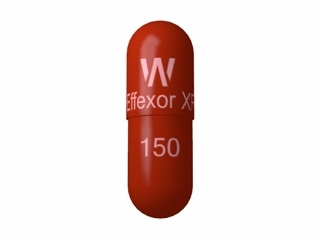

Effexor XR (Venlafaxine) — Patient Information (Australia)
Effexor XR is a brand of venlafaxine formulated as an extended‑release medicine. It is commonly used to treat several mental health conditions, including depression and anxiety disorders. If you are considering Effexor XR or have been prescribed it, this guide explains how it works, how to take it safely, and what to expect.
This information is designed to be patient-friendly. It is not a substitute for advice from a clinician. Always follow the instructions provided with your medicine.
Quick overview
| Medicine | Effexor XR (Venlafaxine) |
|---|---|
| Formulation | Extended‑release capsules (XR) |
| Common uses | Depression, Generalised Anxiety Disorder (GAD), Social Anxiety Disorder, Panic Disorder (varies by local prescribing practices) |
| Typical dosing frequency | Once daily |
| How it’s taken | Swallow whole with fluid; do not crush or open |
| Onset of effects | Some improvements may appear within 1–2 weeks; full benefit often takes several weeks |
Basic product information
- Active ingredient: Venlafaxine
- Brand name: Effexor XR
- Release type: XR (extended‑release), which slowly releases medicine over the day
- Route of administration: Oral (by mouth)
In Australia, venlafaxine products are available via retail and pharmacy channels under the relevant scheduling requirements. Availability and brand supply can vary between pharmacies.
How Effexor XR works (mechanism of action)
Effexor XR (venlafaxine) is an antidepressant belonging to the class commonly referred to as serotonin–norepinephrine reuptake inhibitors (SNRIs).
In simple terms, venlafaxine helps to:
- Increase serotonin activity in the brain
- Increase norepinephrine activity in the brain
These chemical messengers are involved in mood, anxiety regulation, and stress responses. By adjusting their reuptake, Effexor XR may help improve symptoms such as persistent low mood, loss of interest, excessive worry, and panic-related symptoms.
Important note: Even when symptoms begin to ease, the medicine may need continued use to maintain benefits.
Pharmacokinetics: how the body processes it
Pharmacokinetics describes what happens to a medicine after you take it—how it is absorbed, metabolised, and removed from the body.
Absorption
- Effexor XR is designed for once‑daily dosing.
- The extended‑release formulation aims to provide steadier blood levels over the day compared with immediate‑release products.
Metabolism
- Venlafaxine is metabolised primarily in the liver.
- A major active metabolite is O‑desmethylvenlafaxine (also called desvenlafaxine in some contexts).
Half-life and steady state
- Venlafaxine and its metabolite have biologic half-lives that support once‑daily dosing.
- Full steady-state levels typically develop over several days with regular dosing.
Excretion
- Metabolites are eliminated mainly through the urine.
People with liver impairment or kidney impairment may require dose adjustments and closer monitoring.
Typical uses and indications
Effexor XR may be used to treat the following conditions (depending on clinical assessment and local prescribing practices):
- Major depressive disorder
- Generalised Anxiety Disorder (GAD)
- Social Anxiety Disorder
- Panic disorder (often including or related to agoraphobia symptoms)
It is also sometimes used when clinicians consider an SNRI to be a good option based on individual symptom patterns, prior responses, or co‑existing conditions.
How to time your dose
Effexor XR is generally taken once daily, at a consistent time. Many people find taking it:
- In the morning if it causes activation or mild sleeplessness
- In the evening if it feels calming
Practical timing tips:
- Choose a time you can remember each day.
- If you miss a dose, do not double the next one. Follow the advice given with your medicine or by your clinician.
- If you are sensitive to side effects, starting at a lower dose and increasing gradually may help (as directed by a clinician).
Food interactions
For many patients, Effexor XR can be taken with or without food. However, individual comfort matters.
- If you experience nausea, try taking it with food or at a different time of day.
- Extended‑release capsules should be swallowed whole with water.
Avoidance and caution: Eating patterns generally do not have major direct interactions with venlafaxine XR, but maintaining hydration and consistent routines can help reduce side effects.
Alcohol interactions
It is generally recommended to limit or avoid alcohol while taking Effexor XR, because:
- Alcohol can worsen mood and anxiety symptoms.
- Alcohol may increase side effects such as dizziness, drowsiness, impaired judgement, and sleep disruption.
- In combination, there may be greater risk of feeling unwell or unsafe (for example, when driving or using machinery).
If you choose to drink alcohol, discuss your situation with a clinician or pharmacist for personalised guidance.
Medicine interactions (what to watch for)
Effexor XR can interact with other medicines and supplements. Some combinations may increase risks such as serotonin syndrome, bleeding, or changes in heart rhythm.
Medicines that can increase serotonin effects
- Other antidepressants (especially MAOIs or combinations that increase serotonin)
- Triptans (for migraine)
- Linezolid (an antibiotic)
- Serotonin‑modifying medicines (including some opioid analgesics, such as tramadol, depending on the product and dose)
- St John’s wort (herbal antidepressant)
Why it matters: Combining serotonergic medicines can increase the risk of serotonin syndrome, a rare but serious reaction.
Medicines that can affect bleeding
- Anticoagulants (blood thinners)
- Antiplatelet medicines (such as aspirin or clopidogrel)
- NSAIDs (ibuprofen, naproxen) in some situations
- Certain corticosteroids may also affect bleeding risk
Clinicians may monitor for increased bruising or bleeding. If you notice unusual bleeding, inform a healthcare professional promptly.
Medicines affecting liver enzymes
- Some medicines can affect how the liver metabolises venlafaxine, potentially changing its levels.
Tell your pharmacist about:
- Any prescription medicines
- Any over‑the‑counter medicines
- Herbal products (including St John’s wort)
- Supplements (especially those affecting mood, sleep, or blood clotting)
Heart-related considerations
Effexor XR may, in some people, contribute to changes in blood pressure or heart rate. If you take medicines that already affect heart rhythm or blood pressure, discuss monitoring plans with your clinician.
Dosing: general guidance and what to expect
Dosage should be individualised. A clinician determines the starting dose and how quickly it may be increased based on your condition, response, side effects, and other medical factors.
General principles:
- Effexor XR is typically taken once daily.
- Doses are usually adjusted gradually.
- If side effects occur, the dose may be reduced or the increase delayed.
Common dosing schedules (illustrative)
Effexor XR is available in different strengths (e.g., 37.5 mg, 75 mg, and 150 mg). The exact schedule depends on the condition being treated and your response.
- Starting dose: often lower to assess tolerance
- Maintenance dose: may be tailored to symptom control
- Maximum dose: should not exceed what your clinician specifies
Important: Do not change the dose yourself. If you miss doses, feel unwell, or want to stop, contact your pharmacist or clinician to discuss a safe plan.
Practical use tips (how to get the best results)
- Be patient with timing of benefits: Many people notice improvements after 1–2 weeks, but full benefit may take several weeks.
- Maintain routines: Sleep, exercise, and structured daily activities can support recovery alongside medication.
- Track symptoms: Consider noting mood, anxiety levels, sleep quality, and side effects weekly.
- Hydration and nausea management: Taking with food may reduce nausea for some people.
- Do not crush or open XR capsules: Extended‑release formulations must be swallowed whole.
- Plan for missed doses: Follow the instructions you receive rather than improvising.
Safety profile: side effects and when to seek help
Like all medicines, Effexor XR can cause side effects. Many are mild and temporary, especially during the first weeks. However, some symptoms require urgent medical assessment.
Common side effects
- Nausea
- Headache
- Dry mouth
- Dizziness
- Sleep changes (insomnia or sometimes drowsiness)
- Sweating
- Reduced appetite
- Sexual side effects (reduced libido, difficulty achieving orgasm)
- Constipation
Less common but important effects
- Blood pressure changes (sometimes increases)
- Increased heart rate in some individuals
- Weight changes
- Withdrawal symptoms if stopped suddenly (see below)
Serotonin syndrome: rare but serious
Seek urgent medical help if you develop symptoms such as:
- Agitation, confusion
- Fever
- Fast heart rate
- Heavy sweating
- Tremor, muscle stiffness, diarrhoea
Withdrawal/discontinuation symptoms
Stopping Effexor XR suddenly can cause discontinuation symptoms, which may include dizziness, nausea, headache, irritability, and “electric shock” sensations. To reduce this risk, clinicians usually recommend gradual tapering.
When to contact a healthcare professional promptly
- Severe or persistent side effects
- Symptoms of high blood pressure or chest discomfort
- New or worsening agitation, mood changes, or unusual behaviour
- Thoughts of self-harm or suicidal thoughts
Special populations and considerations
- Older adults: may be more sensitive to side effects such as dizziness or falls; monitoring is important.
- Liver impairment: dose adjustments may be required.
- Kidney impairment: dose adjustments may be required.
- Pregnancy and breastfeeding: risks and benefits need careful discussion with a clinician.
- Driving and machinery: if you feel dizzy or drowsy, avoid driving until you know how Effexor XR affects you.
Recent guidance and clinical best practice (Australia)
In Australia, care for antidepressant treatment commonly aligns with evidence-based standards that emphasise:
- Individualised dosing and follow-up, especially during the initial weeks
- Monitoring for side effects, including blood pressure changes
- Gradual discontinuation to reduce withdrawal symptoms
- Safety monitoring for changes in mood, particularly in people who are younger or have specific risk factors
- Integration of psychological therapies where appropriate (such as counselling or CBT) alongside medication
Professional guidance and product information can change over time. Always refer to the latest consumer medicine information (CMI) provided with your medicine and any updates from Australian health authorities.
Delivery and availability in Australia
Effexor XR (venlafaxine extended‑release) may be available through authorised pharmacies and online pharmacy services that comply with Australian laws and professional standards.
- Brand and strength availability: varies by supplier and local stock levels.
- Packaging: typically provided in manufacturer-labelled cartons with clear dosing instructions.
- Cold chain: Effexor XR does not usually require refrigeration.
When ordering, ensure you select the correct strength (e.g., mg per capsule) and that the medicine name matches your product (extended‑release “XR” formulations are not interchangeable with immediate‑release unless specifically advised).
Alternative options
There are several other medicines and approaches that clinicians may consider depending on your diagnosis, past responses, side effect concerns, and other health conditions.
Medication alternatives (examples)
- Other SNRIs: such as duloxetine
- SSRIs: such as sertraline, fluoxetine, or escitalopram
- Other antidepressants: depending on the condition (clinicians tailor options to symptoms and tolerance)
Non‑medicine alternatives and supports
- Psychological therapies: CBT, counselling, or other evidence-based approaches
- Lifestyle and self‑management: sleep hygiene, regular activity, stress reduction strategies
- Support networks: peer support or structured programs
If you’re considering switching from one antidepressant to another, this should always be managed by a clinician to minimise risks.
Frequently asked questions (FAQ)
1) When will Effexor XR start working?
Some people notice early changes within 1–2 weeks, such as improved sleep or reduced anxiety. Full benefits for depression and anxiety disorders often take several weeks. If you feel no improvement after a reasonable trial, discuss options with your clinician rather than stopping abruptly.
2) Can I take Effexor XR with food?
Often, yes. Taking it with food may help reduce nausea. If the capsule upsets your stomach, try food or adjust the time of day (with advice from your pharmacist).
3) Should I drink alcohol while taking it?
It’s generally best to limit or avoid alcohol. Alcohol can worsen mood and anxiety and may increase side effects like dizziness and impaired judgement.
4) What should I do if I miss a dose?
Follow the directions provided with your medicine or by your pharmacist. In general, do not take a double dose to make up for a missed one.
5) What happens if I stop Effexor XR suddenly?
Stopping abruptly can cause discontinuation symptoms. A gradual taper is usually recommended under clinician guidance.
6) Are there food or herbal interactions?
Major dietary interactions are not typical, but St John’s wort and other serotonergic herbal products may increase risk of serotonin-related side effects. Always tell your pharmacist about supplements.
7) Does Effexor XR affect blood pressure?
Effexor XR can, in some people, increase blood pressure. If you have hypertension or cardiovascular risk, your clinician may monitor blood pressure and adjust treatment if needed.
8) Can Effexor XR be taken at night?
Yes, depending on how it affects you. If it causes insomnia or agitation, morning dosing may be preferable. If it is sedating for you, evening dosing may help. Maintain a consistent daily routine.
9) Is Effexor XR the same as venlafaxine immediate‑release?
No. Effexor XR is extended‑release. XR capsules have different dosing instructions and should not be substituted for immediate‑release forms unless advised by a clinician.
10) What should I do if I experience severe side effects?
If you have severe symptoms, unusual reactions, or signs of serotonin syndrome (such as fever, confusion, severe agitation, muscle stiffness, or fast heart rate), seek urgent medical help. For moderate or persistent side effects, contact your pharmacist or clinician promptly.
Key takeaways
- Effexor XR (venlafaxine) is an SNRI used for depression and certain anxiety disorders.
- It is typically taken once daily and is formulated to release medicine gradually.
- Benefits may take time; do not expect overnight relief.
- Avoid sudden stopping—discontinuation symptoms can occur.
- Alcohol and some medicines/supplements can interact and may increase risks.
- Follow-up and monitoring (including blood pressure) are important for safe use.
If you’d like, share your specific condition and any medicines you’re currently taking (including supplements), and you can receive general interaction considerations to discuss with your pharmacist.