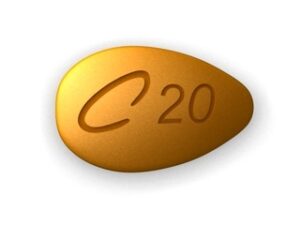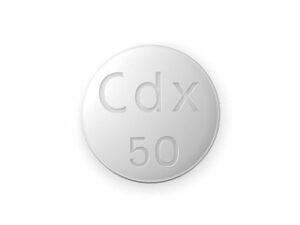


Enclomiphene (Enclomiphene citrate) – Patient-Friendly Guide (Australia)
Enclomiphene is a medicine used to help increase testosterone levels by working with the body’s own hormonal control system. This guide is designed to explain how it works, how it’s typically used, and what to consider for safety and day-to-day life. Information below is general and not a substitute for personalised medical advice.
Important note for Australia
Medicines may have specific availability, prescribing rules, and supply pathways in Australia that can vary by product brand and regulatory status. Availability on an online pharmacy website may depend on local regulations and individual eligibility criteria. If you’re unsure whether enclomiphene is suitable for you, speak with a qualified healthcare professional.
Basic product information
Generic name: Enclomiphene (enclomiphene citrate)
Medicine type: Selective estrogen receptor modulator (SERM) class
Main goal: Increase testosterone by influencing the hypothalamus–pituitary–gonadal (HPG) axis
Common forms: Oral tablets or capsules (strengths vary by manufacturer/market)
Typical dosing style: Taken by mouth, often once daily (exact dose depends on clinician guidance and response)
How enclomiphene works (mechanism of action)
Enclomiphene belongs to the SERM family. It works by binding to estrogen receptors and can act as an estrogen “blocker” in key parts of the brain involved in reproductive hormone control.
Under normal conditions, higher estrogen signalling helps “turn down” hormones that stimulate testosterone production. By partially blocking estrogen receptors, enclomiphene may reduce the feedback signal that normally suppresses the system.
- Hypothalamus: Helps promote release of gonadotropin-releasing hormone (GnRH)
- Pituitary gland: Supports release of luteinising hormone (LH) and follicle-stimulating hormone (FSH)
- Testes: Increased LH/FSH can stimulate testosterone production and support sperm-related pathways
The result is often an improvement in measured testosterone over time—because the body’s hormonal signalling adjusts rather than testosterone being given directly.
Pharmacokinetics (absorption, distribution, metabolism, excretion)
Pharmacokinetics describes how the body absorbs, processes, and eliminates a medicine. While individual responses can vary, the following helps explain why timing and steady use matter.
- Absorption: Enclomiphene is taken orally and absorbed through the gastrointestinal tract.
- Distribution: It distributes into body tissues and can remain active for prolonged periods.
- Metabolism: It is metabolised by liver enzyme pathways (commonly involving CYP-mediated metabolism), producing active/inactive metabolites.
- Half-life: Enclomiphene can have a long biological half-life. This contributes to gradual hormone changes and effects that can persist after stopping.
- Elimination: Metabolites are eliminated primarily through hepatic/urinary and biliary routes (details depend on the specific metabolic profile).
Because of the longer-lasting nature of SERMs, testosterone and related markers may take weeks to stabilise. Monitoring (where recommended) often occurs after a period of consistent use.
Typical use and timing
What enclomiphene is commonly used for
Enclomiphene is commonly used to raise testosterone levels in men with low testosterone due to reduced hormonal signalling. It may also be considered in situations where increasing testosterone while potentially supporting fertility is a goal.
When effects are noticed
Many people do not see immediate changes on day one. Hormonal adjustments typically develop progressively. A practical expectation:
- First 1–2 weeks: Some may notice early changes (energy/libido can vary)
- Weeks 3–6: Testosterone levels often show clearer movement
- After ~6–12 weeks: Results may be more stabilised; clinicians may reassess response
How to take it (typical pattern)
Many regimens are once daily, with adjustments depending on response and tolerability. Always follow the specific directions provided by your healthcare professional or product instructions.
Indications (why it may be used)
Enclomiphene is used in clinical practice to address male hypogonadism—a condition characterised by low testosterone due to impaired signalling in the HPG axis.
It may be chosen when the goals include:
- Increasing endogenous testosterone
- Supporting pituitary–testicular signalling (rather than bypassing it)
- Preserving fertility potential for some men (individual outcomes vary)
Indications can vary depending on local regulatory status and product availability. Your clinician will determine whether enclomiphene is appropriate based on your medical history, symptoms, and laboratory tests.
Dosing guidance (general information)
Dosing must be individual. The information below provides a general overview of how enclomiphene regimens are commonly structured in practice. Your exact dose may differ.
| Patient group | Typical starting approach | How adjustments are made | Monitoring commonly includes |
|---|---|---|---|
| Adult men with low testosterone | Often started at a moderate dose taken orally once daily | Based on symptoms and blood test results; dose may be titrated gradually | Total testosterone, LH/FSH, estradiol, full blood count (haemoglobin/haematocrit), lipid profile, liver function (as advised) |
| Men with variable response or side effects | May be lowered or spaced out depending on tolerance | Stepwise adjustments over time due to long-lasting effects | Same as above plus symptom tracking |
Do not change your dose without medical guidance. Because SERMs can have lingering effects, changes may take time to show up in labs.
Food interactions and how to take it with meals
For many oral SERMs, food may not be a major issue, but individual products can differ. As a practical approach:
- Take consistently: Choose a time of day and take it the same way each day.
- With or without food: If the product instructions do not specify, follow your clinician’s advice. If you notice stomach upset, taking with food may help.
- Avoid sudden changes: Avoid major dietary changes around dosing if you have experienced GI side effects, and report persistent issues.
If you have specific dietary concerns or other medicines, it’s wise to review interactions with a pharmacist.
Alcohol interactions
Moderate alcohol intake may not directly “cancel out” enclomiphene, but alcohol can affect hormone balance, liver health, sleep, and symptom control. The biggest concerns are typically indirect:
- Liver strain: Enclomiphene is metabolised by liver pathways; excessive alcohol may increase liver stress.
- Hormone-related symptoms: Alcohol can worsen sleep quality, libido, and energy—symptoms people often seek to improve with treatment.
- Behaviour and adherence: Alcohol may reduce consistency with daily dosing.
A conservative approach is to limit alcohol and avoid heavy drinking, especially if you have liver problems or abnormal liver tests. If you plan to drink more than usual, discuss this with your healthcare professional.
Interactions with other medicines
Drug interactions can occur through enzyme metabolism (particularly liver enzymes) or by altering hormone signalling. Tell your pharmacist or clinician about everything you take, including prescription medicines, over-the-counter products, vitamins, and herbal supplements.
Common interaction risk areas
- Hormone-related therapies: Other endocrine or hormone-modifying medicines may change the balance of effects.
- Liver-metabolised drugs: Medicines that strongly induce or inhibit drug-metabolising enzymes may alter enclomiphene levels.
- Anticoagulants/antiplatelets: While not a typical interaction, SERMs may influence clotting risk in some settings; clinicians often carefully review your full risk profile.
Herbal and supplement considerations
- Herbal products can affect liver enzymes and drug levels. Examples include some products containing extracts that may influence CYP activity (varies by ingredient).
- “Testosterone boosters” and bodybuilding supplements may contain multiple ingredients with uncertain interaction profiles.
If you use supplements for training or libido, provide the ingredient list to your pharmacist to check interaction risk.
Safety profile and side effects
How to understand safety
Most people tolerate enclomiphene reasonably well, but like all medicines it may cause side effects. Safety depends on dose, duration, individual risk factors (such as clotting history), and other medications.
Commonly reported side effects
- Headache
- Fatigue or changes in energy
- Hot flushes or mild temperature changes
- Mood changes (irritability or mood swings in some people)
- Visual symptoms are less common but should not be ignored
- Nausea or mild gastrointestinal discomfort
Less common but important risks
SERMs can be associated with more serious risks in some individuals. Seek urgent medical help if you experience symptoms suggestive of a serious condition.
- Blood clot symptoms: sudden shortness of breath, chest pain, leg swelling/pain, or coughing blood
- Severe headaches or visual changes: sudden blurry vision, severe persistent headache, or neurological symptoms
- Signs of liver problems: yellow skin/eyes (jaundice), dark urine, severe right-sided abdominal pain, persistent nausea/vomiting
- Allergic reaction: rash, swelling of face/lips, wheezing, difficulty breathing
Who should be extra cautious
Your clinician may advise extra monitoring or avoid use if you have a history of:
- Unexplained high blood thickness markers or clotting events
- Significant liver disease
- Certain eye conditions or unexplained visual symptoms
- High risk factors for thromboembolism (individual assessment needed)
Practical use tips (making treatment smoother)
- Be consistent with timing: Take it at the same time each day to support stable hormone signalling.
- Track symptoms: Keep notes on libido, energy, sleep quality, mood, and exercise recovery. This helps interpret lab results.
- Plan for blood tests: Testosterone and related markers often need time to adjust. Testing is commonly done after a few weeks and then periodically.
- Don’t stop abruptly without advice: Because of longer-lasting effects, abrupt changes can make symptoms and labs harder to interpret.
- Use a “safety checklist”: If you develop severe headaches, vision changes, or clot-like symptoms, seek medical care promptly.
- Adherence matters: Missing doses can slow progress because the system adapts gradually.
Alternative options
If enclomiphene isn’t suitable—or if your goals change—there are other approaches for low testosterone/hypogonadism. Alternatives depend on the cause of low testosterone and your fertility goals.
Possible alternatives
- Lifestyle and medical evaluation: Weight management, treating sleep apnoea, reducing excessive alcohol, and addressing medication contributors.
- Other hormone-directed therapies: Depending on cause, options may include therapies that stimulate the reproductive axis or direct testosterone replacement (choice depends on fertility goals).
- Clomiphene (similar SERM class): Sometimes used to increase LH/FSH and support testosterone production in selected patients; suitability varies.
- HCG or other gonadotropin strategies: In some cases, clinicians use agents that stimulate testicular function more directly.
The “best” option is individual. Your clinician can explain which alternatives fit your medical history, symptom pattern, and future fertility plans.
Market and legal context for Australia (overview)
In Australia, medicines are regulated by the Therapeutic Goods Administration (TGA). Availability can depend on:
- Whether a product is included on the Australian Register of Therapeutic Goods (ARTG)
- Whether the medicine is approved for particular indications
- How it is supplied (e.g., standard supply channels vs special access pathways)
- Formulation and brand variations
For online pharmacies, products and supply processes must comply with Australian laws and consumer safety requirements. If enclomiphene is not widely marketed, supply may involve specific ordering pathways. The pharmacy should provide clear information about the product, expected delivery, and any regulatory constraints.
Recent guidance (how to stay updated)
Guidance and availability can change over time due to TGA updates, prescribing practices, and safety advisories for SERMs. To ensure you have current information, ask your pharmacist or check official TGA resources if needed.
Delivery and availability
Availability on an online pharmacy website may vary by:
- Stock levels and supplier timelines
- Packaging size and strength
- Location within Australia (metro vs regional delivery)
When ordering, you can typically expect:
- Product verification (brand, strength, and expiry details)
- Secure packaging
- Tracking updates or confirmation of dispatch
- Delivery time estimates at checkout
If your order is delayed or unavailable, customer support should provide alternatives (such as different strengths, local substitutions, or refund options, depending on policy).
FAQ (Frequently Asked Questions)
1) How long does enclomiphene take to work?
Many people notice changes gradually. Testosterone-related lab improvements often become clearer over several weeks. A typical range is 3–6 weeks for noticeable lab movement and up to 6–12 weeks for a more stable assessment.
2) Will enclomiphene cause infertility?
Enclomiphene may differ from testosterone replacement therapies because it works by stimulating the body’s own hormonal signalling. However, effects can vary between individuals. If fertility is a priority, discuss testing and monitoring with your clinician.
3) Does enclomiphene replace testosterone?
No. Enclomiphene typically helps the body increase endogenous (natural) testosterone production by influencing signalling in the hypothalamus and pituitary.
4) Can I take enclomiphene with food?
Many people take oral medicines with or without food depending on personal tolerance. For best results, follow the specific product instructions and keep your method consistent. If you experience nausea, taking with a meal may help.
5) What should I do if I miss a dose?
If you miss a dose, take it when you remember unless it’s close to the next dose. Avoid doubling up. If you’re unsure, ask a pharmacist for advice tailored to your dosing schedule.
6) Are there alcohol restrictions?
There’s no universal “absolute” prohibition for everyone, but alcohol can worsen sleep, libido, mood, and may increase liver stress. If you drink, keep it moderate and avoid heavy intake—especially if you have any liver concerns.
7) What medicines should not be taken together with enclomiphene?
Interaction risk depends on your other medications and health conditions. Provide a complete list of medicines and supplements to your pharmacist, especially drugs that affect the liver or hormone pathways.
8) What side effects require urgent attention?
Seek urgent help for symptoms suggestive of serious events, such as: sudden shortness of breath, chest pain, leg swelling, severe headaches, new vision problems, or signs of liver injury (jaundice).
9) How will my progress be monitored?
Monitoring often includes blood tests such as total testosterone and sometimes LH/FSH, estradiol, full blood count, and liver function—based on clinician preference and your risk factors. Symptom tracking is also important.
10) What are common alternatives if enclomiphene doesn’t suit me?
Alternatives may include lifestyle interventions, other SERMs (depending on suitability), or different hormone-directed strategies. Your clinician can discuss options based on cause, symptoms, and fertility goals.
When to speak with a healthcare professional
Talk to a healthcare professional before starting enclomiphene if you have symptoms of low testosterone, a history of blood clots, liver disease, significant eye problems, or you take medications that could interact. Ongoing assessment is especially important if you experience new or worsening side effects.
If you have questions about ordering, delivery, or product strength/packaging, contact the online pharmacy’s support team. For medical questions—such as dose selection, monitoring schedule, and managing side effects—use a clinician or pharmacist who can review your individual situation.