

Ethionamide (TB Medication) – Patient-Friendly Guide (Australia)
Ethionamide is an antibiotic medicine used as part of combination therapy for tuberculosis (TB). This guide explains how Ethionamide works, how it is used, what to expect, and important safety information. It is written for people in Australia who are considering or already using Ethionamide and want a clear, practical overview.
Always follow the treatment plan provided by your healthcare team. TB treatment is usually long-term and depends on drug susceptibility and your individual circumstances.
Basic product information
- Medicine name: Ethionamide
- What it is: An antibiotic used to treat tuberculosis
- Common role: Used in combination regimens to prevent resistance and improve cure rates
- Availability in Australia: Ethionamide may be supplied through prescribing/dispensing channels depending on current supply and clinical requirements
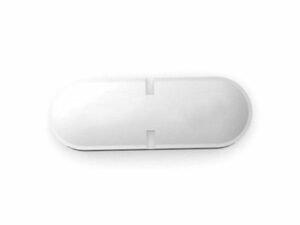
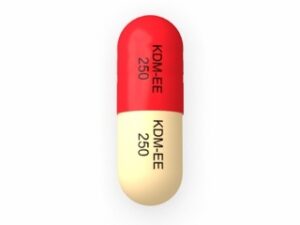
Ethionamide is typically supplied as tablets (strengths vary by product/brand). Your pharmacist can confirm the exact tablet strength you are receiving.
How Ethionamide works (mechanism of action)
Ethionamide belongs to a group of anti-TB medicines sometimes described as thioamide antibiotics. Its activity targets Mycobacterium tuberculosis, the bacterium that causes TB.
- Activation inside the body: Ethionamide is converted to an active form in the body.
- Targets bacterial processes: The active metabolite interferes with the bacterium’s ability to make essential cell components.
- Result: Slows or stops TB growth, especially as part of combination therapy.
Because TB bacteria can be slow-growing and can persist in tissues, combination regimens are needed to improve outcomes and reduce the risk of resistance.
Pharmacokinetics (what the body does with Ethionamide)
Pharmacokinetics describes absorption, distribution, metabolism, and elimination. Individual responses can vary, and your clinician may adjust the plan depending on tolerability and lab results.
- Absorption: Ethionamide is absorbed after oral dosing.
- Distribution: It can reach TB-affected tissues, supporting its role in systemic TB therapy.
- Metabolism: It is metabolised primarily in the liver. This is one reason liver health and blood test monitoring are important.
- Elimination: The medicine and its metabolites are cleared from the body, mainly via metabolic pathways.
People with liver disease may experience higher drug exposure or increased adverse effects. Your healthcare team may request baseline and ongoing liver function tests.
Typical use and timing
Ethionamide is used for TB as part of multi-drug regimens. The exact combination and duration depend on:
- The type of TB (pulmonary, extrapulmonary)
- Whether it is drug-susceptible or drug-resistant TB
- Your drug susceptibility results
- How well you tolerate each medicine
When to take it
- Consistency matters: Take Ethionamide at the same times each day to maintain steady drug levels.
- Daily schedule: Many regimens involve once- or twice-daily dosing depending on the prescribing plan.
- Timing with food: Food can significantly affect stomach tolerance and side effects (see the “Food interactions” section below).
Food interactions (and what to do)
Ethionamide may cause nausea, loss of appetite, stomach upset, or a metallic taste. Taking it with food can help some people tolerate it better.
Practical tips:
- Take with meals or after food if your healthcare team advises it or if you experience stomach upset.
- If you experience significant nausea, speak to your clinician or pharmacist about strategies (e.g., meal timing, anti-nausea options, or adjusting the plan).
- Avoid skipping meals, especially if you also take other medicines that may affect the stomach.
Different products and regimens may have specific directions. Follow the label instructions and your treatment plan exactly.
Alcohol and medicine interactions
Alcohol can increase the risk of liver problems and worsen certain side effects such as dizziness, nausea, and fatigue. Because Ethionamide is metabolised by the liver, it is generally best to avoid alcohol unless your clinician advises otherwise.
General alcohol guidance
- Avoid alcohol during TB treatment if possible.
- If you drink occasionally, discuss this with your healthcare team—your personal risk depends on liver function, other medicines, and overall health.
Interactions with other medicines
TB regimens often include multiple medicines. Interactions may be significant, and your pharmacist can check your full medication list.
Common interaction themes to be aware of:
- Liver metabolism: Ethionamide may interact with other medicines that affect liver enzymes.
- Nervous system effects: Using multiple medicines that cause dizziness or nerve-related symptoms may increase the risk.
- Blood sugar effects: TB medicines can sometimes affect glucose control; monitor if you have diabetes.
Tell your pharmacist about all prescription medicines, over-the-counter medicines, vitamins, herbal supplements, and alcohol intake.
Indications (when Ethionamide is used)
Ethionamide is indicated for the treatment of tuberculosis. It is most commonly used when:
- TB is drug-resistant or involves organisms where other options are limited
- It is included in an effective combination regimen based on susceptibility testing
Ethionamide is not used as a stand-alone treatment for TB. Combination therapy helps prevent resistance and improves cure rates.
Dosing (general guidance)
Dosing should be individualised. Your healthcare team will decide the dose and schedule based on your weight, TB regimen, kidney/liver function, and tolerance.
Important: This website provides general information only. Use your labelled dose and do not adjust your dose without professional advice.
Common principles of dosing
- Dose is often calculated based on body weight.
- Some regimens split the daily dose into more than one administration to improve tolerability.
- Clinicians may adjust the plan if side effects occur, especially liver-related or nerve-related symptoms.
Monitoring that may accompany dosing
- Liver function tests (blood tests such as ALT/AST, bilirubin)
- Assessment of nausea, appetite changes, and vomiting
- Evaluation of neurological symptoms (e.g., tingling or numbness)
Safety profile (what to watch for)
Like all medicines, Ethionamide can cause side effects. Many people experience mild effects early on, but you should seek medical advice promptly if symptoms are severe or unusual.
Common side effects
- Gastrointestinal symptoms: nausea, vomiting, stomach discomfort, appetite loss
- Metallic taste or taste changes
- Fatigue or general tiredness
Important potential serious effects
Contact a healthcare professional urgently if you notice any of the following:
- Liver problems: yellowing of the skin/eyes (jaundice), dark urine, severe right-sided upper abdominal pain, persistent vomiting
- Neuropathy/nerve effects: tingling, numbness, burning pain in hands or feet, worsening weakness
- Severe allergic-type reactions: rash with swelling, trouble breathing, or severe widespread rash
- Severe mood or mental changes: unusual agitation, confusion, severe depression or thoughts of self-harm
When to seek urgent help
- If you develop jaundice, severe abdominal pain, or you cannot keep fluids down due to vomiting
- If you experience rapidly worsening symptoms or signs of an allergic reaction
Practical use tips (to improve comfort and adherence)
TB regimens can be challenging because treatment is long. Small practical adjustments can make a big difference.
How to take Ethionamide more comfortably
- Take with food if it helps your stomach tolerate the medicine.
- Hydrate regularly, especially if you feel nauseated.
- Manage taste changes: some people find that flavored foods, sugar-free mints, or different meal timing helps.
- Use a medication routine: link your dose to a daily habit (after breakfast, after dinner, etc.).
- Keep to the regimen: do not skip doses unless advised.
What to do if you miss a dose
- Take it as soon as you remember if it’s close to the scheduled time.
- If it’s near the next dose, skip the missed dose—do not double.
- If you miss multiple doses, contact your healthcare team for guidance.
Support for side effects
- If nausea is frequent, discuss options with your clinician (including anti-nausea strategies).
- If you develop tingling or numbness, report it promptly—early action can prevent progression.
- Keep your scheduled blood tests; monitoring is part of safe TB therapy.
Alternative options (talk to your clinician)
TB treatment is highly individual. “Alternative” options depend on whether the TB strain is drug-susceptible or drug-resistant, plus your medical history and test results.
Examples of other TB medicines your healthcare team may consider include:
- Rifampicin (often in susceptible TB regimens)
- Isoniazid
- Pyrazinamide
- Ethambutol
- Other second-line medicines for resistant TB (choice depends on susceptibility and guidelines)
If you cannot tolerate Ethionamide, your prescriber may adjust the regimen. Do not replace it yourself.
Market and legal context for Australia
In Australia, TB medicines are regulated and supplied through established healthcare pathways. Access depends on clinical assessment, local protocols, and product availability.
- Regulatory oversight: Medicines in Australia are subject to regulation via the Therapeutic Goods Administration (TGA).
- Clinical guidance: TB treatment is guided by national and specialist recommendations, including drug susceptibility testing and safety monitoring.
- Safety requirements: Because Ethionamide can affect the liver and nerves, monitoring and follow-up are important.
Your pharmacist can explain the process for obtaining the correct product and confirm the latest information relevant to your regimen.
Recent guidance and evolving practice (Australia)
TB management guidance can evolve based on emerging evidence, resistance patterns, and safety monitoring recommendations. Clinicians also follow local protocols and expert recommendations for drug-resistant TB regimens.
While this page provides general information, your healthcare team may incorporate up-to-date guidance into your plan, including:
- Using susceptibility testing to guide which medicines are included
- Close monitoring for liver function and neurological symptoms
- Support to improve treatment adherence and manage side effects
If you have questions about why Ethionamide is included in your regimen, ask your treating clinician or TB nurse—explaining the “why” can help you stay confident and consistent with long-term treatment.
Delivery and availability (online pharmacy)
Availability can vary based on stock levels, formulation, and clinical supply arrangements. If you order through an online pharmacy, delivery times may depend on your location and product availability.
- Stock updates: Products may be temporarily unavailable; the pharmacy may provide alternatives or restock updates.
- Packaging: Medicines should arrive in manufacturer packaging with clear labelling.
- Delivery: Delivery options and timeframes are typically shown at checkout (subject to region and stock).
If you need help confirming whether Ethionamide is suitable for you or what dose you should take, speak with a pharmacist or healthcare provider.
Storage and handling
- Store tablets as directed on the packaging (commonly at room temperature, away from heat and moisture).
- Keep out of reach of children.
- Do not use after the expiry date.
FAQ – Ethionamide (patient questions)
1) What is Ethionamide used for?
Ethionamide is used to treat tuberculosis, usually as part of a combination regimen tailored to your TB type and susceptibility results.
2) How long do people take Ethionamide?
TB treatment is often long-term. The duration depends on the TB type (susceptible vs drug-resistant), response to therapy, and guidance from your healthcare team.
3) Should I take Ethionamide with food?
Many people find it easier on the stomach when taken with meals or after food. Your label instructions and clinician advice should guide you, especially if your regimen has specific directions.
4) What side effects are most common?
Common effects include nausea, stomach upset, loss of appetite, fatigue, and taste changes.
5) What serious side effects should I watch for?
Seek medical help promptly for signs of liver problems (jaundice, dark urine, severe abdominal pain) or nerve symptoms (tingling/numbness in hands or feet).
6) Can I drink alcohol while taking Ethionamide?
It is generally best to avoid alcohol because it can increase the risk of liver problems and worsen side effects. Discuss your situation with your healthcare team.
7) Are there interactions with other medicines?
Yes. Ethionamide can interact with other TB medicines and some medicines that affect the liver or nervous system. Provide your full medication list to your pharmacist for a tailored interaction check.
8) What should I do if I miss a dose?
Take it when you remember if it’s close to the scheduled time. If it’s near your next dose, skip the missed dose and do not double. Contact your healthcare team if you miss more than one dose.
9) Can Ethionamide affect my mood?
Some people may experience mood or mental changes. If you feel unusually distressed, confused, or have severe mood symptoms, contact a healthcare professional promptly.
10) Where can I find reliable TB treatment information in Australia?
Your TB nurse/clinic and your healthcare team are best sources for advice specific to your condition. National TB programs and specialist services can also provide guidance on monitoring and managing side effects.
Summary
Ethionamide is an important medicine for tuberculosis, typically used as part of combination therapy. It works by disrupting TB’s ability to produce essential components, and it is metabolised largely by the liver—so monitoring is important. Taking Ethionamide consistently, often with food for better stomach comfort, and promptly reporting side effects (especially liver or nerve symptoms) helps support safe and effective treatment.
If you have concerns about side effects, interactions, or your dosing schedule, speak with your pharmacist or healthcare team.