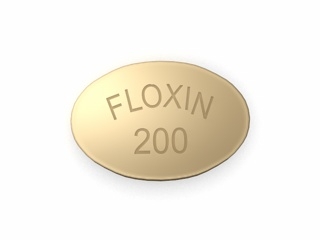
Floxin (Ofloxacin) — Patient Guide (Australia)
Floxin contains ofloxacin, an antibiotic in the fluoroquinolone group. It is used to treat certain bacterial infections. This guide explains how it works, how it is used, what to watch for, and practical tips to help you take it safely.
Important: Use this information to understand your medicine. Always follow your healthcare professional’s instructions and the directions on the packaging.
Quick product information
| Feature | Details |
|---|---|
| Medicine name | Floxin |
| Active ingredient | Ofloxacin |
| Medicine class | Fluoroquinolone antibiotic |
| Common dosage forms | Oral tablets (strengths may vary by product/market) |
| How it works | Kills susceptible bacteria by interfering with DNA processes |
| Typical use | Selected infections caused by susceptible bacteria |
How Floxin (ofloxacin) works (mechanism of action)
Ofloxacin is a fluoroquinolone antibiotic. It works by inhibiting bacterial enzymes required for bacterial DNA replication and repair:
- DNA gyrase (topoisomerase II) — helps bacteria control DNA supercoiling during replication
- Topoisomerase IV — helps separate replicated DNA strands
By blocking these enzymes, ofloxacin prevents bacteria from multiplying and can lead to bacterial death. It is effective against susceptible gram-negative and some gram-positive bacteria, depending on local resistance patterns.
Pharmacokinetics (how the body handles ofloxacin)
Understanding absorption and elimination can help you take Floxin correctly.
Absorption
- Ofloxacin is absorbed from the gastrointestinal tract after oral dosing.
- Food can affect absorption timing in some people; spacing from certain minerals (e.g., iron, zinc, magnesium, calcium) is important.
Distribution
- Ofloxacin distributes into many body tissues and fluids.
- It can reach therapeutic levels in locations relevant to susceptible infections (e.g., urinary tract).
Metabolism and elimination
- Ofloxacin is largely excreted unchanged.
- Kidneys are a major route of elimination, so dose adjustments may be needed in kidney impairment.
- The medicine has an elimination half-life that supports once- or twice-daily dosing in many regimens (depending on indication and local protocols).
When Floxin is used (indications)
Floxin/ofloxacin is used for infections caused by susceptible bacteria. Indications depend on clinical assessment and local guidance. Common examples (not an exhaustive list) may include:
- Urinary tract infections (UTIs) caused by susceptible organisms
- Prostatitis (certain bacterial cases)
- Some respiratory, skin, and other bacterial infections when the causative bacteria are susceptible
- Other specific bacterial infections as determined by a healthcare professional
Because antibiotic resistance is common, your clinician may consider culture results, severity, allergies, prior antibiotic use, and local resistance patterns before choosing ofloxacin.
Typical dosing & timing
Dose and duration vary depending on:
- the infection type and severity
- the specific bacteria (when known)
- your kidney function
- other medicines you take
Do not change your dose or stop early. Even if you feel better, completing the prescribed course helps reduce the chance of relapse and resistance.
General timing tips
- If prescribed once daily, take it at the same time each day.
- If prescribed twice daily, take doses roughly 12 hours apart when possible.
- Use a calendar/reminder to support adherence.
If you miss a dose
- Take it as soon as you remember the same day.
- If it is close to the time for your next dose, skip the missed dose and continue as normal.
- Do not double up to make up for a missed dose.
Food interactions & what to avoid during treatment
Ofloxacin can usually be taken with or without food, but certain foods and supplements can interfere with absorption.
Can I take Floxin with food?
- Food may reduce how quickly some antibiotics are absorbed but generally does not completely stop absorption.
- To keep dosing consistent, many people take it at the same time each day (with or without food as advised).
Minerals and antacids (important)
Take special care with products containing minerals or buffering agents that bind to ofloxacin:
- Iron supplements
- Zinc supplements
- Magnesium or aluminium antacids
- Calcium supplements (including some high-dose products)
Practical spacing: If you take any of these, separate them from ofloxacin by at least 2 hours before or 4–6 hours after (follow your clinician’s or pharmacist’s specific advice, because recommendations can vary by product and regimen).
Also be cautious with:
- multivitamins that contain minerals
- digestive medicines that contain aluminium/magnesium
- sucralfate (a mucosal protective medicine) — often requires spacing
Alcohol and medicine interactions
Alcohol
Alcohol is not always strictly contraindicated, but it may:
- increase dizziness or drowsiness
- worsen stomach upset
- affect recovery from infection
Best practice: limit or avoid alcohol while taking Floxin, especially if you notice side effects.
Common medicine interactions
Certain medicines can increase the risk of side effects or change how ofloxacin works. Tell your healthcare provider about all medicines and supplements you use, including:
- Warfarin and other vitamin K antagonists: may increase bleeding risk (monitoring may be required)
- Oral diabetes medicines (e.g., sulfonylureas) or insulin: fluoroquinolones can affect blood glucose (either direction)
- Antiarrhythmics or medicines that affect heart rhythm (QT prolongation): ofloxacin may increase risk in susceptible people
- Theophylline: may increase theophylline levels and side effects
- Corticosteroids (e.g., prednisone): may increase risk of tendon injury
- NSAIDs (some anti-inflammatory painkillers): may increase risk of nervous system side effects in some individuals
- Probenecid or other kidney secretion affecting drugs: may influence ofloxacin levels
Always check with your pharmacist if you are unsure about a specific medicine or supplement. If you carry a medication list, bring it to pharmacy for verification.
Safety profile & important precautions
Like all medicines, Floxin can cause side effects. Many people have mild, temporary effects, but some reactions require urgent medical attention.
Common side effects (may include)
- Nausea, stomach discomfort, diarrhoea
- Headache
- Dizziness
- Changes in taste or appetite
- Sleep disturbances
Serious side effects — seek urgent medical help
Stop and get medical advice urgently if you experience:
- Allergic reaction symptoms: swelling of face/lips, breathing difficulty, hives
- Severe or persistent diarrhoea, especially watery or bloody diarrhoea (possible antibiotic-associated colitis)
- Tendon pain or swelling, especially Achilles tendon pain, or sudden difficulty walking (risk is higher in older adults and those on steroids)
- Nerve symptoms: tingling, burning pain, numbness, or weakness
- Severe central nervous system effects: agitation, confusion, hallucinations, seizures
- Symptoms of abnormal heart rhythm: fainting, severe dizziness, palpitations
- Severe skin reactions: blistering, peeling, or widespread rash
Who should be extra cautious?
- People with a history of fluoroquinolone-associated tendon injury
- Those taking oral corticosteroids
- People with kidney impairment (may need dose adjustment)
- People with known heart rhythm issues or risk factors for QT prolongation
- People with a history of seizures or conditions that lower seizure threshold
- People with diabetes or on blood glucose-lowering medicines (monitor for hypo/hyperglycaemia)
Tendon protection tips
- Pay attention to early symptoms such as heel/Achilles pain, stiffness, or swelling.
- Avoid strenuous exercise and activities that put stress on tendons while taking the medicine.
- If tendon pain occurs, stop activity and contact a healthcare professional promptly.
Practical use tips (how to take Floxin safely)
- Follow the schedule: try to take at the same time each day.
- Stay hydrated: drinking water can help support kidney function.
- Avoid mineral binding products: separate ofloxacin from antacids and mineral supplements.
- Monitor side effects: if you notice unusual symptoms (nerve pain, tendon pain, rash), seek advice early.
- Complete the course: stopping early can allow infection to return.
- Sun sensitivity: fluoroquinolones may increase sensitivity to sunlight; consider sun protection (hat, clothing, sunscreen) when outdoors.
Contraception/health notes: Ofloxacin is not generally known to affect contraception effectiveness, but if vomiting or severe diarrhoea occurs, follow advice about backup contraception (your pharmacist can help).
Alternative treatment options
Depending on the infection and bacteria, alternative antibiotics or non-antibiotic strategies may be appropriate. Alternatives can include:
- For some urinary infections: other antibiotic classes guided by local susceptibility patterns
- For respiratory infections: different agents based on suspected organism and severity
- For skin or soft tissue infections: topical or oral options depending on type
- Supportive care may be used alongside antibiotics to relieve symptoms
Why alternatives matter: Clinicians consider resistance, your medical history, medication interactions, kidney function, and the risk profile of fluoroquinolones when choosing the safest option.
If you’re looking for options due to side effects or intolerance, discuss with a healthcare professional—don’t switch antibiotics without advice.
Market and legal context for Australia
In Australia, access to antibiotics is regulated to support responsible antimicrobial use. Antibiotics are generally supplied under Australian pharmaceutical and therapeutic goods frameworks, with prescribing rules that vary by product and clinical scenario.
For online pharmacy supply, medicines may be provided only where permitted by law and safety requirements. Pharmacies typically require patient eligibility checks, medication history review, and compliance with relevant Australian regulations.
Responsible use: Australia follows strong antimicrobial stewardship principles to slow resistance. This includes selecting the narrowest effective option for the shortest effective duration when possible.
Recent guidance and safety emphasis (high level)
Across many countries, including Australia, healthcare regulators and professional bodies have reinforced the message that fluoroquinolones should be used appropriately, with attention to known risks (such as tendon injury, nerve effects, central nervous system effects, and effects on blood sugar). Clinicians are encouraged to weigh benefits versus risks, particularly when alternatives may be available.
If you have previously experienced a serious side effect with a fluoroquinolone, tell your healthcare professional—this may affect the safest future choices.
Delivery and availability
Availability of Floxin/ofloxacin may depend on the specific formulation and pack size. When ordering online in Australia, delivery times vary by:
- your location (metro vs regional/remote)
- stock availability
- courier service and order processing times
Packaging and storage: Keep medicines in their original container, protected from heat and moisture. Store at room temperature unless the label says otherwise.
If you need assistance choosing the correct product strength or want to confirm compatibility with other medicines, a pharmacist can help.
FAQ
1) What is Floxin (ofloxacin) used for?
Floxin is an antibiotic used to treat certain bacterial infections caused by susceptible bacteria. The exact infection type and appropriate duration depend on your clinical situation and local resistance patterns.
2) How quickly will I feel better?
Many people start to feel better within 24–72 hours after starting an effective antibiotic. If symptoms are not improving after a couple of days, or they worsen, contact your healthcare professional.
3) Can I take Floxin with food?
Yes, it’s often possible to take ofloxacin with or without food. For consistent absorption and to reduce stomach upset, many people take it with a meal if nausea occurs. Keep mineral spacing in mind (e.g., antacids and supplements containing iron, zinc, magnesium, or calcium).
4) What should I do if I’m taking antacids or mineral supplements?
Separate them from ofloxacin. A common approach is taking ofloxacin at least 2 hours before or 4–6 hours after mineral-containing products. Your pharmacist can confirm the best spacing based on what you take.
5) Is alcohol allowed while taking Floxin?
Small amounts may not be an absolute issue for everyone, but alcohol can worsen dizziness, stomach upset, and recovery. It’s safest to limit or avoid alcohol while you’re taking the medicine, particularly if you have side effects.
6) Can Floxin interact with other medicines?
Yes. Important interactions include warfarin, blood sugar medicines, medicines affecting heart rhythm, corticosteroids (tendon risk), and some anti-inflammatory medicines. Tell your pharmacist or healthcare provider about everything you take.
7) What are the signs of a serious reaction?
Seek urgent medical advice for allergic reactions (swelling, breathing trouble), severe diarrhoea, tendon pain/swelling, nerve symptoms (tingling/burning/numbness), seizures/confusion/hallucinations, severe rash, or fainting/palpitations.
8) Should I stop Floxin if I feel better?
No—unless a healthcare professional tells you to stop. Finishing the full course helps ensure the infection is fully treated and reduces the chance of recurrence and resistance.
9) Who should be extra careful with fluoroquinolones like ofloxacin?
Extra caution is advised for people with a history of fluoroquinolone tendon injury, kidney impairment, heart rhythm risk, seizure risk, or those taking corticosteroids or certain other interacting medicines.
10) Are there alternatives if I can’t take Floxin?
Yes. Depending on the infection and your health history, other antibiotics or treatment strategies may be suitable. Discuss options with a healthcare professional.
Need help? If you have questions about taking Floxin, interactions with your current medications, or managing side effects, speak with a pharmacist or healthcare professional.