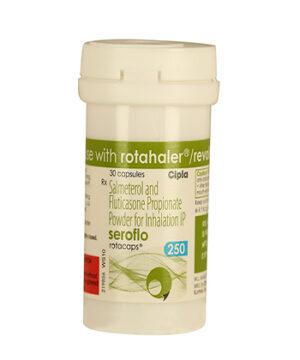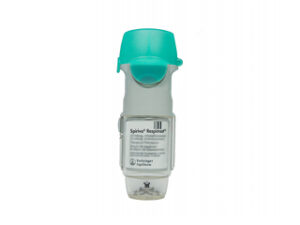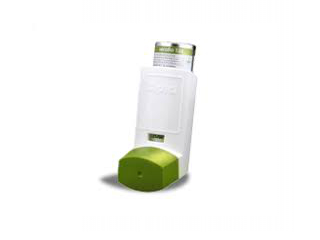
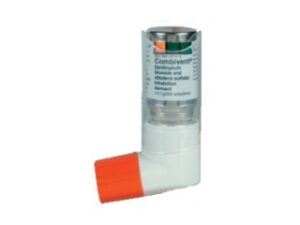
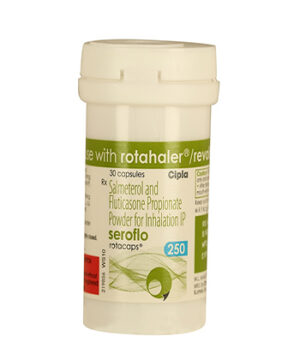
Fluticasone + Salmeterol (Fluticasone + Salmeterol) – Patient Guide (Australia)
Fluticasone + Salmeterol is a combination inhaler used to help control long-term lung conditions such as asthma and chronic obstructive pulmonary disease (COPD). It brings together: fluticasone (an inhaled corticosteroid) to reduce airway inflammation, and salmeterol (a long-acting beta2-agonist) to keep airways open for longer periods.
This guide explains what the medicine does, how it works in the body, typical uses and timing, interactions (including with food, alcohol, and other medicines), safety considerations, practical tips for using your inhaler, and options you may discuss with your clinician.
Basic product information
- Medicine name: Fluticasone + Salmeterol
- Common components: fluticasone + salmeterol
- Form: typically an inhaler (device type depends on the brand and strength)
- Therapeutic class: inhaled corticosteroid (ICS) + long-acting beta2-agonist (LABA)
- Where it’s used: Australia for long-term control of asthma and COPD (depending on the product and strength)
Strengths and device types can differ between brands (for example, different microgram doses of fluticasone per puff). Always follow the dosing written on your specific product label.
What it does (mechanism of action)
Fluticasone + salmeterol works by targeting two major drivers of breathing difficulties: inflammation and airway narrowing.
Fluticasone (inhaled corticosteroid)
- Reduces inflammation in the airways.
- Helps decrease mucus production and airway swelling.
- Over time, it reduces airway responsiveness (the tendency to overreact to triggers).
- This is a “controller” medicine: benefits build over days to weeks.
Salmeterol (long-acting beta2-agonist)
- Relaxes smooth muscle in the airways.
- Improves airflow by keeping airways dilated.
- Its bronchodilating effect is long-lasting (often providing protection for around 12 hours when dosed twice daily, depending on the product and patient).
- Relief is not immediate like a short-acting “reliever” inhaler.
Using both together improves symptom control and reduces the likelihood of flare-ups when used consistently.
Pharmacokinetics (how the body handles it)
Pharmacokinetics describes absorption, distribution, metabolism, and elimination. With inhaled medicines, most effects occur locally in the lungs, but small amounts can be absorbed into the bloodstream.
Absorption
- Local lung deposition: A portion of each inhaled dose deposits in the airways to produce the intended effect.
- Systemic absorption: Some drug is swallowed after inhalation (especially if technique isn’t optimal) and can be absorbed through the gastrointestinal tract or enters circulation from the lungs.
Distribution
- Systemically absorbed medicine binds to plasma proteins and distributes through the body.
Metabolism
- Fluticasone is primarily metabolised in the liver by the enzyme system CYP3A4.
- This matters because certain medicines that inhibit CYP3A4 can increase fluticasone levels.
Elimination
- Metabolites are excreted mainly via faeces and urine (exact proportions vary).
- Because drug exposure can be influenced by liver metabolism, interaction risk is a practical concern.
Typical use (what it’s for)
The exact indications depend on the brand, strength, and local prescribing practices in Australia. In general, fluticasone + salmeterol combination inhalers are used for:
- Asthma: for long-term control when symptoms are not adequately managed with inhaled corticosteroid alone.
- COPD: to improve lung function and help reduce symptoms and exacerbations in selected patients.
Important: this medicine is intended as a regular controller. It is not usually the first choice for immediate relief of sudden shortness of breath.
When to take it (timing and routine)
Many fluticasone + salmeterol inhalers are used twice daily (e.g., morning and evening), approximately 12 hours apart.
- Try to take it at consistent times every day.
- Do not skip doses even if you feel well—this helps maintain control.
- If you miss a dose, take it when you remember unless it’s close to the next dose. Do not take double doses.
If you often need a fast-reliever inhaler, it may indicate that asthma/COPD control needs review.
Food interactions
Food is generally not expected to cause clinically significant interactions with fluticasone + salmeterol when used as an inhaled medicine. Because the primary route is inhalation (and any swallowed fraction is typically small), most patients can take it without regard to meals.
- Take as directed: With or without food is usually acceptable.
- Technique matters: Correct inhaler use reduces how much medication is swallowed, supporting better local lung effects.
If your inhaler requires a specific procedure (e.g., use with a spacer), follow the instructions for your device rather than focusing on meal timing.
Alcohol and medicine interactions
Alcohol
Moderate alcohol intake is not typically a direct interaction with fluticasone + salmeterol. However, alcohol may:
- Worsen breathing or trigger symptoms in some people with asthma/COPD.
- Increase risk of dizziness or side effects when combined with other medicines.
If alcohol reliably makes your symptoms worse, it’s worth discussing triggers with your healthcare team.
Other medicine interactions (important)
The most clinically important interactions are related to CYP3A4 and effects on heart rhythm or beta-agonist sensitivity.
- Strong CYP3A4 inhibitors (may increase fluticasone levels): Examples can include some antifungals (e.g., ketoconazole), certain antibiotics, and some antiviral medicines. Increased steroid exposure may increase systemic steroid effects.
- Beta-blockers (especially non-selective ones): They may reduce the effectiveness of salmeterol and can worsen breathing. If beta-blockers are needed, clinicians may choose safer options and monitor carefully.
- Other medicines that lower potassium: Some diuretics or other drugs can lower potassium levels; combined effects may increase risk of rhythm issues, particularly if you also use high doses of beta-agonists.
- Medicines that affect heart rhythm: If you use other drugs known to affect QT interval or rhythm, your clinician may monitor more closely.
- Short-acting bronchodilators (relievers): These are typically used as needed for breakthrough symptoms, not as a replacement for controller use.
Always inform your healthcare provider about all medicines you take, including over-the-counter products and supplements.
Indications (who should use it)
In Australia, fluticasone + salmeterol inhalers are used to manage:
- Asthma (controller treatment to improve symptoms and reduce exacerbations in people requiring combination therapy).
- COPD (to improve symptoms and reduce exacerbations in selected patients based on lung function and symptom pattern).
Your exact suitability depends on your diagnosis, current symptom control, inhaler technique, and your medication history. If you’re unsure whether you have asthma or COPD, confirm with your clinician.
Dosing (typical dosing approach)
Dosing varies by age group, diagnosis, and the specific inhaler strength/device. Follow your product label or clinician’s instructions.
Common pattern (general): often twice daily.
| Condition | General dosing frequency | Notes |
|---|---|---|
| Asthma | Often twice daily | Used as a controller. Reliever inhaler typically used for sudden symptoms. |
| COPD | Often twice daily | Used regularly to improve symptoms and reduce exacerbations. |
Do not increase dose on your own to treat immediate breathlessness. If your symptoms worsen quickly or your reliever is needed more often, you should seek medical advice promptly.
How to use it practically (step-by-step tips)
Correct inhaler technique is one of the biggest factors in effectiveness. Below are practical tips that generally apply to inhaled combination medicines. Follow the specific instructions for your device type (some devices differ).
- Shake (if required): Some inhalers require shaking before use; check your device instructions.
- Exhale fully: Breathe out away from the device to make room for the dose.
- Seal lips around the mouthpiece: Ensure a good seal to avoid leaking medicine.
- Inhale at the right pace: For press-and-breathe devices, start a slow, deep breath when you press. For breath-actuated devices, inhale strongly as instructed.
- Hold breath briefly: Hold for as long as comfortable (often 5–10 seconds) to help deposition in the lungs.
- Wait between puffs if prescribed: Many regimens require a short wait (often around 30–60 seconds), but follow your device guidance.
- Rinse and spit after use (very important): This helps reduce the risk of oral thrush and hoarseness associated with inhaled steroids.
- Use a spacer if recommended: Spacers can improve delivery to the lungs and reduce mouth deposition.
If you’re having trouble or unsure whether you’re using the inhaler correctly, ask your pharmacist or clinician for a “teach-back” demonstration.
Safety profile (what to watch for)
Like all medicines, fluticasone + salmeterol can cause side effects. Many people tolerate it well, especially when used at the lowest effective dose and with correct technique.
Common side effects
- Hoarseness or voice changes
- Oral thrush (candidiasis)—often prevented by rinsing and spitting after inhalation
- Sore throat or cough
- Headache
- Muscle cramps or mild tremor (more related to salmeterol)
Serious or urgent symptoms (seek urgent medical help)
- Sudden worsening breathing or severe allergic-type reaction (e.g., swelling of face/lips, hives, difficulty breathing)
- Chest pain, fainting, or severe palpitations
- Rapid or irregular heartbeat that does not settle
- Symptoms of severe infection (e.g., fever with worsening cough and breathlessness)
Systemic corticosteroid effects (lower risk, but possible)
Inhaled fluticasone acts mainly in the lungs, but higher doses or prolonged use can increase the chance of systemic effects such as:
- Suppression of adrenal function (rare at typical doses but risk may rise with higher doses)
- Bone effects, cataracts, or growth effects in children (monitoring is important)
- Easy bruising or skin thinning
Your clinician may monitor for long-term safety depending on your dose, duration of therapy, age, and risk factors.
Practical use tips for best results
- Do not rely on it for sudden attacks: Keep your prescribed reliever inhaler available for acute symptoms.
- Use daily: Controller benefit depends on regular use.
- Check your inhaler technique: Review at least periodically; technique errors are common even after training.
- Rinse after each use: Helps prevent oral thrush and hoarseness.
- Keep an eye on triggers: Allergens, smoke, viral infections, cold air, and exercise can all worsen symptoms.
- Plan for sick days: If you develop a respiratory infection, symptoms may escalate—ask your clinician for a “sick plan”.
- Track symptoms: Note frequency of reliever use, nighttime waking, and how breathless you feel.
Alternative options to discuss with your clinician
Alternative therapy depends on whether you have asthma or COPD and how well your symptoms are controlled. Possible alternatives include:
- Inhaled corticosteroid (ICS) alone for some asthma patients where appropriate.
- ICS + different LABA combinations (e.g., budesonide with formoterol, depending on availability and suitability).
- Other asthma controllers (for specific patients): leukotriene receptor antagonists, long-acting muscarinic antagonists (LAMA) in some asthma regimens, or other add-on strategies.
- COPD options such as ICS/LABA alternatives, dual bronchodilator therapy (LABA/LAMA), or other COPD-focused inhaler combinations.
Switching medicines may change how quickly you feel improvement, side effects, and inhaler technique requirements. Any changes should be planned with your clinician.
Market and legal context in Australia (overview)
In Australia, inhaled therapies for asthma and COPD are widely used and are supported by established clinical practice. Product availability, brand names, and strengths can vary by market.
- Regulation: Medicines in Australia are regulated under the Therapeutic Goods Administration (TGA) framework.
- Prescribing and supply: Inhaled controllers and relievers are commonly supplied through pharmacy channels in line with Australian requirements.
- Quality and device standards: Inhaler devices are designed to deliver accurate dosing when used correctly; patient education is a key component of safe use.
Clinical guidance for asthma and COPD is periodically updated. Your pharmacist can also help you stay aware of common updates in best practice.
Recent guidance (what to know right now)
Ongoing clinical guidance in Australia and globally has focused on:
- Consistent controller use to reduce exacerbations.
- Correct inhaler technique and regular review of technique and adherence.
- Reviewing need for dose escalation or step-down based on symptom control and risk factors.
- Ensuring appropriate reliever access for breakthrough symptoms.
- Considering comorbidities (e.g., infections, reflux, allergic rhinitis) that can worsen symptoms.
If you’ve recently experienced more symptoms, it’s a good time to schedule a review of your action plan, inhaler technique, and whether any device or strength adjustment is needed.
Delivery and availability (online pharmacy notes)
Availability of fluticasone + salmeterol depends on the specific brand, strength, and inhaler device. When ordering online in Australia, consider:
- Device compatibility: Ensure the inhaler type matches what you’ve used before (e.g., press-and-breathe vs breath-actuated).
- Strength and directions: Double-check the dose and frequency listed on the product page.
- Stock timing: Delivery times may vary by supplier and location.
- Cold chain: Typically not required for inhalers unless specified for a particular product.
If you’re unsure which strength you need, compare the name and dose on your existing box or ask a pharmacist for help.
FAQ
1) Is fluticasone + salmeterol a reliever or a controller?
It is a controller medicine. It helps manage inflammation and provides long-lasting bronchodilation. A separate reliever inhaler is commonly used for sudden symptoms.
2) How soon will I feel better?
Some bronchodilation from the LABA may help within hours, but overall control from the steroid component typically builds over days to weeks. Consistent daily use is important.
3) What if I forget a dose?
Take it when you remember unless it’s nearly time for the next dose. Don’t take extra puffs to make up for the missed dose.
4) Should I rinse my mouth after using the inhaler?
Yes. Rinse your mouth and spit out after each dose to lower the risk of oral thrush and hoarseness.
5) Can I use this inhaler with a spacer?
If your device instructions recommend a spacer (or your pharmacist advises one), using a spacer can improve lung delivery and reduce how much medicine deposits in the mouth.
6) Does it interact with antibiotics or antifungals?
Some antibiotics and antifungals can affect metabolism (particularly via CYP3A4), which may increase fluticasone exposure. Always tell your healthcare provider what you’re taking.
7) Are there concerns with beta-blocker medicines?
Non-selective beta-blockers may reduce the effect of salmeterol and can worsen breathing in susceptible people. If beta-blockers are considered, clinicians usually weigh risks carefully and may choose alternative strategies.
8) Can I drink alcohol while using it?
Most people can drink alcohol without direct interaction. However, alcohol may trigger symptoms in some individuals with asthma/COPD. If you notice worsening breathing after alcohol, avoid or reduce intake and discuss with your clinician.
9) What should I do if my symptoms suddenly worsen?
Use your reliever as directed and follow your asthma/COPD action plan. If symptoms are severe, rapidly worsening, or not improving, seek urgent medical help.
10) Are there alternatives if I get side effects like thrush?
Thrush can often be prevented by rinsing and using technique correctly. If it continues, your clinician may adjust your inhaler technique, consider a spacer, review the dose, or consider alternative controller options.
Key takeaways
- Fluticasone + salmeterol helps control asthma/COPD by reducing inflammation and keeping airways open.
- Use it as a regular controller—not as immediate relief for sudden symptoms.
- Rinse and spit after each use to reduce thrush risk.
- Be aware of medicine interactions, especially those involving CYP3A4, and tell your pharmacist about all medicines you take.
- If you need your reliever frequently or symptoms worsen, request a review of your treatment plan.