
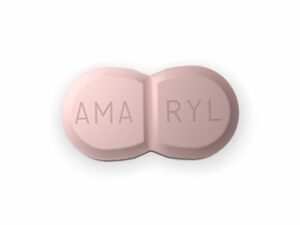
Glimepiride (Glimepiride) – Patient-Friendly Guide (Australia)
Glimepiride is a diabetes medicine used to help control blood glucose levels in people with type 2 diabetes. This guide explains how it works, when to take it, how food and alcohol can affect it, common side effects and safety points, and what to discuss with your healthcare professional.
In Australia, medicines should be used responsibly as part of a broader diabetes care plan, including diet, physical activity, and monitoring of blood glucose as advised.
Basic Product Information
Active ingredient: Glimepiride
Common form: Tablets
Medicine class: Sulfonylurea (second generation)
Who it is for: Typically used in adults with type 2 diabetes when blood glucose needs additional control
Brand names: Glimepiride may be supplied under different brand names depending on the manufacturer and supplier (your pharmacist can confirm the exact brand and strength you are receiving)
How Glimepiride Works (Mechanism of Action)
Glimepiride belongs to the sulfonylurea group. It lowers blood glucose mainly by:
- Stimulating insulin release from the pancreas (beta cells). It binds to specific receptors on pancreatic cells, helping them release insulin.
- Improving insulin sensitivity to a smaller extent in some people, supporting the body’s response to insulin.
Because glimepiride increases insulin release, one of the key safety considerations is the risk of low blood sugar (hypoglycaemia), especially if doses are too high, meals are missed, or other medicines also lower glucose.
Pharmacokinetics (How Your Body Handles It)
Pharmacokinetics describe what happens to the medicine after you take it—absorption, distribution, metabolism, and elimination.
- Absorption: Glimepiride is absorbed after oral dosing.
- Peak effect: Blood levels rise after dosing; the timing of maximal effect can vary among individuals.
- Metabolism: It is metabolised primarily in the liver.
- Elimination: Metabolites are excreted via urine and bile/feces pathways.
- Duration of action: The effect on glucose control is typically long enough to allow once-daily use for many people.
Individual response varies. Your starting dose and dose changes are usually based on your glucose monitoring and overall clinical factors (including kidney and liver function).
Typical Use in Type 2 Diabetes
Glimepiride is used to help lower blood glucose in people with type 2 diabetes. It may be used as:
- Monotherapy (alone), or
- Combination therapy with other diabetes medicines, depending on your treatment plan
It is not intended for type 1 diabetes. It is also not used for diabetic ketoacidosis.
Indications (When It May Be Used)
Glimepiride is indicated for improving glycaemic control in adults with type 2 diabetes.
Your healthcare professional will consider your glucose patterns, current medicines, and risk factors for hypoglycaemia when deciding whether glimepiride is appropriate.
When to Take Glimepiride (Timing & Routine)
Glimepiride is usually taken once daily. Many people take it with breakfast or the first main meal of the day. Following your prescribed schedule helps reduce the chance of low blood sugar.
- Take with food: Taking it with the first main meal is commonly recommended.
- Try to take it at the same time each day: This supports more consistent glucose control.
- Do not skip meals: Missing meals increases hypoglycaemia risk.
If you have a changing routine (shift work, irregular meal times), discuss the safest approach with your healthcare professional.
Dosing (General Information)
The exact dose must be individualised. Typical dosing generally starts low and is adjusted based on blood glucose results.
Important: Always follow the dosing instructions provided with your specific product and the advice of your healthcare professional.
- Starting dose: Often begins with a lower strength to assess response and reduce hypoglycaemia risk.
- Titration: Dose may be increased gradually if glucose control is not sufficient.
- Maximum dose: Maximum daily dose depends on product strength and local prescribing information.
If you miss a dose, do not double up. Instead, follow the guidance provided by your pharmacist or healthcare professional.
Food Interactions (What to Eat and Why It Matters)
Food plays an important role with glimepiride because insulin release can occur regardless of whether you eat. This is why taking glimepiride with meals is commonly recommended.
- Take with breakfast/first main meal: Helps match medicine effect with food intake.
- Consistency matters: Try to keep meal timing consistent where possible.
- If you miss a meal: Your risk of hypoglycaemia increases. Contact your healthcare professional for personalised advice.
- Diet quality: A balanced diet that supports stable carbohydrate intake helps improve overall control.
There are no “banned foods,” but severe under-eating, fasting, or inconsistent eating patterns may increase hypoglycaemia risk.
Alcohol and Medicine Interactions
Alcohol can affect blood sugar and increase the risk of hypoglycaemia in people taking glucose-lowering medicines. It may also worsen dizziness or other side effects.
- Avoid binge drinking or drinking without food.
- Monitor glucose more frequently when drinking alcohol, if advised.
- Be cautious with low-sugar beverages: alcohol can still lower glucose even if it doesn’t contain much sugar.
If you drink alcohol, discuss safe limits and best practices with your healthcare professional.
Medicine Interactions (Other Drugs That May Change Risk)
Glimepiride can interact with other medicines and supplements in ways that change glucose control or affect the risk of side effects—particularly hypoglycaemia.
Always tell your pharmacist about all medicines you take, including:
- Other diabetes medicines (including insulin)
- Some antibiotics
- Some antifungal medicines
- Non-steroidal anti-inflammatory drugs (NSAIDs)
- Blood pressure medicines (in some cases)
- Salicylates (e.g., aspirin in certain contexts)
- Beta-blockers (may mask hypoglycaemia warning symptoms such as rapid heartbeat)
- Other medicines that can affect liver metabolism
Because interaction risk varies depending on dose, kidney/liver function, and your overall regimen, your pharmacist can provide interaction checking for your specific list.
Safety Profile: Side Effects and When to Seek Help
Common side effects
- Low blood sugar (hypoglycaemia): the most important risk to watch for
- Headache
- Dizziness
- Nausea or stomach discomfort (varies by person)
Signs and symptoms of hypoglycaemia
Symptoms can vary between individuals. Common signs include:
- Shaking, sweating, feeling cold
- Hunger
- Fast heartbeat or palpitations
- Light-headedness, weakness
- Blurred vision
- Confusion, irritability, difficulty concentrating
Some people—especially those who take beta-blockers or have long-standing diabetes—may have reduced warning symptoms. If you notice fewer symptoms, ask your healthcare professional about strategies to improve safety.
Seek urgent medical help if
- You have severe confusion, fainting, seizures, or cannot safely swallow
- Your blood glucose remains very low despite taking fast-acting carbohydrate
- Symptoms suggest a severe allergic reaction (e.g., swelling of face/lips, trouble breathing, rash with breathing difficulties)
Less common but serious considerations
- Allergic reactions: report rash, swelling, or breathing difficulties promptly
- Blood count changes (rare): seek advice if you develop unusual infections, bruising, or persistent fever
- Worsening liver function (rare): report yellowing of skin/eyes or severe persistent abdominal pain
This is not a complete list of potential side effects. If you are concerned about any symptom, contact your healthcare professional or pharmacist.
Practical Use Tips (How to Use Glimepiride Safely)
- Check your blood glucose as advised: Regular monitoring helps guide dose adjustments.
- Eat regular meals: Especially when you first start glimepiride or after dose changes.
- Keep fast sugar available: Glucose tablets, gel, or sugar-sweetened drinks can help treat low glucose quickly.
- Know how you feel when glucose is low: Teach family or carers what to look for.
- Review your plan during illness: Fever, vomiting, or reduced intake can affect glucose and may change how you should take diabetes medicines.
- Be cautious with exercise: Unplanned activity can increase hypoglycaemia risk. Consider checking glucose before and after.
- Use caution with driving: If you feel “low,” check your glucose and treat before driving.
Timing During Special Situations
Starting treatment
When you begin glimepiride or after your dose is increased, watch closely for hypoglycaemia—especially during the first weeks. Your healthcare professional may recommend more frequent glucose monitoring during this period.
Missed dose
- If you miss a dose, do not take a double dose.
- Follow guidance from your pharmacist or the consumer medicine information for your product.
Changing meals or routine
If meal timing changes, discuss how to manage glimepiride safely. Irregular eating is a common trigger for low blood sugar with sulfonylureas.
Pharmacist and Healthcare Guidance in Australia
In Australia, diabetes medicines are supplied and used within a regulated healthcare framework. Your pharmacist can support safe use by:
- Checking interactions with your current medicines
- Confirming appropriate dosing frequency and timing with food
- Explaining how to recognise and manage hypoglycaemia
- Helping you understand product strengths and how to measure your dose accurately
Treatment goals and medicine choices are typically guided by clinical standards and individual risk factors. Recent diabetes management trends emphasise cardiovascular and kidney outcomes, and may influence whether sulfonylureas remain suitable for some people.
Alternative Options (Other Medicines for Type 2 Diabetes)
If glimepiride is not suitable, or if glucose targets are not met safely, there are several alternative classes. Options depend on your glucose pattern, kidney function, cardiovascular history, side effect risks, and other medical conditions.
Examples of alternatives include:
- Metformin (often first-line in many guidelines)
- DPP-4 inhibitors (lower risk of hypoglycaemia compared with sulfonylureas)
- GLP-1 receptor agonists (injectable; may assist with weight and have cardiovascular benefits for some patients)
- SGLT2 inhibitors (oral; can help with glucose and have kidney/cardiovascular benefits for selected patients)
- Insulin (effective for glucose control; requires careful monitoring)
- Other sulfonylureas (same class, different dosing characteristics)
Your healthcare professional can help decide what alternative is appropriate based on your needs. Do not switch medicines without medical advice.
Recent Guidance & Practical Considerations (Australia)
Diabetes care recommendations in Australia have increasingly focused on outcomes beyond glucose—such as reducing risk of heart disease, stroke, and kidney progression—while balancing side effects. Because glimepiride is a sulfonylurea, the risk of hypoglycaemia remains a key practical factor when choosing therapy.
People at higher risk of hypoglycaemia (for example, older adults, those with irregular meal patterns, or those taking additional glucose-lowering medicines) may be counselled to consider alternatives or use closer monitoring.
Your clinician may also review treatment goals over time, including reviewing HbA1c results and any episodes of low glucose.
Delivery and Availability (How You May Receive It)
Availability can vary by supplier and product strength. Many online pharmacies offer:
- Tablet strengths depending on stock (common strengths vary by brand/manufacturer)
- Home delivery or parcel pickup options, depending on the pharmacy’s service area
- Packaging designed for safe transport
For delivery timelines, shipping fees, and eligibility (including whether a physical prescription is required for supply), review the specific ordering details on the pharmacy website you are using. If a medicine is temporarily unavailable, reputable pharmacies will often contact you or provide an alternative option that matches your needs.
Table: Quick Facts at a Glance
| Category | Information |
|---|---|
| Active ingredient | Glimepiride |
| Medicine class | Sulfonylurea |
| Use | Type 2 diabetes to improve blood glucose control |
| Typical dosing | Often once daily, usually with breakfast or first main meal |
| Main mechanism | Stimulates insulin release from pancreatic beta cells |
| Key risk | Hypoglycaemia (low blood sugar) |
| Food interaction | Taking with food/meal timing helps reduce hypoglycaemia risk |
| Alcohol caution | Can increase risk of low blood sugar—avoid excessive alcohol and drink with food |
FAQ: Glimepiride
1. What is glimepiride used for?
Glimepiride is used to help control blood glucose in people with type 2 diabetes. It works by increasing insulin release from the pancreas.
2. When should I take glimepiride?
Many people take glimepiride once daily with breakfast or the first main meal. Following your prescribed schedule and meal timing is important for safety.
3. What happens if I miss a dose?
If you miss a dose, do not take a double dose. Take the next dose at the usual time and follow advice provided by your pharmacist or the medicine information for your product.
4. Can I take glimepiride without eating?
Taking it without food may increase the risk of hypoglycaemia. If you have difficulty eating regularly, speak to your healthcare professional for personalised guidance.
5. What are the signs of low blood sugar?
Common signs include sweating, shaking, hunger, fast heartbeat, dizziness, weakness, blurred vision, and confusion. If symptoms occur, check glucose if possible and treat promptly with fast-acting sugar.
6. Should I drink alcohol while taking glimepiride?
Alcohol can increase the risk of low blood sugar. If you choose to drink, avoid binge drinking and drink with food. Monitoring glucose and discussing safe limits with your healthcare professional is recommended.
7. Can glimepiride be taken with other diabetes medicines?
It can be used with other treatments in some people, but combination therapy may increase hypoglycaemia risk. Your healthcare professional will decide what combination is appropriate for you.
8. Are there medicines that interact with glimepiride?
Yes. Several medicines can affect glucose control or how glimepiride is processed by the body. Tell your pharmacist about all medicines, including over-the-counter products and supplements.
9. Is glimepiride suitable for everyone with diabetes?
Glimepiride is intended for type 2 diabetes. Suitability depends on your medical history, kidney/liver function, risk of hypoglycaemia, and your overall treatment plan.
10. What should I do if I have recurring low blood sugar?
Contact your healthcare professional promptly. Dose adjustments, changes in meal timing, or consideration of alternative treatments may be needed.
11. What about kidney or liver problems?
Kidney and liver function can affect diabetes medicine safety. If you have kidney disease or liver impairment, you should discuss dosing and monitoring closely with your healthcare professional.
12. Where can I find reliable product information?
Your pharmacist can provide consumer medicine information for the specific brand and strength you receive. It will include details on dosing, side effects, and precautions.
Important Safety Reminder
Glimepiride can be effective for blood glucose control, but it must be used carefully because it can cause hypoglycaemia. Always take it with the appropriate meal timing, follow dose instructions, and seek medical advice if you experience frequent low blood sugar or any concerning side effects.
If you have questions about your specific situation, speak with your pharmacist or healthcare professional for individual advice.