

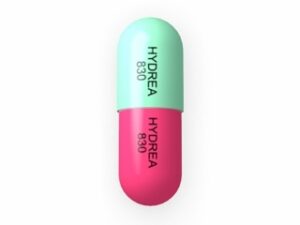

Hydroxyurea (Hydroxycarbamide) – Patient-Friendly Guide
Hydroxyurea is a medicine used for several blood-related conditions and some cancer types. It works by reducing abnormal cell growth and helping control high blood counts. Below is a clear overview of what hydroxyurea does, how it is used, how your body processes it, practical tips for taking it safely, and what to know about interactions and monitoring. This information is designed to help you understand your treatment in everyday terms.
Basic product information
| Category | Details |
|---|---|
| Generic name | Hydroxyurea (also known as hydroxycarbamide) |
| Medicine type | Antimetabolite / cytoreductive medicine (works on cell production) |
| Common form | Oral capsules or tablets (strengths vary) |
| How it is taken | Usually once daily, but your schedule depends on your condition |
| Who it is used for | Selected blood disorders and certain cancers (based on clinical indications) |
| Key monitoring needs | Blood counts (full blood count) and kidney function; sometimes liver tests |
How hydroxyurea works (mechanism of action)
Hydroxyurea belongs to a class of medicines called antimetabolites. It helps slow down the production of cells by interfering with DNA synthesis. In simple terms, it can “pause” or “slow” cell division—particularly in rapidly dividing cells.
This effect is useful when the body is producing too many abnormal blood cells or when certain cancer cells are growing rapidly. Hydroxyurea may:
- Reduce elevated blood counts (for example, platelets or red blood cells) in certain disorders
- Decrease the formation of abnormal blood cells in bone marrow
- Help lower the risk of complications related to high cell counts
Pharmacokinetics: what happens in your body
Pharmacokinetics describes how the body absorbs, distributes, metabolises, and eliminates a medicine. Hydroxyurea behaves in ways that support once-daily dosing for many patients, but individual response varies.
- Absorption: Hydroxyurea is absorbed after oral dosing. Food can influence the rate and extent of absorption (see “Food interactions” below).
- Distribution: It reaches tissues involved in blood cell production, including the bone marrow.
- Metabolism: The medicine is metabolised in the body, including conversion pathways that involve the liver and other tissues.
- Elimination: Hydroxyurea and its metabolites are cleared mainly by the kidneys. Kidney function can influence exposure, so dosing may require adjustment if kidney function is reduced.
- Half-life (general idea): Hydroxyurea’s effects last long enough for many people to take it once daily. Exact timing varies by patient.
Typical uses in Australia
Hydroxyurea is used for several conditions as determined by specialist care. The specific use depends on your diagnosis and your overall health. Common therapeutic categories include:
- Myeloproliferative neoplasms (MPNs), where blood cells are overproduced
- Sickle cell disease in selected patients to reduce complications (used internationally; Australian practice varies by clinical pathway)
- Certain cancers where cytoreductive therapy is appropriate
Your clinician will choose hydroxyurea when they believe its benefits outweigh the risks for your specific situation. Monitoring is a key part of safe use.
Indications (when it may be prescribed/used)
“Indication” means the medical reason the medicine is used. Hydroxyurea may be considered for:
- Essential thrombocythaemia: to help control high platelet counts and reduce clot-related complications.
- Polycythaemia vera: to help reduce high red blood cell production and related risks.
- Myelofibrosis (selected settings): to relieve symptoms and reduce blood cell abnormalities.
- Sickle cell disease: to increase fetal haemoglobin and reduce painful episodes and other complications in eligible patients.
- Some solid tumours and leukaemia settings: depending on treatment protocols and specialist guidance.
If you’re unsure which of these applies to you, check the diagnosis named on your treatment plan or ask your pharmacist.
How to take hydroxyurea: timing and practical routine
Many patients take hydroxyurea once daily. Consistency helps maintain steady exposure. You should follow your tailored schedule. If you miss a dose, do not double up unless your healthcare professional advises otherwise.
General timing tips
- Pick a consistent time each day (morning or evening) to help you remember.
- Use reminders (phone alarm, calendar, blister packs).
- Avoid changing your schedule without advice, especially when dose adjustments are being made based on blood counts.
Handling the medicine safely
Hydroxyurea can be harmful if it contacts skin or eyes. Safe handling is important, especially if someone else is assisting you.
- Keep capsules/tablets in their original packaging.
- Do not crush or break unless specifically instructed.
- If a dose accidentally spills, wash hands thoroughly.
- Wear gloves if you are handling broken/crushed tablets and avoid direct skin contact.
Food interactions
Food can affect how quickly hydroxyurea is absorbed. In many cases, it may be taken with or without food, but consistency is helpful. If your clinician or pharmacist has recommended a specific approach (for example, always with a meal), follow that guidance.
Practical approach:
- Choose a routine (with breakfast or after dinner) and stick to it.
- If you notice new stomach upset, discuss it with your pharmacist—adjusting timing may help.
Alcohol interactions and precautions
There is no universal rule that hydroxyurea must never be used with alcohol, but alcohol can increase strain on the body and may worsen side effects such as nausea, fatigue, or appetite changes. It can also affect the liver and general blood health.
- Limit alcohol where possible.
- Avoid binge drinking.
- Discuss your intake with your clinician—especially if you have liver problems, frequent infections, or low blood counts.
If you feel unwell after drinking (for example, dizziness, vomiting, unusual tiredness), stop alcohol and seek advice.
Medicine interactions (what to tell your pharmacist)
Hydroxyurea can interact with other medicines indirectly by affecting bone marrow and blood counts, and directly through metabolic pathways. Always tell your pharmacist about all medications you take, including over-the-counter products, vitamins, and herbal supplements.
Common interaction themes to consider
- Other medicines that affect the bone marrow: may increase risk of low white blood cells, anaemia, or low platelets.
- Chemotherapy or radiation-related regimens: may raise toxicity risk depending on the schedule.
- Drugs that stress kidneys or liver: may require monitoring or dose adjustments.
- Vaccines and infection risk: because hydroxyurea can lower immunity, vaccination timing should be discussed.
Your pharmacist can review your medication list and advise which combinations need extra monitoring.
Dosing: what “dose” usually means and why it can change
Hydroxyurea dosing is individual. Your starting dose and any later adjustments are often guided by:
- Your diagnosis and treatment goal
- Your age and overall health
- Your full blood count results (white blood cells, haemoglobin, platelets)
- Kidney function
- Whether you are taking other cancer/MPN treatments
Dose adjustments help balance effectiveness with safety. Many patients require regular blood tests, especially in the first months.
Typical dose approach (general information)
In clinical practice, hydroxyurea is often started at a dose expected to control cell counts, then modified based on blood results. Some people need a lower dose if blood counts fall too much; others may need gradual increases if blood counts are still high.
Important: Never change your dose on your own. If you experience side effects or missed doses, contact your healthcare team for advice.
Safety profile: what to expect and when to seek help
Hydroxyurea affects rapidly dividing cells, which is why it can help treat disease—but it also explains some side effects. Most patients can continue therapy safely with monitoring, but it’s important to know the warning signs.
Common side effects
- Low blood counts (can include low white blood cells, anaemia, and/or low platelets)
- Fatigue or feeling weak
- Nausea, stomach discomfort, or reduced appetite
- Headache or dizziness
- Hair thinning in some patients
- Skin changes (dryness or darkening of skin in some cases)
- Mouth sores or irritation
Serious side effects: get medical help urgently if
- Signs of infection: fever, chills, persistent sore throat, or feeling suddenly very unwell
- Unusual bleeding: nosebleeds, bleeding gums, blood in urine/stool, or widespread bruising
- Severe tiredness or shortness of breath (possible significant anaemia)
- Severe mouth ulcers or difficulty swallowing
- Allergic reaction: swelling of face/lips, rash with breathing difficulty
- Severe skin rash or blistering
Special precautions
- Infection risk: If your white blood cell count is low, infections can become serious quickly. Prompt treatment matters.
- Regular blood monitoring: Very important for safe dose management.
- Skin care: Use sun protection (see “Practical use tips”). Report new sores, ulcers, or persistent skin lesions.
Practical use tips for safer everyday care
- Attend monitoring appointments: blood tests are not optional when starting or adjusting therapy.
- Stay hydrated and maintain good nutrition, especially if nausea or appetite changes occur.
- Know your “low blood count” symptoms: unusual bruising, fever, infections, severe fatigue.
- Mouth care: keep your mouth clean; consider bland rinses if advised and report ulcers early.
- Sun protection: wear SPF and cover skin where possible; hydroxyurea can be associated with skin sensitivity and pigment changes.
- Pregnancy and breastfeeding considerations: Hydroxyurea may harm an unborn baby. If pregnancy is possible, discuss contraception and pregnancy planning promptly with your clinician. Breastfeeding should also be discussed with your healthcare team.
Alternative options (depending on your condition)
Alternatives vary significantly by diagnosis. Your specialist may choose different treatments based on how your disease behaves and your risk profile. Examples of alternatives that may be considered include:
- For myeloproliferative neoplasms: other cytoreductive medicines and targeted therapies, plus supportive care (for example, antiplatelet strategies where appropriate).
- For sickle cell disease: supportive care measures and other disease-modifying options used in specialist practice.
- For cancer indications: different chemotherapy agents, targeted therapy, or combination regimens based on tumour type and stage.
If you’re considering alternatives, the best next step is a conversation with your clinician to review which options are most suitable for your diagnosis, age, comorbidities, and lab results.
Hydroxyurea in the Australian market: legal and quality context
In Australia, medicines are regulated by the Therapeutic Goods Administration (TGA). Product availability depends on registration status, formulation, and supply arrangements. Hydroxyurea is widely used in clinical practice for appropriate indications.
Online pharmacies in Australia must comply with relevant laws and standards for dispensing, storage, and customer safety. Expect your pharmacy to:
- Confirm the medicine you are ordering
- Check suitability based on the information you provide (including allergies, current medicines, and health history)
- Provide consumer medicines information where available
- Advise on safe use, storage, and monitoring expectations
Recent guidance and monitoring trends (high-level)
While specific protocols can vary by condition and specialist service, common themes in ongoing Australian and international guidance include:
- Regular full blood count monitoring to guide dose adjustments
- Infection vigilance in the setting of potential neutropenia or immune suppression
- Attention to skin effects, including reporting persistent lesions promptly
- Individualisation of dosing for kidney function, age, and treatment goals
- Clear patient counselling about safe handling and adherence
If you have been told your dose is being adjusted, that usually reflects active safety monitoring and balancing benefits and risks.
Delivery, storage, and availability
Availability can vary by strength and formulation (capsules/tablets). For online delivery, pharmacies typically dispatch based on supplier stock. If a particular strength is temporarily unavailable, you may be offered an alternative strength with adjusted dosing only if your clinician agrees.
Delivery expectations
- Orders are commonly processed on business days, with tracking provided where possible.
- Delivery times depend on your location and courier availability.
- Some medicines may require verification steps to ensure safe dispensing.
Storage at home
- Store as directed on the pack (often at room temperature, away from moisture and heat).
- Keep out of reach of children.
- Return unused or expired medicine to a pharmacy for safe disposal.
FAQ: Hydroxyurea
1) What is hydroxyurea used for?
Hydroxyurea is used for selected blood disorders (such as essential thrombocythaemia, polycythaemia vera, and some related conditions), for some cases of sickle cell disease, and in certain cancer settings. The exact reason depends on your diagnosis.
2) How long does it take to work?
Many patients begin to see changes in blood counts within the first several weeks, but full effects vary. Your clinician will monitor your blood results and adjust the dose if needed.
3) How should I take it—morning or night?
Take it at the same time each day. Choose a time that fits your routine and tolerability (for example, with food if that reduces nausea). Your pharmacist can help you decide what’s best based on your side effects and schedule.
4) Can I take hydroxyurea with food?
Food can influence absorption. Many people can take hydroxyurea with or without food, but the safest approach is to follow your clinician’s advice and keep the timing consistent day to day.
5) What if I miss a dose?
If you miss a dose, contact your pharmacist or clinician for advice. In many cases, doubling up isn’t recommended. Follow the guidance you have been given for your specific situation.
6) What blood tests will I need?
You will typically need a full blood count to monitor white blood cells, haemoglobin, and platelets. Kidney function may also be monitored. Your clinician will set the schedule based on your condition and dose.
7) Can I drink alcohol while taking hydroxyurea?
Moderate alcohol may be acceptable for some people, but alcohol can increase the risk of stomach upset, fatigue, and added stress on the body. If you plan to drink, discuss it with your clinician—especially if you have liver issues, infections, or low blood counts.
8) What side effects should I watch for?
Watch for signs of infection (fever, chills), unusual bleeding or bruising, significant tiredness or shortness of breath, mouth sores, and persistent or worsening skin problems. Seek urgent medical help if symptoms are severe.
9) Are there special precautions for handling capsules or tablets?
Yes. Avoid contact with broken capsules/tablets and wash hands after handling. If someone else assists you, they should use gloves if tablets are crushed or capsules are opened, and avoid direct skin contact.
10) What happens if my dose is reduced or stopped?
Dose reductions or pauses are common when blood counts are low. This is often a safety measure. Your clinician will re-check blood counts and decide when to resume at a lower dose or adjust again.
11) Are there alternatives if hydroxyurea isn’t suitable?
Yes. Alternatives depend on the condition being treated. Your specialist may consider different cytoreductive medicines, supportive therapies, or other targeted options. Discuss options if you experience intolerable side effects or inadequate response.
12) How do I get hydroxyurea from an online pharmacy?
Online pharmacies may request medication and health information to ensure safe dispensing. After processing, they arrange delivery and provide instructions for use and storage. If a specific strength is unavailable, your pharmacy may contact you about options.
Summary
Hydroxyurea is an oral medicine used to control certain blood and cancer conditions by slowing cell division and reducing abnormal cell production. Its benefits rely on careful monitoring—especially blood counts—and safe, consistent use. If you take hydroxyurea, keep your routine, attend scheduled tests, protect yourself from infection, and seek help promptly for warning signs.