Karela (Bitter Melon) – Online Pharmacy Guide (Australia)
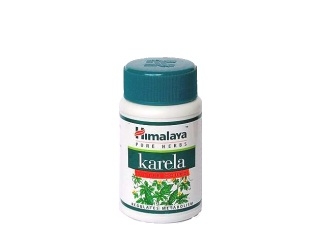
Karela is a traditional herbal remedy made from Momordica charantia (bitter melon). In Australia, Karela is commonly offered as a dietary supplement (various forms such as capsules, tablets, powders, or extracts). Many people use Karela to support healthy blood sugar levels and overall metabolic wellbeing. This guide explains how Karela works, how it’s typically used, important safety considerations, and what to know about interactions—so you can make informed choices.
Note: Product formulations vary between brands (for example, fruit powder vs. extract). Always read the specific label for your exact product strength and directions.
Key Product Information
| Product name | Karela (Bitter Melon) – supplement |
|---|---|
| Active source | Momordica charantia (bitter melon) |
| Common forms | Capsules, tablets, powders, teas, standardized extracts |
| Typical purpose | Support for healthy blood glucose and metabolic health |
| How it’s usually taken | With or before meals (depending on the product and your routine) |
| Popular reason for use | Traditionally used for “sugar balance” and digestive/metabolic support |
What Is Karela?
Bitter melon (also known as karela) is a climbing vine fruit widely used in traditional medicine across parts of Asia, Africa, and the Caribbean. The fruit has a distinctly bitter taste. In modern supplement products, the active compounds are typically derived from the fruit pulp, fruit juice, or standardized extracts.
Karela products may contain naturally occurring plant constituents such as:
- Charantin (a group of plant compounds associated with glucose-lowering activity)
- Polypeptide-p (an insulin-like component found in bitter melon)
- Momordicosides (triterpenoid compounds)
- Plant sterols and other antioxidants
Exact composition can differ substantially by brand and extraction method, which is why label strength and instructions matter.
Mechanism of Action (How Karela May Work)
Karela is studied for potential effects on glucose metabolism. While evidence varies by study design and product type, several mechanisms are commonly discussed:
- Improving insulin sensitivity: Some constituents may help tissues respond better to insulin.
- Influencing insulin secretion: Bitter melon constituents may support pancreatic beta-cell activity in some models.
- Reducing glucose absorption: There may be effects on how carbohydrates are handled in the gut, potentially affecting post-meal glucose rise.
- Antioxidant and anti-inflammatory effects: Oxidative stress and inflammation are linked to metabolic dysfunction. Karela’s plant antioxidants may contribute indirectly to metabolic support.
Important: “Natural” does not mean risk-free. Because Karela can potentially lower blood glucose, it may add to the effects of diabetes medications or cause hypoglycaemia in susceptible people.
Pharmacokinetics (What We Know About Absorption and Metabolism)
Pharmacokinetics (ADME: absorption, distribution, metabolism, excretion) for bitter melon constituents depend strongly on the form of Karela (whole fruit powder vs. standardized extract) and the specific compounds measured in studies. In general:
- Absorption: Many active constituents are biologically active plant molecules; absorption may be variable based on formulation, dose, and whether taken with food.
- Metabolism: Plant compounds are often metabolized in the liver and gut before reaching systemic circulation.
- Elimination: Metabolites are typically cleared through normal renal and hepatic pathways.
Because data can be limited and product-to-product variation is common, it’s best to follow your specific label directions and monitor how your body responds, especially if you have diabetes or take glucose-lowering medicines.
Typical Use in Australia
In Australia, people commonly use Karela as a supplement for:
- Supporting healthy blood glucose levels (particularly around meals)
- Metabolic wellbeing, including healthy weight and energy balance when paired with lifestyle measures
- Digestive and “bloating support” (traditional use in some cultures)
It is generally positioned as a complementary product rather than a standalone treatment. Results—when they occur—may take time as part of a consistent routine.
Indications (What It’s Typically Used For)
In a supplement context, Karela is usually marketed to support:
- Healthy carbohydrate metabolism
- Healthy blood sugar balance
- Overall metabolic health
Reminder: If you have diabetes, prediabetes, or symptoms of low blood sugar, discuss your plans with a healthcare professional. Karela may not be appropriate for everyone and may interact with medicines.
Dosing: How Much to Take
Dosing depends on the product form, strength, and whether it is fruit powder or an extract. Because extracts vary, dosing guidance should be taken from your specific label.
General “typical” supplement approaches include:
- Extract/capsule tablets: Often taken once or twice daily.
- Fruit powder: Often mixed into food or taken with water before or after meals.
- Tea/juice forms: Often consumed around meal times, but sugar content can vary by preparation.
Practical starting approach:
- Begin with the lowest label-recommended dose.
- Take it consistently for 1–2 weeks and assess tolerance.
- If tolerated, you may follow the label’s full dose instructions.
Do not exceed the recommended dose on the product label.
Timing: When to Take Karela
Many people take Karela around meals to support post-meal glucose balance. A common approach is:
- With or shortly before meals (especially the meal(s) that raise your glucose most)
- Consistency matters more than exact timing
If your label states “take with food,” follow that instruction to improve tolerance. If your label provides “before meals” directions, you may take it 15–30 minutes before eating.
If you experience dizziness, sweating, shakiness, or unusual weakness (possible low blood sugar symptoms), stop use and seek medical advice urgently—particularly if you use glucose-lowering medicines.
Food Interactions (What to Know)
Karela’s effects can be influenced by what you eat and how much. Consider the following:
- High-sugar/high-refined-carb diets: These can overwhelm any supplement support. For best overall results, pair Karela with balanced meals and consistent dietary patterns.
- Carbohydrate timing: If you’re taking Karela for post-meal glucose balance, timing it with meals may be more useful than taking it far away from eating.
- Tolerance: Some people experience stomach upset when taking bitter melon products on an empty stomach. Taking with food may help.
Hydration tip: Drink plenty of water with capsules/tablets unless your label says otherwise.
Alcohol and Medicine Interactions
Alcohol
There’s no universal rule that all Karela users must avoid alcohol, but it’s wise to be cautious. Alcohol can:
- Increase dizziness or stomach irritation when combined with supplements
- Potentially affect blood sugar in some people—particularly with certain diabetes treatments
Practical recommendation: If you choose to drink alcohol, keep intake moderate and avoid taking Karela at the same time if you notice stomach upset or symptoms of low blood sugar.
Interactions with other medicines
Karela may interact with medicines, especially those affecting blood glucose.
- Diabetes medicines: Karela may add to the glucose-lowering effect of medications such as insulin or oral hypoglycaemics, increasing the risk of hypoglycaemia.
- Blood sugar-lowering supplements: Combining with other products (e.g., berberine, certain “sugar support” blends) may increase the likelihood of low blood sugar.
- Medicines metabolised by the liver: Many herbal constituents may be metabolised by liver enzymes; interaction potential can exist. If you take medications with narrow safety margins, ask a pharmacist or clinician for advice.
Safety step: If you take any regular medications, particularly for diabetes or blood pressure, check compatibility with a pharmacist before starting Karela or any supplement regimen.
Safety Profile: Who Should Be Careful?
Karela is generally well-tolerated by some users, but side effects and risks can occur. Safety depends on dose, product strength, and your health conditions.
Common potential side effects
- Gastrointestinal symptoms: nausea, diarrhoea, stomach cramps, or indigestion
- Headache or mild dizziness (in some people)
- Low blood sugar symptoms: shakiness, sweating, hunger, confusion, palpitations (especially if on glucose-lowering therapy)
Who should avoid Karela or seek medical advice first?
- Pregnancy or trying to conceive: Bitter melon has traditional and theoretical concerns. Avoid unless specifically advised by a clinician.
- Breastfeeding: Safety data is limited; consult a healthcare professional.
- Children: Not generally recommended without professional guidance.
- Diabetes medication users: Higher risk of hypoglycaemia—dose adjustment may be needed.
- Individuals scheduled for surgery: Stop supplements at least 2 weeks before surgery (or as advised) due to possible blood glucose effects and general perioperative precautions.
- Liver or kidney disease: Discuss with a pharmacist/doctor before use.
Allergy: If you have known sensitivities to gourds or related plant species, exercise caution.
Practical Use Tips (How to Get the Best Results)
- Choose a reputable brand: Look for clear labeling, standardized extract information (if applicable), and recommended directions.
- Start low: Begin with the lowest label dose for better tolerance.
- Take consistently: Supplement effectiveness is more likely with consistent daily use rather than sporadic dosing.
- Monitor blood glucose if relevant: If you have diabetes or prediabetes, consider checking glucose values and note changes around the time you take Karela.
- Watch for symptoms: Any signs of hypoglycaemia or severe stomach upset mean you should stop and seek advice.
- Pair with lifestyle: Regular exercise, balanced meals, and appropriate carbohydrate choices are foundational. Karela works best as a supportive addition.
Consistency vs. expectations: Many people want rapid changes. In practice, supportive effects—if present—are more likely to develop over days to weeks.
Alternative Options
If you’re considering Karela for blood sugar support, there are other supplement and lifestyle strategies you may discuss with a pharmacist or healthcare professional.
Common alternatives (supplements)
- Berberine: Often used for metabolic support; can also lower blood sugar and interact with medications.
- Chromium (where appropriate): Sometimes used for carbohydrate metabolism; evidence varies.
- Gymnema sylvestre: Traditionally used for “sugar cravings” and glucose balance.
- Magnesium: If you’re deficient, magnesium can support metabolic health.
Non-supplement alternatives
- Dietary fibre increases: Beans, lentils, vegetables, and whole grains can reduce post-meal glucose spikes.
- Physical activity: Even short walks after meals can help glucose regulation.
- Weight management: For many people, modest weight loss can improve insulin sensitivity.
Important: Switching between supplements should be done carefully. Avoid stacking multiple glucose-lowering supplements without professional guidance.
Market and Legal Context for Australia
In Australia, herbal and vitamin-type products are typically regulated under the Australian regulatory framework for complementary medicines and listed products, depending on claims and ingredients.
How this matters:
- Claims about treatment or cure of disease are regulated. Many products are permitted only to make limited, non-therapeutic claims such as “supports” or “helps maintain.”
- Quality and safety requirements apply depending on whether a product is listed or registered and the category it falls under.
- Labelling must generally include appropriate directions for use and safety warnings.
For shoppers, the most practical approach is to:
- Check the Supplement Facts / ingredient panel.
- Confirm dose and directions match your needs.
- Verify the product is suitable for your health profile (especially if you take medications).
Recent guidance and trends: Australian guidance and broader public-health messaging increasingly emphasise cautious use of complementary medicines, especially for people who:
- Take prescribed medicines
- Have chronic conditions
- Are pregnant, breastfeeding, or planning pregnancy
Because bitter melon may influence blood sugar, the “read the label, start low, and monitor” approach is particularly relevant.
Delivery and Availability (Australia)
Karela supplements are widely available through online health and pharmacy retailers in Australia. Availability may vary by:
- Form (capsules vs powder vs extract)
- Strength/standardisation
- Stock levels and warehouse location
What to expect when ordering online:
- Packaging: Products are typically dispatched in protective packaging to preserve stability.
- Dispatch times: Many stores dispatch within 1–2 business days (depending on stock and delivery region).
- Tracking: Some orders include tracking updates.
- Storage: Store in a cool, dry place, away from direct sunlight; follow label instructions for best shelf life.
If you need help choosing the right form or strength (for example, extract vs powder), consider checking with a pharmacist or customer support team before ordering.
FAQ About Karela
1) What is Karela used for?
Karela (bitter melon) is commonly used as a supplement to support healthy blood sugar balance and metabolic wellbeing. It is often taken around meals for that reason.
2) How long does it take to see results?
Some people notice tolerance effects or changes in how they feel within days. Blood sugar support, if it occurs, is more likely to be noticeable over a few weeks of consistent use—especially alongside diet and activity changes.
3) Can I take Karela with food?
Many people take Karela with food, particularly if they experience stomach upset. If your label says “with meals,” follow that instruction. If it says “before meals,” you may take it before eating, unless you get gastrointestinal symptoms.
4) Is Karela safe for everyone?
No. People who are pregnant, breastfeeding, have diabetes and use glucose-lowering medications, or have liver/kidney disease should seek advice before using Karela. It can also cause stomach upset and may lower blood sugar.
5) Can Karela be taken with diabetes medicines?
It may increase the risk of low blood sugar. If you take insulin or oral glucose-lowering medicines, consult a pharmacist or clinician for personalised advice and possible dose adjustments.
6) What are the common side effects?
Common side effects include nausea, diarrhoea, stomach cramps, and indigestion. Watch for symptoms of hypoglycaemia (shaking, sweating, confusion), especially if taking other glucose-lowering products.
7) Can I drink alcohol while taking Karela?
Moderation is advised. Alcohol can affect blood sugar and may worsen stomach side effects in some people. If you notice dizziness, stomach upset, or low-blood-sugar symptoms, avoid alcohol and seek advice.
8) Should I stop Karela before surgery?
It’s common practice to stop supplements such as this at least 2 weeks before surgery (or as directed by your clinician) due to possible effects on blood glucose and general perioperative safety.
9) Are there different types of Karela?
Yes. Products include fruit powder, capsules/tablets, and standardized extracts. Strength and dosing vary, so label-specific directions are essential.
10) What should I do if I miss a dose?
Take the missed dose when you remember if it’s close to your next scheduled time. If it’s near the next dose, skip the missed one. Do not take double doses.
Summary: Is Karela Right for You?
Karela (bitter melon) is a popular herbal supplement in Australia, typically used to support healthy blood sugar balance and metabolic wellbeing. Its plant constituents may influence insulin sensitivity, glucose handling, and post-meal glucose rise. However, it can also cause gastrointestinal side effects and may lower blood sugar—particularly when combined with diabetes medications or other glucose-lowering products.
For safe use:
- Choose a reputable product and follow the label dose.
- Start low and take it consistently around your meals if your product is intended that way.
- If you take medications that affect blood glucose, consult a pharmacist before starting.
- Monitor how you feel and stop if you experience concerning symptoms.
If you’d like, tell me the exact Karela product form (capsule/powder/extract) and the dosing instructions on the label, and I can help you interpret how to fit it safely into your routine.