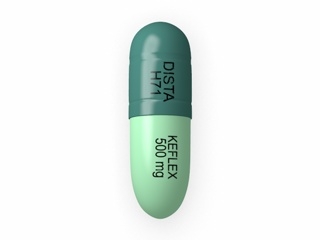

Keflex (Cephalexin) – Patient Information (Australia)
Keflex is a brand name for cephalexin, a commonly used antibiotic in the cephalosporin group. It is used to treat certain bacterial infections. This page provides patient-friendly information about how Keflex works, how it’s typically taken, what to expect, and important safety considerations.
Always follow the instructions provided by your healthcare professional and the product label. Individual dosing and duration can vary depending on the type and severity of infection, kidney function, and your medical history.
Basic product information
| Category | Details |
|---|---|
| Medicine name | Keflex (cephalexin) |
| Drug class | Cephalosporin (beta-lactam) antibiotic |
| Common forms | Oral capsules or tablets; oral liquid suspension may be available depending on brand and supply |
| How it works | Stops bacteria from building their cell walls (bactericidal) |
| Typical use | Skin, soft tissue, and some respiratory/urinary infections caused by susceptible bacteria |
How Keflex works (mechanism of action)
Cephalexin belongs to the beta-lactam family of antibiotics. Bacteria need to build and maintain a protective structure called the cell wall. Keflex targets penicillin-binding proteins (PBPs), which are involved in the final steps of cell wall construction. By interfering with this process, cephalexin causes bacteria to weaken and die—making it bactericidal (it kills bacteria rather than merely slowing them).
Keflex is effective only against infections caused by susceptible bacteria. It won’t treat viral illnesses such as common colds or influenza.
Pharmacokinetics (how your body handles Keflex)
Pharmacokinetics describes what the body does with a medicine—how it is absorbed, distributed, metabolised, and eliminated. Key points for cephalexin include:
- Absorption: Cephalexin is generally well absorbed after oral administration.
- Distribution: It can distribute into body tissues and fluids relevant to infection sites, including skin and urinary tract tissues.
- Metabolism: It is not extensively metabolised.
- Elimination: It is largely cleared by the kidneys via urine. This is why dose adjustments may be needed with reduced kidney function.
- Half-life: The elimination half-life is typically around ~1 hour in people with normal kidney function, supporting dosing schedules that maintain effective antibiotic levels.
Typical use and indications
Keflex is used for bacterial infections where the likely causative organism(s) are susceptible. Common indications may include:
- Skin and soft tissue infections (e.g., cellulitis, impetigo, infected wounds)
- Some respiratory tract infections (e.g., certain throat/tonsil or upper respiratory infections when bacterial)
- Urinary tract infections (UTIs) caused by susceptible bacteria
- Bone and joint infections in specific circumstances (as guided by clinicians)
- Other specific bacterial infections depending on local guidelines, organism susceptibility, and clinical judgement
If you’re unsure whether Keflex is suitable for your condition, ask your pharmacist or clinician. Antibiotics should be used appropriately to reduce side effects and help prevent antibiotic resistance.
When to take Keflex (timing and schedule)
Keflex is typically taken at regular intervals to maintain effective antibiotic levels. Many adult regimens are taken two to four times daily, depending on dose and the infection being treated.
Practical timing tips:
- Take at consistent times each day (e.g., morning/evening or morning/midday/evening).
- Complete the full course even if you feel better.
- If you miss a dose, take it when you remember unless it’s nearly time for the next dose. Do not double up.
- If you have trouble remembering doses, consider setting phone reminders or using a medication organiser.
Food interactions and taking with meals
Food can affect how quickly and how much medicine is absorbed. For cephalexin, taking with food is generally acceptable, and may help reduce stomach upset in some people. In many cases, cephalexin can be taken with or without food.
To optimise comfort and adherence:
- Take Keflex with a light meal or snack if it makes you feel nauseous.
- Stay hydrated—especially if the infection is urinary or you’re at risk of dehydration.
Alcohol interactions
Keflex itself does not have the same type of “disulfiram-like” reaction that some antibiotics do. However, it’s still wise to be cautious:
- Alcohol may worsen side effects such as dizziness, drowsiness, nausea, or stomach upset.
- If you’re sick, your body is already under stress—alcohol may delay recovery and can interfere with hydration.
If you choose to drink, consider limiting alcohol and avoid it if you experience side effects. If you’re uncertain, ask your pharmacist.
Interactions with other medicines
Drug interactions can change effectiveness or increase side effects. Tell your pharmacist or clinician about all medicines you take, including prescription medicines, over-the-counter products, vitamins, and herbal supplements.
Commonly discussed interactions
- Probenecid: Probenecid can reduce kidney clearance of some antibiotics, potentially increasing cephalexin levels.
- Other nephrotoxic medicines: If you take medicines that may affect kidney function, your clinician may monitor you more closely.
- Warfarin (and other anticoagulants): Antibiotics can affect gut bacteria and vitamin K balance, which may alter INR in some patients. Close monitoring may be needed when starting or stopping antibiotics.
- Oral contraceptives: Most evidence suggests non-rifamycin antibiotics do not reliably reduce contraceptive effectiveness, but severe vomiting or diarrhoea can reduce absorption. If you have significant gastro-intestinal symptoms, consider backup contraception.
Food-related considerations
- No specific food groups are universally prohibited with cephalexin, but taking it with a meal can reduce nausea.
- Maintain a normal balanced diet to support recovery.
Dosing (general guidance)
Dosing depends on your infection type, severity, age, weight (especially for children), kidney function, and local guidelines. Below are general dosing ranges commonly used in clinical practice; your healthcare professional will provide the exact regimen for you.
Adults (general examples)
- Many adult regimens are around 250 mg to 500 mg taken four times daily (every 6 hours) for some infections, or 500 mg to 1 g taken two times daily in certain circumstances depending on the prescribed schedule and indication.
- The duration often ranges from 5 to 14 days, depending on infection type and response.
Children (general examples)
Pediatric dosing is usually based on weight and infection factors. Oral suspension dosing and measuring technique are important. If using a liquid, ensure you measure doses correctly using the provided measuring device.
Kidney impairment
Because cephalexin is cleared by the kidneys, people with reduced renal function may require dose adjustments or less frequent dosing. If you have kidney disease, discuss this with your clinician.
Course completion
Even if symptoms improve quickly, stopping early can allow bacteria to regrow and increase the chance of recurrence. Unless advised otherwise, take Keflex for the full recommended time.
Safety profile (what to watch for)
Like all medicines, Keflex can cause side effects. Many people tolerate it well, but it’s important to recognise potential adverse reactions and know when to seek urgent help.
Common side effects
- Gastrointestinal upset (e.g., nausea, vomiting)
- Diarrhoea
- Headache
- Skin rash (may occur; the nature of rash matters—see below)
- Vaginal thrush or other yeast-related symptoms
Serious side effects (seek urgent medical advice)
- Signs of allergy or anaphylaxis: swelling of the face/lips/tongue, difficulty breathing, wheezing, severe dizziness, or widespread hives. If this occurs, seek emergency help immediately.
- Severe or persistent diarrhoea: watery diarrhoea, fever, or blood/mucus in stool—especially if it starts during or after treatment. This can indicate antibiotic-associated colitis.
- Severe skin reactions: blistering, peeling skin, sores in the mouth, or rash with fever or involvement of eyes.
- Yellowing of the skin/eyes or dark urine with severe fatigue (possible liver-related issues).
Allergy and cross-reactivity
People with a history of allergy to cephalosporins or penicillins should inform their healthcare professional. Allergic reactions can occur in anyone, but risk can be higher if you’ve had previous beta-lactam reactions.
Pregnancy and breastfeeding
Cephalexin is commonly used in pregnancy and breastfeeding when clinically indicated. However, individual risk/benefit decisions should be made by a healthcare professional based on your condition.
Practical use tips
- Take exactly as directed: Use the specified dose and frequency.
- Don’t stop early: Completing the course helps prevent relapse.
- Stay organised: If you’re taking multiple medicines, consider a daily checklist or an electronic reminder.
- Hydrate: Especially if you’re treating a urinary infection or experiencing vomiting/diarrhoea.
- Monitor symptoms: You should generally start to feel better within a few days. If symptoms worsen or don’t improve, contact your clinician.
- Adhere to measuring instructions for liquid: If using suspension, shake as directed and measure with the dosing syringe/cup.
What to expect during treatment
Improvement is often seen after 48–72 hours for many uncomplicated bacterial infections, though this varies. If there is no improvement, the diagnosis may need reassessment or the organism may not be susceptible.
Seek medical advice promptly if you experience:
- High fever that persists
- Rapid worsening pain, swelling, or redness
- Severe diarrhoea or dehydration
- Allergic symptoms
- New symptoms after starting Keflex
Alternatives to Keflex
The best antibiotic depends on the infection and the bacteria likely responsible, as well as patient factors like allergies and kidney function. Possible alternatives (depending on local guidance and the specific condition) may include:
- Other cephalosporins (e.g., amoxicillin-clavulanate or other beta-lactams when appropriate)
- Penicillin-class antibiotics for certain susceptible infections
- Macrolides or clindamycin in selected cases
- Nitrofurantoin or trimethoprim-sulfamethoxazole for some UTIs (when appropriate and suitable)
Your pharmacist or clinician can discuss which options may be suitable based on your diagnosis, allergy history, and susceptibility patterns. Don’t self-switch antibiotics without advice.
Market and legal context in Australia (overview)
In Australia, antibiotic supply is regulated to support safe use and reduce antimicrobial resistance. Medicines are provided through licensed supply channels, and many antibiotics require appropriate screening and guidance. Requirements may vary depending on product form, strength, and current Australian regulatory arrangements.
Local policies and guidelines may also influence prescribing decisions, including:
- Clinical assessment of whether the infection is likely bacterial
- Consideration of allergies and previous antibiotic reactions
- Adherence to antimicrobial stewardship principles
- Evaluation of infection severity and need for review
For the most up-to-date guidance, it’s best to follow recommendations from your healthcare professional and trusted Australian health resources.
Recent guidance (antibiotic stewardship and practical recommendations)
Australian healthcare teams emphasise antibiotic stewardship—using the right antibiotic, at the right dose, for the right duration. Key messages commonly reinforced include:
- Don’t use antibiotics for viral illnesses (e.g., flu, most colds).
- Take the full course unless told to stop.
- Review early if not improving after a few days.
- Use culture or testing when appropriate to target susceptible bacteria.
- Minimise unnecessary antibiotic exposure to preserve effectiveness.
If you have questions about your course, timing, or side effects, ask your pharmacist—early advice can prevent complications.
Delivery and availability (online pharmacy guidance)
Availability and delivery options can vary by supplier and product format (capsules, tablets, suspension). Many online pharmacies in Australia provide:
- Pack sizes depending on stock (strength and count may vary)
- Standard and express delivery where supported
- Discreet packaging for privacy
- Tracking updates once your order is dispatched
Delivery times depend on location, courier service, and medication stock levels. If your order is time-sensitive (e.g., you’re starting treatment soon), consider contacting customer support before placing your order.
Storage information
- Store at room temperature as directed on the label.
- Keep medicines in their original packaging to protect from moisture and light.
- Keep out of reach of children.
- If using a liquid suspension, follow the label for storage conditions after reconstitution (e.g., refrigeration and discard date may apply).
FAQ: Keflex (Cephalexin)
1) What is Keflex used for?
Keflex (cephalexin) is used for certain bacterial infections, such as some skin/soft tissue infections, some respiratory infections, and urinary tract infections caused by susceptible bacteria.
2) How quickly should I feel better?
Many people start to notice improvement within 48–72 hours. If symptoms are worsening or not improving after a few days, contact your healthcare provider.
3) Can I take Keflex with food?
Yes. Cephalexin can generally be taken with or without food. If it upsets your stomach, taking it with a meal or snack may help.
4) What if I miss a dose?
Take it when you remember unless it’s close to the next scheduled dose. Do not double the dose to make up for a missed one.
5) Is it safe to drink alcohol while taking Keflex?
There isn’t usually a strict interaction, but alcohol can worsen side effects and delay recovery. If you choose to drink, do so cautiously and avoid if it makes you feel unwell.
6) Can Keflex be used if I’m allergic to penicillin?
Allergy history matters. People with penicillin or cephalosporin allergy may be at risk of reactions to beta-lactam antibiotics. Discuss your allergy details with your pharmacist or clinician before use.
7) What side effects are most common?
Common side effects include nausea, vomiting, diarrhoea, headache, and sometimes skin rash. Report any severe or unusual symptoms promptly.
8) What should I do if I get diarrhoea?
Mild diarrhoea can occur. However, seek urgent medical advice if diarrhoea is severe, persistent, watery, or contains blood/mucus—especially during or after treatment.
9) Can I take Keflex during pregnancy or breastfeeding?
It’s often used when clinically indicated, but you should still discuss your situation with your healthcare professional to ensure it’s appropriate for you.
10) Are there alternatives if Keflex doesn’t work?
Yes. If symptoms don’t improve or the bacteria are not susceptible, a clinician may recommend a different antibiotic or further assessment. Don’t switch on your own.
Important note
This information is intended to support understanding and safe use. It does not replace medical advice. If you have questions about dosing, side effects, or interactions with your current medicines, contact a pharmacist or healthcare professional.