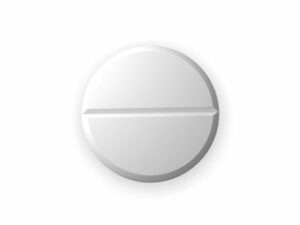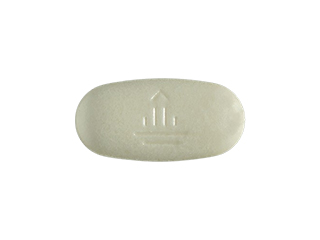


Micardis (Telmisartan) – Patient Guide (Australia)
Micardis is a brand of telmisartan, a medicine used to treat high blood pressure and to lower the risk of certain cardiovascular events in some adults. This guide explains how Micardis works, how it is used, key safety information, and practical tips for everyday use.
Important: Everyone’s situation is different. Use this information to understand the medicine, but always follow the instructions provided by your healthcare professional and the product label.
1) Basic product information
| Feature | Details |
|---|---|
| Medicine name | Micardis (telmisartan) |
| Medicine class | Angiotensin II receptor blocker (ARB) |
| Common strengths | Often supplied as tablets (strengths depend on local availability) |
| How it works | Blocks angiotensin II at the AT1 receptor |
| Typical dosing frequency | Usually once daily |
| Medicines to be careful with | Other blood pressure medicines, potassium supplements, NSAIDs in some people, and certain kidney-impacting medicines |
2) What Micardis is used for (indications)
Micardis is commonly used for:
- High blood pressure (hypertension): to help reduce blood pressure and reduce cardiovascular risk.
- Risk reduction in certain adults: in people who are at increased cardiovascular risk (for example, those with established cardiovascular disease or specific clinical profiles), as advised by their doctor.
Your clinician will choose the most appropriate treatment based on your blood pressure, medical history, kidney function, and overall cardiovascular risk.
3) Mechanism of action (how it works)
Telmisartan is an ARB. It works by:
- Blocking angiotensin II from binding to the AT1 receptor on blood vessel cells.
- Angiotensin II is a hormone that can cause blood vessels to tighten (constrict) and can raise blood pressure.
- By blocking this pathway, Micardis helps relax blood vessels and lower blood pressure.
Because it acts on the angiotensin system, it may also help reduce strain on the heart and blood vessels over time.
4) Pharmacokinetics (how the body handles telmisartan)
Pharmacokinetics describes absorption, distribution, metabolism, and excretion.
- Absorption: Telmisartan is absorbed after oral dosing. It reaches peak levels in the blood after several hours (typical peak occurs around 0.5–1.0 days depending on formulation and individual factors).
- Bioavailability: Absorption is variable; taking it consistently the same way each day helps maintain steady effects.
- Distribution: Telmisartan binds strongly to plasma proteins.
- Metabolism: It is primarily metabolised in the liver (minimal by CYP involvement compared with some other agents).
- Elimination: Telmisartan is eliminated mainly via the biliary system into the faeces, with some renal elimination.
- Half-life: The drug has a long elimination half-life, supporting once-daily dosing.
In people with kidney impairment, dosing may still be possible; however, monitoring is important—especially for potassium levels and kidney function.
5) Typical dosing and timing
Micardis is usually taken once each day. Your prescriber will specify your dose.
Common adult dosing pattern
- Initial dosing: often starts at a daily dose such as 40 mg once daily (exact starting dose depends on your blood pressure and clinical factors).
- Maintenance / adjustments: the dose may be increased to 80 mg once daily if needed to achieve target blood pressure.
- Risk reduction use: dosing is chosen based on clinical trials and individual risk factors, typically within the usual daily dosing range.
How to take it
- Time of day: You can take it at any time. Choose a time that you can remember daily (many people take it in the morning or evening).
- With or without food: Micardis can generally be taken with or without food.
- Swallow whole: Follow the tablet instructions on the label. Do not crush or split unless advised by a healthcare professional.
How soon it works
- Blood pressure may start lowering within the first days.
- Full effect is often achieved after several weeks of consistent use.
- If you miss a dose, take it when you remember unless it is close to the next dose (see FAQ for “missed dose” advice).
6) Food interactions (what to know)
Micardis is generally not restricted by food. However, food can influence absorption for some ARBs.
- Take consistently: If you prefer taking Micardis with meals, keep doing so daily. If you prefer fasting (e.g., before breakfast), keep that routine.
- Monitor your response: Consistency can reduce day-to-day variation in blood levels and help you and your clinician interpret home blood pressure readings.
If you have a sensitive stomach or experience side effects, talk to your pharmacist or clinician about strategies such as changing timing relative to meals.
7) Alcohol and medicine interactions
Alcohol can affect blood pressure and may increase dizziness or light-headedness—particularly when starting antihypertensive medicines.
- Start carefully: If you drink alcohol, be cautious at the beginning of treatment or after dose increases.
- Risk of low blood pressure: Combining alcohol with Micardis may worsen postural hypotension (feeling faint when standing).
- Hydration matters: Dehydration (from alcohol, vomiting, or diarrhoea) can increase the risk of kidney problems in susceptible people.
There are no specific “direct chemical” interactions listed for telmisartan with alcohol for most patients, but blood pressure effects are the practical concern.
8) Interactions with other medicines
Interactions can be serious. Tell your doctor and pharmacist about all medicines you use, including over-the-counter products, vitamins, and herbal supplements.
Common interaction categories
- Potassium-raising medicines and supplements: e.g., potassium supplements, potassium-containing salt substitutes, and certain diuretics that retain potassium (like spironolactone, eplerenone). Telmisartan can increase potassium levels in some people.
- Other blood pressure medicines: combining therapies may increase the chance of low blood pressure or dizziness—sometimes desirable, but often requires monitoring.
- NSAIDs (anti-inflammatory pain medicines): examples include ibuprofen, naproxen, and diclofenac. In some people—especially those with kidney impairment or dehydration—NSAIDs with ARBs can affect kidney function and raise potassium.
- Medicines that affect kidney function: combinations that change fluid balance can increase risk of kidney injury.
- Diuretics (“water tablets”): may increase risk of low blood pressure or dehydration early in treatment.
Special note for “double RAAS” therapy
Using telmisartan together with other medicines that block the renin–angiotensin system (such as another ARB or an ACE inhibitor) is generally not routinely recommended for most patients due to increased risk of kidney complications and high potassium. Your doctor will decide if any combination is appropriate for you.
9) Safety profile and common side effects
Most people tolerate Micardis well, but side effects can occur. If you feel unwell or your symptoms are severe, seek medical advice promptly.
Common or expected side effects
- Dizziness or light-headedness (often related to blood pressure lowering)
- Fatigue
- Headache
- Muscle cramps (less common)
Less common but important effects
- High potassium (hyperkalaemia): may be symptom-free but can be detected by blood tests. Signs (if they occur) include weakness, abnormal heart rhythm feelings, or tingling.
- Kidney function changes: especially in people with dehydration, existing kidney disease, or certain medications.
- Low blood pressure: may happen after the first dose or after dose increases, particularly in people who are salt-depleted or taking diuretics.
Seek urgent help if you have
- Swelling of face, lips, tongue, or throat, or trouble breathing (rare; may indicate an allergy)
- Severe dizziness or fainting
- Signs of very high potassium: such as significant weakness or palpitations
- Signs of kidney problems: reduced urine output or severe illness with vomiting/diarrhoea
10) Special populations and precautions
Kidney disease
Micardis can be used in many patients with kidney impairment, but kidney function and potassium should be monitored. If you become dehydrated (for example, during gastroenteritis), your clinician may advise temporary adjustments (“sick day” guidance—see practical tips below).
Liver disease
Telmisartan is processed largely through liver pathways. Dose adjustment may be needed in significant liver impairment. Follow clinician advice.
Pregnancy and breastfeeding
- Pregnancy: ARBs like telmisartan are generally avoided during pregnancy due to risk to the developing baby.
- Breastfeeding: guidance varies by product and patient situation; discuss with a healthcare professional.
If you could become pregnant, discuss contraception and safe alternatives early with your doctor.
11) Practical use tips (for day-to-day success)
- Take at the same time daily: This helps you remember and supports stable blood pressure control.
- Track your blood pressure: Home monitoring can help your clinician adjust therapy. Keep a log of readings and symptoms.
- Be cautious standing up: If you feel light-headed, rise slowly, especially after waking.
- Stay hydrated: Adequate fluids are important, particularly during hot weather.
- Watch for salt substitutes: Some “no-salt” products contain potassium and may not be suitable.
- Don’t stop suddenly without advice: Stopping antihypertensive therapy can lead to blood pressure worsening.
- Keep scheduled blood tests: Many patients need periodic checks of kidney function and potassium.
“Sick day” guidance (very important)
If you develop vomiting, diarrhoea, high fever, or you are unable to drink normally, dehydration can increase kidney risks with RAAS medicines like telmisartan. Many clinicians recommend temporarily withholding certain medicines during severe illness—follow your doctor’s written instructions if you have one.
If you don’t have guidance, contact your healthcare team for advice when you are unwell.
12) Missed dose, overdose, and when to contact a clinician
If you miss a dose
- Take it as soon as you remember on the same day.
- If it is close to your next dose, skip the missed dose and continue with your regular schedule.
- Do not double up to make up for the missed tablet.
If you take too much
Taking more than prescribed can increase the risk of low blood pressure, dizziness, and fainting. Contact Poison Information Centre (Australia) or seek urgent medical care if you suspect an overdose.
13) Alternative options
There are several medicine options for high blood pressure and cardiovascular risk reduction. Alternatives may include:
- ACE inhibitors (for example, enalapril, perindopril)
- Other ARBs (for example, valsartan, losartan, candesartan)
- Calcium channel blockers (for example, amlodipine)
- Thiazide-like diuretics (for example, indapamide)
- Beta-blockers (for specific indications)
The “best” alternative depends on your health conditions, lab results, other medicines, and treatment goals. If telmisartan is not suitable, your doctor can recommend a safer or more effective option for you.
14) Micardis in the Australian market: legal and guidance context
In Australia, medicines such as Micardis (telmisartan) are regulated under the Australian Therapeutic Goods Administration (TGA). Telmisartan products are supplied according to approved indications, dose forms, and patient information.
Prescribers and pharmacists follow Australian medicines guidance, and patients are encouraged to:
- Use the medicine only as directed for their personal condition.
- Be aware of monitoring needs (blood pressure, kidney function, potassium levels).
- Review medicines regularly, particularly if kidney function changes or new medicines are added.
Recent guidance considerations (high-level): Treatment decisions for hypertension and cardiovascular risk frequently incorporate updates from Australian and international clinical practice guidelines, as well as product-specific safety information. Ongoing attention is typically placed on avoiding unnecessary “double RAAS” therapy and on careful monitoring of potassium and renal function in patients at higher risk.
15) Delivery and availability (online pharmacy)
Availability of Micardis may vary depending on the strength and pack size. Many Australian online pharmacies provide:
- Standard delivery options within Australia
- Tracking updates once dispatched
- Packaging designed to protect tablets
Before ordering, check:
- The strength and quantity you need
- That your delivery address is correct
- Estimated delivery times shown at checkout
- Any local restrictions that may apply
If you have trouble finding your exact strength, contact the pharmacy for alternatives or availability timelines.
16) FAQ – Micardis (Telmisartan)
1. What is Micardis used for?
Micardis (telmisartan) is used for high blood pressure. In some adults, it is also used to reduce cardiovascular risk based on clinical criteria determined by a healthcare professional.
2. How fast does Micardis start working?
Blood pressure reduction may be noticeable within the first days, but the full effect is usually seen after several weeks of consistent daily use.
3. Can I take Micardis with food?
Yes. Micardis can generally be taken with or without food. Try to take it the same way each day for more consistent results.
4. Is Micardis a diuretic (“water tablet”)?
No. Micardis is an ARB. It works by affecting blood vessel tone and the renin–angiotensin system rather than directly causing you to pass more urine.
5. Will Micardis cause dizziness?
Dizziness can occur, particularly when starting treatment or after dose increases. Stand up slowly and avoid driving or operating machinery if you feel unwell.
6. What blood tests might I need?
Many patients require periodic monitoring of kidney function and potassium levels, especially if they have kidney disease, diabetes, are older, or take other medicines that affect potassium.
7. Can I take ibuprofen or other pain relievers with Micardis?
NSAIDs like ibuprofen can interact with ARBs in some situations, potentially affecting kidney function—especially with dehydration or higher doses or prolonged use. Ask your pharmacist or doctor for safe pain relief options.
8. Can I drink alcohol while taking Micardis?
You can, but be cautious. Alcohol may increase dizziness and raise the risk of low blood pressure, particularly early in treatment or after dose changes.
9. What should I do if I miss a dose?
Take it when you remember on the same day. If it’s nearly time for the next dose, skip the missed one. Do not double your dose.
10. Can I stop Micardis if my blood pressure improves?
High blood pressure usually requires long-term management. Do not stop without speaking to your clinician, even if readings look good.
11. Are there dietary restrictions?
There are no strict dietary restrictions for all patients, but avoid potassium-containing salt substitutes unless your doctor confirms they are safe. Maintain a balanced diet and follow any kidney-related advice given to you.
12. Is Micardis suitable for everyone?
Not necessarily. People with certain medical conditions (for example, pregnancy, significant liver disease, or specific electrolyte/kidney issues) require careful consideration. Your clinician will assess suitability.
17) Summary
Micardis (telmisartan) is a once-daily ARB used to treat high blood pressure and, for selected patients, to reduce cardiovascular risk. It works by blocking angiotensin II, helping blood vessels relax and lowering blood pressure. Most people tolerate it well, but monitoring of kidney function and potassium is important for safety—particularly when starting therapy, increasing doses, or when combined with certain medications.
If you have questions about interactions, side effects, or how to take Micardis safely with your current medicines, speak with your pharmacist or healthcare provider.