

Minipress (Prazosin) – Patient Information
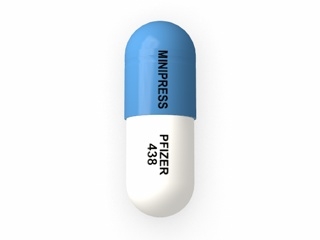
Minipress is a medicine containing prazosin. It is used to treat certain blood pressure conditions and, in some cases, symptoms related to post-traumatic stress disorder (PTSD). This page explains how prazosin works, how it is taken, common interactions, safety information, and practical tips for getting the best results.
Important: Always follow the instructions given by your healthcare professional. If you have questions about whether Minipress is right for you, speak with a clinician or pharmacist.
Quick product overview
| Feature | Details |
|---|---|
| Medicine name | Minipress (prazosin) |
| What it is | An alpha-1 (α1) adrenergic blocker |
| Main uses | High blood pressure (hypertension); PTSD-related symptoms (as advised by a clinician) |
| How it helps | Relaxes blood vessels, improving blood flow and lowering blood pressure |
| Common side effects | Dizziness, headache, sleepiness, low blood pressure, especially when starting or increasing dose |
| Key safety point | “First-dose” effect can occur—your blood pressure may drop significantly after the first dose |
| Availability (Australia) | Sold through Australian pharmacies and dispensed according to local supply arrangements and prescribing practices |
How Minipress works (mechanism of action)
Prazosin belongs to a group of medicines called alpha-1 adrenergic receptor blockers.
- Blocks alpha-1 receptors found in the smooth muscle of blood vessels.
- Blood vessels relax, which reduces resistance to blood flow.
- Blood pressure decreases, improving circulation.
In PTSD, prazosin may help reduce certain symptoms (particularly nightmares and disturbed sleep) by acting on pathways involved in stress-related adrenaline signalling. The exact way this benefits PTSD symptoms can be complex, but it centres on the medicine’s alpha-1 blocking effects.
Pharmacokinetics (how the body handles prazosin)
Pharmacokinetics describes what happens to a medicine after you take it.
- Absorption: Prazosin is absorbed after oral dosing. Blood levels rise after taking a dose.
- Time to effect: People may notice blood pressure improvements within hours of a dose. For some individuals, effects are more noticeable shortly after the first dose.
- Distribution: The medicine distributes throughout the body, including the cardiovascular system.
- Metabolism: Prazosin is metabolised in the liver.
- Elimination: Metabolites and some unchanged drug are cleared from the body, with excretion occurring via normal body elimination processes.
- Half-life: The duration of action depends on dose and patient factors; dosing schedules are designed to maintain symptom and blood pressure control.
Practical implication: Because prazosin can cause early blood pressure drops—especially when treatment starts—dose schedules often begin with lower doses and are increased gradually.
What Minipress is used for (indications)
Minipress may be used for:
- Hypertension (high blood pressure): To help lower blood pressure and reduce strain on the heart and blood vessels.
- Symptoms of PTSD: For certain PTSD-related symptoms, particularly those involving sleep disturbance such as nightmares, when recommended by a clinician.
Use depends on your individual medical history and overall treatment plan. Do not use it for other conditions unless a clinician specifically advises it.
When to take Minipress (timing and “first-dose” precautions)
Your prescriber/pharmacist may recommend taking Minipress at specific times to reduce side effects.
- Starting dose precautions: A notable drop in blood pressure can occur after the first dose, or after a dose increase. This may lead to dizziness or fainting.
- Typical timing strategy: Many people are advised to take the first dose (and sometimes each dose increase) at bedtime to reduce the risk of falls if dizziness occurs.
- Consistency: Take doses around the same time each day if your regimen is daily.
- Standing up safely: Move slowly from lying or sitting to standing, especially during the first days of treatment.
What to do if dizziness happens: If you feel light-headed after taking a dose, sit or lie down immediately and let your healthcare team know. Do not drive or operate machinery until you know how Minipress affects you.
Typical dosing (general information)
Dosing is individualised. Your healthcare professional will prescribe a dose based on your condition, blood pressure readings, response, age, other medicines, and any liver or kidney considerations.
General titration principles:
- Start with a low dose.
- Increase gradually, allowing your body time to adjust.
- Monitor for symptoms of low blood pressure (e.g., dizziness, faintness).
Common patient expectations:
- For hypertension, the goal is steady blood pressure control over 24 hours.
- For PTSD-related symptoms, the regimen is often aligned with sleep timing, but your clinician may adjust this based on your symptoms and tolerance.
Do not adjust your dose without guidance. If you miss a dose, contact your pharmacist or prescriber for advice—especially if it is near the “first dose” period of starting or after a change in dose.
Food and drink interactions
Food can affect the way medicines are absorbed. For prazosin, food is generally not a major restriction, but it is important to take the medicine the way it has been prescribed.
- Take with or without food: Many patients can take prazosin consistently either with food or without, depending on what suits them.
- Consistency matters: Keep your routine similar day to day unless advised otherwise.
- Grapefruit: Check with your pharmacist if you regularly consume grapefruit or grapefruit juice. Some medicines interact with substances in grapefruit; your pharmacist can confirm if prazosin is affected in your specific situation.
Tell your clinician about any major dietary changes and about supplements or herbal products.
Alcohol interactions
Alcohol can increase the risk of side effects with prazosin, including:
- Dizziness
- Low blood pressure
- Fainting
- Drowsiness
If you drink alcohol, consider:
- Start cautiously, especially during the first days of therapy or after a dose increase.
- Avoid binge drinking.
- Do not drive after drinking.
If you notice marked dizziness or weakness after alcohol, seek advice promptly.
Medicine interactions (important)
Minipress can interact with other medicines that lower blood pressure or affect how blood vessels respond to adrenaline signals.
Medicines that may increase the risk of low blood pressure
- Other blood pressure medicines (antihypertensives)
- Nitrates (used for angina)
- Some medicines for prostate or urinary symptoms (e.g., alpha-blockers)
- Medicines for erectile dysfunction (PDE-5 inhibitors such as sildenafil, tadalafil, vardenafil) – combination may increase the risk of significant blood pressure drops
Medicines that affect liver metabolism
Prazosin is metabolised in the liver. Some medicines can alter liver enzyme activity, potentially changing prazosin levels. Your pharmacist can review your full list of medicines.
Other important considerations
- Be cautious with sedation: If you take medicines that cause drowsiness (e.g., some antihistamines, anxiety medicines, sleeping tablets), the combination may increase dizziness or drowsiness.
- Inform your eye team before eye surgery: Alpha-1 blockers have been associated with Intraoperative Floppy Iris Syndrome (IFIS) during cataract surgery. If you have cataract surgery planned or are discussing it, let your ophthalmologist know you take prazosin.
Tip: Keep an up-to-date list of your medicines (including over-the-counter products, vitamins, and herbal supplements) and share it with your pharmacist or prescriber.
Safety profile and side effects
Most people tolerate Minipress well, but side effects are possible. Some side effects are more likely at the start of treatment or after dose increases.
Common side effects
- Dizziness (especially when standing)
- Headache
- Sleepiness or tiredness
- Low blood pressure (may feel like light-headedness or weakness)
- Palpitations in some people
Less common but important side effects
- Fainting (syncope), particularly early in treatment
- Fluid retention or swelling (uncommon)
- Allergic reactions (seek urgent help for swelling of face/lips, breathing difficulty, or widespread rash)
- Prolonged erection (priapism) is rare but can be serious—seek urgent medical care if it occurs
When to seek urgent help
Contact urgent care or emergency services if you experience:
- Fainting, severe dizziness, or inability to stand
- Chest pain, severe shortness of breath, or signs of severe allergic reaction
- Priapism (a persistent painful erection lasting longer than a few hours)
Practical use tips for safer, more comfortable treatment
- Start low and go slow: Follow your titration plan exactly.
- Bedtime dosing: If advised, take doses at bedtime—especially the first dose or after any increase.
- Stand up gradually: Sit up for a moment before standing. Take care with stairs and night-time bathroom trips.
- Hydrate appropriately: Dehydration can worsen dizziness. Follow clinician advice regarding fluids if you have heart or kidney problems.
- Check your blood pressure: If you have a home monitor, use it as directed. Track readings and report patterns (for example, very low readings or symptoms).
- Driving and machinery: Until you know how Minipress affects you, avoid driving if you feel dizzy or sleepy.
- Don’t stop suddenly: Stopping may worsen blood pressure or symptoms. If you need to stop, do so under clinical guidance.
- Cataract surgery: Tell your eye doctor you are taking prazosin.
Alternative options (depending on your condition)
Whether you are treating hypertension or PTSD-related symptoms, there are different medication and non-medication options. Your clinician may choose based on your health history, other medicines, and treatment goals.
If using Minipress for high blood pressure
Common classes of medicines used for hypertension include:
- ACE inhibitors
- Angiotensin receptor blockers (ARBs)
- Calcium channel blockers
- Thiazide-like diuretics
- Other alpha-blockers or different antihypertensive combinations (as appropriate)
If using Minipress for PTSD symptoms
PTSD management often includes:
- Psychological therapies (for example, trauma-focused approaches)
- Other medication options guided by a clinician
- Sleep support strategies (sleep hygiene, consistent routines)
If Minipress isn’t suitable for you due to side effects or interactions, ask your healthcare professional about alternatives tailored to your needs.
Market and legal context in Australia (what this means for you)
In Australia, medicines are supplied through a regulated system. The exact prescribing and supply requirements for Minipress depend on current Australian regulatory classification and clinical practice at the time of dispensing.
- Australian medication standards: The medicine should be sourced from legitimate supply channels compliant with Australian regulations.
- Professional guidance: Because prazosin can lower blood pressure and cause early dizziness, appropriate counselling and monitoring are important.
- Ongoing review: Your clinician may review your response and adjust the plan over time.
Recent guidance note: Clinical recommendations for PTSD symptom management and blood pressure targets may evolve. Your prescriber may consider the most current national or specialist guidance, including patient safety and monitoring.
Recent safety considerations and monitoring
While prazosin has a well-established safety record, healthcare professionals remain mindful of:
- First-dose hypotension: This is the key early risk; clinicians often manage it with dose timing and gradual titration.
- Interaction risk: Combining with other blood pressure-lowering medicines or PDE-5 inhibitors can increase the chance of clinically significant hypotension.
- Surgical planning: The eye surgery warning regarding IFIS is a recurring safety focus for alpha-1 blockers.
If you have new symptoms after starting Minipress, inform your clinician promptly rather than waiting for your next appointment.
Delivery and availability in Australia
Online pharmacies in Australia typically provide access to medicines through verified supply chains. Availability can vary depending on stock levels, dosage strengths, and local distribution.
- Check product strength and quantity: Minipress may be supplied in different strengths or pack sizes.
- Delivery timeframes: Delivery speed varies by location and pharmacy carrier arrangements.
- Cold chain: Minipress does not generally require special cold-chain storage, but always store it as directed on the packaging.
- Packaging: Medicines are supplied with consumer information and labels for correct use.
If you need Minipress urgently, contact the pharmacy to confirm current stock and the expected delivery schedule.
How to store Minipress
- Store at room temperature unless the label states otherwise.
- Keep away from moisture and heat.
- Keep out of sight and reach of children.
- Check expiry dates on the pack.
FAQ – Minipress (prazosin)
1) What does Minipress feel like when it starts working?
Some people notice reduced blood pressure-related symptoms or changes within hours. Others may feel dizzy or light-headed—especially after the first dose—because Minipress can lower blood pressure.
2) Why is the first dose sometimes the hardest?
At the beginning of treatment, prazosin can cause a stronger drop in blood pressure than later doses. This is why clinicians often advise bedtime dosing for the first dose and after increases.
3) Can I take Minipress with food?
Many patients can take prazosin with or without food, but the most important factor is taking it consistently as directed. If you experience stomach upset, ask your pharmacist whether taking it with food may help.
4) Can I drink alcohol while taking Minipress?
Alcohol can increase dizziness and the risk of low blood pressure. If you choose to drink, do so cautiously—particularly early in treatment or after a dose increase—and avoid driving if you feel unwell.
5) What if I miss a dose?
Advice varies depending on how soon your next dose is and whether you are in the early start/titration phase. Contact your pharmacist for guidance. If you missed doses after starting or after a change in dose, your clinician may want you to restart carefully.
6) Is Minipress used for prostate symptoms?
Prazosin is not the only alpha-blocker used for urinary symptoms; some patients may be treated with different alpha-blockers depending on the indication. Discuss your urinary symptoms with your clinician for the most suitable option.
7) Will Minipress affect driving?
It may, especially when starting or increasing the dose. Until you know how you respond, avoid driving and operating machinery if you feel dizzy or sleepy.
8) Can Minipress be taken with erectile dysfunction medicines?
Combining prazosin with PDE-5 inhibitors can significantly increase the risk of low blood pressure in some people. Always discuss this combination with your clinician or pharmacist before using them together.
9) What should I tell my eye surgeon?
Tell your ophthalmologist you take prazosin before cataract surgery or other eye procedures. Alpha-1 blockers can be associated with IFIS during surgery.
10) Are there non-medicine ways to help with PTSD sleep symptoms?
Yes. Evidence-based therapies and practical sleep strategies can complement medication. If PTSD symptoms affect your sleep, consider talking to a clinician about both psychological support and lifestyle measures (regular sleep times, reduced late-night stimulants, and calming routines).
Disclaimer: This information is general and designed to help you understand Minipress (prazosin). It does not replace advice from your healthcare professional. If you have questions about your specific situation, contact a pharmacist or clinician.