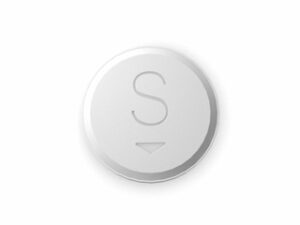
Mircette (Desogestrel / Ethinyl Estradiol) — Patient Information (Australia)
Mircette contains two hormones: desogestrel (a progestogen) and ethinyl estradiol (an oestrogen). It is used mainly for hormonal contraception and is taken by mouth as a combined oral contraceptive pill (COCP).
This page explains how Mircette works, how it is taken, what to expect, and important safety information. It is written for patient-friendly reading for people in Australia.
Quick Facts
- Medicines name: Mircette
- Active ingredients: Desogestrel + Ethinyl estradiol
- Type: Combined oral contraceptive pill (COCP)
- Main uses: Contraception; some users may also benefit from cycle control
- How it’s taken: Daily oral tablet at about the same time each day
- Key points: Missed or delayed pills can reduce protection; some medicines can reduce effectiveness
How Mircette Works (Mechanism of Action)
Mircette helps prevent pregnancy primarily by stopping ovulation. It also changes the cervical mucus and endometrium (uterine lining), making it harder for sperm to reach an egg and for a fertilised egg to implant.
- Prevents ovulation: The hormones suppress release of eggs from the ovaries.
- Thickens cervical mucus: This helps block sperm movement.
- Alters endometrium: The uterine lining becomes less suitable for implantation.
In practice, combined pills work best when taken consistently. If pills are missed, protection may be reduced—especially around the start of a new pack.
Pharmacokinetics (How the Body Handles the Medicines)
Pharmacokinetics describes how the body absorbs, distributes, metabolises and eliminates medicines. While exact values can vary between individuals, the following describes the overall behaviour of COCP components.
| Component | Absorption & Distribution (overview) | Metabolism & Elimination (overview) |
|---|---|---|
| Desogestrel | Taken orally and absorbed after administration; converted in the body to its active metabolite. | Metabolised primarily in the liver; eliminated via urine and bile/faeces. |
| Ethinyl estradiol | Absorbed after oral intake; distributed throughout the body with binding to plasma proteins. | Metabolised in the liver; eliminated through urine and bile/faeces. Some metabolites may undergo enterohepatic recycling. |
COCP hormones reach steadier levels after consistent daily dosing. Breaks between packs or missed doses can affect hormone levels and therefore cycle control and contraceptive effectiveness.
Typical Use in Australia
Mircette is typically used by people who want a reliable method of contraception and who are suitable candidates for combined hormonal contraception.
Possible benefits may include:
- More regular bleeding patterns
- Reduced period-related symptoms for some users
- Cycle predictability
Mircette does not protect against sexually transmitted infections (STIs). Condoms are still recommended to reduce STI risk.
Indications
In line with its recognised role as a combined oral contraceptive, Mircette is indicated for:
- Contraception (to help prevent pregnancy)
- Management of cycle-related issues in appropriate users, as advised by a healthcare professional
Suitability depends on personal and family history, smoking status, migraines, blood clot risk factors, and other health conditions.
Dosing & How to Take Mircette
Mircette is taken by mouth once daily. Many packs follow a structured schedule across active and placebo/non-hormonal days (depending on the specific pack format).
General dosing principles
- Take one tablet daily in the order on the pack.
- Choose a consistent time (e.g., morning or evening).
- Swallow whole with water if needed.
Starting Mircette (timing basics)
Starting rules can differ depending on whether you are switching from another contraceptive method, using postpartum contraception, or starting after a break. Below are commonly used general approaches:
- If you start early in your menstrual cycle: protection may begin quickly, depending on the exact day you start.
- If you start later: you may need a period of additional contraception (e.g., condoms) for the first several days.
- When switching from another combined pill: you usually start the next day after finishing the previous pack.
- When switching from a progestogen-only method: you may need a short overlap or backup method, depending on timing and which method you used.
If you are unsure about when protection begins for your situation, check the instructions provided with your specific Mircette pack or seek advice from a healthcare professional.
Timing and Missed Dose Guidance (Important)
Consistent timing is one of the most important factors for effectiveness. A “missed dose” can be different from a “late dose,” depending on how long the tablet is delayed.
Practical steps if you miss a tablet
- Take the most recent missed tablet as soon as you remember.
- Then continue by taking the next pill at the usual time.
- Use extra contraception (such as condoms) if you missed pills around critical days (often the first week) or missed multiple tablets.
Because missing-dose rules depend on the number of missed tablets and where you are in the pack, refer to the patient leaflet included with your Mircette supply. If you have had unprotected sex and missed pills, ask a healthcare professional for guidance on emergency contraception options.
Food Interactions
Food generally does not significantly affect how combined pills are absorbed. You can usually take Mircette with or without food.
- If you have vomiting or severe diarrhoea shortly after taking a tablet, it may not have been absorbed properly. In such cases, follow missed-dose guidance from the leaflet.
- Some people find taking the pill at a consistent time helps reduce nausea.
Alcohol and Medicine Interactions
Alcohol: Moderate alcohol intake does not typically reduce the contraceptive effectiveness of combined oral pills directly. However, heavy drinking can increase the risk of missed doses and may also worsen side effects such as nausea, dizziness, and headaches.
Medication interactions: Some medicines can reduce Mircette effectiveness by increasing hormone metabolism (often via liver enzyme pathways). This may increase the risk of unintended pregnancy.
Common interaction categories
- Antiseizure medicines (certain enzyme-inducing anti-epileptics)
- Some antibiotics and antimycobacterials (e.g., rifampicin/rifabutin—strong enzyme inducers)
- HIV treatment medicines (some combinations can affect hormone levels)
- St John’s wort (Hypericum perforatum) (a herbal product) — can lower pill effectiveness
- Some antifungals and other medicines affecting liver enzymes
What to do if you start a medicine that may interact
- Tell your pharmacist or healthcare professional you are taking Mircette.
- You may need backup contraception while on the interacting medicine and for a short period after stopping it.
- Never stop prescribed medicines without advice.
Drug–drug interaction risk depends on the exact medicine, dose, and duration. Always check interaction information with a pharmacist.
Safety Profile and When to Seek Medical Advice
Like all medicines, Mircette can cause side effects. Most are mild and improve over time, but some symptoms can signal serious problems. Seek prompt medical attention if you experience warning signs.
Common side effects
- Nausea or mild stomach upset
- Breast tenderness
- Headache
- Spotting or breakthrough bleeding (especially in the first few months)
- Changes in mood
- Changes in libido
- Fluid retention
Serious risks (blood clots and other emergencies)
Combined oral contraceptives can increase the risk of blood clots (venous thromboembolism) and, rarely, clots in arteries (e.g., stroke or heart attack), particularly in people with additional risk factors.
- Seek urgent medical help if you develop:
- Sudden chest pain or shortness of breath
- One-sided leg pain, swelling, or redness
- Sudden severe headache, vision changes, or weakness/numbness
- Signs of a severe allergic reaction (e.g., swelling of face/lips, difficulty breathing)
- Yellowing of the skin or eyes (jaundice), severe abdominal pain
Who may need extra caution
Your suitability depends on health history. Mircette may not be recommended if you have (or previously had) certain conditions, such as:
- A history of blood clots or clotting disorders
- Some types of migraine (particularly migraine with aura)
- Uncontrolled high blood pressure
- Certain liver conditions
- Known or suspected pregnancy
- Smokers above a certain age (risk increases with age and cigarette smoking)
If you’re unsure, discuss your risk factors with a healthcare professional or pharmacist.
Practical Use Tips (Get the Best Results)
- Use reminders: phone alarms, pill packs, or calendar alerts help avoid late or missed doses.
- Take at the same time daily: consistency improves cycle control and reduces error.
- Store properly: keep tablets at room temperature and protect from excessive heat and moisture.
- Know your pack layout: understand which days are active and which (if any) are non-hormonal/placebo tablets.
- Plan for missed doses: keep the leaflet at hand and know when to use backup contraception.
- Monitor breakthrough bleeding: light spotting in the first 2–3 cycles can be normal, but persistent or heavy bleeding should be reviewed.
- When starting new interacting medicines: ask about backup contraception rather than guessing.
Expected Changes in Your Cycle
It is common to notice some changes in bleeding during the first months of combined pill use. Over time, many users experience:
- More regular and predictable bleeding
- Less severe menstrual discomfort
- Fewer “random” spotting episodes
If bleeding remains very irregular after several months, or if you miss expected bleeding, consider pregnancy testing and seek advice.
Alternative Options
If Mircette does not suit you, there are other contraceptive choices available in Australia. Alternatives may include other combined pills, progestogen-only methods, and long-acting reversible contraception (LARC).
Possible alternatives
- Other combined oral contraceptives: contain different progestogens or different oestrogen doses.
- Progestogen-only pill (POP): may be suitable for some people who cannot use oestrogen.
- Hormonal IUD (levonorgestrel): long-acting, lower systemic hormone exposure for many users.
- Copper IUD: non-hormonal option.
- Implant: long-acting progestogen release.
- Contraceptive injection (where appropriate).
The best alternative depends on personal preferences, side effects experienced, medical history, and convenience.
Market and Legal Context in Australia (General)
In Australia, contraception products and other prescription medicines are regulated through the Australian regulatory and pharmacy system. Availability, prescribing requirements, and supply processes can vary by product type and category.
Some oral contraceptives may be supplied under arrangements that involve healthcare assessment and/or pharmacy review. Online pharmacies typically provide information, screening prompts, and guidance consistent with Australian legislation and professional standards.
Always ensure you receive the correct product strength and pack for your needs and check that your supply matches the intended formulation.
Recent Guidance and Practical Updates (What to Remember)
Contraception guidance evolves as new safety data and clinical recommendations emerge. In recent years, key themes across combined hormonal contraception include:
- Risk assessment: healthcare professionals increasingly focus on individual clot risk factors (smoking, migraine type, personal/family history).
- Interaction awareness: stronger emphasis on checking enzyme-inducing medicines and herbal products such as St John’s wort.
- Consistency: clear guidance on missed pills, backup contraception, and when to consider emergency contraception.
- When to stop and seek help: heightened awareness of warning symptoms related to blood clots and severe side effects.
For the most current advice, check the medicine leaflet supplied with your product and consult a pharmacist for personal guidance.
Delivery and Availability (Online Pharmacy)
Availability can vary by stock level and supply chain timing. Online pharmacies in Australia typically offer delivery to eligible locations once identity and eligibility checks are completed according to local requirements.
Delivery expectations
- Dispatch time: usually within business days, depending on local stock.
- Delivery timeframe: varies by carrier and destination area.
- Packaging: medicines are generally sent in secure, discreet packaging.
If you need your medicine urgently (for example, you’re starting a new pack), order as early as possible and check estimated delivery times at checkout.
Frequently Asked Questions (FAQ)
1) How fast does Mircette start working?
It depends on when you start in relation to your menstrual cycle and whether you are switching from another method. Some starting schedules provide protection quickly, while others require backup contraception for the first days. Refer to your pack leaflet or speak with a pharmacist for personalised timing.
2) What should I do if I start bleeding early or spotting?
Light spotting can happen in the first couple of cycles. Continue taking the pill daily. If bleeding is heavy, persistent, or you miss tablets, seek advice and consider pregnancy testing if appropriate.
3) Will Mircette protect me from STIs?
No. Combined oral contraceptives only protect against pregnancy. Condoms are recommended to help reduce STI risk.
4) Can I take Mircette while breastfeeding?
Breastfeeding timing and suitability depend on individual circumstances and health factors. Discuss options with a healthcare professional, as combined pills may not be recommended early postpartum for some people.
5) What happens if I miss tablets?
Missed or late tablets can reduce contraceptive effectiveness. The correct action depends on how many tablets were missed and where you are in the pack. Follow the missed-dose instructions in the patient leaflet and use backup contraception if advised.
6) Can I drink alcohol while taking Mircette?
Moderate alcohol intake does not usually directly reduce effectiveness. However, heavy drinking can make it easier to miss pills and may worsen side effects. If you vomit soon after taking a tablet, treat it as a missed dose.
7) Do antibiotics affect Mircette?
Some antibiotics can interact with hormonal pills. The impact depends on the specific antibiotic. Rifampicin and rifabutin are well known for reducing effectiveness. Always check with your pharmacist when starting any new medicine.
8) Are there any herbal products I should avoid?
St John’s wort can reduce hormonal pill effectiveness. Avoid using it unless your pharmacist confirms it is safe in your situation.
9) Who should not use combined pills?
Combined pills may not be suitable for some people with certain medical conditions, clotting history, uncontrolled hypertension, or migraine with aura, among others. Review your risk factors with a healthcare professional.
10) When should I seek urgent help?
Seek urgent medical attention for symptoms that could indicate a blood clot or serious adverse reaction—such as sudden chest pain, shortness of breath, one-sided leg swelling/pain, sudden severe headache, or vision changes.
Summary
Mircette (desogestrel/ethinyl estradiol) is a combined oral contraceptive that works by preventing ovulation and altering cervical mucus and the uterine lining. To get the best protection, take it consistently at about the same time every day, understand missed-dose guidance, and check for medicine interactions.
If you have questions about suitability, side effects, or timing—especially when starting, switching methods, or taking interacting medicines—speak with a pharmacist.