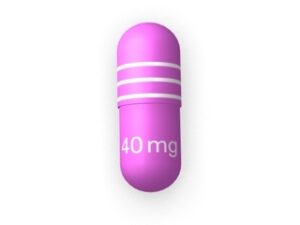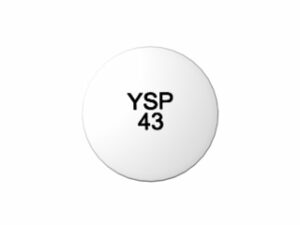



Misoprostol (Australian Pharmacy Information)
Misoprostol is a medicine used for several important conditions, most commonly in combination with other therapies in clinical settings. It belongs to the group of medicines known as prostaglandin analogues. In Australia, misoprostol is regulated and supplied according to local healthcare requirements.
This page explains how misoprostol works, typical uses, practical considerations, safety, and common questions. It is written to be patient-friendly and should be used as a general guide only. Always follow the specific instructions provided by your healthcare professional and the product label.
Quick Facts
- Medicine name: Misoprostol
- Type: Prostaglandin analogue
- Common forms: Oral tablets (strengths vary by brand)
- Key effects: Reduces stomach acid and supports uterine/cervical changes (depending on indication)
- Important: Side effects can be significant, especially for uterine-related uses
- Regulation: Availability and supply requirements apply in Australia
Basic Product Information
| Category | Information |
|---|---|
| Generic name | Misoprostol |
| Drug class | Prostaglandin E1 analogue |
| Main actions | Decreases gastric acid; increases protective mucus/bicarbonate; affects uterine and cervical tissues |
| How it is taken | By mouth or as instructed for specific clinical protocols (routes depend on indication) |
| Common side effects | Diarrhoea, abdominal cramps, nausea, vomiting, fever/chills; uterine cramping and bleeding (for uterine-related uses) |
How Misoprostol Works (Mechanism of Action)
Misoprostol mimics the effects of natural prostaglandins, particularly prostaglandin E1 (PGE1). It acts on specific receptors in different tissues:
- Gastrointestinal tract: It helps reduce stomach acid and supports the protective lining of the stomach.
- Uterus and cervix: It can cause the uterus to contract and may help ripen the cervix (soften and prepare it for labour/medical procedures).
Because its effects differ by target organ, the intended use and dosing schedule depend on the condition being treated.
Pharmacokinetics (Absorption, Metabolism, and Duration)
Understanding how the body handles misoprostol can help you appreciate why timing matters.
- Absorption: Misoprostol is absorbed after oral administration, but it is converted in the body to its active metabolite(s).
- Metabolism: It is metabolised mainly through enzymatic conversion to an active acid form.
- Onset and duration: Effects generally begin within a short period after dosing and may last for several hours, depending on the route and indication.
- Elimination: Metabolites are cleared primarily by the kidneys.
Practical implication: If a protocol requires repeat dosing, it’s because misoprostol’s active effects do not typically last all day at one dose.
Typical Uses
Misoprostol has multiple medical uses. The appropriate use depends on your situation and the clinical plan set by your healthcare provider.
1) Stomach ulcer prevention
One well-known use is to reduce the risk of stomach ulcers in people who take medicines such as non-steroidal anti-inflammatory drugs (NSAIDs)—especially if they are at higher risk of ulcers or complications.
2) Uterine-related indications (clinical protocols)
Misoprostol is also used in established medical protocols where it can help with uterine/cervical effects. In these situations, bleeding and cramping are expected and are part of how the medicine works.
Important note: Uterine-related uses require careful follow-up and clear instructions, because the timing and dose schedule are critical and side effects may be more intense.
Indications (When Misoprostol May Be Used)
- Prevention of NSAID-associated gastric ulcers in appropriate patients.
- Uterine/cervical ripening and support within specific medical protocols determined by clinical guidelines.
Indications and availability can differ by brand and regulatory framework. In Australia, product supply and prescribing practices follow local healthcare guidance.
Dosing: What to Expect
Doses vary by indication. For that reason, it’s essential to follow the specific schedule provided with your treatment and the packaging instructions.
Stomach ulcer prevention (general guidance)
- Misoprostol is often taken multiple times daily for ulcer prevention when used with NSAIDs.
- Timing with meals: Some protocols recommend taking it with food or shortly after meals to reduce stomach upset.
Uterine-related protocols
- Dosing regimens may be split into one or more steps with specific intervals.
- Because bleeding and cramping can be expected, the plan usually includes guidance on what to monitor and when to seek urgent help.
Do not adjust your dose: Taking too much or spacing doses incorrectly may increase side effects or reduce effectiveness.
Timing and Practical Use Tips
Below are practical tips that generally apply to misoprostol. Your individual plan may differ.
- Plan for side effects: Arrange time off work and access to bathroom facilities.
- Use pain relief if appropriate: Many people use approved analgesics for cramps (always check suitability for you).
- Hydration: If you experience diarrhoea or vomiting, take sips of fluids regularly.
- Use appropriate sanitary products: For uterine-related effects, bleeding can be heavy—have pads available (avoid tampons unless specifically advised).
- Follow follow-up timing: If your clinical plan includes re-checks or confirmation of outcomes, keep those appointments.
Food Interactions
Misoprostol’s side effects can include gastrointestinal upset. Food may change how you feel when taking it.
- Gastrointestinal comfort: Taking misoprostol with food (or shortly after meals) may reduce nausea and stomach discomfort for some people.
- Ulcer prevention: Many ulcer-prevention schedules include specific instructions on how to take the medicine relative to NSAID timing.
If you are taking misoprostol for ulcer prevention, it is especially important to coordinate with your NSAID dosing schedule as advised by your healthcare provider.
Alcohol and Medicine Interactions
Alcohol can worsen stomach irritation and may increase dizziness or nausea. While moderate alcohol may not directly “cancel” misoprostol’s effect, it can make side effects harder to manage.
- For stomach-related uses: It’s generally safer to limit alcohol because both NSAIDs and alcohol can irritate the stomach lining.
- For uterine-related uses: Alcohol may worsen dehydration and nausea, and it can affect your ability to assess symptoms accurately.
Other medicine interactions: Misoprostol may interact with medicines that affect hormone systems or digestion. The most important interactions are usually managed by clinicians through careful medication review. Always tell your healthcare professional (or pharmacist) about:
- NSAIDs and any stomach-protective medicines
- Blood-thinning medicines (anticoagulants/antiplatelets)
- Medicines for blood pressure or heart conditions
- Any chronic medicines, supplements, or herbal products
Safety Profile and Possible Side Effects
Like all medicines, misoprostol can cause side effects. How strongly you experience them varies by person and indication.
Common side effects
- Diarrhoea
- Abdominal cramps
- Nausea and/or vomiting
- Fever and chills (especially soon after dosing)
- Dizziness or weakness in some people
- Headache (less common)
Side effects specific to uterine-related protocols
- Vaginal bleeding (often heavier than a normal period at times)
- Uterine cramping
- Passing clots/tissue may occur as part of the process in some protocols
When to seek urgent medical help
Seek urgent medical advice (or emergency care) if you experience:
- Severe bleeding (e.g., soaking multiple pads per hour for 2 hours)
- Severe or worsening abdominal pain not controlled by your usual pain relief
- Fainting, severe dizziness, or signs of shock
- Fever that is persistent or very high, especially beyond 24 hours
- Foul-smelling vaginal discharge or severe tenderness
- Any concern that something is not right
If you are unsure, it’s always reasonable to contact a pharmacist, nurse, GP, or local urgent care service for guidance.
Precautions and Who Should Be Extra Careful
Misoprostol may not be suitable for everyone. Extra caution may be needed if you have:
- Allergy or prior reaction to misoprostol or prostaglandin medicines
- Inflammatory bowel disease or severe gastrointestinal conditions (due to diarrhoea risk)
- Severe kidney problems (active metabolites are cleared by the kidneys)
- Significant liver disease (may affect drug handling)
- Use of additional uterine-affecting medicines (requires medication review)
Always complete a medication review: Let your pharmacist or healthcare provider know all medicines you take, including over-the-counter products and supplements.
Practical Use Tips (Comfort and Monitoring)
These tips are designed to help you get through the experience safely and more comfortably. They do not replace personalised instructions.
- Prepare at home: Keep pads, pain relief (if appropriate), spare underwear, and a thermometer nearby.
- Manage cramps: Use heat packs and rest. Consider approved pain relief options based on your health profile.
- Stay hydrated: Small sips of water or oral rehydration solutions can help if diarrhoea occurs.
- Expect variability: Timing and intensity can differ across individuals.
- Know follow-up steps: If your plan includes confirmation of results, attend follow-up appointments.
- Keep a symptom note: Record bleeding amount, pain intensity, and temperature if you need to contact a clinician.
Alternative Options
Alternatives depend on the indication. Your healthcare professional can advise which option is most appropriate for your situation and health history.
For stomach ulcer prevention (NSAID-related)
- Proton pump inhibitors (PPIs) (e.g., medicines that reduce stomach acid)
- H2-receptor antagonists (less potent acid reduction for some people)
- NSAID adjustment (switching NSAIDs, lowering dose, or using gastroprotective strategies)
For uterine/cervical indications
- Clinical protocols using other prostaglandins or different administration routes
- Procedural options where appropriate (recommended based on clinical assessment)
Choosing alternatives should consider effectiveness, side effects, timing, and your personal circumstances.
Misoprostol in Australia: Market, Regulation, and Legal Context
Medicine availability in Australia is governed by local regulatory frameworks and prescribing/supply processes. Misoprostol is an established medicine in many countries and is used within defined clinical protocols.
- Regulatory oversight: Medicines are assessed for safety, quality, and effectiveness.
- Supply controls: Access may depend on brand, indication, and healthcare supervision requirements.
- Patient safety: Clinicians and pharmacists play a key role in screening suitability, counselling on expectations, and ensuring appropriate follow-up.
If you have questions about availability, your pharmacist can explain what documentation or steps may be required for supply in your specific case.
Recent Guidance and Clinical Considerations
Clinical guidance can evolve as new evidence emerges and as health authorities update recommendations. In uterine-related protocols, guidelines typically emphasise:
- Appropriate patient selection and assessment of risk factors
- Clear counselling on expected bleeding and cramping
- Safety-netting for warning signs (heavy bleeding, persistent fever, severe pain)
- Follow-up when recommended to confirm outcomes
For stomach ulcer prevention, guidance generally focuses on:
- Reducing ulcer risk in people taking NSAIDs who are at higher risk
- Balancing benefits with tolerability (diarrhoea can limit adherence for some)
- Coordinating with NSAID choice and dosing
Your healthcare professional can confirm the current, indication-specific guidance used in Australia.
Delivery and Availability (Online Pharmacy Information)
Online pharmacy availability can vary depending on stock levels and the medicine’s regulatory status. When ordering:
- Check product details: Confirm the brand/strength listed and the form (tablet strength) before placing your order.
- Delivery timeframes: Times vary by location and dispatch schedule; allow extra time for remote areas.
- Packaging: Medicines should arrive in secure packaging with clear labelling and patient information.
- Storage: Store as directed on the packaging (often at controlled room temperature and away from moisture/heat).
Contact us: If you have questions about delivery or product selection, a pharmacist can help you choose the correct item and explain how to use it safely.
FAQ
Is misoprostol safe to use?
Misoprostol can be safe when used appropriately for an approved indication and when patient factors are considered. Side effects are common, and in some uterine-related protocols bleeding and cramping are expected. Seek urgent care if you experience severe bleeding, persistent high fever, or severe pain that worries you.
What side effects are most common?
Common effects include diarrhoea, nausea, abdominal cramps, and fever/chills. For uterine-related protocols, bleeding and uterine cramping are typical. If you develop symptoms that are severe or persist, contact a healthcare professional.
How soon do side effects start?
For many people, gastrointestinal side effects and cramps can begin within a short time after taking the medicine. Fever/chills may also occur. Timing varies by indication and individual response.
Can I take misoprostol with food?
For some indications—particularly ulcer prevention—taking misoprostol with food (or after meals) may improve tolerability. Follow the specific instructions for your product and your treatment plan.
Should I avoid alcohol?
It’s generally a good idea to limit alcohol because it may worsen stomach irritation, nausea, dizziness, and dehydration. Alcohol can also make it harder to monitor symptoms accurately.
Can I drive after taking misoprostol?
If you feel unwell, dizzy, or are experiencing significant cramps or fever, you should avoid driving and use safe transportation. Side effects vary, so consider your own symptoms and reaction.
What should I do if I miss a dose?
Because dosing schedules differ by indication, the safest option is to follow the exact guidance provided with your treatment. Contact a pharmacist or healthcare professional for advice specific to your regimen.
How long does bleeding or cramping last (for uterine-related protocols)?
Duration and intensity vary. Some people experience heavier bleeding and stronger cramps for a period, then it gradually reduces. Persistent heavy bleeding or severe pain should be assessed promptly.
When should I seek follow-up?
If your plan includes follow-up to confirm outcomes or monitor recovery, keep that appointment. Also seek advice urgently if warning signs occur (heavy bleeding, persistent fever, severe pain, or concerning discharge).
Are there alternatives to misoprostol?
Yes—alternatives depend on the indication. For ulcer prevention, acid-reducing medicines such as PPIs may be considered. For uterine/cervical protocols, other medicines or procedures may be used depending on clinical assessment.
Important Final Notes
Misoprostol is a potent medicine with effects that can be felt physically. The safest and most effective use is always through correct indication, correct dosing schedule, and appropriate monitoring.
- Read the patient information provided with the product.
- Keep your contact details updated with your healthcare provider.
- If you are unsure about any symptom or side effect, seek advice early.
For urgent concerns: contact local urgent care services or emergency assistance as appropriate in Australia.