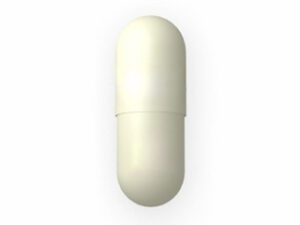
Mobic (Meloxicam) – Patient Information (Australia)
Mobic is the brand name for meloxicam, a medicine from the non-steroidal anti-inflammatory drug (NSAID) family. It is used to relieve pain and inflammation in certain conditions such as osteoarthritis and rheumatoid arthritis. This guide is designed to be patient-friendly and to help you understand how Mobic works, how to take it safely, and what to watch for while using it.
Always follow the directions provided by your healthcare professional or pharmacist and read the Consumer Medicine Information (CMI) leaflet included with your product.
At a Glance
- Active ingredient: Meloxicam
- Medicine type: NSAID (anti-inflammatory pain relief)
- Common uses: Osteoarthritis, rheumatoid arthritis, and other inflammatory joint conditions
- How it helps: Reduces inflammation and pain by affecting prostaglandins
- Typical dosing frequency: Usually once daily (exact dose depends on your condition and risk factors)
Basic Product Information
| Feature | Information |
|---|---|
| Brand | Mobic |
| Generic name | Meloxicam |
| Drug class | NSAID (selective COX-2 predominant) |
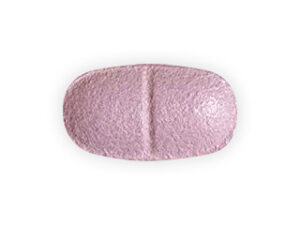
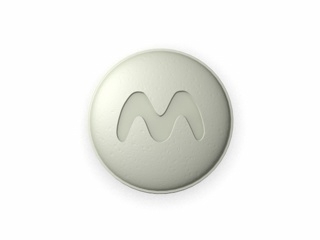
| Common dosage forms | Tablets (strength varies by product) |
| Key benefit | Relieves pain and inflammation associated with arthritis |
How Mobic Works (Mechanism of Action)
Mobic (meloxicam) helps reduce pain and inflammation mainly by blocking the formation of certain chemicals called prostaglandins. Prostaglandins play a role in pain signalling and inflammation.
Meloxicam inhibits enzymes known as cyclo-oxygenase (COX)—particularly COX-2 (to a greater extent than COX-1 at lower to moderate doses). COX-1 is involved in protecting the stomach lining and supporting kidney blood flow. Because NSAIDs can still affect COX-1, stomach irritation and kidney effects remain possible, especially with higher doses or in people at higher risk.
Pharmacokinetics (Absorption, Distribution, Metabolism, Elimination)
Understanding how meloxicam moves through the body can help you anticipate effects and timing. While individual responses vary, general pharmacokinetic features include:
- Absorption: Meloxicam is absorbed after oral dosing. Peak blood levels typically occur within a few hours (timing varies by formulation and whether it’s taken with food).
- Distribution: Meloxicam is widely distributed in the body and binds to plasma proteins (meaning much of the medicine travels in the bloodstream attached to proteins).
- Metabolism: It is metabolised mainly in the liver.
- Elimination: Meloxicam and its metabolites are eliminated through urine and faeces.
- Half-life: The drug’s elimination half-life is commonly reported in the range of roughly one to two days, supporting once-daily dosing for many patients.
Practical meaning: Once daily dosing often maintains therapeutic levels over 24 hours. If you miss a dose, take it when remembered unless it is close to the next dose—do not double up.
Typical Uses and Indications (What It’s For)
Mobic is used to relieve symptoms related to inflammatory and degenerative joint conditions, including:
- Osteoarthritis: Pain and inflammation associated with wear-and-tear of joints (commonly knees, hips, and spine).
- Rheumatoid arthritis: Inflammatory arthritis that can affect multiple joints.
- Other inflammatory joint conditions as determined by your healthcare professional and based on the approved product information for Australia.
Important: Mobic is intended to treat symptoms (pain and inflammation). It does not cure arthritis, but it can help you function better and reduce discomfort.
When to Take Mobic (Timing and Missed Dose)
Typical timing: Many people take meloxicam . Take it at the same time each day to keep levels steady.
How long it takes to feel an effect:
- Some people notice improvement within the first day.
- For others, full benefit may take several days as inflammation settles.
If you miss a dose:
- Take the missed dose when you remember.
- If it is close to your next dose, skip the missed dose.
- Do not take two doses together to make up for the missed one.
If symptoms worsen or you develop new symptoms: stop and seek advice from a clinician promptly, especially if you feel unwell, have bleeding, or develop severe abdominal pain.
Food Interactions: Can You Take Mobic With Meals?
Mobic may be taken with or without food, but taking it with food can help reduce stomach discomfort for some people.
- If your stomach is sensitive: consider taking it after a meal or with food.
- Avoid taking on an empty stomach if you have a history of gastritis or ulcers unless advised otherwise.
General note: While food may affect absorption timing, it usually does not substantially change the overall effect for most people. What matters most is reducing irritation and improving tolerance.
Alcohol and Medicine Interactions
Alcohol
Alcohol can increase the risk of stomach irritation and gastrointestinal bleeding when combined with NSAIDs. It may also worsen dizziness or impair judgement, particularly if you are also taking other medicines that affect alertness.
- Best approach: limit or avoid alcohol while taking Mobic.
- If you choose to drink, do so cautiously and in low amounts, and stop alcohol if you notice stomach pain, heartburn, or black/tarry stools.
Common interacting medicines (important)
Mobic can interact with several medicines, some of which may increase bleeding risk, raise kidney stress, or raise meloxicam levels. Tell your pharmacist or doctor about all medicines you take, including over-the-counter products and supplements.
- Other NSAIDs (e.g., ibuprofen, naproxen, diclofenac): Do not combine unless specifically advised, because it increases stomach and kidney risks.
- Aspirin (if used for pain): increased bleeding/stomach risk. If aspirin is prescribed for heart/stroke protection, do not stop it without medical advice.
- Blood thinners (e.g., warfarin): increased risk of bleeding.
- Anti-platelet medicines (e.g., clopidogrel): may increase bleeding risk.
- SSRIs/SNRIs (some antidepressants): can increase the risk of bleeding when combined with NSAIDs.
- Corticosteroids (e.g., prednisone): may increase risk of stomach ulcers or bleeding.
- Diuretics (e.g., hydrochlorothiazide, furosemide): NSAIDs can reduce kidney protection, increasing kidney risk.
- ACE inhibitors/ARBs (blood pressure medicines, e.g., perindopril, enalapril, losartan, valsartan): combined use can increase kidney stress.
- Lithium: NSAIDs can raise lithium levels, increasing toxicity risk.
- Methotrexate: NSAIDs may increase methotrexate levels; monitoring may be needed.
- Cyclosporin/tacrolimus: may increase kidney risk.
- Cholestyramine: may affect meloxicam absorption (timing adjustments may be needed).
Kidney and heart risk note: If you have chronic kidney disease, heart failure, or are older, you may need extra monitoring when using NSAIDs. Discuss your risk profile with your pharmacist or doctor.
Dosing (How Much to Take)
Dose should be matched to your condition and your risk factors. Always follow the product label and healthcare advice.
General dosing principles:
- Lowest effective dose for the shortest possible time is commonly recommended for NSAIDs to reduce risk.
- Many patients take meloxicam once daily.
- Doses may vary between osteoarthritis and rheumatoid arthritis depending on symptom severity.
Do not exceed the recommended dose listed on your medication pack or in the CMI.
Missed dose: If you miss one dose, take it when you remember. If it’s near the next dose, skip the missed dose—do not double.
Special populations:
- Elderly: higher risk of stomach bleeding and kidney issues—may require lower dosing and closer monitoring.
- Kidney or liver impairment: may require dose adjustment and caution.
- Children and adolescents: suitability depends on age and the approved indications for the specific product—seek professional advice.
Safety Profile and Warnings
Like all medicines, meloxicam can cause side effects. Most are mild, but some can be serious. If you experience serious symptoms, seek urgent medical attention.
Common side effects
- Stomach upset, indigestion
- Heartburn
- Nausea
- Mild dizziness
- Headache
Serious side effects (seek urgent help)
- Signs of gastrointestinal bleeding:
- black/tarry stools
- vomiting blood or material like “coffee grounds”
- severe stomach pain
- Allergic reactions such as facial/lip swelling, wheezing, or rash with breathing difficulty.
- Serious skin reactions (rare) such as blistering or peeling.
- Kidney problems:
- reduced urination
- swelling of feet/ankles
- unexplained fatigue or breathlessness
- Signs of high blood pressure/heart complications:
- chest pain
- shortness of breath
- weakness on one side of the body
When to be extra cautious
Talk to a clinician before using Mobic if you have any of the following:
- Current or past stomach ulcers or gastrointestinal bleeding
- History of reaction to NSAIDs or aspirin
- Kidney disease
- Heart disease, stroke history, or high cardiovascular risk
- Uncontrolled high blood pressure
- Asthma triggered by NSAIDs
- Dehydration (e.g., vomiting/diarrhoea, poor fluid intake)
Practical Use Tips (Getting the Best Results Safely)
- Stay hydrated: especially if it’s hot or you’ve been unwell, as dehydration can increase kidney risk.
- Use heat and gentle movement alongside medication for joint pain (as recommended for your condition).
- Track symptoms: note pain levels and any side effects, especially during the first week.
- Do not combine NSAIDs: avoid taking ibuprofen/naproxen/diclofenac at the same time unless directed.
- Consider stomach protection strategies if you have risk factors—ask your pharmacist about options.
- Avoid missing doses intentionally to “test” tolerance: consistent use as advised generally provides clearer benefit and smoother symptom control.
- Be careful with other pain products: many “cold and flu” and pain relievers contain NSAIDs—check ingredients.
Alternative Options for Joint Pain and Inflammation
If Mobic isn’t suitable due to side effects, interactions, or lack of benefit, there may be other options. Alternatives depend on your diagnosis, medical history, and current medicines.
Common alternatives
- Other NSAIDs: different agents may be better tolerated by some people, though risks are class-related.
- Paracetamol (acetaminophen): may help with pain, with less stomach bleeding risk than NSAIDs, but it does not reduce inflammation to the same extent.
- Topical NSAIDs (e.g., gels/creams): can be useful for certain osteoarthritis areas and may reduce systemic side effects.
- Non-drug approaches:
- physiotherapy and strengthening exercises
- weight management (where relevant)
- assistive devices and activity modification
- heat or cold therapy
Long-term inflammatory arthritis treatment
For conditions like rheumatoid arthritis, anti-inflammatory medicines and disease-modifying therapies may be needed beyond NSAIDs. Discuss a comprehensive plan with your healthcare professional.
Alcohol and Medicine Interaction Summary (Quick Checklist)
- Alcohol: limit/avoid—higher risk of stomach irritation and bleeding with NSAIDs.
- Other NSAIDs: generally avoid combining.
- Blood thinners/antiplatelets: increased bleeding risk—extra caution required.
- Blood pressure/kidney medicines: interactions can stress kidneys—monitoring may be needed.
- Some antidepressants (SSRIs/SNRIs): may increase bleeding risk.
Market and Legal Context for Australia
In Australia, medicines are regulated under the Therapeutic Goods Administration (TGA) framework. Products that contain meloxicam may be supplied as pharmacy items, depending on formulation and strength, and may require pharmacist assessment or additional documentation depending on the product category and current Australian rules.
What this means for customers:
- Some NSAID brands may be available from pharmacies and online pharmacies with appropriate checks.
- Online supply commonly involves identity and eligibility verification, and may include clinical screening prompts to confirm safe use.
- Always ensure you select the correct strength and form for your intended use and follow the pack instructions.
Consumer safety principle: NSAIDs can pose risks to the stomach, kidneys, and cardiovascular system, so safe use screening is an important part of Australian medicine access.
Recent Guidance and Ongoing Safety Awareness
In Australia and internationally, safety guidance for NSAIDs has continued to emphasise:
- Using the lowest effective dose for the shortest effective duration.
- Avoiding NSAID stacking (taking multiple NSAIDs together).
- Recognising higher-risk patients (elderly, history of ulcers, kidney impairment, cardiovascular disease).
- Prompt attention to warning signs such as black stools, severe abdominal pain, swelling, or shortness of breath.
Product information and healthcare advice may be updated over time. For the most accurate and current information, review the CMI and speak with a pharmacist.
Delivery and Availability (Online Pharmacy in Australia)
Availability and delivery options can vary between online pharmacies. When ordering Mobic (meloxicam) in Australia, you can typically expect:
- Stock availability checks: commonly shown during checkout.
- Shipping timeframes: depend on location (metropolitan vs regional) and courier services.
- Packaging: shipped in secure packaging to protect tablets and comply with handling requirements.
- Cold chain: usually not required for tablets.
Tip: keep your medication in a cool, dry place and away from sunlight. Check the expiry date on arrival.
FAQ – Mobic (Meloxicam)
1. Is Mobic the same as meloxicam?
Yes. Mobic is a brand that contains meloxicam as its active ingredient.
2. How quickly does Mobic start working?
Many people notice pain relief within the first day. Full benefit may take several days, depending on the condition and how inflamed the area is.
3. Can I take Mobic with food?
Yes. Taking Mobic with food may help reduce stomach discomfort. If you’re prone to indigestion, consider taking it after meals.
4. Can I take ibuprofen or naproxen with Mobic?
In general, you should avoid combining NSAIDs (including ibuprofen/naproxen) unless your doctor or pharmacist specifically advises it. Combining increases the risk of stomach bleeding and kidney problems.
5. What should I do if I forget a dose?
Take it when you remember. If it’s nearly time for your next dose, skip the missed dose. Do not double up.
6. Does Mobic work for all types of arthritis?
Mobic can help with pain and inflammation related to conditions like osteoarthritis and rheumatoid arthritis. However, arthritis treatment plans may also include other medicines, especially for inflammatory arthritis.
7. Who should be extra cautious with Mobic?
People with a history of stomach ulcers or bleeding, kidney disease, heart disease, high cardiovascular risk, or those taking certain interacting medicines should use caution and seek advice.
8. Are there warning signs I should watch for?
Seek urgent medical attention if you develop black/tarry stools, vomiting blood, severe abdominal pain, swelling of the face, wheezing, severe skin reactions, reduced urination, or chest pain/shortness of breath.
9. Can I drink alcohol while taking Mobic?
It’s best to avoid or limit alcohol because it can increase stomach irritation and bleeding risk when used with NSAIDs.
10. Is it safe to use Mobic for a long time?
Long-term NSAID use may carry increased risk. If you need treatment beyond short-term use, discuss the safest duration and monitoring plan with a healthcare professional.
Need help choosing or using Mobic? If you have questions about timing, interactions, or side effects, contact your pharmacist. They can help review your current medicines and advise on safer pain-relief options for your situation.