
Molnunat (Molnupiravir) — Patient-Friendly Guide
Molnunat contains molnupiravir, an antiviral medicine used to treat certain adults with mild to moderate COVID-19 who are at higher risk of becoming seriously unwell. This guide explains what Molnunat is, how it works, how it’s taken, important safety considerations, and practical tips for everyday use in Australia.
Note: Recommendations can change as new evidence becomes available. Always follow the advice of your healthcare professional and the directions on the product packaging.
Basic product information
- Medicine name: Molnunat (molnupiravir)
- Type: Antiviral medicine (oral)
- Common use: Treatment of mild to moderate COVID-19 in adults at higher risk
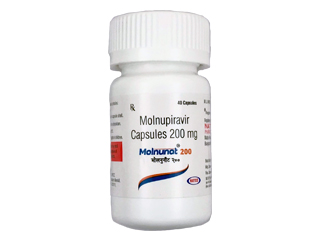
- How it’s taken: Usually by mouth, in tablet/capsule form (form may vary by brand/pack)
- Availability: Typically supplied through approved channels when criteria are met
- Where this applies: This information is written for an Australian audience
How Molnunat works (mechanism of action)
Molnupiravir is designed to interfere with the way SARS‑CoV‑2 (the virus that causes COVID‑19) makes copies of itself. It acts as a nucleoside analogue, meaning it resembles building blocks the virus uses to copy its genetic material.
After absorption, molnupiravir is converted in the body into active forms that can be incorporated into viral RNA. This leads to errors in the virus’s genetic code during replication (often described as “error catastrophe”), which reduces the virus’s ability to multiply effectively.
As a result, Molnunat helps lower viral replication and may reduce the chance of progression to severe disease in people who are at higher risk.
Pharmacokinetics (how the body handles it)
Pharmacokinetics describes how the medicine is absorbed, processed, and eliminated. Key points relevant to patients include:
- Absorption: Molnupiravir is absorbed after oral dosing and converted to its active forms.
- Activation: The medicine undergoes metabolic conversion in the body to become active.
- Distribution: Active metabolites work within infected tissues to affect viral replication.
- Elimination: Metabolites are cleared primarily through kidneys and via normal metabolism pathways.
In practice, what matters most for safe use is taking the doses on time and completing the full course unless a clinician advises otherwise.
Typical use in Australia
Molnunat is used to treat mild to moderate COVID‑19 in adults who are at increased risk of developing serious illness.
It is generally most effective when started early—close to symptom onset—so it can reduce viral replication before the illness worsens.
When it is most likely to be considered
- Early in the course of infection (typically within a few days of symptom onset)
- Adults with risk factors such as older age or certain underlying health conditions
- When other supported treatments are not suitable or unavailable
Your eligibility depends on clinical assessment and current Australian guidance at the time of use.
Timing: when to start and how to take it
Treatment timing is important for antivirals. Molnunat is intended to be started as soon as possible after diagnosis of COVID‑19. In many protocols, this is within 5 days of symptom onset (exact wording may vary by guidance and product information).
Practical timing tips
- Start the medicine as early as you can after symptoms begin.
- Try to take doses at roughly the same times each day.
- If you miss a dose, refer to the instructions provided with your product or your clinician/pharmacist for advice on what to do next.
- Complete the full course unless told otherwise.
Food interactions and taking with meals
Food effects can vary between medicines. For Molnunat, it is generally taken by mouth and may be taken with or without food. If you have been told to take it in a specific way, follow those instructions.
If you experience nausea or stomach upset, some people find it helpful to take the dose with food (unless your clinician has advised otherwise).
General guidance
- Take the dose as directed on the packaging.
- If food helps you tolerate the medicine, consider taking it with a meal or snack.
- Avoid skipping meals if you tend to feel unwell when taking medicines on an empty stomach.
Alcohol and medicine interactions
Many antiviral medicines can be affected by alcohol indirectly—through dehydration, nausea, altered liver function, or interactions with other medications you may be taking for COVID‑19, chronic conditions, or symptom relief.
While specific alcohol contraindications may depend on individual product information and your health status, a conservative approach is: avoid or limit alcohol during treatment and for at least a short time around your illness.
Considerations
- Alcohol and illness: COVID‑19 can cause dehydration and fatigue; alcohol may worsen these effects.
- Drug safety: Avoid mixing with other medicines that have warning labels about alcohol where possible.
- Ongoing medications: If you take regular medicines (e.g., anticoagulants, anticonvulsants, immunosuppressants), check interactions with a pharmacist.
Always check before combining
- Over-the-counter cold/flu products
- Herbal supplements (e.g., St John’s wort)
- Medicines for nausea, anxiety, sleep, or pain
- Any chronic medications you take every day
Indications: who Molnunat is for
Molnunat is indicated for the treatment of COVID‑19 in adults who meet criteria for increased risk of progression to severe disease. Indications can depend on timing, severity, and risk profile at the time of prescribing/assessment.
The medicine is intended for people with mild to moderate symptoms—not for severe or critical illness management in all cases. It is not a substitute for supportive care and does not replace infection control measures.
Typical qualifying factors (examples)
- Older age
- Chronic health conditions (such as chronic lung disease, diabetes, chronic kidney disease, cardiovascular disease)
- Immunocompromise
- Other factors associated with higher risk as determined by current guidance
Only clinicians and pharmacists can confirm whether Molnunat is suitable for your situation.
Dosing: how much to take
Dosing can depend on the exact formulation and the latest product guidance in Australia. Molnunat is commonly used as a short course taken multiple times daily.
Important: Please follow the dose instructions provided with your Molnunat product and any guidance from a healthcare professional. Do not change the dose yourself.
Typical adult course (common regimen)
- Molnupiravir is commonly prescribed as a 5-day course.
- It is commonly taken twice daily (every ~12 hours) in adults.
The exact number of tablets/capsules per dose depends on the strength of your Molnunat pack. If you are unsure, check with your pharmacist.
Renal or liver considerations
- Patients with significant kidney or liver impairment may require closer clinical review.
- Always tell your pharmacist about kidney disease, liver disease, or abnormal blood tests.
Safety profile and side effects
Like all medicines, Molnunat can cause side effects. Most people experience mild effects, but you should seek medical advice if you develop concerning symptoms.
Common side effects
- Nausea
- Diarrhoea
- Dizziness or headache
- Fatigue or general unwell feeling
Less common but important symptoms
- Severe allergic reaction symptoms (e.g., rash, swelling of lips/face, difficulty breathing)
- Persistent vomiting leading to dehydration
- Signs of worsening disease (e.g., breathlessness, chest pain, confusion, bluish lips)
When to get urgent help
Seek urgent medical care or call emergency services if you have severe breathing problems, chest pain, fainting, or sudden worsening. If you’re unsure, contact your local emergency or health service guidance.
Special safety notes
- Pregnancy and breastfeeding: Molnupiravir is generally associated with precautions regarding use in pregnancy. If you are pregnant, planning pregnancy, or breastfeeding, discuss risks and benefits with a healthcare professional immediately.
- Fertility/contraception considerations: When antivirals carry potential risks to a developing embryo, guidance on contraception may apply. Follow the advice given by your clinician.
- Children and adolescents: Use in children depends on age and eligibility criteria. Check eligibility with guidance for Australia.
Practical use tips (patient checklist)
- Start early: Don’t wait for the infection to worsen—ask about eligibility as soon as you test positive and symptoms begin.
- Take on schedule: Set alarms to help you take every dose about 12 hours apart.
- Stay hydrated: Diarrhoea or fever can increase fluid needs—drink fluids regularly.
- Monitor symptoms: Track temperature, breathing, and overall wellbeing.
- Don’t share: Antiviral eligibility and dosing are individual—do not share your medicine with others.
- Keep packaging: Save the box or leaflet for dosing instructions and safety information.
Alternative options for COVID-19 treatment (Australia)
If Molnunat isn’t suitable or recommended for you, there may be other treatment options depending on your clinical situation, timing, and local availability. Alternatives may include:
- Other oral antivirals (if appropriate)
- Monoclonal antibody treatments (availability and effectiveness vary over time)
- Supportive and symptom management (important for everyone)
- Hospital-based treatments for more severe disease
Your pharmacist can explain which options are currently supported and whether you meet the criteria.
Market and legal context for Australia
Medicines in Australia are regulated by the TGA (Therapeutic Goods Administration). Availability for COVID‑19 treatments can depend on approval status, prescribing arrangements, supply, and clinical criteria.
During the COVID‑19 response, guidance and access pathways have been updated as new evidence and variant behaviour emerged. For online pharmacy services, reputable suppliers typically follow:
- Verification of eligibility based on current clinical guidance
- Compliance with Australian medicines supply requirements
- Correct storage, handling, and packaging to protect product quality
- Clear communication of safety information and dosing instructions
If you have questions about access or eligibility, speak with a pharmacist or check the latest official health guidance.
Recent guidance (what to know)
Clinical recommendations for COVID‑19 treatment evolve. Factors that influence current advice include:
- Risk of progression to severe disease
- Time from symptom onset to treatment
- Local circulating variants and their responsiveness to antivirals
- Potential interactions with existing medicines
- Availability of alternative therapies
Before using Molnunat, confirm that it aligns with the latest Australian guidance for the current stage of infection. Your pharmacist can help you check eligibility and discuss how it fits with your other medications.
Delivery and availability
Online pharmacies may offer delivery of COVID‑19 medicines where permitted by Australian regulations and supply arrangements. Availability can vary by demand, stock, and eligibility.
Typical delivery considerations
- Delivery time: may vary by location and courier service
- Stock availability: depends on supply and eligibility verification
- Product handling: medicines should be stored according to the leaflet/label instructions
- Contact: you may be contacted to confirm eligibility or provide additional safety checks
If you are close to the time window for treatment, consider contacting the pharmacy promptly so arrangements can be made quickly.
FAQ — Frequently asked questions
1) What is Molnunat used for?
Molnunat (molnupiravir) is used to treat mild to moderate COVID‑19 in eligible adults at higher risk of progression to severe disease, generally when started early after symptoms begin.
2) When should I start Molnunat?
In many treatment approaches, it’s started as soon as possible and typically within about 5 days of symptom onset. Your pharmacy or clinician can confirm the exact timing for your situation based on current guidance.
3) How often is it taken?
Molnunat is commonly taken twice daily to complete a short course (often 5 days). The exact number of tablets/capsules per dose depends on your pack strength.
4) Can I take it with food?
It is often taken with or without food. If your stomach feels unsettled, taking it with food may help—unless your instructions say otherwise.
5) What happens if I miss a dose?
If you miss a dose, follow the advice provided with your Molnunat product or ask your pharmacist for guidance. Avoid doubling doses without instructions.
6) Is it safe to drink alcohol while taking Molnunat?
It’s generally best to avoid or limit alcohol during treatment, particularly because COVID‑19 can affect hydration and wellbeing. Ask your pharmacist if you plan to drink alcohol, especially if you take other medicines.
7) What medicines can interact with Molnunat?
Interactions depend on what else you’re taking. Before starting, list all medicines and supplements you use regularly, including over-the-counter products. A pharmacist can check for interaction risks.
8) Can I take Molnunat if I have kidney or liver problems?
People with kidney or liver conditions may require closer review. Discuss your medical history with a pharmacist or healthcare professional so that the safest option and monitoring plan can be arranged.
9) Who should not use Molnunat?
Eligibility varies. In particular, there are often additional precautions for pregnancy and for those planning pregnancy, as well as for certain age groups. Talk to a healthcare professional if any of these apply to you.
10) What side effects should I watch for?
Common side effects include nausea and diarrhoea. Seek urgent help for signs of a serious allergic reaction (e.g., swelling, trouble breathing) or for symptoms of rapid worsening such as severe breathlessness or chest pain.
11) Does Molnunat cure COVID‑19?
Molnunat is designed to reduce viral replication and lower the risk of progression to more severe disease when used early. It does not replace supportive care or recommended infection control measures.
Summary
Molnunat (molnupiravir) is an oral antiviral used for early treatment of eligible adults with mild to moderate COVID‑19 who are at increased risk of becoming seriously unwell. Taking it at the right time, following the dose schedule, and monitoring for side effects are key steps for safe use. If you have questions about eligibility, interactions, or timing, contact a pharmacist for advice.