
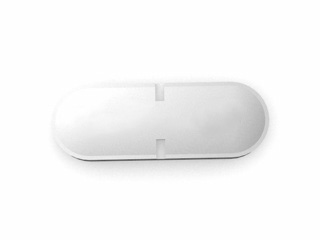


Praziquantel (Praziquantelum) — Patient Information for Australia
Praziquantel is an antiparasitic medicine used to treat a range of worm and fluke infections. It works by targeting parasites in different parts of the body, including the intestines and urinary tract, and is also used in some liver fluke infections.
This guide explains how praziquantel works, what it’s used for, how it’s taken, important safety information, and practical tips to help you use it correctly. If you have questions about your specific condition or dosing schedule, speak with a qualified healthcare professional or pharmacist.
Basic product information
- Medicine name: Praziquantel
- Common uses: Treatment of certain intestinal worms and flukes (e.g., schistosomiasis and specific liver/other fluke infections)
- How it is taken: Usually by mouth in tablet form (dose and regimen depend on the infection)
- Typical duration: Often a single dose or a short course; some infections require repeat dosing or follow-up
- Availability in Australia: Generally supplied through licensed channels; availability can depend on product brand, formulation, and clinical need
How praziquantel works (mechanism of action)
Praziquantel belongs to the group of medicines known as anthelmintics (anti-parasitic drugs). Its main actions include:
- Disrupts the parasite’s surface: It affects the parasite’s tegument (outer covering), making it vulnerable.
- Alters ion transport: Praziquantel interferes with calcium-dependent ion channels and other signalling processes within the parasite.
- Causes paralysis and death: These changes lead to spasm/paralysis of the worm or fluke and ultimately parasite death.
- Helps clear infection: Over time, the damaged parasites are cleared by the body (e.g., through stool or urine, depending on species and location).
The medicine is effective against specific parasites; it is not useful for every type of worm infection.
Pharmacokinetics (how the body handles praziquantel)
Pharmacokinetics describes what happens to praziquantel after you take it—absorption, distribution, metabolism, and elimination.
- Absorption: Praziquantel is absorbed from the gastrointestinal tract. Absorption can vary between individuals.
- Distribution: It distributes throughout body tissues and reaches relevant sites of infection (this depends on parasite location).
- Metabolism: Praziquantel is mainly metabolised in the liver. This is why liver function can be important for safety and tolerability.
- Elimination: The metabolites are cleared primarily via the kidneys (urine).
Because praziquantel is extensively metabolised, drug interactions that affect liver enzymes may change its levels in the body.
Typical use in Australia
Praziquantel is commonly used for parasitic worm infections caused by certain trematodes (flukes) and cestodes (some tapeworms, depending on region/species). In Australia and travellers returning from endemic areas, it is most often associated with:
- Schistosomiasis (schistosoma infections): Infection acquired from freshwater exposure in regions where schistosomiasis occurs.
- Some liver and intestinal fluke infections: The exact species and recommended regimen can vary.
Your clinical team may use test results (stool/urine/serology) and travel/exposure history to decide if praziquantel is the correct treatment.
Timing: when to take praziquantel
The exact timing depends on the dosing schedule prescribed for your infection. As a general guide:
- Take with food if advised: Many people find taking praziquantel after food helps reduce nausea.
- Divide doses across the day when multiple doses are used: If your regimen includes more than one dose, follow the planned intervals.
- Finish the full course: Even if you feel better, completing the regimen helps ensure parasites are cleared.
If you are unsure about the specific timing for your product and infection, confirm with a pharmacist.
Food interactions
Food can influence how praziquantel is absorbed. While specific product guidance may vary, these general points are helpful:
- Taking with a meal may improve tolerability. Nausea is a common side effect; food can help.
- High-fat meals may increase absorption for some people, potentially improving effectiveness but also increasing side effects in susceptible individuals.
- Maintain consistency: Taking your doses similarly each day can help keep absorption steadier.
Follow the instructions on the specific product pack or provided dose schedule.
Alcohol interactions and general guidance
There is no universally stated “absolute” alcohol ban with praziquantel, but alcohol can worsen side effects such as:
- Dizziness
- Headache
- Nausea and gastrointestinal upset
- Fatigue
If you drink alcohol, consider limiting intake during treatment—especially if you feel unwell, dizzy, or drowsy. If you have liver disease or are taking other medicines that affect the liver, ask a clinician for tailored advice.
Medicine interactions (important)
Because praziquantel is metabolised in the liver, some medicines can change its levels. Tell your pharmacist/doctor about all medicines you take, including:
- Prescription medicines
- Over-the-counter medicines
- Herbal supplements
- Traditional remedies
Examples of interaction concerns may include:
- Medicines that affect liver enzymes (for example, some anti-seizure medicines or other enzyme inducers) may reduce praziquantel levels and effectiveness.
- Medicines that increase sedation can compound dizziness or tiredness.
Interaction magnitude depends on the specific products involved and your health status. Your pharmacist can check likely interactions for your medication list.
Indications (what praziquantel is used for)
Praziquantel is indicated for specific parasitic infections. The most widely recognised use is for schistosomiasis. It may also be used for certain trematode (fluke) infections and specific tapeworm infections depending on species and regional guidance.
Because parasite identification matters, treatment depends on:
- Which parasite is causing the infection
- Where the infection is located in the body
- The severity and complications (e.g., urinary symptoms, liver involvement)
- Your age, weight, and general health
- Co-existing liver disease or other medical conditions
Dosing information (general patient guide)
Dosing must be individualised based on the type of parasite infection, the species involved, body weight, and clinical findings. Below are common dosing patterns used in clinical practice. Always follow the dosing instructions provided with your medicine and from your healthcare professional.
General dosing principles
- Weight-based dosing: Many regimens are calculated per kilogram of body weight.
- Single or multiple doses: Some infections are treated with one dose; others require repeated doses.
- Repeat assessment: Some parasitic infections may require follow-up stool/urine testing or repeat treatment to confirm cure.
Common regimen patterns (examples)
| Infection (general) | Typical dosing approach | Notes |
|---|---|---|
| Schistosomiasis (species varies) | Often a single day total dose given as one or more divided doses | Some cases may require repeat doses depending on severity and local guidance. |
| Certain fluke infections | Often multiple doses over one to a few days | Regimen depends on species and site of infection. |
| Certain tapeworm infections | May be a single dose or short course | Species matters; not all tapeworms respond the same way. |
Important: Do not use the table to self-determine dosing. If you suspect a parasitic infection (especially after travel), seek appropriate assessment. Correct identification of the parasite helps ensure the right dose and regimen.
Safety profile: side effects and when to get help
Praziquantel is generally well tolerated when used correctly. However, like all medicines, it can cause side effects.
Common side effects
- Nausea
- Abdominal discomfort or stomach pain
- Headache
- Dizziness
- Fatigue
- Diarrhoea or looser stools
- Muscle aches
These effects are usually temporary. If symptoms are severe or persistent, seek medical advice.
Less common but serious warning signs
Contact urgent care or seek medical help if you experience:
- Allergic reactions such as swelling of the face/lips, hives, or difficulty breathing
- Severe weakness, fainting, or confusion
- Severe dizziness affecting balance or ability to walk safely
- High fever or signs of infection worsening
- Vision changes, seizures, or severe neurologic symptoms (rare but urgent)
Some infections (and the immune response as parasites die) can themselves cause symptoms. If you are treating schistosomiasis or other severe infections, let a clinician know immediately if you worsen significantly after starting treatment.
Practical use tips (how to take praziquantel correctly)
- Plan your day: Because dizziness and fatigue can occur, consider taking doses when you can rest and avoid driving if you feel unsteady.
- Take with food if recommended: This often improves comfort.
- Hydrate: Drink water regularly, especially if you have diarrhoea or stomach upset.
- Follow the exact regimen: If your treatment plan includes multiple doses, use the prescribed timing and complete the course.
- Keep a medication record: Note the date/time you take each dose. This helps with follow-up and repeat dosing if needed.
- Be prepared for post-treatment monitoring: Some infections require repeat testing to confirm eradication.
- Household/partner considerations: Some parasitic infections may not spread person-to-person like common respiratory illnesses, but in certain contexts (e.g., contaminated water/food) others exposed may need assessment.
If you missed a dose, follow pharmacist guidance. Do not double up unless advised.
Special populations: considerations
- Children: Dosing is often weight-based. Children may be more sensitive to side effects; dosing and scheduling should be confirmed by a clinician.
- Pregnancy and breastfeeding: Use in pregnancy or breastfeeding should be discussed with a healthcare professional to weigh benefits and risks.
- Liver disease: Because praziquantel is metabolised in the liver, extra caution may be needed. Your clinician may adjust the plan or monitor you more closely.
- Neurologic risk factors: In certain parasitic infections involving the nervous system or eyes, treatment may require additional monitoring.
Alternative options (depending on the infection)
Alternative treatments vary by parasite species and body location. In many cases, praziquantel is the preferred medicine, but alternatives may include:
- Other anthelmintics used for specific worms (the right choice depends on species)
- Different regimens for liver flukes or tapeworms based on the exact diagnosis
- Supportive care for symptoms (e.g., managing nausea, hydration, and fever)
If you’re deciding between options, the most important step is confirming the parasite species and infection site. Ask your pharmacist or clinician what alternatives are appropriate for your diagnosis.
Australia: market and legal context
In Australia, medicines are regulated under the TGA (Therapeutic Goods Administration). Whether a product is available through an online pharmacy depends on its scheduling status, approved indications, and compliance with Australian regulations. Availability may also depend on:
- Whether the medicine is listed/registered for use in Australia
- The dosage form and pack size
- Clinical eligibility and supply requirements
- Logistics such as storage conditions and local distribution
Always purchase medicines from a licensed Australian pharmacy website or supplier. This helps ensure you receive genuine products with appropriate quality and labelling.
Recent guidance (general)
Public health guidance for parasitic infections often emphasises:
- Correct diagnosis and identification of parasite species
- Timely treatment following travel/exposure
- Follow-up testing when cure is uncertain
- Awareness that symptoms can occur even after initial treatment due to the immune response
Recommendations can evolve as new evidence and regional parasite patterns are identified. For up-to-date local advice, consult Australian public health resources or a healthcare professional.
Delivery and availability (what to expect when ordering online)
Online pharmacies in Australia typically deliver medicines using standard courier services. Delivery times vary based on location and order processing.
- Product availability: Some formulations may be kept in stock; others may be subject to pharmacy supply.
- Order dispatch: Orders are usually dispatched after verification steps required by law and pharmacy policies.
- Packaging: Medicines should arrive in original manufacturer packaging with clear labelling.
- Cold-chain: Praziquantel tablets typically do not require refrigerated transport, but always confirm storage instructions on the pack.
If you require urgent treatment (for example, when symptoms are worsening), contact the pharmacy to discuss timelines and alternatives.
How long before you feel better?
Many side effects occur soon after the dose. Symptom improvement for the underlying infection varies by parasite species and severity. Some people feel better within days, while others may take longer, particularly if inflammation or complications are present.
If symptoms worsen or do not improve after treatment, seek medical advice. Follow-up may be needed to confirm cure.
FAQ about praziquantel
1) What is praziquantel used for?
Praziquantel is used to treat certain parasitic worm and fluke infections, most notably schistosomiasis, and some other trematode and tapeworm infections depending on the species and diagnosis.
2) How do I take praziquantel?
Take it exactly as directed for your infection type. Doses are often weight-based and may be split across the day. Taking it with food can improve comfort and reduce nausea for many people.
3) Can I take praziquantel with food?
Food may improve tolerability and can affect absorption. Many product instructions support taking it with meals. Follow the instructions on the pack or from your pharmacist.
4) What side effects are common?
Common side effects include nausea, headache, dizziness, abdominal discomfort, fatigue, and diarrhoea. These are usually temporary but should be discussed if severe or persistent.
5) Is it safe to drink alcohol while taking praziquantel?
Alcohol may worsen side effects such as dizziness and nausea. If you choose to drink, keep it minimal and avoid alcohol if you feel unwell or dizzy. If you have liver problems or are on other medications, ask a pharmacist for advice.
6) Will praziquantel interact with other medicines?
It can. Because praziquantel is metabolised in the liver, some medicines may change its effectiveness or increase side effects. Always provide a full list of medicines and supplements to your pharmacist.
7) What if I miss a dose?
If you miss a dose, seek advice from a pharmacist for the correct next step. Do not double up unless instructed.
8) Do I need follow-up testing after treatment?
Often, yes—especially for infections like schistosomiasis where cure confirmation may require repeat stool/urine testing or other assessments. Your clinician or public health guidance will advise what follow-up is needed.
9) Who should be extra careful?
People with liver disease, pregnant or breastfeeding individuals, young children, and those with neurologic or eye-related complications related to parasitic infection should receive guidance tailored to their situation.
10) Where can I buy praziquantel in Australia?
Availability depends on supply and scheduling rules. Purchase from a reputable, licensed Australian pharmacy to ensure genuine product quality and correct labelling.
When to seek medical help urgently
Seek urgent medical attention if you develop signs of a severe allergic reaction (swelling of face/lips, hives, trouble breathing), severe neurologic symptoms (confusion, seizures, vision changes), or if your condition rapidly deteriorates after starting treatment.
If you are unsure whether your symptoms require urgent help, contact a healthcare professional or local health service for advice.
Note: This information is general and cannot replace advice for your individual situation. Correct diagnosis and the appropriate regimen are important for effective treatment of parasitic infections.