
Prevacid (Lansoprazole) – Patient-Friendly Guide (Australia)
Prevacid is a brand of lansoprazole, a medicine used to reduce stomach acid. It is commonly used for conditions where acid causes pain, inflammation, or damage to the lining of the oesophagus or stomach. This guide explains how Prevacid works, when to take it, what interactions to watch for, and practical tips to help you use it safely and effectively in Australia.
Key Product Information
- Active ingredient: Lansoprazole
- Medicine type: Proton pump inhibitor (PPI)
- How it helps: Reduces acid production in the stomach
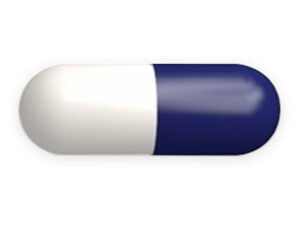
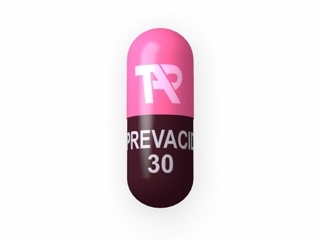
- Common forms: Oral capsules (and in some settings, other presentations may be available)
- Typical use: Short-term relief of acid-related symptoms and treatment of certain long-term conditions as advised by a clinician
Availability and brand presentation can vary by retailer and supply. Always check the product label for your exact strength and dosing instructions.
How Prevacid Works (Mechanism of Action)
Lansoprazole belongs to the group of medicines called proton pump inhibitors (PPIs). PPIs work by blocking the “proton pump” (an acid-producing enzyme) in the stomach’s parietal cells. When the pump is blocked, the stomach produces less acid.
Important: PPIs are not instant pain-relief medicines like antacids. They work best when taken on schedule because they need to build up in the body and activate within the acid-producing areas of the stomach.
Pharmacokinetics – What the Body Does With Lansoprazole
Understanding how the medicine behaves can help you time doses correctly.
- Absorption: Lansoprazole is absorbed after you take it by mouth. It may be affected by stomach conditions and timing of meals.
- Onset: Acid reduction typically begins within a short period, but maximum effect is often achieved over several days of regular dosing.
- Metabolism: It is primarily metabolised by the liver (notably via CYP enzymes, such as CYP2C19 and CYP3A4).
- Elimination: It is cleared from the body mainly through metabolism, with metabolites excreted in urine and/or faeces.
- Half-life: The effect lasts longer than the detectable drug level because of how it irreversibly blocks the proton pump.
Typical Uses and Indications
Prevacid is used to treat several acid-related conditions. In Australia, exact indications depend on product presentation, strength, and local prescribing guidance, but common uses include:
- Gastro-oesophageal reflux disease (GORD/GERD): For symptoms such as heartburn and acid regurgitation, and healing of inflammation.
- Erosive oesophagitis: When the oesophagus lining has been damaged by acid.
- Ulcer-related conditions: Including stomach or duodenal ulcers, often as part of an ulcer treatment plan.
- Maintenance therapy: In some people to help prevent relapse of reflux-related symptoms or inflammation.
- Helicobacter pylori (H. pylori) regimens: Lansoprazole may be used with antibiotics in certain H. pylori eradication strategies (where applicable).
- Zollinger–Ellison syndrome: A rare condition involving overproduction of stomach acid.
If you are unsure whether Prevacid is appropriate for your symptoms, consult a healthcare professional—especially if symptoms persist or worsen.
When to Take Prevacid (Timing and Dosing Approach)
For best results, PPIs like lansoprazole are generally taken before food. This helps ensure the medicine is present when acid production is active.
General timing tips
- Once daily dosing: Take before breakfast (commonly 30–60 minutes prior) unless your healthcare professional has advised otherwise.
- Twice daily dosing: Take before morning and evening meals (for example, before breakfast and before dinner).
- Consistency: Try to take your dose at the same time each day.
- Do not double up: If you miss a dose, follow the instructions on the product label or your pharmacist’s advice. In many cases, you may take it when you remember if it’s close to the next dose; otherwise, skip the missed dose.
How long does it take to work?
- Some improvement: Many people notice reduced heartburn within a few days.
- Full benefit: Healing and maximum symptom control may take 1–4 weeks (depending on the condition).
- Persistent symptoms: If symptoms do not improve after the recommended course, you should seek medical advice.
Food Interactions (What You Should Know)
The timing of meals can influence how effectively lansoprazole works. Because PPIs depend on active proton pumps, taking them before meals is typically more effective than taking them with or after food.
- With food: Taking lansoprazole with food may reduce effectiveness for some people.
- High-fat meals: Large or high-fat meals around the time of dosing may delay or reduce absorption.
- Alcohol-containing foods: Small amounts are unlikely to matter, but regular intake of alcohol can worsen reflux and interact with overall medication safety.
If you have been advised to take Prevacid with food for your specific product or circumstances, follow those instructions.
Alcohol and Medicine Interactions
Lansoprazole does not typically have a strong “direct” interaction with alcohol like some medicines do. However, alcohol can worsen reflux and irritate the stomach lining and oesophagus.
- Alcohol and GORD: Alcohol can increase symptoms such as heartburn, regurgitation, and throat irritation.
- General safety: If you drink alcohol, moderation is advised, and you should avoid excessive intake, particularly if you have ulcer disease or gastritis.
- Medication complexity: If you are taking other medicines (for example, for infections, pain, or blood thinning), ask your pharmacist about combined use.
If you are unsure how alcohol fits with your health conditions and current medicines, speak with a healthcare professional.
Medicine Interactions to Consider
Lansoprazole may interact with other medicines, mainly by changing stomach acidity and by metabolism through liver enzymes. Some interactions can affect effectiveness; others can change safety.
Common interaction themes
- Medicines needing stomach acid to absorb: Acid-suppressing therapy may reduce absorption of certain medicines.
- Drugs metabolised by CYP enzymes: Lansoprazole can influence the breakdown of some medicines.
- Increased risk with long-term PPI use: Not an interaction per se, but ongoing use can be associated with lower magnesium and other nutrient issues in some people.
Examples of medicines that may be affected
The following are examples of medicines where clinicians commonly check interactions. Your pharmacist can confirm for your exact list:
- Clopidogrel: Some PPIs may reduce activation of clopidogrel. Clinicians may choose specific strategies depending on your situation.
- Antifungals (e.g., ketoconazole, itraconazole): Reduced stomach acidity may affect absorption.
- Some antiviral and HIV medicines: Acid and enzyme metabolism can affect drug levels.
- Warfarin (and other vitamin K antagonists): Monitoring may be advised, particularly during dose changes.
- Digoxin: Changing absorption may affect digoxin levels.
- Iron supplements: Reduced acid may impact absorption of non-heme iron in some cases.
Always provide your full list of medicines to your pharmacist, including over-the-counter items, herbal supplements, and vitamins.
Dosing Information (General Overview)
Dosing depends on the condition being treated, symptom severity, and your overall health. Below is a general overview used to help patients understand typical regimens; for the exact dose, check your product label or advice from your healthcare professional.
| Condition (common example) | Typical approach (general) | Notes |
|---|---|---|
| Heartburn / GORD symptoms | Often once daily before breakfast | Course length varies; if symptoms persist, review treatment. |
| Erosive oesophagitis | May require once or twice daily | Healing may take weeks; follow the plan and reassess if needed. |
| Stomach/duodenal ulcers | Usually daily dosing as part of ulcer therapy | Some regimens may combine with other medicines. |
| H. pylori eradication (in combination) | PPI plus antibiotic regimen | Complete the full course as instructed to improve cure rates. |
| Zollinger–Ellison syndrome (rare) | Individualised higher or divided dosing | Typically managed closely by a specialist. |
Do not change your dose or stop early without advice, especially if you’re taking it for more serious diagnoses or healing purposes.
Safety Profile and Side Effects
Like all medicines, Prevacid can cause side effects. Many people experience no problems or only mild, temporary effects.
Common side effects (may occur)
- Headache
- Nausea
- Diarrhoea or constipation
- Abdominal pain, bloating, or indigestion
- Gas
Less common but important effects
- Allergic reactions: rash, swelling, trouble breathing
- Severe or persistent diarrhoea: seek advice promptly
- Electrolyte problems (e.g., low magnesium): more likely with long-term use
- Vitamin deficiencies: may occur with prolonged therapy (discuss with a clinician if long-term use is needed)
When to seek urgent help
Get medical help urgently if you experience:
- Signs of an allergic reaction (swelling of face/lips, hives, breathing difficulty)
- Severe dehydration (especially with ongoing diarrhoea)
- Black, tarry stools or vomiting blood (possible bleeding)
- Unexplained weight loss, difficulty swallowing, or persistent vomiting
Practical Use Tips (Getting the Best Results)
- Take it before food: This is one of the biggest factors for effectiveness.
- Keep a routine: Link dosing to a daily habit (e.g., immediately before breakfast).
- Track symptom changes: If you’re using it for reflux, note whether heartburn, regurgitation, cough, or nighttime symptoms improve.
- Don’t mix timing: If you use other acid-lowering products (antacids, alginates, H2 blockers), ask your pharmacist the best schedule. Antacids can offer faster relief, while PPIs are for longer control.
- Check your capsule instructions: If the product leaflet indicates specific instructions for swallowing or opening, follow them carefully.
- Use the lowest effective dose for the shortest time that achieves your goals: This is a general safety principle for PPIs.
Lifestyle support (often improves outcomes)
Medicines work best when paired with reflux-friendly habits. Consider:
- Avoid large meals and avoid eating within 2–3 hours of bedtime
- Maintain a healthy weight if recommended
- Reduce triggers such as spicy foods, caffeine, and alcohol
- Elevate the head of the bed if nighttime symptoms occur
- Stop smoking if you smoke (smoking worsens reflux)
Alternative Options to Consider
Depending on your symptoms and medical history, other treatment options may be suitable. Options include:
Other medicine options
- Antacids: Provide quick, short-term relief by neutralising acid (useful for occasional symptoms).
- Alginate-based therapies: Form a barrier to help reduce regurgitation (often helpful for “acid coming up”).
- H2-receptor antagonists (e.g., famotidine): Reduce acid production but generally act differently than PPIs.
- Other PPIs: Similar medicine class; sometimes switching is considered if symptoms persist.
Non-medicine approaches
- Reflux-focused dietary and lifestyle adjustments
- Managing contributing conditions such as constipation or hiatal hernia (as advised)
- Reviewing medications that may worsen reflux (your pharmacist/doctor can help)
If you’ve tried lifestyle changes and an appropriate course of therapy, but symptoms persist, it’s important to be assessed—persistent symptoms can require diagnosis beyond simple reflux.
Market and Legal Context for Australia (Consumer Guidance)
In Australia, access to medicines—including acid-suppressing therapies—depends on brand, strength, and local scheduling rules. Some PPIs may be available without a prescription in certain contexts (depending on strength and product availability), while other situations may require clinician involvement.
To ensure you receive the right product and safe use:
- Check the pack for the exact strength (for example, 15 mg, 30 mg or other strengths if applicable).
- Read the consumer medicine information (CMI) included with the product.
- Speak with a pharmacist if you have ongoing symptoms, other medical conditions, or take multiple medicines.
- Do not use for warning signs without evaluation (for example, trouble swallowing, weight loss, vomiting blood, black stools).
In Australia, guidance for reflux and PPI use emphasises appropriate diagnosis, stepwise therapy where appropriate, and review for long-term use.
Recent Guidance and Clinical Considerations (General Overview)
Clinical approaches to reflux and PPI use generally focus on:
- Using PPIs for appropriate indications and reviewing whether ongoing therapy is necessary
- Using the lowest effective dose and reassessing after a defined treatment period
- Considering step-down where suitable after symptom control and healing
- Monitoring risks with long-term use (for example, magnesium levels, vitamin B12, and drug interactions)
If you are using Prevacid long-term, it’s a good idea to discuss an ongoing plan with your healthcare professional and whether regular monitoring is needed for you personally.
Delivery and Availability (Online Pharmacy)
Availability of Prevacid (lansoprazole) can vary by stock levels and pack sizes. Online pharmacies in Australia typically provide:
- Clear product listings with brand name, strength, and pack size
- Estimated delivery timeframes based on your location
- Secure packaging to protect capsules and labels
When ordering, confirm:
- That the strength matches your intended dose
- Whether the product is capsules or another presentation
- The expiry date shown in the listing or on your dispatch note
If you need to store your medicine before use, keep it in a cool, dry place and follow the storage instructions on the pack.
FAQ – Frequently Asked Questions
1. Is Prevacid the same as lansoprazole?
Yes. Prevacid is a brand name, and the active ingredient is lansoprazole.
2. How quickly will I feel better?
Some people notice improvement within a few days, but full relief and healing can take longer—often 1–4 weeks depending on the condition and severity.
3. Should I take Prevacid before or after meals?
Generally, take it before meals (commonly before breakfast). This timing usually provides the best acid control.
4. What if I miss a dose?
Follow the guidance on the product label or advice from your pharmacist. In many cases, if you remember soon after, you can take it. If it’s close to the next dose, you may skip the missed dose rather than doubling.
5. Can I take antacids with Prevacid?
Often, yes—antacids can provide faster short-term relief. However, you should ask your pharmacist about spacing and your specific product labels, especially if you take other medicines.
6. Does alcohol interact with Prevacid?
There is usually no severe direct interaction, but alcohol can worsen reflux symptoms and may increase irritation. Moderation is recommended.
7. Can I take Prevacid long-term?
Some people require long-term PPI therapy, but it should be regularly reviewed. Discuss with your healthcare professional whether you still need it and whether monitoring or dose adjustments are appropriate.
8. Who should be extra careful?
Extra caution is advised if you:
- Take multiple medicines
- Have liver disease
- Have a history of low magnesium or vitamin deficiencies
- Have ongoing or severe symptoms (especially swallowing problems, weight loss, vomiting, or bleeding)
9. Are there warning signs where I shouldn’t rely on PPIs alone?
Yes. Seek medical advice urgently if you notice trouble swallowing, vomiting blood, black/tarry stools, persistent vomiting, or unexplained weight loss.
10. What if Prevacid doesn’t work?
If symptoms persist despite correct timing and an appropriate treatment course, you should be reviewed by a healthcare professional. The cause may be different (or more complex) than typical reflux.
Summary
Prevacid (lansoprazole) is a proton pump inhibitor that reduces stomach acid by blocking the final step of acid production. For best results, take it before meals, often before breakfast, and give it time to work over days. While many people tolerate lansoprazole well, it’s important to be mindful of side effects, medicine interactions, and warning signs that require medical assessment. If symptoms persist or you need ongoing therapy, discuss the safest and most effective long-term plan with a healthcare professional.