
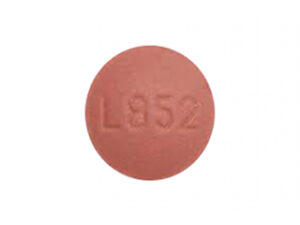
Ranexa (Ranolazine) — Patient Guide (Australia)
Ranexa contains ranolazine, a medicine used to help control symptoms of chronic angina (long-term chest pain due to reduced blood flow to the heart). This guide explains how Ranexa works, how it’s used, what to expect, and important safety information. It is written for patients and carers and is intended to support discussion with your treating health professional.
Note: Medicines can affect people differently. Always follow the dosing instructions provided for you. If anything here doesn’t match what your clinician has told you, follow your personal plan.
Quick product information
| Feature | Details |
|---|---|
| Medicine name | Ranexa (ranolazine) |
| What it’s used for | Helps reduce frequency of chronic angina episodes |
| Type | Anti-anginal / anti-ischaemic medicine |
| Common strengths | Typically available as tablets (strengths vary by product) |
| How it’s taken | Oral tablets, usually twice daily (morning and evening) |
| Special notes | Not for immediate relief of acute attacks; monitor for interactions |
What Ranexa is used for (indications)
Ranexa is used to treat people with chronic (stable) angina who still experience symptoms despite standard treatments, or where treatment adjustments are needed. It helps improve exercise tolerance and reduce angina frequency.
What it does not do
Ranexa is not intended for fast relief of sudden chest pain (for example, during an acute attack). For acute chest pain, you should use the rescue medication plan your clinician has prescribed.
How Ranexa works (mechanism of action)
Ranolazine helps the heart work more efficiently under stress by altering certain electrical and metabolic processes in heart cells.
The key actions include:
- Blocks “late” sodium current (a sodium channel current that can remain active longer than needed in ischaemia).
- Reduces abnormal electrical activity and helps improve cell energy efficiency.
- May help limit calcium overload and improve oxygen use in the myocardium (heart muscle).
Importantly for many patients, Ranexa does not primarily lower blood pressure in the same way as some other anti-anginal medicines, and it may be used alongside other cardiovascular therapies.
When Ranexa is taken: timing and routine
Ranexa is typically taken twice daily. Many patients use a routine such as:
- Morning dose at about the same time each day
- Evening dose about 12 hours later
If you miss a dose, take it when you remember unless it is close to the time for your next dose. Do not take double doses to make up for a missed one.
Food interactions and taking Ranexa with meals
Food can affect how much ranolazine enters the bloodstream and when peak levels occur. In general, Ranexa can be taken with or without food, but consistency is important.
Practical tips
- Choose a consistent approach: take Ranexa the same way each day (with meals or without).
- Be cautious with grapefruit: avoid grapefruit or grapefruit juice unless your clinician says it’s safe.
- If you notice stomach upset, taking with food may help.
Alcohol and medicine interactions
Alcohol can worsen dizziness, drowsiness, or light-headedness in some people and may increase the risk of side effects, especially if you also take other medicines that affect the nervous system or heart rhythm.
Alcohol advice
- Limit alcohol and avoid binge drinking.
- If you feel unwell after alcohol (dizziness, palpitations, unusual tiredness), avoid further alcohol and seek advice.
Drug interactions: medicines to watch for
Ranolazine interacts with a number of medicines, mainly through liver enzyme systems and transporters, and it can also affect heart rhythm measurements. Tell your clinician and pharmacist about all medicines you take, including: prescriptions, over-the-counter products, vitamins, herbal products, and supplements.
Common interaction categories
- Medicines that can increase ranolazine levels (may raise side effect risk).
- Medicines that affect heart rhythm (risk of QT prolongation may increase).
- Strong CYP3A inhibitors and some other interacting agents (often require avoidance or careful adjustment).
- Electrolyte-lowering medicines that can reduce potassium or magnesium (can increase rhythm risk).
Examples of higher-risk interaction types
- Antifungals of the azole type (some can significantly affect ranolazine levels).
- Some antibiotics (certain macrolides or related medicines can interact).
- HIV protease inhibitors and some antivirals.
- Certain antidepressants and antipsychotics (some can affect QT interval).
- Other anti-anginal medicines (often used together, but your dose and monitoring may need adjustment).
This is not a complete list. If you’re unsure whether something interacts, consult your pharmacist.
Pharmacokinetics (how the body handles ranolazine)
Understanding how ranolazine behaves in the body can help explain timing, consistency, and monitoring. While individual results vary, typical pharmacokinetic features include:
- Absorption: ranolazine is absorbed after oral dosing; peak levels occur after a period of time that can be influenced by food.
- Distribution: it distributes into body tissues and binds to plasma proteins.
- Metabolism: ranolazine is primarily metabolised in the liver.
- Elimination: metabolites are excreted via urine and faeces.
- Steady state: levels build up over time with regular dosing (often within days), so early symptom changes may be gradual.
Because metabolism involves liver pathways, ranolazine exposure can change in people with liver impairment. Your prescriber may limit or avoid use in significant hepatic disease.
Typical dosing (how to take Ranexa safely)
Dosing should be individualised based on your medical history, current medications, tolerance, and any risk factors such as liver function or kidney function.
Common approach (titration)
Many patients start with a lower dose and increase gradually. This helps reduce the risk of side effects such as dizziness, nausea, or fatigue.
Typical regimens in clinical practice include:
- Start low and increase after assessing tolerability.
- Twice daily administration is usually maintained.
Important: The exact strength and dose schedule for you should match your prescription label. If you have trouble reading the label or confirming your dose, ask your pharmacist.
If you stop Ranexa
Do not stop suddenly unless advised. If you miss several doses, contact your clinician for guidance. Chest pain symptoms may return as protection decreases.
How long until it works?
Some people notice benefits after starting, but improvement can be gradual because steady levels take time. Many clinicians assess response over a period of weeks.
- Expect gradual change rather than an immediate effect.
- Keep regular dosing to maintain consistent drug levels.
- Report persistent or worsening angina to your clinician.
Safety profile: what to expect
Like all medicines, Ranexa can cause side effects. Many are mild to moderate and improve as the body adjusts, but some require urgent medical attention.
Common side effects
- Dizziness or light-headedness
- Nausea
- Headache
- Constipation or abdominal discomfort
- Fatigue or weakness
Serious but less common risks
Ranolazine may affect the electrical activity of the heart, which can show up as changes on an ECG. Your prescriber may order monitoring, especially if you are at higher risk.
- QT prolongation (an ECG change that can rarely lead to serious rhythm disturbances)
- Symptoms of abnormal heart rhythm: sudden fast or irregular heartbeat, fainting, or severe dizziness
- Severe allergic reaction: swelling of face/lips, rash with breathing difficulty
Seek urgent medical help if
- You develop chest pain that feels severe, different, or not improving
- You faint or have near-fainting
- You have shortness of breath or new symptoms of concern
- There are signs of an allergic reaction
Practical use tips (to get the best results)
1) Maintain consistency
Take Ranexa at the same times each day. If you prefer taking it with food, keep that routine steady.
2) Review your medication list
Before starting, and whenever you add new medicines, check interactions—especially for antibiotics, antifungals, HIV medicines, antidepressants, and medicines that can affect heart rhythm or electrolytes.
3) Monitor symptoms and triggers
Track your angina episodes (frequency, severity, what triggers them, and what time of day they occur). This information helps your clinician judge effectiveness and decide on adjustments.
4) Be careful with dehydration
Vomiting or diarrhoea can affect electrolyte balance. If you are unwell, seek advice—particularly if you feel unusually weak, dizzy, or experience palpitations.
5) Don’t use Ranexa for sudden attacks
Keep your “rescue” plan as instructed by your clinician. Ranexa is for controlling chronic symptoms, not immediate relief.
Special populations: kidney and liver considerations
Your dose and safety monitoring may depend on kidney and liver function. If you have kidney disease, liver disease, or a history of abnormal ECGs, discuss this with your clinician.
- Liver impairment: exposure may increase; use may be limited or avoided in significant hepatic disease.
- Kidney impairment: dosing may need individual adjustment and closer monitoring.
Alternative options for angina
If Ranexa isn’t suitable or doesn’t provide enough benefit, there are other approaches your clinician may consider, depending on your overall cardiovascular risk and existing treatments.
Medication alternatives (examples)
- Beta-blockers (reduce heart workload)
- Calcium channel blockers (help relax coronary arteries and reduce workload)
- Nitrates (improve blood flow; some used for symptom prevention, others for rapid relief)
- Other anti-anginal medicines depending on your condition and local availability
Non-medicine approaches
- Lifestyle measures (smoking cessation, exercise plan, heart-healthy diet)
- Cardiac rehabilitation for personalised conditioning
- Procedures in selected cases (e.g., angioplasty or other interventions if indicated)
Your clinician will consider your diagnosis, current medications, ECG findings, blood pressure, and other conditions to determine the best pathway.
Australia: market, legal, and supply context
In Australia, Ranexa is a regulated prescription medicine under the Pharmaceutical Benefits Scheme (PBS) and/or private supply arrangements, depending on clinical criteria and availability. Supply may involve specific prescribing rules and dispensing requirements set by Australian health authorities.
Availability can vary by brand strength and supply chain conditions. If a particular strength is temporarily unavailable, your pharmacist may discuss alternatives such as another strength or equivalent formulation if clinically appropriate.
Recent guidance and monitoring (general points)
Ongoing clinical guidance and safety updates generally focus on:
- Reviewing drug interactions prior to initiation and with any medication changes.
- Considering ECG monitoring in patients at higher risk of rhythm disturbances.
- Assessing kidney and liver function where relevant.
- Starting with dose adjustments to improve tolerability.
If you’ve had recent medication changes or new symptoms (palpitations, fainting, significant dizziness), contact your clinician promptly.
Delivery and availability (what to expect when ordering online)
When ordering Ranexa from an online pharmacy in Australia, availability depends on stock levels and the required strength. Delivery options, timeframes, and fees vary by provider and location.
- Processing time: orders may be processed within standard business hours.
- Delivery timeframes: depend on shipping method and your state/region.
- Packaging: medicines are typically dispatched in protective, tamper-evident packaging.
- Substitution policies: if your exact strength isn’t available, the pharmacy will contact you or your clinician where substitution is permitted and clinically appropriate.
If you need the medicine urgently (e.g., you’re running out), check stock status or contact the pharmacy customer support to discuss options.
Storage and handling
- Store at room temperature unless your product instructions specify otherwise.
- Keep in the original packaging to protect from moisture and light.
- Keep out of reach of children.
- Check the expiry date on the box before use.
FAQ
Is Ranexa safe to take with other heart medicines?
Many people take Ranexa alongside other cardiovascular medicines. However, the combination must be checked for interactions and ECG-related risks. Always confirm your full medicine list with your pharmacist or clinician.
Does Ranexa treat sudden chest pain?
No. Ranexa is designed to help manage chronic angina and reduce episodes over time. For sudden chest pain, follow your rescue plan as instructed by your clinician.
How soon will I feel a difference?
Some patients notice improvement gradually. Because steady drug levels build with regular dosing, benefits may take days to weeks. Track your symptoms and attend follow-up as advised.
Can I take Ranexa with food?
Often yes. If you choose to take it with food, keep the routine consistent. Avoid grapefruit products unless advised otherwise.
What should I do if I miss a dose?
Take the missed dose when you remember unless it’s close to your next scheduled dose. Do not take double doses.
What side effects are most common?
Commonly reported side effects include dizziness, nausea, headache, constipation, and tiredness. If side effects are severe or persistent, seek advice.
When should I contact a doctor urgently?
Seek urgent help if you faint, have severe or worsening chest pain, experience severe shortness of breath, or develop symptoms that could indicate a serious allergic reaction.
Are there foods or drinks I should avoid?
Grapefruit and grapefruit juice may interact and are generally avoided. Alcohol should be limited, as it may increase dizziness or worsen certain side effects.
Can I drink alcohol while on Ranexa?
Moderate alcohol may be possible for some people, but it can increase dizziness and affect how you feel. If you notice palpitations, dizziness, or worsening symptoms after alcohol, avoid further alcohol and seek advice.
What if I’m already taking multiple medications?
Interaction risk is higher when many medicines are involved. Provide a complete list to your pharmacist or clinician. If you add or stop any medicine, re-check interactions.
What are the main alternatives if Ranexa isn’t working?
Alternatives may include other anti-anginal medicines (such as beta-blockers, calcium channel blockers, or nitrates), lifestyle measures, cardiac rehabilitation, or—when appropriate—procedures. Your clinician can tailor options to your needs.
Important reminder
This information is designed to help you understand Ranexa (ranolazine) and use it more confidently. It does not replace advice from a healthcare professional. If you have questions about dosing, interactions, side effects, or whether Ranexa is suitable for your situation, contact your pharmacist or clinician.