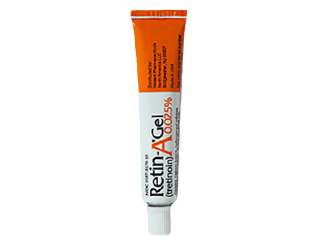
Retin-A Gel (Tretinoin) — Patient Information (Australia)
Retin-A Gel contains tretinoin, a vitamin A (retinoid) derivative used mainly for acne. It helps to improve the appearance of skin affected by blocked pores and also supports ongoing skin renewal.
This guide is written to help you understand how Retin-A Gel works, how to use it safely, what to expect, and what to consider regarding interactions and practical day-to-day use.
Basic product information
- Active ingredient: Tretinoin
- Medicine type: Topical retinoid
- Common form: Gel for application to skin
- Typical uses: Acne (and sometimes other dermatology-related indications as advised by a clinician)
- Key effect: Helps prevent clogged pores and supports skin cell turnover
Note: Retin-A Gel strength (e.g., 0.025%, 0.05%, 0.1%) and brand packaging can vary. Always check the label on your specific product.
How Retin-A Gel works (mechanism of action)
Tretinoin is a retinoid that acts on skin cells. It helps to normalise the process of how skin cells shed inside pores, reducing the formation of comedones (clogged pores). It also has anti-inflammatory effects that can improve acne lesions over time.
In practical terms, tretinoin:
- Promotes more normal shedding of cells in the follicle/pores
- Reduces microcomedones (early clogging that can lead to visible acne)
- May decrease inflammation associated with acne
- Supports skin renewal, which can improve texture and tone over prolonged use
Pharmacokinetics (what happens in the body)
When applied to intact skin, tretinoin from topical products is generally absorbed only in small amounts. Most of the medicine remains in the skin layers and acts locally.
- Absorption: Low to minimal through the skin under normal use
- Distribution: Limited systemic distribution is expected
- Metabolism: Tretinoin is metabolised largely via skin and systemic pathways
- Elimination: Any absorbed fraction is cleared over time through normal body processes
Clinical implication: Because systemic absorption is usually low, side effects are most commonly related to skin irritation rather than whole-body effects.
Typical uses and indications
In Australia, topical tretinoin products are commonly used for:
- Acne vulgaris (comedonal and mixed acne), typically as part of a longer-term treatment plan
- Other skin conditions may be considered by clinicians depending on severity and individual needs
When it’s most helpful: Tretinoin is particularly effective for preventing and treating clogged pores and for helping to reduce the formation of new lesions.
When you’ll see results (timing and expectations)
Tretinoin is not an “instant” treatment. Acne improvements occur gradually as skin cell turnover normalises.
- First 2–4 weeks: Some people notice redness, dryness, or mild peeling. Acne may temporarily seem worse (sometimes called a “purge” as older clogged pores resolve).
- 6–8 weeks: Early improvements in fewer new comedones may be noticeable.
- 8–12 weeks: Better overall clearing is more likely.
- 3–6 months: Maximum benefits for many patients, including improved texture
Tip: Use consistently and avoid repeatedly stopping and restarting, as this can prolong irritation and slow progress.
Dosing and how to apply (typical regimen)
Always follow the instructions on your product label and any advice from your healthcare professional. In many cases, a standard approach is:
Typical starting regimen
- Frequency: Start with once daily at night or as tolerated (some people start every second night to reduce irritation).
- Amount: Use a pea-sized amount for the whole face (or the area prescribed). More is not better and can increase irritation.
- Application: Apply to clean, fully dry skin.
- Technique: Spread thinly over the areas prone to acne (avoid eyes, corners of the nose, and mouth).
Adjusting your schedule
- If irritation is mild, you may increase to daily use.
- If irritation is significant, reduce frequency (for example, to alternate nights) and focus on moisturising.
- If severe irritation occurs (burning pain, intense swelling), stop and seek medical advice.
How long to use
Tretinoin is usually used as a longer-term maintenance treatment to reduce new clogging and improve skin appearance. Continued use helps sustain benefits.
How to use Retin-A Gel correctly (practical tips)
- Cleanse gently: Use a mild, fragrance-free cleanser.
- Wait until skin is dry: Wait 10–20 minutes after washing before applying.
- Moisturise strategically: A moisturiser can reduce dryness. Some people benefit from the “sandwich method” (moisturiser → gel → moisturiser), especially during the first weeks.
- Use sunscreen daily: Tretinoin can make skin more sensitive to sun and UV.
- Avoid irritants: Limit scrubs, exfoliating acids (AHA/BHA), and harsh toners, especially at the start.
- Hands and eye safety: Wash hands after applying. Keep away from eyes and mucous membranes.
What to expect: Mild redness, dryness, and flaking are common early on. Severe rash, blistering, or intense swelling are not typical and require medical advice.
Food interactions
Food interactions are generally not a concern with topical Retin-A Gel because absorption through the skin is typically minimal.
However, overall skin and health can be influenced by diet in acne—some people notice improvement when limiting high glycaemic foods or dairy, but these are lifestyle considerations rather than direct drug–food interactions.
Alcohol interactions
Because Retin-A Gel is applied to the skin, direct alcohol interactions are not usually expected.
Caution: Avoid applying alcohol-containing skin products to the same area (e.g., astringents) as these can increase dryness and irritation.
Medicine interactions (topical and systemic)
Potential interactions mainly relate to increased irritation when tretinoin is combined with other skin-active products.
Common topical medicines and products to be cautious with
- Other retinoids (topical or systemic vitamin A/retinoid products)
- Benzoyl peroxide: often used in acne regimens, but may increase irritation in some people. Many patients tolerate combination with careful scheduling.
- Exfoliating agents: AHAs (e.g., glycolic/lactic acid), BHAs (e.g., salicylic acid), and strong scrubs
- Highly irritating products: fragranced toners, alcohol-based products, certain hair removal or depilatory products
Systemic medicines
Systemic interactions are unlikely due to low absorption, but it’s still important to inform your healthcare professional about:
- Other vitamin A-containing products or supplements
- Any medications that affect skin sensitivity
- Other acne therapies you’re using concurrently
Safety profile and side effects
Most side effects are local skin reactions, particularly during the first weeks.
Common side effects
- Dryness
- Redness
- Peeling or flaking
- Burning or stinging (usually mild to moderate early on)
- Skin irritation and increased sensitivity
Less common but important effects
- Severe dermatitis (intense rash, swelling, blistering)
- Eye irritation if product migrates
- Persistent skin pain or worsening inflammation
When to seek medical advice
Stop using the product and seek prompt advice if you experience:
- Severe burning, swelling, or blistering
- Signs of allergic reaction (e.g., widespread hives, facial swelling, difficulty breathing)
- Severe worsening of symptoms that does not improve with reduced frequency and moisturising
Special precautions
Skin type and sensitivity
If you have eczema, very sensitive skin, or compromised skin barrier, start more slowly and focus heavily on moisturising. Consider patch testing (where appropriate) and discuss suitability with a healthcare professional.
Sun exposure
Tretinoin can increase sensitivity to sun and UV light.
- Wear SPF 30+ (preferably higher) daily
- Use sun-protective clothing and shade when possible
- Avoid tanning beds
Pregnancy and breastfeeding (general caution)
Retinoids are generally treated with extra caution during pregnancy and when trying to conceive. If you are pregnant, planning pregnancy, or breastfeeding, discuss the safest acne treatment options with a healthcare professional.
Important: This site provides general information; personalised guidance is essential for pregnancy planning.
Practical use tips (reducing irritation)
- Start low and slow: Use every second night for 1–2 weeks if you’re prone to irritation.
- “Buffer” dryness: Apply a moisturiser before and/or after tretinoin (“sandwich method”).
- Choose gentle cleanser + bland moisturiser: Look for fragrance-free products.
- Don’t over-apply: A thin layer is enough for most areas.
- Avoid overlapping irritants: Pause strong acids and scrubs during the adjustment period.
- Let it dry: Apply to dry skin to reduce stinging.
- Watch for “too much, too soon”: If irritation is severe, reduce frequency instead of applying more.
Alternative options for acne
Acne treatment is individual and often uses a combination approach. If Retin-A Gel isn’t suitable or irritation is difficult to manage, alternatives may include:
Topical options
- Benzoyl peroxide (for acne bacteria and inflammation)
- Topical antibiotics (often combined with benzoyl peroxide to reduce resistance, depending on clinician advice)
- Adapalene (a different topical retinoid; often better tolerated for some people)
- Azelaic acid (may be helpful for inflammatory acne and sensitive skin)
- Salicylic acid (helps with clogged pores; may irritate some skin)
Oral options (for moderate to severe acne)
- Oral antibiotics (short-term or in structured regimens)
- Hormonal therapies (for certain people, depending on suitability)
- Isotretinoin (for severe acne under specialist monitoring)
Combination therapy: Many acne plans use a retinoid plus benzoyl peroxide and/or an anti-inflammatory option. The “best” plan depends on your acne type, skin sensitivity, and treatment goals.
Market and legal context for Australia
In Australia, the availability of prescription-only medicines versus over-the-counter products depends on the specific product and strength, and the Medicines Scheduling system.
Important: Some tretinoin brands and strengths may be restricted and may require assessment under Australian regulatory and prescribing frameworks. If you’re purchasing online, ensure you follow the requirements shown on the website and any relevant age, consent, or professional review steps used by the pharmacy.
After ordering, reputable Australian pharmacies support supply according to local regulations, including correct packaging, labelling, and storage.
Recent guidance and evidence-based practice (general)
Dermatology practice commonly emphasises:
- Gradual introduction of topical retinoids to improve tolerance
- Moisturising and sun protection to reduce irritation and photosensitivity
- Avoiding simultaneous strong irritant exfoliants early in treatment
- Allowing time (often 8–12 weeks) to judge effectiveness
Current clinical approach also aims to minimise inappropriate use and ensure safe handling, especially for people who may be pregnant or planning pregnancy.
Delivery, availability, and ordering (Australia)
Online pharmacies in Australia typically offer delivery to eligible areas, with options depending on:
- Product stock and strength availability
- Cold chain requirements (usually not needed for tretinoin gels, but follow product handling instructions)
- Shipping speeds and local delivery services
- Identity and compliance checks where required by law
What to check on arrival:
- That the product name and strength match your order
- The expiry date
- That the packaging is intact
Storage: Store at controlled room temperature as directed on the label. Keep the tube tightly closed.
FAQ — Frequently asked questions
1) What is Retin-A Gel used for?
Retin-A Gel (tretinoin) is commonly used to treat acne, particularly to help prevent clogged pores and reduce new lesions over time.
2) How should I start if my skin is sensitive?
Many people start with every second night and use a moisturiser before and/or after the gel. This helps reduce redness, peeling, and stinging during the adjustment period.
3) Why does my acne look worse at first?
Early irritation and changes in acne pattern can occur. Some people experience a temporary worsening as clogged pores come to the surface. Improvements generally become clearer after several weeks of consistent use.
4) How often do I apply it?
Most commonly, it is applied once daily at night—or less frequently at first if needed. Follow your specific product instructions and guidance from a clinician.
5) Can I use moisturiser with Retin-A Gel?
Yes. Moisturising is often recommended to improve comfort and reduce irritation. Using a gentle moisturiser can help you continue treatment.
6) Should I use sunscreen?
Yes. Tretinoin can increase sensitivity to sunlight. Use daily SPF 30+ and avoid excessive sun exposure.
7) Can I combine it with benzoyl peroxide?
Many acne regimens use benzoyl peroxide with a retinoid, but irritation can increase. If you plan to combine, introduce products gradually and consider separating by time (for example, different nights) if advised by a clinician.
8) What products should I avoid while using tretinoin?
Avoid or limit strong irritants such as scrubs and other exfoliating acids (AHA/BHA) during the early weeks. Also be careful with alcohol-based toners and fragranced products that can worsen dryness.
9) Are there food interactions?
Because tretinoin is applied to the skin, direct food interactions are unlikely.
10) Is there an alcohol interaction?
Direct alcohol interactions with topical tretinoin are not typically expected. However, avoid applying alcohol-containing products to the treated area as they can increase irritation.
11) What if I miss a dose?
Apply it at the next scheduled time. Do not apply extra gel to make up for a missed dose.
12) How long until I can judge if it works?
Allow at least 8–12 weeks for meaningful assessment, while using it consistently and tolerably.
13) Can I stop once my skin looks better?
Many people benefit from maintenance use to help prevent new acne. If you want to stop or change your regimen, consider tapering frequency gradually and seek advice if acne returns quickly.
14) Who should be extra cautious?
People with very sensitive skin, eczema, or those who are pregnant/planning pregnancy should discuss safe acne treatment options with a healthcare professional.
Summary
Retin-A Gel (tretinoin) is a topical retinoid that helps improve acne by supporting normal pore renewal and reducing clogged follicles. Benefits build over weeks to months, and the most common early experience is dryness and irritation. By starting gradually, moisturising well, using gentle skincare, and applying sunscreen daily, many patients can achieve better tolerance and more consistent results.
| Feature | What to know |
|---|---|
| Active ingredient | Tretinoin |
| Main use | Acne (especially clogged pores/comedones) |
| When to apply | Usually at night to reduce sun exposure risk |
| How to apply | Thin layer; pea-sized amount for face; onto clean, dry skin |
| Expected timeline | Early changes 2–4 weeks; clearer results 8–12 weeks; maximum often 3–6 months |
| Common side effects | Dryness, redness, peeling, stinging/irritation (often early) |
| Key precautions | Sunscreen daily; avoid harsh/exfoliating products early; be cautious during pregnancy |