

Risperidone (Australia) — Patient-Friendly Medicine Information
Risperidone is an antipsychotic medicine used to treat several mental health conditions in adults and children, depending on the indication. It works by affecting certain brain chemicals, helping to reduce symptoms such as hallucinations, delusions, agitation, and mood-related behavioural problems.
This page provides general information about how risperidone works, typical uses, how it is taken, and important safety considerations. It is designed to be easy to read and useful for people considering or already using risperidone. Always follow the advice provided by your healthcare professional.
Basic product information
- Medicine name: Risperidone
- Medicine type: Antipsychotic (atypical)
- Common forms (varies by product): Tablets (including orally disintegrating tablets where available), oral solution
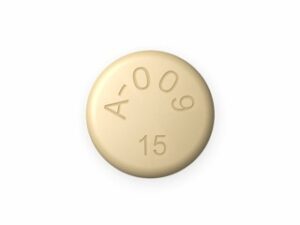
- Brands: Different brands may be available in Australia; the exact name depends on the manufacturer and formulation.
- Who it is for: Adults and some children, depending on diagnosis and formulation.
Availability, strengths, and formulation types can vary. If you’re unsure which product is right for you, ask your pharmacist.
How risperidone works (mechanism of action)
Risperidone primarily acts on brain receptors involved in perception, thinking, mood, and behaviour. Its effects include:
- Dopamine (D2) receptor activity: Helps reduce symptoms related to psychosis, such as hallucinations and delusions.
- Serotonin (5-HT2) receptor activity: Contributes to symptom improvement and may affect mood and anxiety-related symptoms.
- Other receptor effects: Involvement with alpha-adrenergic receptors can contribute to lowered blood pressure in some people; receptor interactions can also influence restlessness, sedation, and metabolism.
Because it modifies receptor activity, risperidone helps symptoms over time. Some people notice improvement early, while other effects may take weeks to fully develop.
Pharmacokinetics (how the body processes risperidone)
Pharmacokinetics describes what happens after you take risperidone—how it is absorbed, distributed, metabolised, and eliminated.
| Stage | What to expect |
|---|---|
| Absorption | Risperidone is absorbed after oral dosing. The body also converts it into an active metabolite called paliperidone. |
| Onset and time to peak | Levels rise after dosing. The exact timing of peak concentration can vary by formulation and individual factors. |
| Distribution | Risperidone and its active metabolite distribute through body tissues. The medicine reaches the brain to exert its therapeutic effect. |
| Metabolism | Risperidone is metabolised mainly in the liver. The active metabolite (paliperidone) contributes to overall effects. |
| Elimination | Risperidone and metabolites are eliminated primarily through the kidneys and partly through other pathways. |
| Half-life (practical implication) | The medicine remains active for long enough that it is often taken once or twice daily, depending on the regimen. |
People with kidney or liver impairment may require dose adjustments and closer monitoring. Inform your prescriber if you have any kidney or liver condition.
Typical use: what risperidone is commonly prescribed for
Risperidone is used for a range of conditions, including:
- Schizophrenia and other psychotic disorders in adults (and sometimes adolescents, depending on local product and clinical guidance)
- Bipolar disorder (for certain phases and symptom types)
- Irritability associated with autism spectrum disorder in children and adolescents (where clinically appropriate)
- Agitation or behavioural disturbance associated with certain conditions, in line with clinical judgement
- Conduct-related behavioural symptoms in certain settings (depending on diagnosis and local guidance)
Indications can vary by age group and product formulation. Your healthcare professional can explain whether risperidone matches your specific diagnosis and goals.
Timing and how to take risperidone
How quickly risperidone helps can differ from person to person. For many conditions, the medicine needs consistent daily use for several weeks to achieve full benefit.
When to take it
- Daily schedule: Many people take risperidone once daily or split dosing (e.g., morning and evening), depending on their prescribed regimen.
- Try to take at the same time: This helps maintain stable blood levels.
- If it causes drowsiness: Taking it in the evening may be suggested by your clinician.
Missed dose guidance
- If you miss a dose, take it when you remember unless it’s close to the next dose.
- Do not take a double dose to catch up.
- If you’re unsure, ask your pharmacist for advice based on your dosing schedule.
Stopping or changing dose
Do not stop risperidone suddenly without medical advice. If discontinuation is needed, clinicians generally taper to reduce the risk of symptom rebound and withdrawal-like effects.
Food interactions: can you take risperidone with meals?
Risperidone can generally be taken with or without food. However, consistent habits are helpful:
- With food: Some people find it more comfortable to take with meals if the medicine upsets their stomach.
- Without food: If it suits you, taking it on an empty stomach is often possible, but follow the advice of your pharmacist or prescriber.
- Consistency matters: Try to keep the timing relative to meals steady day to day.
If you have nausea, appetite changes, or stomach discomfort, talk to your healthcare professional—they may suggest timing or monitoring strategies.
Alcohol and medicine interactions
Alcohol
Drinking alcohol while taking risperidone is usually not recommended, as it may:
- Increase drowsiness or sedation
- Worsen dizziness or impaired coordination
- Increase the risk of falls, especially in older adults
Other medicines to be cautious with
Risperidone can interact with several types of medicines. The most relevant interaction areas include:
- Sedatives and sleep medicines (e.g., benzodiazepines, opioids, some antihistamines): may increase sedation
- Medicines that affect the heart rhythm (QT prolongation risk): may increase risk of abnormal heart rhythm
- Medicines that influence metabolism (liver enzymes): may change risperidone blood levels and effects
- Anticholinergic medicines: may add to constipation, dry mouth, or urinary retention
- Medicines that lower blood pressure or cause dizziness
- Diabetes-related medicines: risperidone can affect glucose and weight, sometimes requiring monitoring and adjustment
Always provide your pharmacist or clinician with a complete list of medicines, including over-the-counter products and supplements. If you start or stop any medicine, ask whether it affects risperidone.
Dosing: what is typical?
Dosing is individual and depends on the condition being treated, age, kidney/liver function, symptom severity, and tolerability. Clinicians generally start with a low dose and adjust gradually.
Important: The information below is general and not a personal dosing instruction.
General dosing approach
- Start low, go slow: This helps reduce side effects such as sleepiness, dizziness, or movement-related effects.
- Gradual titration: Dose increases may occur over days to weeks depending on response.
- Maintenance: Once stable symptom control is achieved, the lowest effective dose is often targeted.
When kidney impairment is present
Because risperidone and its active metabolite are eliminated partly through the kidneys, people with reduced kidney function may require a lower dose and closer monitoring.
When liver impairment is present
Dose adjustment may be necessary depending on liver function. Your clinician will advise if testing or monitoring is needed.
Safety profile: common and important side effects
Like all medicines, risperidone can cause side effects. Some are more common early in treatment; others may appear with longer use. Many side effects are manageable with dose adjustment and supportive care.
Common side effects
- Drowsiness or fatigue
- Dizziness, especially when standing up quickly
- Increased appetite and weight gain
- Constipation
- Dry mouth
- Sleep disturbance in some people (less common than sedation)
- Sexual side effects may occur (related to hormone effects)
Hormone-related effects (prolactin)
Risperidone may increase prolactin in the blood. This can lead to:
- Breast tenderness or swelling
- Unwanted breast discharge
- Menstrual changes
- Sexual dysfunction
If you notice these symptoms, speak with your clinician promptly. Monitoring may be advised.
Movement-related side effects
- Extrapyramidal symptoms (EPS) such as tremor, rigidity, or restlessness
- Akathisia (feeling unable to sit still)
- Tardive dyskinesia (involuntary movements, usually with long-term use)
Report new or worsening movement symptoms early. Clinicians may adjust the dose, switch therapy, or add supportive medication when appropriate.
Serious but less common risks
Seek urgent medical attention if you experience severe or concerning symptoms, such as:
- Allergic reaction: swelling of face/lips, rash, difficulty breathing
- Neuroleptic malignant syndrome (NMS): high fever, severe muscle stiffness, confusion, unstable blood pressure
- Severe dizziness or fainting (may indicate significant blood pressure changes)
- Signs of infection with unusual fever or severe weakness (rare blood effects may require evaluation)
- Uncontrolled movements that are rapidly worsening
- Chest pain, fainting, or palpitations (heart rhythm concerns)
Monitoring recommendations
Depending on your health profile and length of treatment, your clinician may recommend monitoring such as:
- Weight and waist circumference
- Blood pressure
- Blood sugar (glucose/HbA1c)
- Blood lipids (cholesterol and triglycerides)
- Movement symptom screening
- Prolactin-related symptoms
- General wellbeing and symptom tracking
Practical use tips (making treatment easier)
- Give it time: Symptom improvement may take weeks. Track your symptoms so you can discuss progress.
- Stay consistent: Take risperidone at the same times each day as directed.
- Rise slowly: If you feel dizzy, stand up slowly from sitting or lying positions.
- Plan for appetite changes: Monitor hunger and weight; consider healthier snack options and activity strategies.
- Manage constipation early: Drink adequate fluids, increase fibre, and consider discussing stool softening options with your pharmacist if needed.
- Watch for restlessness: If you develop intense inner restlessness, tell your clinician promptly.
- Avoid driving if drowsy: Until you know how the medicine affects you, avoid risky tasks.
- Keep a medication list: Bring your medicine list to appointments and share it at any urgent care visit.
Alternative options
Treatment choices depend on your diagnosis, symptom pattern, previous responses, and side effect profile. Alternatives may include:
- Other antipsychotics (depending on indication and tolerability)
- Mood stabilisers or other psychiatric medicines for bipolar-related symptoms
- Psychological and behavioural therapies (often used alongside medication for children and adolescents or for behavioural symptoms)
- Non-medication strategies: sleep routine, structured supports, and family/behavioural interventions for autism-related irritability
If risperidone isn’t suitable (for example, due to side effects), your clinician may consider changing dose, adjusting timing, or switching to a different option.
Market and legal context in Australia
In Australia, access to prescription-only medicines is regulated through the national medicines framework and state/territory healthcare systems. Risperidone is supplied under Australian medication scheduling rules, and pharmacists must verify appropriate authority and identity when dispensing.
Reputable online pharmacies in Australia generally require appropriate documentation and use secure processes to ensure medicines are supplied legally and safely. Availability, brand names, and formulation strengths can vary by supplier.
If you have questions about the legal supply process or delivery timelines, your online pharmacy support team can assist.
Recent guidance and clinical updates (high-level)
Mental health treatment guidance and safety monitoring practices are periodically updated. In recent years, several themes have remained consistent across professional recommendations in Australia and internationally:
- Use the lowest effective dose and review regularly.
- Regular physical monitoring for metabolic side effects (weight, glucose, lipids).
- Ongoing assessment of movement side effects and functional improvement.
- Careful dosing in children with symptom-focused monitoring and structured follow-up.
- Consider comorbidities (e.g., cardiovascular risk, diabetes risk, sleep apnoea, kidney impairment).
Your prescriber may also take into account evolving evidence about best practice monitoring and risk mitigation for antipsychotic medicines.
Delivery, availability, and ordering (Australia)
Availability of risperidone products may differ depending on the specific formulation (tablets vs oral solution) and strength. Online pharmacies in Australia may offer:
- Standard delivery within business days, depending on stock location
- Express options where available
- Tracking updates once the parcel is dispatched
Delivery times vary based on your postcode and whether the product is currently in stock. If a product is temporarily unavailable, you may be offered alternatives that meet the same clinical need.
Before placing an order, check:
- Product strength and formulation type
- Expiration date and pack size
- Delivery address and contact details
- Any substitution policy (for example, generic vs brand)
FAQ: Risperidone
1) How long does it take for risperidone to work?
Some people notice changes within days to 1–2 weeks, but full benefit often takes several weeks. Your clinician may review your response and side effects early and then again over time.
2) Can risperidone cause weight gain?
Yes, weight gain and increased appetite are possible. Monitoring weight and discussing lifestyle strategies early can help manage this risk.
3) Is it safe to drive after taking risperidone?
It may affect alertness and cause drowsiness, especially at the start or after dose increases. Avoid driving or operating machinery until you know how it affects you.
4) What should I do if I feel very sleepy?
Tell your healthcare professional. They may adjust the timing or dose. Do not increase or change your dose without advice.
5) Can I take risperidone with other medications?
Many medicines can be used alongside risperidone, but interactions are possible. Always share your full medication list with your pharmacist, including over-the-counter products and supplements.
6) What about alcohol?
Alcohol may increase sedation and dizziness. It’s generally best to avoid alcohol or discuss safe limits with your healthcare professional.
7) What side effects mean I should seek urgent help?
Seek urgent medical care if you experience symptoms such as severe allergic reaction, high fever with muscle stiffness/confusion, fainting, severe chest pain/palpitations, or rapidly worsening movements.
8) Can risperidone be taken with food?
In most cases, risperidone can be taken with or without food. Keep your routine consistent and follow the instructions for your specific product.
9) Are there alternatives if risperidone doesn’t suit me?
Yes. Alternatives may include other antipsychotics, different psychiatric medicines depending on the diagnosis, and psychological/behavioural therapies. Discuss options with your clinician.
10) How should I manage missed doses?
If you miss a dose, take it when you remember unless it’s close to the next dose. Do not double up. Ask your pharmacist if you’re unsure.
Summary
Risperidone is an antipsychotic medicine used for conditions such as psychosis, bipolar-related symptoms, and certain behavioural difficulties in children and adolescents (depending on the diagnosis and local product guidance). It works mainly by affecting dopamine and serotonin receptors in the brain.
Successful and safe use depends on consistent daily dosing, careful attention to side effects, and appropriate monitoring—particularly for metabolic effects, movement symptoms, and hormone-related changes. If you have questions about suitability, interactions, or managing side effects, speak with a pharmacist or healthcare professional.