
Rumalaya (Ayurvedic Medicine) — Patient Guide (Australia)
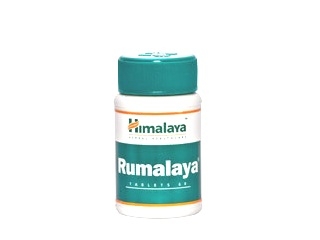
Rumalaya is a commonly used herbal medicine in Australia for the relief of joint discomfort and stiffness. This page explains what Rumalaya is, how it may work in the body, how it’s typically taken, important safety information, and practical tips to get the best results. Always read the product label and talk to a pharmacist or doctor if you have questions—especially if you are pregnant, breastfeeding, have chronic medical conditions, or take other medicines.
Quick Product Information
| Feature | What to know |
|---|---|
| Product name | Rumalaya (herbal/ayurvedic joint pain relief product) |
| Common purpose | Helps relieve pain and stiffness associated with joint discomfort |
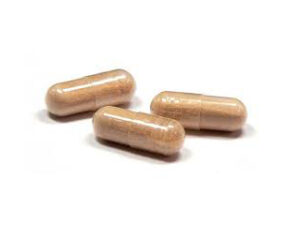
| Typical form | Oral tablets or capsules (exact form varies by brand/market listing) |
| How it’s usually used | Taken by mouth in divided doses; timing depends on the specific product label |
| Audience | Adults seeking non-prescription relief for mild to moderate joint discomfort |
Note: Rumalaya formulations may vary by product version and packaging. Always confirm the exact ingredients and directions on your specific Australian product label.
What is Rumalaya?
Rumalaya is an oral herbal medicine used by many people to help manage joint pain and stiffness. It is generally intended for day-to-day musculoskeletal comfort—such as discomfort that can occur with normal activity, ageing-related changes, or minor inflammatory flares.
While Rumalaya is widely used, individual responses vary. Some people feel effects within days; others benefit more gradually with consistent use.
How Rumalaya May Work (Mechanism of Action)
As an herbal product, Rumalaya’s exact mechanisms can be complex and may involve multiple plant components. In general, many users and healthcare professionals consider it for potential effects on:
- Inflammation pathways: Some herbal ingredients used in products like Rumalaya are traditionally described as having anti-inflammatory activity, which may help reduce inflammation-related discomfort.
- Pain modulation: Relief may occur through effects on inflammatory signalling and related pain perception mechanisms.
- Joint comfort and mobility: By reducing discomfort and stiffness, it may support easier movement and daily function.
Important: Herbal medicines are not identical to conventional anti-inflammatory drugs, and they may not work the same way for every person.
Pharmacokinetics (What Happens After You Take It)
Pharmacokinetics describes how a medicine is absorbed, distributed, metabolised, and eliminated. For herbal products like Rumalaya, pharmacokinetic data can be limited or vary between specific formulations. However, typical considerations for oral herbal medicines include:
- Absorption: Active herbal constituents are absorbed from the gastrointestinal tract. Absorption can be influenced by food and individual gut conditions.
- Distribution: Constituents may distribute through body tissues, including areas relevant to musculoskeletal discomfort.
- Metabolism: Many herbal constituents are metabolised in the liver and/or gut.
- Elimination: Metabolites are eventually cleared from the body, primarily via urine and/or bile.
Practical takeaway: For best results, use Rumalaya consistently and follow the label directions. If you miss a dose, do not “double up” unless the product label says to do so.
Typical Uses (Indications)
Rumalaya is commonly used for symptom relief related to joint discomfort. People often choose it to help manage:
- Joint pain and aching discomfort
- Stiffness, especially after rest or reduced mobility
- Discomfort associated with day-to-day musculoskeletal strain
- Support for comfort during ongoing joint conditions
If you have a diagnosed condition such as inflammatory arthritis, gout, or a systemic inflammatory illness, discuss options with a healthcare professional. Herbal products may complement care, but they should not replace appropriate medical management.
Dosing and How to Take Rumalaya
Always follow the dosing instructions on the specific Australian product label. The information below is general and should be used only as a guide.
Typical adult dosing approach
- Many herbal joint products are taken two to three times daily for symptom relief.
- Some regimens specify taking doses after meals to improve stomach comfort and reduce potential irritation.
- The number of tablets/capsules per dose depends on the product strength and ingredient concentration.
Timing (when to take your doses)
A common pattern is to take Rumalaya at intervals throughout the day, for example:
- Morning: after breakfast
- Midday/afternoon: after lunch
- Evening: after dinner
If the label directs a different schedule, follow that instead. If you experience stomach upset, you may consider taking it with food (if consistent with the label).
How long to try: Many people assess benefit after at least 1–2 weeks of consistent use. If there is no improvement, or symptoms worsen, stop and seek advice.
Food Interactions and Stomach Comfort
Herbal medicines can interact with food by changing absorption or by affecting gastrointestinal comfort. For Rumalaya, a practical approach is:
- Taking with food: Often preferred if your stomach is sensitive. It may also help reduce nausea or indigestion.
- Avoid taking on an empty stomach: If the product label does not specifically recommend it, taking with meals is usually safer for comfort.
- Stay consistent: Keep your routine similar day to day so your body can adapt.
If you have gastrointestinal conditions (e.g., gastritis, reflux), consult your pharmacist before use.
Alcohol and Medicine Interactions
Alcohol
Alcohol may increase the risk of stomach irritation and can worsen dehydration or dizziness in some people. For the safest approach while using Rumalaya:
- Limit or avoid alcohol if you notice side effects.
- If you drink alcohol, separate it from your dose when possible and monitor how you feel.
Interactions with other medicines
Because Rumalaya is an herbal product, there may be potential interactions with other medications—particularly those affecting the liver, blood clotting, blood sugar, or immune function. Herbal ingredients can also alter how other products are metabolised.
Talk to a pharmacist before using Rumalaya if you take:
- Blood thinners (e.g., warfarin) or antiplatelet medicines (e.g., clopidogrel)
- Diabetes medicines (insulin, metformin, and others)
- Immunosuppressants
- Anti-inflammatory or pain medicines (NSAIDs, corticosteroids, or regular paracetamol)
- Medicines with liver considerations
If you are taking multiple medicines, keep a list and show it to your healthcare professional. Never start or stop prescription therapy without guidance.
Safety Profile and Side Effects
Most people tolerate Rumalaya well when used as directed. However, herbal medicines can still cause side effects. If you experience any serious reaction, stop use and seek medical help promptly.
Common mild side effects (if they occur)
- Stomach discomfort, indigestion, nausea
- Headache or mild dizziness
- Changes in bowel habits
Seek urgent help if you notice
- Swelling of the face, lips, tongue, or throat
- Breathing difficulties or severe wheezing
- Rash/hives with worsening symptoms
- Severe abdominal pain or persistent vomiting
- Yellowing of the skin/eyes (jaundice) or dark urine
Who should be extra careful
- Pregnancy or breastfeeding: Check suitability with a healthcare professional before use.
- Children: Use is generally for adults; confirm with the label and seek advice for any child use.
- Liver or kidney disease: Herbal medicines may require closer monitoring.
- History of allergies to herbal products: Consider allergy risk before using.
Quality matters: Choose products from reputable sources with clear labelling, batch information, and compliance with Australian import and quality requirements.
Practical Use Tips (How to Get the Best Results)
- Start consistently: Take Rumalaya at the same times each day as directed on the label.
- Track symptoms: Note pain/stiffness levels and mobility before starting, then reassess after 1–2 weeks.
- Pair with joint-friendly habits: Gentle stretching, regular low-impact exercise (e.g., walking), and maintaining a healthy weight can improve joint comfort.
- Use supportive strategies: Warm compresses in the morning and rest during flares may help.
- Don’t ignore red flags: If you have sudden severe pain, hot swollen joints, fever, or unexplained swelling, seek medical advice.
- Avoid overuse: Herbal products are not meant to mask serious symptoms indefinitely.
Alternatives and Complementary Options
If Rumalaya is not suitable or doesn’t provide enough relief, there are other options available in Australia:
Non-medicine approaches
- Physiotherapy and guided strengthening
- Heat/ice therapy for flare-ups
- Exercise programs designed for joint health (strength, mobility, balance)
- Ergonomic adjustments (work posture, footwear support)
Conventional over-the-counter options
- Paracetamol for pain relief (follow label directions)
- Topical anti-inflammatories (where appropriate)
- Oral NSAIDs for certain adults (only if safe for you—check contraindications)
Other complementary approaches
- Glucosamine/chondroitin (varies by person)
- Omega-3 supplementation (supportive evidence for some inflammatory conditions)
- Turmeric/curcumin supplements (may interact with blood thinners in some people)
If you’re choosing between options, a pharmacist can help you compare suitability based on your medical history and other medicines.
Rumalaya in the Australian Market: Legal and Quality Context
In Australia, complementary medicines (including many herbal products) are regulated under the Australian regulatory framework and generally require compliance with labelling, quality, and safety standards. Availability in online pharmacies may depend on product classification, import status, and regulatory acceptance.
When buying online, look for:
- Clear product name and active ingredients (as listed by the manufacturer)
- Batch/lot details or expiry date
- Directions for use, warnings, and storage instructions
- Responsible sourcing and reputable supply chain
Important: This information is general and does not replace the specific instructions on your product label.
Recent Guidance and Updates (How to Stay Informed)
Guidance for complementary medicines can evolve, including updates to labelling requirements, quality expectations, and consumer safety recommendations. To stay up to date:
- Read product updates from the manufacturer or supplier.
- Check official Australian health or regulatory announcements when available.
- Ask your pharmacist about the latest safety information relevant to herbal joint products.
If you have concerns about safety, drug interactions, or quality assurance, consult a pharmacist before use.
Delivery and Availability in Australia
Rumalaya may be available through online pharmacies or reputable e-commerce health retailers that meet Australian regulatory requirements. Delivery options can vary by supplier.
What to expect
- Dispatch times: Often within 1–2 business days (varies by retailer).
- Delivery services: Standard and express options may be available.
- Tracking: Many suppliers provide tracking details once dispatched.
- Stock availability: Herbal products can sell out; restocking schedules vary.
During checkout, confirm your delivery suburb/state and any shipping cut-off times. If you’re planning travel or need regular supply, consider ordering early to avoid delays.
FAQ About Rumalaya
1. What is Rumalaya used for?
Rumalaya is commonly used for joint pain and stiffness and may help improve day-to-day joint comfort. Results vary by individual.
2. How do I take Rumalaya?
Take it according to the instructions on the specific label for your product (tablets/capsules and frequency). Many users take it after meals to improve stomach comfort.
3. When should I start feeling better?
Some people notice improvements within several days, while others benefit after 1–2 weeks of consistent use. If there’s no benefit or symptoms worsen, stop and seek advice.
4. Can I take Rumalaya with other pain medicines?
Some combinations may be possible, but you should check with a pharmacist—especially if you take NSAIDs regularly, corticosteroids, or multiple pain-relief products. Avoid doubling up on ingredients that overlap in effect.
5. Does Rumalaya interact with alcohol?
Alcohol may increase stomach irritation and can worsen how you feel. If you drink, consider limiting alcohol and monitor for side effects. Ask your pharmacist if you have concerns.
6. Can Rumalaya be taken on an empty stomach?
If the label doesn’t recommend empty-stomach dosing, taking it with food is often a better option for comfort. Always follow the label directions.
7. Who should not use Rumalaya?
People with known allergies to herbal products, and those who are pregnant or breastfeeding, should consult a healthcare professional before use. Extra caution is also advised for those with liver/kidney issues or complex medication regimens.
8. What should I do if I miss a dose?
Take the missed dose when you remember unless it’s close to the next dose. Don’t double up unless the product label says so.
9. How should I store Rumalaya?
Store according to the product label—typically in a cool, dry place, away from direct sunlight and out of reach of children. Keep the container tightly closed.
10. Are there alternatives if Rumalaya doesn’t help?
Yes. Options can include lifestyle measures (exercise, heat/ice), physiotherapy, and other pain relief products available in Australia. A pharmacist can help you choose the most suitable approach for your symptoms.
Disclaimer: This website content provides general information about Rumalaya. It is not a substitute for personalised medical advice. If you have persistent, severe, or worsening symptoms, or signs of an acute flare (such as swelling, redness, fever, or sudden loss of function), seek medical advice promptly.