Rybelsus (Semaglutide) – Patient-Friendly Guide (Australia)
Rybelsus is an oral medicine containing semaglutide, a medication used to improve blood sugar control in adults with type 2 diabetes. It belongs to a class of medicines called GLP‑1 receptor agonists. In Australia, it is available as an oral tablet taken by mouth, unlike many GLP‑1 medicines that are injectable.
This guide explains how Rybelsus works, typical use, timing, food and alcohol interactions, safety information, practical tips, and what to expect. It also includes general information about the Australian market and delivery/availability considerations.
Quick facts
- Medicine: Rybelsus (semaglutide)
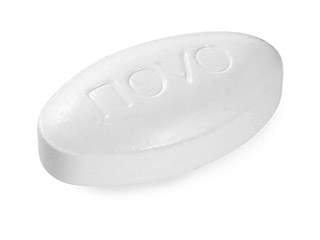
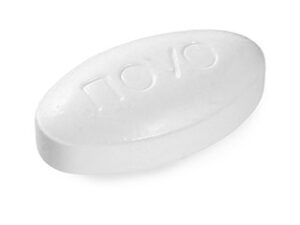
- Form: Oral tablet
- Common purpose: Improving blood sugar control in type 2 diabetes
- How it works: Mimics GLP‑1 to increase insulin release when glucose is high, reduce glucagon, and slow stomach emptying
- Key timing rule: Take on an empty stomach with a small amount of water, then wait before eating
- Common side effects: Nausea, vomiting, diarrhoea, constipation, indigestion (often dose-related)
Basic product information
Rybelsus is marketed in different strengths. Your dose is usually increased gradually to reduce gastrointestinal side effects. The exact tablet strength and titration plan should follow your clinician’s instructions and the product information.
| Category | Details (general) |
|---|---|
| Active ingredient | Semaglutide |
| Medicine type | GLP‑1 receptor agonist |
| Route | Oral tablet (swallowed) |
| Typical use | Type 2 diabetes management (as part of a broader plan) |
| When to take | Morning, on an empty stomach, then wait before eating |
| Strengths | Available in multiple tablet strengths; dosing is titrated |
How Rybelsus works (mechanism of action)
Semaglutide acts on the GLP‑1 (glucagon-like peptide‑1) receptors. GLP‑1 is a hormone your body naturally produces after meals. Rybelsus helps to:
- Increase insulin release from the pancreas when blood glucose is high, helping lower sugar levels.
- Reduce glucagon, a hormone that raises blood glucose, especially after meals.
- Slow gastric (stomach) emptying, which can reduce post-meal glucose spikes and may increase fullness.
- Support appetite regulation, which can contribute to weight reduction in some people.
Importantly, because its insulin effect is glucose-dependent, semaglutide has a lower intrinsic risk of causing hypoglycaemia compared with some other diabetes medicines—though the risk can rise if used alongside insulin or certain sulfonylureas.
Pharmacokinetics (what the body does with semaglutide)
Pharmacokinetics describes how the medicine is absorbed, distributed, metabolised, and excreted. For Rybelsus, key points include:
- Absorption is sensitive to food: Taking the tablet with food can reduce absorption.
- Empty-stomach instructions matter: The medicine is designed to be taken under fasting conditions to achieve consistent exposure.
- Long duration of action: Semaglutide has a prolonged effect, allowing once-daily dosing.
- Metabolism: Semaglutide is processed primarily via natural protein breakdown pathways.
- Elimination: The medicine and its breakdown products are cleared mainly through renal and hepatic (body processing) routes.
Your individual response may vary based on age, kidney and liver function, other medicines, and adherence to timing instructions.
Typical use and broader diabetes care
Rybelsus is used as part of a diabetes management plan that may include:
- Healthy eating strategies
- Regular physical activity
- Monitoring blood glucose (as advised)
- Managing other cardiovascular risk factors
- Appropriate use of other glucose-lowering medicines if needed
People often notice improvements over time rather than immediately. Dose increases are usually gradual, and side effects often improve as the body adapts.
Timing: how to take Rybelsus correctly
Taking Rybelsus the right way is essential for best effect. Follow the instructions in the product information and your clinician’s advice. As a general guide:
- Take once daily, typically in the morning.
- On an empty stomach: Take the tablet after an overnight fast.
- With a small amount of water: Use plain water only (avoid other drinks).
- Wait before eating: After taking the tablet, wait a specified period (commonly 30 minutes) before having food or other oral medications. This helps absorption.
- Swallow tablets whole—do not crush or chew.
If you miss a dose, take it only if you can still do so within the recommended timeframe for your dosing schedule. Otherwise, skip and resume the next day. Do not take a double dose to make up for a missed tablet.
Food interactions (and why timing is crucial)
Food can reduce the absorption of semaglutide. Therefore:
- Do not take Rybelsus with meals or within the fasting-to-food waiting window.
- Avoid taking it with coffee, milk, juice, or other beverages other than plain water.
- Keep routine consistent: changing your morning schedule can affect absorption.
If you have reflux, nausea, or irregular eating patterns, discuss strategies with your healthcare professional. Some people find it helpful to set a daily routine (e.g., taking the tablet immediately after waking) to support consistency.
Alcohol and medicine interactions
Alcohol does not directly “cancel out” semaglutide, but it can affect blood sugar and increase the likelihood of side effects such as nausea and stomach upset. Alcohol also raises the risk of hypoglycaemia when combined with certain diabetes medicines.
- Hypoglycaemia risk: Higher if you use Rybelsus alongside insulin or sulfonylureas (e.g., gliclazide, glimepiride).
- Gastrointestinal effects: Alcohol may worsen nausea, vomiting, and diarrhoea in some people.
- Pancreas concerns: GLP‑1 medicines are associated with important warnings regarding pancreatitis in rare cases. Alcohol is a known risk factor for pancreatitis in some individuals.
Practical approach: if you choose to drink alcohol, keep it moderate, avoid binge drinking, and monitor how you feel and how your glucose responds. Ask your clinician for personalised advice, especially if you are on insulin or sulfonylureas.
Indications: who Rybelsus is for
Rybelsus is indicated for the treatment of type 2 diabetes mellitus to improve glycaemic control, typically as an adjunct to diet and exercise. It may be used alone or combined with other glucose-lowering medicines depending on your individual situation.
Your healthcare professional may consider Rybelsus if you need:
- Improved blood sugar control
- Additional benefits such as weight management support
- A GLP‑1 receptor agonist option where an oral formulation is preferred
Not all people with type 2 diabetes are suitable for semaglutide. Suitability depends on medical history, potential risk factors, kidney/liver function, and medication interactions.
Dosing: typical titration and maintenance
Dosing for Rybelsus is commonly started at a lower strength and increased gradually (titration) to improve tolerability. Exact dosing can differ between countries and individual cases, so always follow the regimen provided with your product and clinician guidance.
General dosing principles:
- Start low, go slow: Begin at an initial dose to reduce gastrointestinal side effects.
- Titrate based on response and tolerability: Dose increases are usually spaced over several weeks.
- Once-daily schedule: Keep dosing consistent; do not adjust frequently without advice.
- Use with other medicines: If you are taking insulin or a sulfonylurea, dose adjustments may be needed to reduce hypoglycaemia risk.
If you experience persistent vomiting, inability to keep fluids down, or severe stomach symptoms, contact your healthcare provider promptly. Dehydration can become a concern and may affect safety.
Safety profile: what to watch for
Like all medicines, Rybelsus can cause side effects. Many are gastrointestinal and often improve after the dose is increased more slowly or after your body adapts. However, some symptoms can signal serious problems and require medical attention.
Common side effects
- Nausea
- Vomiting
- Diarrhoea
- Constipation
- Indigestion / feeling of fullness
- Reduced appetite
- Headache (reported in some people)
Hypoglycaemia (low blood sugar)
Semaglutide alone has a lower risk of causing hypoglycaemia. The risk rises if combined with:
- Insulin
- Sulfonylureas (such as gliclazide or glimepiride)
Symptoms of hypoglycaemia can include sweating, shaking, dizziness, hunger, confusion, or palpitations. If you are at risk, your care team may recommend how to monitor glucose and whether medication adjustments are needed.
Serious warnings (seek urgent medical advice)
Contact a healthcare professional urgently if you experience signs that could indicate a serious reaction or complication, such as:
- Symptoms of pancreatitis: severe upper abdominal pain (sometimes radiating to the back), persistent vomiting.
- Severe allergic reactions: swelling of the face/lips/tongue, difficulty breathing, severe rash.
- Severe dehydration: dizziness, fainting, very reduced urination, inability to keep fluids down.
- Worsening kidney function (especially if vomiting/diarrhoea leads to dehydration).
Other safety considerations
- Gallbladder problems: GLP‑1 medicines have been associated with gallbladder-related events. Seek advice if you develop right upper abdominal pain, fever, or yellowing of the skin/eyes.
- Diabetic retinopathy: People with pre-existing retinopathy should be monitored, particularly if glucose levels improve quickly.
- Weight change: Weight loss may occur; avoid rapid unintended weight loss. Discuss expectations with your clinician.
Practical use tips (to improve comfort and results)
- Stick to the empty-stomach routine: Set a consistent morning schedule to maximise absorption and reduce variability.
- Eat smaller meals if you feel full: Since stomach emptying may slow, large or fatty meals can worsen nausea.
- Hydrate well: Especially if you experience diarrhoea or vomiting. Take sips of water throughout the day.
- Manage side effects during titration: If nausea occurs, talk with your clinician; sometimes a slower titration or dietary adjustments help.
- Be cautious with other glucose-lowering medicines: If you take insulin or a sulfonylurea, ask whether you need dose changes to reduce hypoglycaemia.
- Track blood sugar: Follow your care plan for home monitoring, especially during dose changes or if you feel unwell.
- Do not stop abruptly without advice: Decisions about continuing or stopping should be made with your healthcare professional.
Alternative options (if you can’t use Rybelsus or need a different approach)
Depending on your health profile, preferences, and treatment goals, your clinician may consider alternative diabetes therapies. Options may include:
- Other GLP‑1 receptor agonists (injectable and oral options depending on availability)
- DPP‑4 inhibitors (oral medicines that increase incretin levels)
- Metformin (often first-line unless unsuitable)
- SGLT2 inhibitors (oral medicines that increase glucose loss in urine)
- Insulin (in appropriate cases)
- Sulfonylureas (oral medicines; hypoglycaemia risk is higher)
The best alternative depends on your kidney function, cardiovascular risk, weight goals, risk of hypoglycaemia, side effect tolerance, and access to therapies.
Australia: market and legal context
In Australia, diabetes medicines such as semaglutide are regulated by the Australian Therapeutic Goods Administration (TGA) and must meet requirements for quality, safety, and efficacy. Medicines are supplied via recognised pharmacy channels, and availability can change over time due to supply, prescribing practices, and product updates.
For an online pharmacy customer, important considerations include:
- Genuine supply: Choose an Australian pharmacy that sources products through appropriate distribution channels.
- Stock updates: Tablet strengths and quantities may have different availability depending on supply schedules.
- Cold chain not typically required: Semaglutide tablets generally do not require refrigeration; however, storage conditions should follow packaging instructions.
- Up-to-date product info: Follow current product information and guidance for dosing and side effects.
Recent guidance and monitoring (general information)
Diabetes treatment guidance is periodically updated by Australian and international bodies, and clinical practice adapts as new evidence emerges. In general, ongoing monitoring includes:
- Blood glucose levels (and/or HbA1c as advised)
- Body weight and appetite changes
- Kidney function if you experience vomiting/diarrhoea or have pre-existing kidney disease
- Signs of complications such as gallbladder symptoms, pancreatitis symptoms, or severe dehydration
- Eye monitoring if you have diabetic retinopathy
If you have been advised to monitor more frequently—especially during dose adjustments—follow that plan. If you develop new or worsening symptoms, contact your healthcare provider.
Delivery and availability (what to expect when ordering online)
Availability can vary by supplier and product strength. When ordering Rybelsus online in Australia, typical expectations include:
- Stock status: Some strengths may be temporarily out of stock; delivery estimates may depend on location.
- Packaging: Products should arrive in original packaging with clear labelling and patient information.
- Dispatch times: Dispatch may occur same business day or within a set timeframe depending on inventory.
- Shipping timeframes: Delivery times vary with courier services and state/territory location.
To avoid delays, ensure your delivery address details are correct and that someone can accept the parcel if needed. Always check the product strength and expiry date upon arrival.
FAQ – Rybelsus (Semaglutide)
1) What is Rybelsus used for?
Rybelsus (semaglutide) is used to improve blood sugar control in adults with type 2 diabetes. It is used alongside diet and exercise as part of an overall care plan.
2) How do I take Rybelsus correctly?
Take it once daily in the morning on an empty stomach with plain water, then wait the recommended time before eating or taking other oral medicines. Follow the exact timing guidance in the product information provided with your tablets.
3) Can I take Rybelsus with food?
It is not recommended. Food can reduce absorption, which may lower effectiveness. For best results, take it on an empty stomach and follow the required waiting period before meals.
4) What side effects are common?
The most common side effects are gastrointestinal, including nausea, vomiting, diarrhoea, constipation, and indigestion. These often occur during dose increases and may improve over time.
5) Does Rybelsus cause low blood sugar?
Rybelsus alone has a relatively low risk of hypoglycaemia. The risk can increase if you are also taking insulin or a sulfonylurea. If you experience symptoms of low blood sugar, seek advice promptly.
6) What should I do if I miss a dose?
If you miss a dose, take it only if you can do so within the recommended timeframe for your dosing schedule. Otherwise, skip it and take the next dose at the usual time. Do not take a double dose.
7) Can I drink alcohol while taking Rybelsus?
Alcohol may worsen nausea and affect blood sugar. If you use insulin or sulfonylureas, hypoglycaemia risk can rise. For personalised advice, discuss alcohol use with your healthcare professional.
8) Are there any serious symptoms I should watch for?
Yes. Seek urgent medical advice if you develop severe abdominal pain (sometimes radiating to the back) with persistent vomiting (possible pancreatitis), signs of allergic reaction, or symptoms of dehydration.
9) What if I get persistent vomiting or can’t keep fluids down?
Contact a healthcare professional promptly. Persistent vomiting can lead to dehydration and may affect kidney function.
10) What are the alternative treatments if semaglutide isn’t suitable?
Alternatives may include other GLP‑1 medicines, metformin, SGLT2 inhibitors, DPP‑4 inhibitors, or insulin—depending on your individual health needs.
Important patient reminder
This content is general information to help you understand Rybelsus (semaglutide). Individual suitability, dosing, and monitoring should always be guided by a healthcare professional. If you have questions about side effects, interactions, or correct tablet timing for your routine, seek advice promptly.