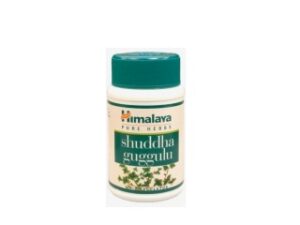
Shallaki (Boswellia serrata extract) — Patient-Friendly Guide (Australia)
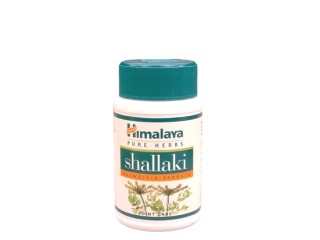
Shallaki is a herbal medicine traditionally used to support joint comfort and mobility. It contains Boswellia serrata, an extract commonly standardised for boswellic acids. Many people choose Shallaki as a natural option for everyday aches and stiffness, particularly where inflammation may play a role.
This guide is designed to help you understand what Shallaki is, how it works, how to take it, what to watch for, and what other options may be available in Australia.
Quick product summary
| Category | Details |
|---|---|
| Medicine type | Herbal medicine / natural product containing Boswellia serrata extract |
| Common uses | Support for joint comfort and mobility; may help with inflammatory-related stiffness |
| Active constituents | Boswellic acids (exact standardisation varies by product and formulation) |
| How it’s taken | Oral capsules or tablets (follow your specific product directions) |
| Time to effect | May take several weeks of consistent use to notice meaningful changes |
What is Shallaki?
Shallaki is a proprietary or branded herbal extract made from Boswellia serrata, a tree resin traditionally used in Ayurvedic medicine. Modern formulations aim to concentrate specific components (notably boswellic acids) that are thought to contribute to anti-inflammatory and pain-support properties.
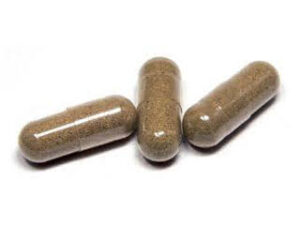
In Australia, products labelled as “Shallaki” are typically supplied as capsules and are marketed for joint health and comfort. The exact strength and formulation can differ, so always check the Supplement Facts / Ingredients and the Directions for Use on your pack.
How Shallaki works (mechanism of action)
While herbal medicines are complex mixtures, Boswellia extracts are studied for a few potential mechanisms relevant to joint comfort:
- Anti-inflammatory effects: Boswellic acids may influence inflammatory pathways involved in swelling and discomfort.
- Leukotriene pathway support: Some components are associated with modulation of enzymes involved in leukotriene production (a pathway often linked to inflammation).
- Supporting cartilage and tissue environment: By reducing inflammatory signals, the joint environment may become more comfortable over time.
Important note: The body’s response varies. Herbal extracts can take time, and results depend on the cause and type of joint symptoms, your baseline health, and consistent use.
Pharmacokinetics (how your body processes it)
Pharmacokinetics refers to absorption, distribution, metabolism, and excretion. For Boswellia extracts, the available evidence suggests that:
- Absorption can be variable: Absorption of boswellic acids depends on formulation and how they dissolve in the digestive tract.
- Effect of fat/meal: Food, especially meals containing fat, may influence absorption for certain extracts.
- Metabolism: Boswellic acid components are processed in the body through metabolic pathways typical of many polyphenolic compounds.
- Elimination: Excretion occurs via normal routes (primarily through metabolism into metabolites that leave the body).
Because specific pharmacokinetic data differ by extract type and product standardisation, follow the dose and timing described on your particular Shallaki label.
Typical use and who it may suit
Shallaki is most commonly used as a supportive option for joint comfort, especially when symptoms are linked to inflammation or stiffness.
Typical scenarios where people consider it include:
- Mild to moderate joint aches associated with everyday activity
- Stiffness that feels worse after rest
- Support as part of a broader approach including exercise, weight management, and good joint habits
Not a quick fix: Many people report gradual changes rather than immediate relief. If you’re expecting rapid pain relief, you may be disappointed—consider discussing faster-acting options with your pharmacist.
Indications (what it’s used for)
In consumer terms, Shallaki products are generally indicated for:
- Joint discomfort and mobility support
- Inflammation-associated symptoms affecting comfort and movement
Always check your specific pack’s directions: In Australia, labels can differ between brands and formulations, and not every product includes the same indication statements.
How to take Shallaki (dosing and timing)
Because dosage varies by product strength, the most reliable guide is the Directions for Use printed on your Shallaki packaging. Below is a patient-friendly general approach used for many Boswellia-based products.
Typical adult dosing approach
- Common starting regimens: Many Boswellia extract products use a twice-daily or once- to twice-daily schedule.
- Follow the label: The number of capsules and the frequency should match your product’s standardisation and intended use.
Timing with meals
- It is often recommended to take Shallaki with or after food to improve tolerance and support absorption.
- If your label provides specific guidance (e.g., morning and evening), maintain that schedule for consistency.
How long until you feel results?
Many users notice changes after 2–6 weeks of consistent use. If you don’t notice any improvement by about 8–12 weeks, consider reassessing the approach with a healthcare professional or pharmacist.
Example timing schedule (illustrative)
- Morning: Take with breakfast
- Evening: Take with dinner
Tip: Choose times you can remember. Consistent daily use matters more than “catch-up” doses.
Food interactions
Although Shallaki is not typically described as having major food-drug interactions, food can influence absorption and stomach tolerance.
General guidance:
- Take with food if you experience stomach discomfort on an empty stomach.
- If your product instructions specify timing relative to meals, follow those instructions.
- Maintain consistency (e.g., always with breakfast and dinner) to reduce day-to-day variation.
Herbal and dietary context: If you also use other herbal anti-inflammatory products, keep an eye on whether you develop side effects such as stomach upset.
Alcohol interactions and safety considerations
There is limited direct evidence describing a specific interaction between Shallaki and alcohol. However, as with many oral health supplements:
- Moderate alcohol is generally unlikely to cause an acute interaction for most people.
- Avoid excessive alcohol if you are using multiple medicines or supplements, or if you have liver-related concerns.
- If you notice increased stomach irritation, nausea, or headaches after drinking while taking Shallaki, consider separating intake or reducing alcohol.
Seek advice if you have existing liver disease or if you take other medicines that affect the liver.
Medicine interactions (including common prescription and non-prescription medicines)
Herbal medicines can interact with medicines through effects on liver metabolism and absorption. Evidence for boswellia interactions is still developing, and interaction risk may vary by dose, extract type, and your individual health.
It’s especially important to check with a pharmacist if you take:
- Blood-thinning medicines (e.g., warfarin) or antiplatelet medicines
- Anti-inflammatory medicines (including NSAIDs), especially if you use them regularly
- Medicines affecting the liver or with known liver metabolism concerns
- Diabetes or blood pressure medicines if you notice unexpected changes in symptoms
Practical interaction prevention:
- Tell your pharmacist about all products you take, including vitamins, minerals, and herbal therapies.
- Start with the label dose and do not stack multiple similar anti-inflammatory products without advice.
- If you notice unusual bruising, bleeding, severe stomach pain, rash, or worsening symptoms, stop and seek advice promptly.
Safety profile and side effects
Shallaki is generally considered well tolerated by many people when used as directed. As with any medicine, side effects can occur.
Common or mild side effects
- Stomach upset, indigestion, or nausea
- Headache (in some individuals)
- Loose stools or mild gastrointestinal changes
Less common but important warnings
- Allergic reactions: rash, itching, swelling, wheezing, or severe dizziness
- Severe gastrointestinal symptoms: persistent vomiting, severe abdominal pain, or blood in stool
If you suspect an allergy or experience severe symptoms, stop taking Shallaki and seek medical help immediately.
Who should take extra care?
- Pregnancy and breastfeeding: Speak with a pharmacist or healthcare professional before use.
- Children: Only use if the product label specifically allows it for the child’s age.
- Liver or kidney disease: Consider professional advice, especially if you have known conditions or abnormal liver tests.
- Upcoming surgery: Discuss all supplements with your clinician.
Practical use tips for best results
- Be consistent: Take it at the same times daily.
- Track changes: Consider rating morning stiffness, pain during activity, and mobility weekly.
- Support with movement: Gentle exercise (e.g., walking, cycling, mobility work) often improves joint comfort over time.
- Consider diet and lifestyle: Adequate protein, weight management, and good sleep can influence inflammation.
- Don’t expect immediate relief: Allow a few weeks before judging effectiveness.
- Take with food if sensitive: This can improve tolerability.
Alternative options for joint comfort in Australia
If Shallaki isn’t suitable for you, there are other approaches. Depending on the underlying condition and severity, options may include:
Other herbal or natural products
- Turmeric/curcumin extracts (often standardised for curcuminoids)
- Glucosamine and/or chondroitin (more commonly used for osteoarthritis support)
- Omega-3 fish oil (may help some people with inflammatory symptoms)
- Collagen peptides (some users report improved comfort with consistent use)
Non-herbal options
- Topical anti-inflammatory gels for targeted joint areas
- Physiotherapy and exercise programs tailored to your joints
- Pain-relief and anti-inflammatory medicines if appropriate for you and consistent with Australian guidance
Choosing the right option: The “best” alternative depends on whether your joint symptoms are mechanical (wear and tear), inflammatory, or related to another condition. A pharmacist can help you compare product types and safety.
Market, legal and regulatory context in Australia
In Australia, the sale and labelling of medicines and complementary products follows strict regulation. Depending on how it is classified, Shallaki may be:
- A listed complementary medicine, or
- A registered medicine, or
- A complementary product under another relevant category
Why classification matters: It influences claims, quality standards, and how the product is permitted to be marketed. On our website, we provide the product label details to help you understand the intended use, directions, and safety information.
Because requirements can change, and because different brands may use different standardisation and directions, always rely on the information on the specific pack you’re purchasing.
Recent guidance / common current emphasis: Across Australia, regulators and health professionals increasingly emphasise:
- Quality and consistency of herbal extracts
- Evidence-based claims appropriate to the product category
- Clear directions for use and appropriate warnings
- Safety monitoring for interactions with other medicines
Delivery, availability and ordering in Australia
Shallaki may be available through online pharmacies and selected retail channels depending on current stock. Delivery options typically include standard and express post, with the exact timeframe shown at checkout.
What to expect when ordering:
- Availability: Stock levels can change. If the product is temporarily unavailable, you may see “out of stock” status or an option to be notified.
- Packaging: Products are usually delivered in their original packaging for storage and label access.
- Tracking: Many delivery services provide tracking numbers.
- Product details: We encourage you to review the label directions before use.
Storage: Store in a cool, dry place away from direct sunlight. Keep out of reach of children.
Frequently Asked Questions (FAQ)
1) Is Shallaki suitable for everyone?
Not necessarily. People who are pregnant or breastfeeding, children (unless the product is specifically labelled for their age), and those with liver concerns should seek professional advice before use. If you take blood-thinning medicines or other regular medications, check interactions with a pharmacist.
2) How soon will I feel effects from Shallaki?
Many users notice changes after a few weeks. A typical trial period is around 2–6 weeks, and if there is no improvement by 8–12 weeks, consider discussing alternatives or reassessing the cause of your symptoms.
3) Should I take Shallaki with food?
Often yes—taking it with or after meals can improve comfort and may support absorption. If your specific product label says otherwise, follow the label.
4) Can I take Shallaki with pain-relief medicines?
Sometimes yes, but it depends on the medicine and your health. If you use anti-inflammatories or other pain relief regularly, speak with a pharmacist to confirm your safest combination and timing.
5) Does Shallaki interact with alcohol?
There’s no widely established acute alcohol interaction, but alcohol can irritate the stomach and may increase side effects in some people. Keep alcohol moderate and stop if you experience unwanted symptoms.
6) Are there side effects?
The most common are mild gastrointestinal symptoms such as indigestion or nausea. Seek urgent help if you have signs of allergy (rash, swelling, breathing difficulties) or severe symptoms.
7) What if I miss a dose?
Take it when you remember unless it’s close to the next dose. Do not double up. Return to your usual schedule.
8) Is it safe to use long-term?
Long-term use should be based on your response and safety profile. If you’re considering ongoing use, periodic check-ins with a pharmacist or healthcare professional are a sensible approach—especially if you take other medicines.
9) What makes one Shallaki product different from another?
Different brands and formulations may contain different extract strengths and standardisation levels. Always compare the ingredient list and directions on your specific pack.
10) What should I do if my joint symptoms worsen?
Worsening pain, swelling, redness, fever, sudden loss of movement, or symptoms that don’t improve should be assessed promptly. Herbal supplements may not address the underlying cause.
Summary
Shallaki is a Boswellia serrata extract used by many Australians to support joint comfort and mobility. It may help by supporting inflammatory pathways and improving the overall joint environment over time. For best results, take it consistently and follow label directions—often with food—and allow several weeks to assess effectiveness.
If you have medical conditions, take regular medicines, or want help choosing between different joint-support options, your pharmacist can guide you toward a safer and more suitable plan.