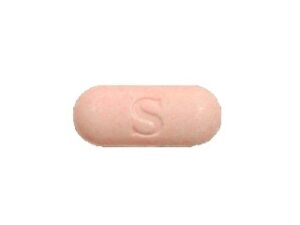



Stalevo (Carbidopa/Entacapone/Levodopa) – Patient Information (Australia)
Stalevo is a combination medicine used to treat symptoms of Parkinson’s disease. It contains: carbidopa and levodopa plus entacapone. This “triple action” approach helps your body convert levodopa into dopamine more effectively and keeps it working longer.
This page provides practical, patient-friendly information about what Stalevo does, how it works, how to take it, and important safety considerations—written for people in Australia.
Key Product Information
- Brand name: Stalevo
- Active ingredients: Carbidopa / Levodopa / Entacapone
- What it’s used for: Parkinson’s disease symptoms, particularly “wearing off” (end-of-dose effects)
- How it works: Improves levodopa effectiveness and reduces levodopa breakdown
- Common form: Oral tablets (strength varies)
Note: Stalevo strengths differ. Always follow the specific strength and dosing instructions provided for your situation.
How Stalevo Works (Mechanism of Action)
Parkinson’s disease involves reduced dopamine activity in the brain. Levodopa is a precursor that your body can convert into dopamine. However, levodopa is broken down early by enzymes in the body, which reduces how much reaches the brain.
Stalevo contains three components that work together:
- Levodopa: Enters the brain and is converted into dopamine, helping improve Parkinson’s symptoms such as stiffness, slowness, tremor, and difficulty moving.
- Carbidopa: Reduces the breakdown of levodopa outside the brain. This increases the amount of levodopa that reaches the brain and helps reduce certain side effects (particularly nausea and vomiting).
- Entacapone: Inhibits catechol-O-methyltransferase (COMT), an enzyme that breaks down levodopa. By slowing this breakdown, entacapone helps extend levodopa’s effect and can reduce “wearing off.”
In simple terms: carbidopa helps levodopa last longer enough to reach the brain; entacapone helps it keep working; levodopa then supports dopamine levels.
Pharmacokinetics (How the Body Handles It)
Pharmacokinetics describes how the body absorbs, distributes, metabolises, and eliminates a medicine. While individual responses vary, these general patterns are helpful:
Absorption and onset
- Levodopa: Typically begins working after absorption and conversion processes. Effects may be noticed within about 30–60 minutes for many people, but timing varies by dose, food intake, and overall condition.
- Entacapone: helps prolong levodopa’s action by inhibiting COMT, leading to more sustained symptom control.
Food impact
- High-protein meals: can reduce levodopa absorption because amino acids may compete with levodopa transport into the body.
- Overall timing: Consistent meal timing can help keep symptoms predictable.
Metabolism and elimination
- Levodopa: is metabolised mainly into inactive compounds; entacapone changes how fast levodopa is broken down.
- Entacapone: is eliminated largely via metabolism and excretion pathways.
Your doctor may adjust dosing based on how you respond, including the duration between doses and any side effects.
Typical Use in Parkinson’s Disease
Stalevo is commonly used for people with Parkinson’s disease who:
- Need levodopa therapy for symptom relief, and
- Have motor “wearing off” where symptom control becomes shorter than expected between doses, and/or
- Benefit from adding entacapone to improve “on-time” and reduce end-of-dose decline.
Stalevo may be used as part of a broader Parkinson’s treatment plan that could include other medicines.
When and How to Take Stalevo (Timing and Instructions)
General timing
- Take your dose at times recommended to match your symptom pattern.
- Try to be consistent with dosing times day to day.
- If you notice your dose “wears off,” do not change your dose schedule without medical advice—there are specific, safe ways to adjust Parkinson’s medicines.
How to take
- Swallow tablets whole with water.
- Use the exact strength prescribed.
- Keep a routine to help avoid missed doses.
Missed dose
If you miss a dose, take it when you remember unless it is close to the time for the next dose. Do not take extra doses to make up for a missed one. Because Parkinson’s medicines can affect movement control, follow individual advice provided by your healthcare team.
Food Interactions (What to Know About Meals)
Food can affect how much levodopa is absorbed. The most important factor is protein.
- High-protein meals (e.g., large amounts of meat, dairy, eggs, legumes) may reduce levodopa absorption and therefore reduce “on” time.
- Consistency helps: Many people benefit from keeping protein intake consistent throughout the day rather than suddenly increasing it at the time of a dose.
Practical tips:
- If you notice symptoms worsen after meals, discuss meal timing with your clinician or dietitian.
- Do not make drastic diet changes without guidance—protein is still important for nutrition.
- Hydration and steady eating schedules can help with nausea and overall comfort.
Alcohol and Medicine Interactions
Alcohol
Alcohol may worsen side effects such as dizziness, sleepiness, and impaired coordination. It may also make it harder to notice early warning signs of low blood pressure or fainting.
- Advice: Limit alcohol and avoid binge drinking.
- Safety: Be cautious when driving or using machinery.
Common medicine interactions to discuss
Stalevo can interact with other medicines. Important examples include:
- Antidepressants (MAO inhibitors): Some types require special care. Non-selective MAO inhibitors are generally not used with levodopa combinations unless closely managed.
- Non-selective and selective MAO-B inhibitors: may require dosing adjustments and monitoring.
- Antihypertensives: can increase risk of low blood pressure, dizziness, and fainting.
- Antipsychotics: Some may worsen Parkinson’s symptoms or reduce dopamine effectiveness.
- Iron supplements: may interfere with levodopa absorption in some situations.
- Other COMT inhibitors or related medicines: generally should not be combined unless specifically directed.
Always provide your pharmacist or healthcare provider with a complete list of medicines, including over-the-counter products and supplements.
Indications (What Stalevo is Used For)
Stalevo is indicated for the treatment of Parkinson’s disease in adults, typically for:
- Symptomatic treatment of Parkinson’s disease
- Motor fluctuations, particularly “wearing off,” where symptoms return before the next dose
Your clinician may consider Stalevo when levodopa/carbidopa alone no longer provides sufficient duration or control.
Dosing (General Guidance)
Dosing of Stalevo must be individualised. The correct strength depends on your prior levodopa intake, response, and tolerability.
Starting and adjusting doses
- Start with a dose chosen to match previous Parkinson’s medication needs.
- Adjust based on symptom control and side effects.
- Do not self-adjust the number of tablets or the strength.
Typical dosing frequency
Many people take Stalevo several times daily to maintain “on” periods. The exact schedule varies. Your prescriber will specify the best timing for you.
Special considerations
- Older adults: may be more sensitive to side effects such as low blood pressure and sleepiness.
- Liver disease: may require careful monitoring because entacapone is involved in liver metabolism.
- Kidney impairment: often requires monitoring and individualised advice.
If you need to switch from other levodopa/carbidopa products or add entacapone, this should be done with a clear plan to avoid sudden changes in levodopa exposure.
Safety Profile and Side Effects
Like all medicines, Stalevo can cause side effects. Many are manageable, and some can be prevented by careful dosing and meal routines.
Common side effects
- Nausea
- Dizziness or light-headedness
- Headache
- Dry mouth
- Abdominal discomfort
- Unusual movements (dyskinesia) with long-term levodopa use
- Urine colour changes: entacapone may cause dark brown or reddish urine, which is usually harmless but should be reported to your clinician if you’re unsure
Serious or urgent symptoms—seek medical help
Contact a healthcare professional urgently (or seek emergency care) if you experience:
- Allergic reaction (e.g., swelling of face/lips, rash, difficulty breathing)
- Chest pain or severe shortness of breath
- Severe dizziness, fainting, or signs of dangerously low blood pressure
- Confusion, fever, severe muscle stiffness, or marked worsening of symptoms (possible severe reactions)
- Uncontrolled shaking or severe dyskinesia that makes daily activities unsafe
- Hallucinations or significant changes in behaviour or mood
Impulse control and behavioural changes
Dopamine-related medicines can be associated with impulse control disorders, such as compulsive gambling, increased libido, compulsive shopping, or binge eating, sometimes including behavioural changes.
- If you or your family notices these behaviours, discuss them promptly with your healthcare team.
- Early discussion can help reduce harm and guide safer adjustments.
Sleepiness and “sleep attacks”
- Some people may feel sleepy or fall asleep unexpectedly.
- Avoid driving or operating machinery if you feel unusually drowsy.
Monitoring
- Periodic review of movement control and side effects.
- Possible blood tests for safety depending on your clinical history.
- Assessment for blood pressure changes, especially when standing.
Practical Use Tips (Getting the Best Results)
- Keep a symptom diary: note “on” and “off” times, any nausea, and any unusual movements. This helps refine dosing schedules.
- Be consistent with meals: especially the timing of higher-protein foods around doses.
- Stand up slowly: to reduce dizziness if you’re prone to low blood pressure.
- Plan for falls risk: if you experience dizziness or sudden sleepiness, take extra care at home.
- Don’t stop suddenly: abrupt changes can worsen Parkinson’s symptoms. If discontinuation is needed, it should be planned with a clinician.
- Use medication reminders: pill boxes, smartphone reminders, or routines to prevent missed doses.
Alternative Options
If Stalevo is not suitable, there are other treatment options. Alternatives typically include:
- Levodopa/carbidopa alone (without entacapone)
- Other levodopa formulations (including modified release options, depending on availability and clinical need)
- Entacapone with separate levodopa/carbidopa (where appropriate)
- Other Parkinson’s medicines (e.g., dopamine agonists, MAO-B inhibitors, amantadine, or others) depending on your stage of disease and symptoms
The best alternative depends on your “on/off” pattern, side effects, overall health, and other medicines.
Australia Market & Legal/Access Context
In Australia, access to Parkinson’s medicines is regulated through the medicines scheduling and pharmacy dispensing system. Many medicines used for Parkinson’s disease are restricted medicines, and supply may require assessment by a pharmacist and appropriate documentation.
- Pharmacy supply: medicines are typically dispensed by authorised pharmacies.
- Ongoing reviews: pharmacists may advise on interactions, dosing schedules, and safe use.
- Quality and authenticity: buying from authorised, reputable channels reduces the risk of counterfeit or incorrect products.
If you’re unsure about availability or whether Stalevo is the right choice, speak with a pharmacist or healthcare professional.
Recent Guidance & Common Clinical Considerations
Clinical practice for Parkinson’s disease evolves as new evidence and guidance are published. While specific updates vary by region and time, common recent themes in care include:
- Optimising “on-time” while minimising side effects: careful adjustment of levodopa schedules and consideration of “wearing off.”
- Managing falls and blood pressure changes: proactive monitoring for orthostatic hypotension and sedation.
- Reviewing behavioural and sleep-related effects: early identification of impulse control issues or unexpected sleepiness.
- Medication reconciliation: ensuring all medicines (including OTC products) are considered for interaction risks.
If your situation has changed—such as new medications, worsening tremor, more frequent “off” periods, or new side effects—ask your healthcare team for an updated plan.
Delivery and Availability (Online Pharmacy Considerations in Australia)
Online pharmacy supply in Australia commonly includes:
- Checking stock availability before dispatch
- Careful packaging to protect tablets
- Tracking and delivery updates
- Storage guidance (typically store below 30°C unless otherwise stated on the pack)
Delivery times can vary by location and product availability. Some strengths may be less frequently stocked, so it’s helpful to order early if you’re approaching the end of your current supply.
Stalevo FAQ
1) What is Stalevo used for?
Stalevo is used to treat symptoms of Parkinson’s disease. It is often used to reduce “wearing off” effects and improve the duration of benefit from levodopa.
2) How soon will I feel it working?
Many people notice effects within about 30–60 minutes, but response varies. Food, dose, and individual metabolism can influence timing.
3) Can I take Stalevo with food?
You can generally take it with or after food if it suits you. However, high-protein meals may reduce levodopa absorption. Aim for consistency in meal timing and protein intake, and discuss individual dietary strategies with your healthcare team.
4) What happens if I miss a dose?
Take it when you remember unless it’s close to the next dose. Do not take extra tablets to “catch up.” Contact your pharmacist or clinician if you’re unsure, especially if you miss more than one dose.
5) Does entacapone change urine colour?
Yes. Entacapone can cause dark brown or reddish urine. This is commonly harmless, but you should inform your healthcare team if you have concerns or other symptoms.
6) Can I drink alcohol while taking Stalevo?
Alcohol may worsen dizziness, sleepiness, and coordination issues. Keep alcohol limited and be cautious—especially if you have sleepiness, blood pressure symptoms, or mobility concerns.
7) What medicines interact with Stalevo?
Interactions can occur with certain antidepressants (MAO inhibitors), antihypertensives, antipsychotics, iron supplements, and other medicines affecting dopamine pathways. Always provide a full list of your medicines and supplements to your pharmacist.
8) Are there any signs I should stop and get help?
Seek urgent medical advice if you develop allergic symptoms, severe dizziness or fainting, chest pain, severe confusion, fever with muscle stiffness, or a sudden marked deterioration in symptoms.
9) Is Stalevo suitable for everyone with Parkinson’s disease?
Not necessarily. It depends on your medical history, current medications, liver function, and how your symptoms respond to levodopa. Your healthcare professional will advise on suitability and dosing.
10) What should I do if I notice hallucinations or impulse control changes?
Discuss it promptly with your healthcare team. Early communication helps with safe management and adjustments.
Summary Table (Quick Reference)
| Topic | What to Know |
|---|---|
| Active ingredients | Carbidopa + Levodopa + Entacapone |
| Main benefit | Improves Parkinson’s symptoms and helps reduce “wearing off” |
| How it works | Supports dopamine production and reduces levodopa breakdown |
| Food interaction | High-protein meals may reduce absorption; aim for consistency |
| Alcohol | May increase dizziness/sleepiness—limit and use caution |
| Important side effects | Nausea, dizziness, dyskinesia; dark urine can occur with entacapone |
| Safety watch-outs | Hallucinations, impulse control issues, sleepiness, fainting/low BP |
| Practical tip | Use a consistent dosing routine and keep notes on “on/off” patterns |
Important: This information is general and may not cover every individual situation. For advice tailored to you—especially if you have liver problems, low blood pressure, sleepiness, behavioural changes, or complex medication regimens—speak with a pharmacist or healthcare professional.