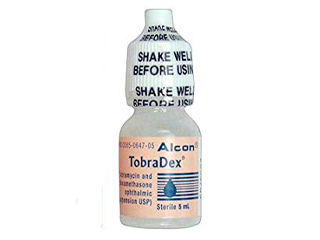
Tobramycin and Dexamethasone: Patient-Friendly Medicine Information (Australia)
Tobramycin and dexamethasone is a combination medicine used to treat certain eye conditions where both infection (bacterial) and inflammation occur together. It contains: tobramycin (an antibiotic) and dexamethasone (a corticosteroid).
This guide explains how it works, how it’s typically used, important safety considerations, and practical tips for getting the best results. It is written for people in Australia and includes information you may find useful for buying and receiving medicines online.
Basic product information
- Medicine name: Tobramycin and dexamethasone
- Common form (varies by brand): Eye drops or eye ointment
- Key ingredients: Tobramycin (antibiotic), Dexamethasone (steroid)
- Medicinal purpose: Treats bacterial eye infections with inflammation
- Availability in Australia: Generally supplied as prescription-only (varies by product/strength); online pharmacies typically dispense after proper assessment and supply requirements.
Brand names and strengths can differ. Always check the product label for the exact concentration and dosing instructions.
What it does: mechanism of action
Tobramycin (antibiotic)
Tobramycin is an aminoglycoside antibiotic. It works by interfering with how bacteria make proteins. This disrupts normal bacterial growth and can lead to bacterial death, helping control the infection.
Dexamethasone (corticosteroid)
Dexamethasone is a corticosteroid that reduces inflammation. In eye conditions, it can help lower symptoms such as redness, swelling, itching, and discomfort caused by inflammatory processes.
Why the combination matters: When there is both bacterial infection and inflammation, using an antibiotic alongside an anti-inflammatory steroid can improve comfort and treatment effectiveness.
Pharmacokinetics (how the body handles it)
For eye drops/ointments, absorption is typically greatest in the eye and surrounding tissues, with only small amounts reaching the bloodstream through the tear film, conjunctiva, and nasolacrimal drainage.
- Onset (symptoms): Many people notice improvement in comfort within days, but infection control may require full course use as directed.
- Systemic absorption: Generally low with proper use, though some absorption can occur, particularly if the medication spreads through the nose and throat.
- Metabolism and clearance: Systemic drug handling follows normal body pathways; however, because systemic exposure is usually limited for eye use, side effects related to whole-body levels are uncommon.
Your exact exposure can vary based on the condition being treated, frequency of dosing, whether punctal occlusion is used (see practical tips), and your individual sensitivity.
Typical use and timing
Typical reasons for use
Tobramycin and dexamethasone eye products are commonly used in conditions where a clinician suspects or confirms a bacterial eye infection with significant inflammation. Examples include selected cases of anterior segment inflammation associated with bacterial involvement.
Important: Steroids can worsen certain infections (for example, viral infections such as herpes simplex) and may mask progression of some diseases. For this reason, the combination is used only when it is appropriate for the diagnosis.
How to take it (timing)
Timing depends on the specific product and the severity of the condition. Common dosing patterns for eye combinations include:
- More frequent dosing initially (for example, every few hours), then reduced frequency as improvement occurs.
- Eye ointment may be used at night and sometimes during the day depending on the plan.
Follow the instructions on your product label and the dispensing information from your pharmacy. If you miss a dose, take it when you remember unless it’s nearly time for the next dose—then skip the missed dose and continue normally.
Food interactions
Food interactions are generally not expected with eye drops/ointment because the medicine is applied locally to the eye. Any small amounts that may reach the digestive system are unlikely to be affected meaningfully by food.
That said, always use the product exactly as directed and avoid touching the tip to the eye or surrounding skin to reduce contamination.
Alcohol and medicine interactions
There are typically no direct alcohol interactions with topical eye tobramycin/dexamethasone in most routine situations. However, if you’re using other medicines (for example, tablets for infection or steroid therapy), alcohol may interact with those medicines or worsen side effects such as dizziness, drowsiness, or stomach irritation.
- Alcohol and steroids: Systemic steroids can interact with alcohol-related risks (such as stomach irritation) but systemic exposure from eye use is usually low.
- General caution: If you experience eye irritation, blurred vision, or headaches, avoid alcohol until you know how you respond.
For best safety, tell your pharmacist about all medicines you’re taking (including eye drops, ointments, tablets, and herbal products).
Indications (what it’s used to treat)
Tobramycin and dexamethasone is indicated for selected eye conditions involving both:
- suspected or confirmed bacterial infection and
- inflammation
Your clinician may consider it for conditions affecting the front part of the eye (anterior segment) when steroid treatment is warranted. The exact indication depends on the diagnosis and local product approvals.
Not suitable for every cause of red eye: Redness and discomfort can be caused by many conditions, including allergies, viruses, dry eye, foreign bodies, or more serious problems. Using a steroid-containing product in the wrong situation can lead to complications.
Dosing guidance (general information)
Dosing can vary by product strength, severity, and how your symptoms are responding. Only use the schedule provided on your dispensing information. The points below are general education and may not match your exact plan.
Common dosing approach
- Initial phase: Often more frequent dosing (e.g., several times daily) for a short period.
- After improvement: Frequency may be reduced.
- Course length: Typically limited to avoid steroid-related side effects; do not stop early unless advised.
How to use eye drops
- Wash and dry your hands.
- Shake the bottle if the label instructs you to.
- Use one clean finger to gently pull down the lower eyelid to form a small pocket.
- Hold the dropper above the eye and apply the prescribed number of drops.
- Close your eye gently. Avoid blinking excessively.
- Keep your eye closed for about 1–2 minutes after applying the drop.
- If you use a tear/eyewash routine, allow time between products as directed.
How to use eye ointment
- Wash and dry your hands.
- Pull down the lower eyelid to form a pocket.
- Squeeze a thin ribbon of ointment into the pocket.
- Close the eye gently and keep it closed for a short period.
- Expect temporary blurred vision after ointment use.
Punctal occlusion (helps reduce systemic exposure)
If you want to reduce medicine drainage into the nose/throat, you can press a finger gently on the inner corner of your eye (near the nose) for about 1 minute after dosing. Ask your pharmacist if this is suitable for you.
Safety profile and important precautions
Common side effects
With eye use, side effects are often local. Possible effects include:
- Stinging or burning shortly after application
- Temporary blurred vision (especially with ointment)
- Redness or mild irritation
- Watery eyes or a sensation of something in the eye
Less common but serious risks
Steroids can cause important eye-related complications, especially if used too long or in the wrong condition. Seek prompt medical advice if you develop:
- Severe eye pain or worsening redness
- Light sensitivity
- Noticeable vision changes or increased blurriness that doesn’t settle
- New floaters or a “curtain” over vision
- Symptoms that worsen after initial improvement
Steroid-related considerations
Dexamethasone may increase risk of:
- Raised intraocular pressure (in some people), especially with prolonged use
- Cataract formation with long-term steroid use
- Delayed healing in some corneal conditions
- Masking progression of infection or worsening viral infections
When extra caution is needed
- History of glaucoma or steroid-induced pressure rise
- Herpetic eye disease (e.g., herpes simplex keratitis)
- Corneal injuries or suspected corneal ulcers
- Recent eye surgery
- Use of contact lenses (usually not recommended during infection/inflammation—see tips)
Your pharmacy may ask screening questions to ensure the product is appropriate for your situation. If you’re unsure, discuss your symptoms and risk factors before starting.
Practical use tips for best results
- Don’t share: Eye medication should not be shared between people.
- Prevent contamination: Avoid touching the dropper tip or ointment tube to the eye or eyelids.
- Contact lenses: Remove contact lenses before using the medicine and wait until your eyes are fully recovered. Follow your clinician’s advice; many eye infections require avoiding lenses until cleared.
- Separate other eye drops: If you use other eye drops, space them by at least 5–10 minutes unless your pharmacist advises otherwise.
- Finish the course: Even if you feel better, complete the recommended treatment to help prevent relapse.
- Know what to expect: Mild burning/stinging can occur briefly after instillation; persistent or severe pain is not typical.
- Store properly: Keep as directed on the pack (often at room temperature; check whether refrigeration is required).
How to apply if you’re using multiple eye medicines
A simple routine is:
- Use the medicine that requires the fewest frequent doses first, then add other drops separated by 5–10 minutes.
- Apply ointments after drops to prevent the ointment from blocking the drops.
Alternatives and related options
The “best” alternative depends on the cause of the eye problem. Because this product contains a steroid, alternatives may not be suitable unless the diagnosis is confirmed.
Possible alternative categories
| Alternative type | When it may be considered | Key difference vs tobramycin + dexamethasone |
|---|---|---|
| Antibiotic-only eye drops/ointment | When bacterial infection is present but steroid treatment is not needed | No steroid component; different side-effect profile |
| Anti-inflammatory non-steroid eye drops | When inflammation is present but steroid is not appropriate | Often less risk of steroid-related pressure/cataract issues |
| Lubricants / artificial tears | Dry eye or irritation without infection | Does not treat bacterial infection |
| Allergy treatments (antihistamine/mast cell stabilisers) | Allergic conjunctivitis | Targets allergy rather than infection |
| Antiviral treatment (if viral cause suspected/confirmed) | For suspected herpes simplex eye disease | Different mechanism; steroids can be harmful in some viral conditions |
If you’re considering switching or you’re not improving, seek advice promptly. Red eye can sometimes indicate urgent conditions.
Market and legal context for Australia
In Australia, eye medicines containing antibiotics and/or corticosteroids are regulated and may be supplied under appropriate pharmacy processes. The exact classification can vary by product and strength.
Online pharmacies generally require:
- Correct identification of the product and strength
- Completion of required screening and patient details
- Dispensing according to Australian regulatory requirements
- Provision of consumer medicine information and safe-use instructions
Always use your specific dispensed product. Do not substitute different brands or strengths without checking with a pharmacist.
Recent guidance and clinical considerations (high-level)
While product-specific guidance depends on the approved label and clinical context, key ongoing themes in eye infection management include:
- Avoid inappropriate steroid use in undiagnosed red eye, especially where viral causes are possible.
- Use limited course duration when steroids are needed, to reduce risks of raised intraocular pressure and delayed healing.
- Monitor if symptoms persist or worsen after starting treatment.
- Consider contact lens safety: eye infections in contact lens wearers can sometimes be more severe.
- Emphasise hygiene: reduce contamination and avoid sharing eye products.
If you have ongoing symptoms, glaucoma risk, or require repeated courses, professional assessment and follow-up are especially important.
Delivery and availability (online pharmacy)
Tobramycin and dexamethasone may be available via online pharmacies depending on stock, product type (drops vs ointment), and regulatory requirements. Delivery options can vary by location within Australia.
- Availability: Commonly stocked, but availability may depend on the brand and strength.
- Packaging: Medicines are usually supplied in sealed packaging to protect contents and label integrity.
- Delivery times: Often dispatch occurs soon after processing; estimated delivery times depend on your postcode.
- Storage during delivery: Most eye drops/ointments are stable at room temperature unless the label specifies otherwise.
When ordering, ensure you select the correct form (drops or ointment) and concentration, as these can affect dosing.
FAQ: Tobramycin and dexamethasone
1) What is tobramycin and dexamethasone used for?
It’s used for certain eye conditions where there is both bacterial infection and inflammation. It combines an antibiotic (tobramycin) with an anti-inflammatory steroid (dexamethasone).
2) How soon will I feel better?
Many people experience symptom relief within a few days. However, improvement can vary depending on the cause and severity. Use the full course as directed and contact a healthcare professional if you’re not improving.
3) Can I wear contact lenses?
Generally, it’s best to avoid contact lenses during eye infection or significant inflammation. Ask your pharmacist or clinician when you can resume, and make sure lenses and your case are handled safely.
4) What if I miss a dose?
Apply the missed dose as soon as you remember, unless it’s close to the time for your next dose. Do not double up. If you miss multiple doses, seek advice from your pharmacist.
5) Is it safe to use with other eye drops?
Often yes, but you should separate medicines by at least 5–10 minutes unless instructed otherwise. Ointments are typically applied after drops. Check the product label and ask your pharmacist.
6) What side effects should worry me?
Seek prompt advice if you have severe pain, worsening redness, light sensitivity, significant vision changes, or symptoms that worsen rather than improve. Steroid-related risks increase with prolonged or inappropriate use.
7) Can I drink alcohol while using it?
Direct interactions are unlikely with eye use. If you’re also taking other medicines that may interact with alcohol, follow their guidance.
8) Why is the steroid component important?
The steroid reduces inflammation, improving comfort and swelling. However, steroids can also make some infections worse or delay diagnosis of certain conditions—so using it only when appropriate is crucial.
9) What should I do if symptoms return after finishing treatment?
Contact a healthcare professional. Recurrence may indicate the original cause wasn’t fully treated or that a different diagnosis is involved.
10) How should I store the medicine?
Store according to the label instructions (commonly at room temperature, away from heat and direct sunlight). Keep the container tightly closed and out of reach of children.
When to seek urgent medical attention
Contact urgent care promptly if you have:
- Severe eye pain
- Rapidly worsening redness or swelling
- Significant or progressive vision loss
- Severe light sensitivity
- Suspected corneal injury or chemical exposure
- Symptoms in a person who wears contact lenses with worsening pain or discharge
Eye conditions can sometimes become serious quickly. If you are concerned, don’t wait—get advice.
Disclaimer: This information is general and intended to help you understand how tobramycin and dexamethasone works and what to expect. Always refer to your product label and the consumer medicine information provided with your medicine, and ask your pharmacist if you have questions.