
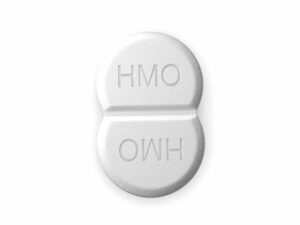

Verampil (Verapamil HCl) — Patient Information (Australia)
Verampil is a brand of verapamil hydrochloride (verapamil HCl), a medicine used to treat certain heart rhythm problems and to help manage specific types of chest pain (angina). It belongs to a group of medicines called calcium channel blockers.
This page is written to help you understand how Verampil works, what it’s used for, how it’s usually taken, and what to watch for. Always follow the instructions on your medicine label and any advice from your healthcare professional.
Quick Overview
- Active ingredient: Verapamil HCl
- Medicine type: Calcium channel blocker
- Common uses: Certain abnormal heart rhythms; angina (depending on formulation); prevention of some cardiovascular events as directed
- How it works: Slows electrical conduction in the heart and relaxes blood vessels
- Key cautions: Possible slow heart rate, low blood pressure, and interactions with several medicines
How Verampil Works (Mechanism of Action)
Verapamil works mainly by blocking L-type calcium channels. Calcium entry into heart and blood vessel cells is important for muscle contraction and for electrical signalling in the heart.
In the heart, verapamil:
- Slows conduction through the AV node (a key “relay station” in heart rhythm control)
- Reduces heart rate in some people
- Helps stabilise certain rhythm disturbances by reducing abnormal electrical activity
In blood vessels, verapamil:
- Relaxes smooth muscle in vessel walls
- Helps lower blood pressure and reduces the workload on the heart
- Improves blood flow to the heart muscle, which can reduce angina symptoms
Pharmacokinetics (How Your Body Handles It)
Pharmacokinetics describes how a drug is absorbed, distributed, metabolised, and eliminated.
- Absorption: Verapamil is absorbed through the gut. The exact speed and pattern depend on the specific formulation (for example, immediate-release vs modified-release products).
- Peak levels: Blood concentration usually rises after dosing; peak timing varies by formulation.
- Protein binding: Verapamil is significantly bound to plasma proteins.
- Metabolism: It is primarily metabolised in the liver, involving the CYP3A4 pathway among others.
- Elimination: Metabolites are eliminated mainly via the kidneys (urine) and to a lesser extent via other routes.
- Half-life: The elimination half-life is variable; it may be longer in some people, especially with liver impairment or interacting medicines.
Why this matters: Because verapamil is processed through the liver and interacts with certain metabolic pathways, levels can increase when taken with certain medicines, foods, or supplements—raising the risk of side effects.
What Verampil Is Used For (Indications)
Verapamil is used for several cardiovascular conditions. The right use depends on your specific diagnosis and the form of verapamil prescribed.
- Heart rhythm disorders: Commonly used for certain supraventricular rhythm problems (such as some forms of re-entrant tachycardia or rate control in specific arrhythmias), as assessed by a clinician.
- Angina (chest pain): Used in certain types of angina to help prevent chest pain episodes by improving blood supply and reducing cardiac workload.
- Other cardiovascular uses: Depending on local clinical guidance and individual circumstances, verapamil may be used in additional conditions under professional supervision.
Important: Verapamil is not suitable for every heart condition. If you have questions about whether it’s appropriate for your diagnosis, speak with your healthcare professional.
Typical Dosing and Timing
Dosing depends on the condition being treated, your age, other medicines, kidney and liver function, and whether you are using an immediate-release or modified-release product.
General dosing principles:
- Start low, then adjust: Many regimens begin with a lower dose and increase if needed and tolerated.
- Consistency matters: Try to take doses at the same times each day.
- Do not change dose without advice: Stopping or doubling can be unsafe, especially in people with rhythm disorders.
How to take it:
- Take with water.
- Follow the product label directions exactly.
- If you are taking a modified-release formulation, do not crush or chew unless the product instructions specifically say it’s safe—doing so can change how the medicine releases in your body.
Timing around meals: Some people can take verapamil with or without food, but food and especially certain drinks (see below) can affect absorption and blood levels. If your product instructions mention food, follow them.
Food Interactions (Including Grapefruit)
Food can influence how much verapamil you absorb.
- Grapefruit and grapefruit juice: Grapefruit can increase verapamil levels in the body, potentially increasing the risk of dizziness, low blood pressure, slow heart rate, or other side effects.
- General diet: A normal balanced diet is typically acceptable, but avoid major sudden changes if you notice symptoms after starting or adjusting your dose.
Practical tip: If you enjoy grapefruit, talk to your pharmacist or doctor about whether you should avoid it while taking Verampil.
Alcohol and Medicine Interactions
Alcohol can increase the risk of side effects such as dizziness and
- Alcohol with verapamil: You may feel more unsteady or sleepy. Limit alcohol and monitor how you feel after drinking.
- Driving and machinery: Be cautious, especially when starting treatment or after dose changes.
More broadly: Some medicines combined with alcohol can further increase dizziness or fainting risk. If you drink alcohol regularly, ask your pharmacist for personalised advice.
Medicine Interactions (Very Important)
Verapamil can interact with many other medicines. These interactions can alter heart rhythm, blood pressure, or the amount of verapamil in your bloodstream.
Always check before combining with other drugs, including over-the-counter products and herbal supplements.
Common interaction categories
- Other medicines that slow the heart: Beta-blockers (e.g., metoprolol), digoxin, and some antiarrhythmics can increase the chance of excessive slowing of the heart or conduction problems.
- Blood pressure medicines: Combining with antihypertensives may increase the risk of low blood pressure.
- Medicines that affect liver enzymes (CYP3A4 and others): Some antibiotics, antifungals, antiviral medicines, and other agents can raise or lower verapamil levels.
- Cardiac conduction-affecting medicines: Drugs that influence AV node conduction may increase the risk of heart block.
- Statins: Some statins can have increased levels when taken with verapamil, increasing the risk of muscle-related side effects. Dose adjustments may be needed.
- Other interacting agents: Certain immunosuppressants and other cardiovascular or neurological drugs may interact depending on the medicine and dose.
Examples to discuss with your pharmacist: medicines such as beta-blockers, digoxin, some antibiotics, certain antifungals, and medicines used to treat HIV or other infections. (Exact interaction depends on which medicine and formulation you use.)
What to do
- Provide your pharmacist with a list of all medicines, including eye drops, inhalers, vitamins, herbal products, and “natural” supplements.
- Do not start or stop interacting medicines without checking first.
- If you feel faint, severely dizzy, or your heart rate becomes very slow, seek urgent medical help.
Safety Profile and Side Effects
Most people tolerate verapamil well when taken correctly, but side effects can occur. The likelihood can increase with higher doses, kidney/liver impairment, or interacting medicines.
Common side effects
- Dizziness or light-headedness
- Headache
- Constipation (a well-known effect of verapamil)
- Flushing or feeling warm
- Swelling of ankles/feet (peripheral oedema)
- Fatigue
Less common but important effects
- Slow heart rate (bradycardia)
- Low blood pressure
- Heart block or worsening conduction (especially with interacting medicines or pre-existing conduction problems)
- Worsening shortness of breath or symptoms of heart failure in susceptible patients
- Liver enzyme changes (rare; seek advice if you develop yellowing of the skin/eyes)
Seek urgent help if you have
- Fainting, severe dizziness, or inability to stay awake
- Chest pain that is severe, new, or worsening
- Severe shortness of breath
- Very slow pulse, or a feeling of “pausing” heart beats with symptoms
- Signs of an allergic reaction (swelling of face/lips, hives, trouble breathing)
Practical Use Tips
- Track your pulse and blood pressure (if advised): Especially during the first days after starting or dose changes.
- Manage constipation early: Increase fluid and fibre where appropriate. Ask your pharmacist about suitable stool softeners if needed.
- Stand up slowly: If you feel light-headed, rise slowly from sitting or lying positions.
- Keep a medicine list: Carry a current list of your medicines for emergencies.
- Do not double doses: If you miss a dose, follow product directions or ask your pharmacist for guidance. Avoid taking extra doses to “catch up” unless instructed.
- Missed doses: Timing matters. If you’re close to the next dose, skip the missed dose—ask a pharmacist for the best approach for your specific schedule.
Alternative Options
If Verampil isn’t suitable—either due to side effects, interactions, or the condition being treated—there may be alternative treatments. Alternatives depend on the diagnosis and the formulation needed. Options may include:
- Other calcium channel blockers (e.g., different agents used for angina or rate control, depending on your specific condition)
- Beta-blockers for heart rate control and certain chest pain regimens
- Other antiarrhythmic strategies for rhythm disorders, ranging from medication choice to procedural options
- Lifestyle and risk-factor management (e.g., activity modification, smoking cessation, dietary changes) as part of a complete cardiovascular plan
Note: “Alternative” does not automatically mean “equivalent.” Discuss with your healthcare professional before switching.
Market and Legal Context for Australia
In Australia, medicines are regulated under the Therapeutic Goods Administration (TGA) framework. Medicine scheduling and supply requirements depend on the active ingredient and product formulation.
Brand names and formulations can vary, including immediate-release and modified-release types. Availability and how a medicine is supplied may differ between pharmacies and online pharmacy services, based on applicable requirements and consumer safety protections.
What this means for you: When ordering online, you should expect standard steps that help ensure the right medicine is supplied for the right person, including guidance about use, interactions, and safe delivery.
Recent Guidance (General Safety Approach)
While individual updates may vary by year and formulation, clinical practice guidance commonly emphasises the following themes for verapamil-containing medicines:
- Careful monitoring when starting or changing dose, especially for heart rhythm and blood pressure effects.
- Attention to interactions with medicines that affect heart conduction or the liver enzyme pathways that process verapamil.
- Grapefruit avoidance or at least strong caution due to potential increases in blood levels.
- Constipation management as an expected and treatable side effect for many patients.
If you’re unsure whether new medications (including antibiotics or antifungals) might interact with Verampil, ask your pharmacist before combining them.
Delivery and Availability (Online Pharmacy)
Availability of Verampil can vary by brand supply, strength, and formulation type. Online pharmacies typically provide:
- Product selection: Different pack sizes and formulations may be listed.
- Safety checks: When available, customer details and medicine interactions may be reviewed to support safe use.
- Delivery times: Standard and express delivery options may be offered depending on location.
- Cold-chain: Most verapamil formulations do not require refrigeration, but always check the specific product’s storage instructions.
Tip: If you need your medicine urgently, check estimated dispatch and delivery times during checkout and consider reordering before you run low.
Dosing Information (For Patient Understanding)
Because individual needs differ, exact dose instructions should come from your prescribed directions and the product label. The information below explains common dosing approaches and safety principles.
| Topic | Patient-friendly guidance |
|---|---|
| Starting dose | Often begins at a lower dose to reduce side effects and monitor your heart rate and blood pressure. |
| How often to take it | Varies by formulation (immediate-release vs modified-release). Follow your label exactly. |
| Titration (dose changes) | May increase gradually. Monitoring helps ensure the dose is both effective and safe. |
| Modified-release tablets/capsules | Do not crush or chew unless your product instructions specifically permit it. |
| Missed dose | Do not “double up.” Ask your pharmacist for guidance based on your dosing schedule. |
| Stopping treatment | Do not stop abruptly without professional advice, especially for rhythm disorders. |
When to Be Extra Careful
Speak to your healthcare professional before using Verampil (or promptly after starting) if you have:
- Existing heart conduction problems (e.g., heart block)
- Very slow heart rate
- Low blood pressure or history of fainting
- Heart failure or recent worsening breathlessness
- Liver disease (verapamil metabolism can be affected)
- Kidney problems (may affect your overall safety and monitoring plan)
- Multiple interacting medicines, especially heart-related or enzyme-affecting drugs
FAQ — Verampil (Verapamil HCl)
1) How long does it take to work?
Some effects (such as blood pressure and heart rate changes) may be felt within hours, but full benefit for rhythm control or angina prevention can take days to weeks depending on your diagnosis, dose, and formulation. Your clinician may monitor and adjust therapy over time.
2) Can I take Verampil with food?
Many people can take verapamil with or without food, but follow your product label and instructions from your pharmacist. The most important dietary interaction is with grapefruit.
3) Is grapefruit really an issue?
Yes. Grapefruit can increase verapamil levels, which may increase side effects. Many guidance documents recommend avoiding grapefruit and grapefruit juice while on verapamil.
4) What should I do if I miss a dose?
Don’t double the dose. For the best advice, follow the instructions on your medicine label or ask your pharmacist—because the timing depends on whether your product is immediate-release or modified-release and what schedule you use.
5) What side effect is most common?
Constipation is commonly reported with verapamil. Dizziness, headache, and ankle swelling can also occur. If symptoms are bothersome or severe, seek advice.
6) Can Verampil affect my heart rate?
Yes. Verapamil can slow heart rate and influence heart conduction. If you notice symptoms such as fainting, severe dizziness, or a very slow pulse, seek urgent medical help.
7) Can I take other medicines at the same time?
Many medicines can interact with verapamil. It’s especially important to check before combining with heart medicines, antibiotics/antifungals, and other drugs that may affect liver metabolism or heart conduction. Provide your pharmacist with your full list of medicines.
8) Does alcohol affect Verampil?
Alcohol can worsen dizziness and low blood pressure. Limit alcohol and monitor how you feel. If you have been advised not to drink alcohol, follow that advice.
9) How should I store Verampil?
Store your medicine according to the instructions on the pack (often at or below room temperature and away from moisture). Keep it out of reach of children.
10) Are there alternatives if I can’t tolerate it?
Depending on your condition, alternatives may include other heart-rate or angina medications or different calcium channel blockers. Discuss with your healthcare professional before switching.
Summary
Verampil (verapamil HCl) is a calcium channel blocker used for specific heart rhythm problems and angina prevention. It works by relaxing blood vessels and slowing electrical conduction in the heart. Because verapamil can affect heart rate and blood pressure and has important interactions—particularly with certain medicines and grapefruit—safe use depends on following the label, being consistent with dosing, and checking interactions when adding new medicines.
If you experience concerning symptoms such as fainting, severe dizziness, chest pain, or severe shortness of breath, seek urgent medical help.