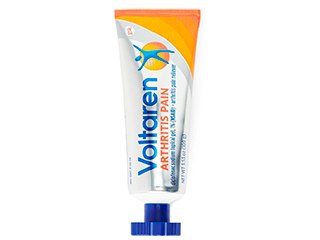
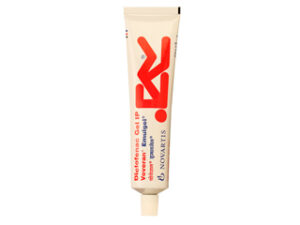
Voltaren Gel (Diclofenac Sodium) – Patient-Friendly Information
Voltaren Gel contains diclofenac sodium, an anti-inflammatory medicine used on the skin to help relieve pain and inflammation from certain musculoskeletal conditions. This guide explains how it works, how to use it safely, what to expect, and important interactions and precautions relevant for people in Australia.
Always read the label and follow your pharmacist or doctor’s advice. If you are unsure whether Voltaren Gel is suitable for you, speak with a pharmacist.
Basic product information
- Medicine: Voltaren Gel
- Active ingredient: Diclofenac sodium
- Form: Topical (applied to the skin) gel
- Common strengths (depending on product/pack): Diclofenac sodium topical formulations (check your specific pack)
- Intended use: Relief of pain from musculoskeletal conditions (commonly joint-related pain)
Voltaren Gel is designed for external use only. It should not be taken by mouth.
How Voltaren Gel works (mechanism of action)
Diclofenac is a non-steroidal anti-inflammatory drug (NSAID). When applied to the skin over the affected area, it helps reduce inflammation and pain by blocking enzymes called cyclo-oxygenases (COX-1 and COX-2). These enzymes are involved in the production of prostaglandins, which contribute to pain, swelling, and redness.
Because Voltaren Gel is applied to the skin, it targets the local area of pain. Compared with some oral NSAIDs, topical use may result in lower overall exposure in the bloodstream, though some absorption can still occur.
Pharmacokinetics (what happens in the body)
Pharmacokinetics describes how a medicine is absorbed, distributed, metabolised, and eliminated. With topical diclofenac:
- Absorption: Diclofenac can be absorbed through the skin. The amount absorbed varies based on factors such as the site of application, skin condition, the amount used, and whether the skin is covered with occlusive dressings.
- Systemic levels: Blood levels are generally lower than with oral diclofenac, but measurable absorption can occur.
- Metabolism: Absorbed diclofenac is metabolised mainly in the liver.
- Elimination: Metabolites are eliminated primarily via the kidneys (and also through bile/fractions as applicable).
This is why certain precautions still apply, particularly for people at higher risk from NSAIDs (see Safety profile below).
Typical uses and indications (what it’s for)
Voltaren Gel is commonly used for pain relief associated with musculoskeletal conditions. Depending on the product strength and local guidance, indications may include:
- Osteoarthritis-related joint pain (e.g., hands, knees, feet/ankles—where a topical option is appropriate)
- Pain in superficial joints and areas where topical treatment can reach the site of discomfort
- Relief of inflammatory pain in selected conditions as outlined by the product’s directions
Note: Indications can vary by formulation strength and product label. Check your specific pack or consult a pharmacist to confirm it matches your condition.
When and how quickly it starts working (timing)
People often notice improvement within the first few days, though the full benefit may take up to 1–2 weeks for some joint conditions. Consistent use as directed improves the chances of relief.
- Initial response: Some pain relief may be felt in 1–3 days.
- Expected improvement: Commonly assessed after about 1 week (or per product instructions).
- If no improvement: Stop and seek advice from a pharmacist or doctor if symptoms do not improve as expected.
Dosing and practical directions for use
Follow the directions on your Voltaren Gel pack. Dosing can vary by strength and the size of the area treated. Below are general typical topical dosing approaches; always check your specific label.
Typical dosing approach (general)
- Adults and older adolescents: Apply a thin layer to the affected area.
- Frequency: Often up to four times daily, depending on pack instructions.
- Amount: Use the amount specified on the product label (some instructions use a measured “strip” length).
- Massage: Gently massage into the skin until absorbed.
- Wash hands: Wash hands thoroughly after application unless your hands are the treated area.
- Do not apply to: broken skin, infected skin, or open wounds.
How to apply Voltaren Gel correctly
- Clean the area: Apply to clean, dry skin.
- Apply the correct amount: Use the amount directed by your pack.
- Spread evenly: Cover the painful area (and only as far as instructed).
- Allow to dry: Let the gel dry before covering with clothing.
- Avoid occlusion: Unless your doctor/pharmacist specifically advises, do not cover with airtight dressings.
- Reapply at the right intervals: Keep doses evenly spaced across the day.
Hands, knees and other joints
For joint areas, topical NSAIDs are designed to reach superficial structures. If the pain is deep within muscle or relates to an injury requiring specific treatment, topical diclofenac may not be sufficient on its own. Consult a healthcare professional if symptoms are severe, rapidly worsening, or accompanied by fever or major swelling.
Food interactions
Because Voltaren Gel is applied to the skin, food interactions are unlikely. Unlike oral medicines, absorption and effects are localised and do not depend heavily on what you eat.
However, overall safety still matters if you use other NSAIDs or medicines that affect bleeding, blood pressure, or the gastrointestinal tract.
Alcohol and medicine interactions
Alcohol
Topical diclofenac is less likely to interact with alcohol than oral NSAIDs, but cautious use is still wise. Alcohol may increase the risk of stomach irritation or other side effects, especially if you also take oral NSAIDs.
If you drink alcohol regularly or have a history of stomach ulcers, liver disease, or other risk factors, ask a pharmacist for individual advice.
Common medicine interactions (important)
Even though systemic absorption is lower than with oral diclofenac, diclofenac is still an NSAID and interactions can occur. Tell your pharmacist if you use any of the following:
- Other NSAIDs (e.g., ibuprofen, naproxen, aspirin used for pain) – may increase risk of side effects.
- Blood thinners (e.g., warfarin) – may affect bleeding risk.
- Anti-platelet medicines (e.g., clopidogrel) – increased bleeding risk is possible.
- Diuretics and blood pressure medicines (e.g., ACE inhibitors, ARBs) – NSAIDs can affect kidney function in some situations.
- Some antidepressants (SSRIs/SNRIs) – may increase bleeding risk when combined with NSAIDs.
- Other topical products on the same area – may increase irritation or absorption unpredictably.
- Medicines affecting the liver or kidney – may require extra caution.
If you have kidney disease, a history of peptic ulcers, uncontrolled hypertension, heart disease, or you take anticoagulants, discuss suitability before using Voltaren Gel.
Safety profile and precautions
Like all medicines, Voltaren Gel can cause side effects. Most people tolerate topical diclofenac well, but it can still cause local skin reactions and, rarely, more serious effects.
Common local side effects
- Skin irritation at the application site
- Redness, itching, or burning sensation
- Dry skin or mild rash
Seek urgent medical help if you experience
- Severe allergic reaction (e.g., swelling of face/lips, difficulty breathing, widespread hives)
- Severe skin reactions (blistering, peeling, intense rash)
- Signs of systemic side effects such as unusual bruising or bleeding, severe stomach pain, black/tarry stools (if you also use other NSAIDs), or chest pain
Who should use extra caution
- People allergic to NSAIDs or aspirin (or with aspirin-sensitive asthma)
- History of stomach ulcers or bleeding
- Kidney disease or reduced kidney function
- Heart disease or uncontrolled high blood pressure
- Liver disease
- Pregnancy (especially later pregnancy) – ask for medical advice
- Breastfeeding – discuss with a healthcare professional if using on areas near the chest
- Children – use only if approved for the child’s age group per product label
Do not use Voltaren Gel on large areas or for longer than directed. Overuse can increase absorption and risk.
Do not apply to damaged skin
Avoid application on broken skin, wounds, burns, or areas with infection. This can increase absorption and irritation.
Sun exposure precautions
Some topical medicines can increase sensitivity. Keep the treated area protected from excessive sun exposure unless advised otherwise. Stop and seek advice if you get an unusual rash after sun exposure.
Practical use tips for best results
- Use consistently: Topical NSAIDs work best when applied at regular intervals.
- Use the right amount: Too little may not help; too much may raise side effects.
- Cover appropriately: Allow to dry first, then cover lightly if needed. Avoid airtight coverings.
- Combine with gentle movement: If suitable, physiotherapy, stretching, and low-impact exercise can improve outcomes for joint pain.
- Track symptoms: If pain improves, continue as directed. If it worsens or doesn’t improve, get advice.
- Don’t apply on top of other irritating products: Avoid applying over areas where you’ve used other topical irritants.
When to seek medical advice
Contact a healthcare professional if:
- your pain is severe, persistent, or worsening after several days of treatment
- there is marked swelling, redness, warmth, fever, or unexplained bruising
- you need to use the gel for longer than the recommended period
- you suspect an injury (e.g., fracture, tendon rupture) rather than simple arthritis pain
- you develop a significant rash or signs of allergy
Alternative options for pain relief (other choices)
Depending on your condition, there are multiple approaches to managing joint and musculoskeletal pain. Your pharmacist can help you choose the safest option for your situation.
Alternative topical options
- Other topical NSAIDs (e.g., diclofenac formulations or other topical anti-inflammatories where available)
- Topical analgesics (e.g., counter-irritant creams or gels such as capsaicin-containing products, depending on availability)
Non-medicine options
- Heat or cold therapy (cold for fresh injuries; heat for stiffness, if suitable)
- Physiotherapy and strengthening exercises
- Supportive braces or splints for certain joints
- Weight management and ergonomic adjustments for osteoarthritis
Oral medicine options
Oral pain relief may be appropriate for some people but can carry additional risks, especially in older adults or those taking blood thinners. If considering oral NSAIDs or paracetamol, ask your pharmacist to compare safety for you.
Voltaren Gel in Australia: market, legal and regulatory context
In Australia, topical medicines such as diclofenac gel are regulated under the national medicines framework and are supplied according to their classification (which can vary by product type and pack strength). Pharmacy supply and labelling requirements help ensure safe use for consumers.
Availability may differ between brands, strengths, and pack sizes. Online pharmacy listings typically provide product-specific information including directions, warnings, and active ingredient details.
“Recent guidance” overview
Guidance for NSAIDs commonly focuses on:
- Using the lowest effective dose for the shortest necessary duration
- Being cautious in people with cardiovascular risk, kidney disease, or history of gastrointestinal ulceration
- Checking for drug interactions when people use anticoagulants or multiple NSAIDs
- Monitoring skin reactions for topical therapies
If you’ve had previous NSAID-related problems, it’s wise to review your plan with a pharmacist.
Delivery and availability (online pharmacy)
Voltaren Gel is widely available in Australia through pharmacy retailers and online pharmacies. Availability, pack sizes, and formulation strength may vary depending on stock.
- Typical dispatch: Often within 1–2 business days (varies by supplier and local delivery service)
- Delivery times: Vary by metro/regional location and carrier; you’ll typically see an estimated delivery timeframe at checkout
- Packaging: Usually shipped in discreet packaging
- Storage: Store at controlled room temperature as directed on the pack; keep out of reach of children
FAQ about Voltaren Gel (Diclofenac Sodium)
1) Is Voltaren Gel suitable for everyone?
Not necessarily. Avoid or seek advice if you have had an allergic reaction to NSAIDs, aspirin-sensitive asthma, a history of stomach ulcers/bleeding, kidney or liver problems, or you are pregnant (especially later pregnancy). Always check the pack warnings and ask a pharmacist if unsure.
2) How often should I apply it?
Follow the instructions on your Voltaren Gel pack. Many topical diclofenac products are used up to four times daily, but your specific strength and label directions may differ.
3) Will it interact with my food?
Food interactions are unlikely with topical use. However, interactions with other medicines (especially other NSAIDs or blood thinners) can still occur. Tell your pharmacist what you take.
4) Can I use Voltaren Gel with other pain-relief medicines?
You may be able to use it alongside some other treatments, but avoid combining with multiple NSAIDs unless advised. If you take blood thinners or other regular medications, ask a pharmacist first.
5) How long does Voltaren Gel take to work?
Some people notice relief within a few days. For many joint conditions, assess benefit after about 1 week (or per pack directions). If you see no improvement, consult a pharmacist or doctor.
6) Can I apply it to large areas or use it for weeks?
Use only the recommended amount and only for the period directed on the pack. Overuse can increase absorption and side-effect risk. If you need ongoing treatment, seek advice to ensure the underlying cause is properly managed.
7) What should I do if I forget a dose?
Apply it when you remember, then continue as instructed. If it’s close to the time of the next dose, skip the missed one. Don’t apply extra gel to make up for a missed dose.
8) What side effects are normal?
Mild skin irritation such as redness, itching, or burning may occur. Stop use and seek advice if the reaction is severe, spreads, or you develop signs of allergy.
9) Can I drink alcohol while using it?
Occasional alcohol use is unlikely to directly interact with topical diclofenac, but it may increase risk if you also take oral NSAIDs or have stomach-related risk factors. Use caution and seek advice if unsure.
10) Can I shower or wash after applying Voltaren Gel?
Wait until the gel has dried and then follow normal hygiene routines. Avoid washing the area immediately after application. If you wash the area soon after applying, the gel may be removed and effectiveness reduced.
11) Is Voltaren Gel safe to use with heat packs or tight bandages?
Avoid airtight or occlusive bandaging unless advised. Heat packs may increase absorption; use caution and ensure the gel is fully dry and not under tightly sealed coverings. If you’re unsure, ask a pharmacist.
12) What if my pain gets worse?
Stop using the gel and seek medical advice if pain worsens significantly, you develop swelling/redness/warmth, fever, or you suspect a significant injury.
Summary table: key points at a glance
| Topic | What to know |
|---|---|
| Active ingredient | Diclofenac sodium (topical NSAID) |
| What it does | Reduces inflammation and pain locally by COX inhibition |
| How to use | Apply thin layer to affected area; gently massage; wash hands after |
| Typical frequency | Often up to four times daily (check your pack label) |
| Food interactions | Unlikely with topical use |
| Medicine interactions | Be cautious with other NSAIDs, blood thinners, and kidney/blood pressure medicines |
| Alcohol | Use caution, especially if combining with oral NSAIDs or with stomach risk factors |
| Common side effects | Local skin irritation (redness, itching, burning) |
| When to get help | Severe allergy, blistering rash, or worsening symptoms |
Important: This information is intended as a general guide for patients in Australia. Your pack’s directions and your pharmacist’s advice are the best sources for dosing and safety for your specific product and situation.