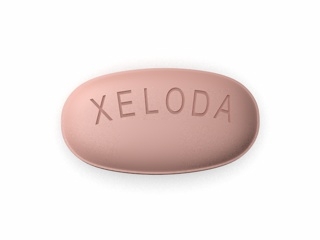

Xeloda (Capecitabine)
Xeloda is the brand name of capecitabine, a cancer medicine used to treat certain cancers, often including breast, colorectal, and gastric cancers. Capecitabine is taken as tablets and is converted in the body into an active chemotherapy drug, helping target cancer cells more selectively than some older therapies.
This page explains how Xeloda works, how it is taken, key safety information, and practical tips for everyday use in Australia. It is written to be easy to understand and is not a substitute for personalised medical advice.
Quick overview
- Active ingredient: Capecitabine
- Brand: Xeloda
- Medicinal type: Oral anticancer (chemotherapy) / antimetabolite
- How it works: Converted in the body to 5-fluorouracil (5-FU)
- Available form: Tablets (strengths vary by product)
- Typical schedule: Often taken in cycles (e.g., two weeks on, one week off)
- Common side effects: Diarrhoea, nausea, fatigue, mouth soreness, and hand-foot syndrome
Basic product information
Xeloda contains capecitabine and comes in tablet strengths that may differ by market and manufacturer. Your pharmacist or treating team can confirm the exact strength you have been supplied.
| Category | Details |
|---|---|
| Generic name | Capecitabine |
| Brand | Xeloda |
| Drug class | Antimetabolite (prodrug of 5-fluorouracil) |
| Route of administration | Oral tablets |
| Key therapeutic area | Breast, colorectal, gastric (and other selected) cancers |
| Typical use pattern | Given in treatment cycles with planned rest periods |
How Xeloda works (mechanism of action)
Capecitabine is a prodrug. After you swallow the tablets, capecitabine is absorbed into the bloodstream and then converted in stages into 5-fluorouracil (5-FU).
The conversion happens more extensively in tumour tissues because of higher activity of certain enzymes in some cancers. 5-FU then interferes with cancer cell growth by affecting:
- DNA synthesis: disrupting the building blocks cancer cells need to divide
- RNA and protein production: creating faulty messages and proteins in rapidly dividing cells
Overall, Xeloda aims to slow or stop the growth of cancer cells while allowing the body to clear the medicine between treatment cycles.
Pharmacokinetics (how the body processes it)
While individual results vary, the key pharmacokinetic features of capecitabine include:
- Absorption: Capecitabine is absorbed from the gastrointestinal tract after oral dosing.
- Conversion to active metabolites: It undergoes enzymatic conversion to 5-FU via intermediate steps, producing active forms primarily in tissues where the target enzymes are more active.
- Distribution: The medicine and metabolites circulate throughout the body, enabling systemic anticancer activity.
- Metabolism: Metabolites are broken down primarily in the liver.
- Excretion: Excretion is mainly through the kidneys (urine), so kidney function can be important for safe dosing.
Your prescriber may adjust doses based on your kidney function, overall blood counts, treatment history, and treatment-related side effects.
Typical uses and indications
Xeloda (capecitabine) is used to treat several cancer types. The exact indication depends on cancer stage, prior treatments, and whether it is used alone or in combination with other therapies.
Common indications may include:
- Colon and rectal cancer (colorectal cancer): including adjuvant (after surgery) or metastatic settings.
- Breast cancer: in certain HER2-negative or other selected settings, often depending on prior treatments.
- Gastric (stomach) cancer: in selected treatment contexts.
- Other settings: In some cases, Xeloda may be used for cancers where 5-FU-based chemotherapy is appropriate (based on specialist assessment).
For the most accurate, up-to-date indications for your specific situation, always rely on your treating team and the approved prescribing information used in Australia.
Dosing overview (general information)
Dosing for capecitabine is typically calculated using body surface area (BSA) (based on height and weight), and then given in cycles with planned rest periods. Your prescribed dose and schedule are tailored to your cancer type, treatment goal, and side effect tolerance.
Common cycle example (illustrative)
Many regimens follow a pattern such as:
- Two weeks on treatment
- One week off treatment
- Then repeating cycles
How to take the daily doses
Capecitabine is generally taken in two divided doses per day (e.g., morning and evening) on scheduled days. Tablets should be taken on the days your regimen specifies, and held during rest periods if your cycle includes them.
Important: Do not change your dose schedule without clinician guidance, even if you feel well. If you miss a dose, follow the instructions provided by your treatment team or the medicine information sheet. (Different regimens have different rules for missed doses.)
Timing: when and how to take Xeloda
Timing can affect how smoothly you tolerate the medicine and may influence absorption. Common practical advice is:
- Take tablets at the times instructed (often morning and evening).
- Take with water.
- Keep a consistent schedule each day of your cycle.
- Maintain the full cycle plan unless your clinician instructs dose changes or pauses due to side effects.
Food interactions (and how to manage them)
Whether capecitabine should be taken with food is a frequent question. In general, to improve tolerance and absorption, capecitabine is commonly recommended to be taken after food (or as specified in the Australian product information you received).
Practical guidance
- Take after a meal: Many regimens advise taking morning and evening doses after food.
- Avoid taking on an empty stomach if your instructions specify “after food.”
- Stay consistent: If you take it after breakfast one day, try to take it after breakfast around the same time each day.
If you have swallowing difficulties, nausea, severe appetite changes, or gut symptoms, discuss options with your clinician. They may adjust supportive treatments (for nausea, diarrhoea, or mouth sores) and may modify the timing within your regimen.
Alcohol and medicine interactions
Alcohol can worsen dehydration, nausea, diarrhoea, sleep quality, and liver stress—all of which may be relevant during chemotherapy. For this reason, many patients are advised to limit alcohol or avoid it during treatment.
Alcohol considerations
- Dehydration risk: Alcohol may increase dehydration—important if you develop diarrhoea.
- GI irritation: Alcohol can irritate the stomach and worsen nausea or mouth discomfort.
- Fatigue and coordination: Alcohol may add to treatment-related tiredness.
Medicine interactions (important)
Capecitabine can interact with other medicines. Some interactions may affect side effects, metabolism, or bleeding and clotting risk. Let your healthcare team know about all products you take, including:
- Prescription medicines
- Over-the-counter medicines
- Herbal supplements (e.g., St John’s wort)
- Vitamins and mineral products
- Topical products (including those that affect skin reactions)
The following interaction topics are commonly discussed with capecitabine:
- Warfarin and other anticoagulants: 5-FU–based therapies may increase the risk of bleeding in some patients. If you use anticoagulants, close monitoring is essential.
- Other chemotherapy: combination regimens may increase side effect risk and require planned adjustments.
- Leucovorin/folate-containing regimens: in some cancer regimens, supportive agents may be used to enhance effect, but they also influence toxicity.
- Allopurinol: used for gout in some patients; discuss with your clinician.
- Anticonvulsants: some medicines can affect liver enzymes.
Always check with your pharmacist or cancer care team before starting new medicines, including short courses such as antibiotics or anti-inflammatories.
Safety profile: side effects to watch for
Like all chemotherapy medicines, capecitabine can cause side effects. Many are manageable with supportive care, dose adjustments, and prompt symptom reporting.
Common side effects
- Diarrhoea (sometimes severe)
- Nausea and appetite changes
- Vomiting (less common)
- Fatigue and weakness
- Mouth sores or inflammation of the mouth
- Hand-foot syndrome (palmar-plantar erythrodysaesthesia): redness, swelling, pain, and peeling of skin on palms/soles
- Skin changes such as dryness or rash
- Low blood counts (your team will monitor full blood counts)
- Abnormal liver function tests in some patients
Serious side effects (seek urgent medical help)
Contact your healthcare team urgently or seek emergency care if you experience:
- Fever (especially with low white blood cells), chills, or signs of infection
- Severe diarrhoea or diarrhoea with dehydration symptoms
- Severe vomiting or inability to keep fluids down
- Signs of hand-foot syndrome complications (severe pain, ulcers, blistering, or infection)
- Blood in urine or stools, unusual bruising, or bleeding
- Chest pain, severe shortness of breath, or neurologic symptoms
- Severe allergy-like symptoms (swelling of face/lips, widespread rash, difficulty breathing)
When your dose may be adjusted
Many treatment plans include dose interruptions or dose reductions when side effects occur. Your clinician may use structured grading criteria (severity levels) to decide whether to:
- Delay the next cycle
- Reduce the dose
- Stop treatment if toxicity is too high
Practical use tips for everyday life
The following tips can help many people tolerate capecitabine more comfortably. Your treating team may provide specific instructions tailored to your regimen and symptoms.
1) Hand-foot syndrome (HFS) prevention and care
- Keep hands and feet moisturised using fragrance-free creams.
- Avoid friction and pressure (tight shoes, repetitive impact activities).
- Use protective padding if recommended.
- Report early symptoms (tingling, redness, soreness) so dose changes/supportive care can be started promptly.
2) Diarrhoea management
- Start early supportive measures as advised by your clinician.
- Hydrate (oral rehydration solutions can help).
- Avoid foods that worsen diarrhoea (spicy, very fatty foods) based on your tolerance.
- If diarrhoea becomes frequent or severe, contact your care team immediately—this may require urgent treatment and dose modification.
3) Mouth care
- Brush gently with a soft toothbrush.
- Rinse your mouth as instructed (some patients use saltwater rinses).
- Report painful sores early so supportive treatments can be started.
4) Nausea and appetite
- Take anti-nausea medicines exactly as prescribed (if you’ve been given them).
- Eat small, frequent meals if large meals worsen nausea.
- Stay hydrated—tiny sips can help when appetite is low.
5) Protect your medication routine
- Use a medication diary or calendar reminders.
- Do not double doses if you miss one—follow the plan you were given.
- Store tablets as directed on the package (typically at controlled room temperature, away from moisture and heat).
- Keep out of reach of children.
Alternative options to discuss with your clinician
Treatment choice depends on cancer type, stage, prior therapy, genetic markers, and your general health. If Xeloda is not suitable or is poorly tolerated, oncology teams may consider alternatives such as:
- Other oral fluoropyrimidines (depending on indication and availability)
- 5-FU–based chemotherapy delivered by infusion (in certain regimens)
- Capecitabine dose adjustments or supportive medicines to improve tolerability
- Targeted therapies or immunotherapies where relevant to tumour characteristics
- Different chemotherapy combinations used in the same clinical settings
Your clinician can explain why one option may be preferred over another for your specific diagnosis and goals of treatment.
Market and legal context in Australia
In Australia, medicines like Xeloda are supplied through regulated healthcare channels and must be used according to Australian medicines legislation and relevant prescribing and dispensing requirements. Oncology medicines are typically accessed via specialist oncology services and dispensed through authorised pharmacies.
Availability may vary depending on supply chains, stock levels, and whether the product is dispensed under specific schemes or through hospital outpatient services. If you need help understanding where to access your medicine, speak with your pharmacist or your treating team.
Recent guidance and safety updates (what to consider)
Cancer care practices and product safety information can change over time as new evidence emerges and as regulators update medicine information. For capecitabine, common areas of evolving practice include:
- Early recognition of side effects such as hand-foot syndrome and diarrhoea
- Structured dose modification strategies to reduce severe toxicity
- Renal function considerations to help prevent excessive exposure
- Updated supportive care to manage symptoms and maintain quality of life
If you have concerns about your dose, schedule, or new symptoms, check with your oncology team promptly. They can confirm whether any guidance in your treatment regimen has been updated.
Delivery and availability
Online pharmacy options in Australia may offer delivery of prescription medicines, depending on the platform’s licensing and the category of the medicine. Where home delivery is available, it usually includes:
- Ordering and verification steps
- Secure packaging to protect tablets from moisture and damage
- Tracking and delivery updates
- Estimated delivery timeframes based on your address
Availability can fluctuate. If your supply is needed for an exact treatment start date, plan ahead and request early dispensing. Some people prefer home delivery schedules aligned with cycle start dates to avoid interruptions.
Storage and handling tips
- Store tablets according to the label (commonly at room temperature).
- Keep away from humidity (cap the bottle and store in the original container).
- Do not use tablets after the expiry date.
- Wear gloves when handling blister packs or tablets if your healthcare team has advised precautions for chemotherapy exposure, and follow local guidance for disposal.
- Keep tablets out of sight and reach of children and pets.
FAQ
1) Is Xeloda the same as capecitabine?
Yes. Xeloda is a brand name that contains the active ingredient capecitabine.
2) How long does it take to work?
Cancer medicines are evaluated over treatment cycles. Some side effects (like nausea or fatigue) can appear within days, while tumour response is assessed through imaging and clinical review at scheduled intervals.
3) What should I do if I miss a dose?
Follow the instructions given by your treatment team or medicine information. Missed-dose rules can differ based on the regimen. In general, do not double up without advice.
4) Can I take Xeloda with food?
In many regimens, capecitabine is taken after food to improve tolerance. Always follow the specific directions provided for your dose schedule.
5) What is hand-foot syndrome and how do I manage it?
Hand-foot syndrome (HFS) is a common side effect involving the palms and soles. Early reporting is key. Supportive care often includes moisturisers, avoiding friction/pressure, and prompt dose adjustment if symptoms are significant.
6) Can I drink alcohol while taking Xeloda?
It’s usually recommended to limit or avoid alcohol during treatment, particularly because of increased risk of dehydration and worsening GI side effects. Ask your clinician for advice tailored to your health and treatment.
7) Are there interactions with blood thinners like warfarin?
Yes. Some chemotherapy treatments can affect bleeding/clotting control when used with anticoagulants. If you take warfarin or other blood thinners, your healthcare team should closely monitor you.
8) How will my doctor monitor safety?
Monitoring may include blood tests (full blood counts and liver/kidney function), symptom review, and assessment of side effects. Dose adjustments are commonly made based on results and how you feel.
9) Who should not take Xeloda or who may need special caution?
People with significant kidney impairment, certain liver conditions, or those with a history of severe fluoropyrimidine toxicity may need caution. Your clinician will weigh benefits and risks and may adjust dosing accordingly.
10) What should I do if side effects become severe?
Contact your oncology team promptly. Severe diarrhoea, fever, persistent vomiting, or signs of infection should be treated as urgent. Early intervention can prevent complications and may protect treatment continuity.
Need more help?
If you have questions about how to take your tablets, managing side effects, or coordinating supply for treatment cycles, speak with your pharmacist or cancer care team. They can help you create a plan that supports both safety and comfort during therapy.