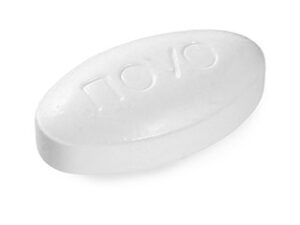


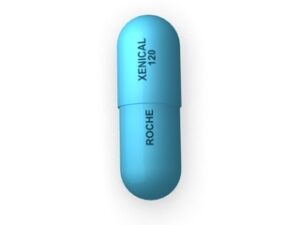
Xenical (Orlistat) – Patient Guide (Australia)
Xenical is a weight-management medicine containing orlistat. It works in the gut to help you reduce calorie absorption from fat in the foods you eat. This guide explains how Xenical works, how to use it safely and effectively, and what to expect—written for people in Australia considering or already using orlistat.
Note: This information is for general education. Your healthcare professional may tailor advice to your individual needs, including your medical history, current medicines, and diet plan.
Basic product information
- Brand name: Xenical
- Active ingredient: Orlistat
- Medicine type: Weight-management (lipase inhibitor)
- How it’s supplied: Tablets (typically taken with meals)
- Where it acts: Mainly in the digestive tract (gastrointestinal tract)
How Xenical works (mechanism of action)
Orlistat works by inhibiting digestive enzymes called lipases (pancreatic and gastric lipase). These enzymes normally break down dietary fat into smaller components so the body can absorb them.
By blocking these enzymes, Xenical helps to prevent a portion of the fat you eat from being absorbed. Instead, much of that undigested fat passes through your digestive system and is excreted.
- Less fat absorption from meals
- More fat excretion (common side effects are related to this)
- Effect is strongest when taken with meals that contain fat
Pharmacokinetics (how the body handles it)
Orlistat has limited absorption into the bloodstream. It mainly remains in the gastrointestinal tract where it exerts its action.
- Systemic absorption: Low
- Metabolism: Minimal; most activity is local in the gut
- Excretion: Mainly via faeces (reflecting its local action)
Because systemic exposure is low, drug interactions can be less common than with medicines absorbed into the blood—but interactions can still occur, particularly involving fat-soluble vitamins and certain medications.
Typical use in weight management
Xenical is used as part of a comprehensive weight-management plan, typically including:
- Dietary changes (reduced calorie intake and sensible fat intake)
- Regular physical activity
- Behaviour changes (e.g., meal planning, portion awareness)
Many people use orlistat to support weight loss when diet and lifestyle changes alone have not been enough. It can also help with weight maintenance after initial weight loss, depending on individual circumstances and guidance from a healthcare professional.
Who it may be indicated for (indications)
Orlistat is intended for use in adults with excess weight when weight loss and weight management are appropriate clinical goals. In practice, eligibility often depends on your body weight and health risks.
- Overweight/obesity management as an adjunct to diet
- Support for weight loss goals and, in some cases, maintenance
Your clinician may use criteria such as body mass index (BMI) and the presence of associated risk factors (for example, type 2 diabetes risk or dyslipidaemia) when deciding whether orlistat is suitable.
Dosing and timing
Usual adult dose
The common dosing regimen for Xenical is:
- 120 mg three times daily
- Taken with each main meal that contains fat
Important timing rules
- Take a dose during or immediately after each main meal.
- If you skip a meal, skip the dose for that meal.
- If the meal contains little or no fat, the enzyme inhibition may be less relevant—however you should still follow your prescribed instructions.
How long to use it
Many weight-management plans review progress after a period of time. If you are not losing weight or not meeting goals, your clinician may reassess the treatment plan, diet, and adherence.
Food interactions and meal composition
Xenical’s effectiveness depends on meal fat. Because it targets dietary fat digestion, how you eat strongly influences results.
Best results: take with meals containing fat
- Take Xenical with main meals (breakfast, lunch, dinner).
- The medicine is designed to act in the gut during fat digestion.
What you may notice (fat-related gastrointestinal effects)
When you take orlistat, undigested fat can cause typical gastrointestinal side effects, especially if your meals are high in fat. Common effects include:
- Oily spotting or discharge from the rectum
- Urgency to have a bowel movement
- Greasy/oily stool
- Increased frequency of bowel movements
- Gas and discomfort
Tip: Reducing dietary fat—especially the fat content of main meals—often helps improve these effects.
Dietary fat and balanced nutrition
Xenical does not “remove” all fat from your diet. To support overall health:
- Choose a balanced eating pattern with adequate protein, fibre, and essential nutrients.
- Include vegetables, legumes, whole grains (where appropriate), and healthy fats in moderation.
- Plan meals rather than relying on high-fat “convenience” foods.
Alcohol interactions
Orlistat is not known for a direct “dangerous” interaction with alcohol in the way some medicines are. However, alcohol can affect weight management and can also irritate the digestive tract in some people.
- Moderation is recommended. Alcohol can increase calorie intake.
- If you experience stomach discomfort or diarrhoea, reducing alcohol may help.
- Alcohol-containing foods or drinks may be high in calories—this can undermine weight-loss efforts.
If you have liver disease, pancreatitis history, or other chronic conditions, seek medical advice for the safest approach.
Medicine interactions (including vitamins and common medicines)
Because orlistat works in the gut, interactions often relate to absorption—especially of fat-soluble vitamins and certain medications that rely on absorption.
Fat-soluble vitamins (A, D, E, K)
Orlistat may reduce absorption of fat-soluble vitamins. This is why vitamin supplementation is commonly advised when using orlistat.
- Consider a multivitamin or a product providing vitamins A, D, E and K.
- Separate timing: Take supplements at least 2 hours before or after each orlistat dose (follow your pharmacist’s or clinician’s instructions for the exact timing).
Thyroid hormone (levothyroxine)
Some people using thyroid hormone therapy may need dose monitoring. Orlistat could affect absorption for certain individuals.
- If you take levothyroxine, discuss with a clinician or pharmacist.
- Thyroid levels (such as TSH) may need review if you start or stop orlistat.
Oral anticoagulants
With certain anticoagulants (blood thinners), monitoring may be needed. This is a “talk to your healthcare professional” area because individual circumstances differ.
- If you take an anticoagulant, seek advice before using Xenical.
- Tell your clinician about all medicines and supplements you use.
Other medicines
Orlistat may indirectly influence the absorption of other medicines. To reduce risk:
- Use your medicines as prescribed.
- Inform your pharmacist about all medicines you take (including over-the-counter products and supplements).
- If you have multiple medicines, ask how to space them relative to orlistat.
Safety profile and common side effects
Xenical is generally well tolerated, but its effect on fat digestion can lead to predictable gastrointestinal changes.
Common side effects
- Oily or fatty stools
- Flatulence (gas)
- Abdominal discomfort or cramps
- Urgency to have bowel movements
- Increased bowel movement frequency
- Fatty/oily spotting
Less common but important adverse effects
Seek medical advice promptly if you experience:
- Severe or persistent abdominal pain
- Signs of dehydration (especially if diarrhoea is significant)
- Blood in stool, black/tarry stools
- Severe diarrhoea
- Allergic symptoms such as rash, swelling, or breathing difficulty
When to stop and get urgent help
Contact emergency services or seek urgent care if you develop severe allergic reaction symptoms (for example, swelling of face/lips/tongue, trouble breathing) or severe persistent symptoms.
Practical use tips (to improve success and reduce side effects)
- Take it with the right meal: Use doses with each main meal, especially if that meal contains fat.
- Don’t “double up”: If a meal is skipped, skip the associated dose.
- Keep fat intake sensible: Lower-fat meals usually mean fewer gastrointestinal effects.
- Stay hydrated: If you have looser stools, drink fluids regularly.
- Add fibre gradually: To support bowel regularity, increase fibre intake slowly (and with enough water).
- Plan for “toilet access”: Many side effects cluster after higher-fat meals—choose meal timing and locations accordingly.
- Use vitamin supplementation if advised: Consider vitamins A, D, E, K and take them spaced from orlistat.
Who should seek medical advice before using Xenical
Speak to a healthcare professional (GP or pharmacist) before using orlistat if you have:
- Chronic malabsorption conditions
- Gallbladder problems or history of gallstones
- Chronic digestive disease affecting absorption or stool control
- Significant liver or kidney impairment
- Pregnancy or breastfeeding (safety considerations require professional guidance)
- Use of multiple medications that may require monitoring
Alternative options for weight management
Depending on your health profile, goals, and preferences, alternatives to orlistat may include:
Diet and lifestyle strategies
- Calorie-controlled eating plan
- Structured exercise and activity goals
- Behavioural programmes (meal planning, tracking, coaching)
Other weight-management medicines
There are other medical options available in Australia for selected patients. Suitability depends on factors such as BMI, comorbidities, and tolerability.
- Other prescription weight-loss medicines (availability and eligibility depend on local regulatory criteria and clinician assessment)
Supplements and “fat blockers”
Be cautious with weight-loss supplements. Many have limited evidence, inconsistent quality, or may interact with medicines. For best safety, discuss options with a pharmacist or clinician.
Market and legal context in Australia
In Australia, medicines are regulated by the Therapeutic Goods Administration (TGA). The legal status, supply arrangements, and prescribing requirements can vary based on product formulation and approved indications.
For weight-management medicines, access may differ between:
- Products available for supply through pharmacies with appropriate consumer information
- Medicines where a clinician’s involvement is required, depending on status and suitability criteria
Always use medicines according to the approved label and any guidance provided by your healthcare professional. If you are unsure about eligibility or safe use, consult a pharmacist.
Recent guidance and best-practice considerations
Guidance for orlistat use typically emphasises:
- Adherence to dosing timing with meals
- Low-to-moderate fat diet to reduce gastrointestinal side effects
- Vitamin supplementation (especially fat-soluble vitamins) when using the medicine long-term
- Monitoring progress (weight change and tolerability) and revisiting the plan if goals aren’t being met
- Considering ongoing lifestyle support rather than relying on medication alone
Specific recommendations may vary by patient circumstances and local guidance. Your pharmacist can help interpret label directions and advise on supplementation and spacing.
Delivery and availability (Australia)
Xenical may be available through Australian pharmacy channels depending on stock levels and supply arrangements. When ordering online:
- Check the product details page for strength, pack size, and availability.
- Delivery timeframes can vary by location. Rural and regional areas may take longer.
- Orders are typically packed securely and shipped via tracked services.
- Cold-chain is generally not required for this medicine unless stated for a specific product.
For the most accurate information, review the delivery details and shipping times shown during checkout.
FAQ – Xenical (Orlistat)
1) How quickly does Xenical start working?
Xenical works locally in the gut. You should take it with meals for it to act during fat digestion. Side effects related to fat digestion can appear soon after starting, especially with high-fat meals.
2) Will Xenical work if I don’t eat fatty foods?
If your meals contain little fat, there may be less fat to block—so the effect on calorie absorption from fat may be smaller. Many people still benefit from Xenical as part of a structured weight-management plan, but the main driver remains your overall calorie intake and dietary pattern.
3) What if I forget a dose?
If you miss a dose, take it only if you are having a meal and it’s close to that meal time. If the meal is over or you’re not eating, skip that dose and continue with your next scheduled meal-based dose. Do not double up.
4) Can I take Xenical with every meal?
It is designed for main meals. Follow the dosing instructions on your product label and your pharmacist’s advice. Commonly, this means up to three times daily with breakfast, lunch, and dinner.
5) What should I do about oily stools or urgency?
These are commonly related to higher dietary fat. Tips include reducing fat content of meals, taking Xenical as directed, staying hydrated, and planning meals around your daily routine. If symptoms are severe or persistent, speak to a healthcare professional.
6) Do I need vitamin supplements?
Many people using orlistat long-term are advised to take a multivitamin containing fat-soluble vitamins (A, D, E, K). Ask your pharmacist about the right supplement and the correct timing (often spaced at least 2 hours before or after orlistat).
7) Does Xenical affect birth control pills?
Generally, no specific reduction in contraceptive effectiveness has been established for orlistat in the same way as some other medicines. However, gastrointestinal side effects like diarrhoea could potentially reduce absorption of oral medicines. If you experience significant diarrhoea or vomiting, seek advice about reliable contraception.
8) Can I drink alcohol while taking Xenical?
Moderate alcohol consumption is generally not described as having a direct dangerous interaction with orlistat. However, alcohol adds calories and may worsen digestive symptoms. If you notice increased stomach upset or bowel changes, reduce alcohol or discuss with your pharmacist.
9) What medicines should I be extra careful with?
If you take thyroid hormone (levothyroxine), anticoagulants, or medicines that require careful absorption monitoring, speak to a pharmacist. Also ensure your supplement plan is coordinated with orlistat timing.
10) Is Xenical suitable for everyone?
No. Suitability depends on your health conditions, medications, and overall risk profile. Check with a healthcare professional if you have digestive disorders, malabsorption issues, significant comorbidities, or if you are pregnant or breastfeeding.
Summary
Xenical (orlistat) is a gut-acting weight-management medicine that reduces absorption of dietary fat by blocking digestive lipases. It is typically taken with each main meal and skipped if a meal is missed. Because it can affect absorption of fat-soluble vitamins and cause fat-related gastrointestinal side effects, practical meal planning and (when advised) vitamin supplementation are key to safer, more comfortable use.
If you have questions about dosing, meal timing, supplement spacing, or medicine interactions, a pharmacist can help you get the safest plan for your situation.