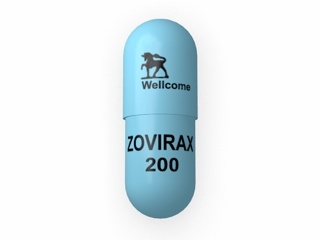


Zovirax (Acyclovir) — Patient Information (Australia)
Zovirax is a well-known antiviral medicine containing acyclovir. It is used to treat certain viral infections, most commonly those caused by the herpes family of viruses such as herpes simplex (cold sores and genital herpes) and herpes zoster (shingles). This guide explains how Zovirax works, how it is typically used, what to expect, and important safety information for people in Australia.
Note: Product availability and exact formulations can vary by brand and supplier. Always check the strength on the packaging and follow the directions provided with your product.
Basic product information
- Medicine: Zovirax
- Active ingredient: Acyclovir
- Medicinal purpose: Antiviral (anti-herpes virus)
- Common forms: Tablets, oral suspension, and topical creams/ointments (availability depends on the pharmacy supply)
- How it’s used: Depending on the infection and formulation, it may be taken by mouth or applied to skin lesions
In Australia, acyclovir-containing products are supplied through pharmacies and may be available in different pack sizes and strengths depending on the specific Zovirax product.
How Zovirax works (mechanism of action)
Acyclovir targets infected cells to stop viral replication. Herpes viruses require a viral enzyme called viral thymidine kinase to activate acyclovir. Once activated, acyclovir is incorporated into viral DNA, causing:
- Inhibition of viral DNA synthesis
- Chain termination, preventing the virus from multiplying
Because the activation step relies heavily on viral enzymes, acyclovir is more selective for infected cells than for uninfected cells.
Pharmacokinetics (absorption, distribution, metabolism, excretion)
Absorption: After oral dosing, acyclovir is absorbed into the bloodstream. Absorption can vary by formulation and whether it is taken with food (food may influence timing and stomach-related comfort).
Distribution: Acyclovir distributes throughout body tissues and fluids, including areas affected by herpes virus infections.
Metabolism: Acyclovir is minimally metabolised.
Excretion: It is primarily eliminated via the kidneys (renal excretion). This is especially important for people with kidney impairment or those taking medicines that affect the kidneys.
Clinical implication: Good hydration and appropriate dosing are important to support kidney clearance.
Typical use and timing
Zovirax is used to treat infections where acyclovir is appropriate. The most important factor for best results is starting early.
- Cold sores (herpes labialis): Starting at the first sign of symptoms (tingling, itching, redness) can improve outcomes.
- Genital herpes (herpes simplex): Early treatment after symptoms begin may reduce symptom duration and viral shedding.
- Shingles (herpes zoster): Antiviral treatment works best when started as soon as possible, ideally within the first 72 hours of rash onset.
If you are unsure whether your symptoms match an infection Zovirax treats, seek advice from a healthcare professional or pharmacist.
Food interactions
Oral acyclovir: Food generally has minimal impact on whether acyclovir is effective, but it can affect stomach comfort and the speed of absorption. Many people find taking it with food helps reduce nausea.
Practical tip: If your product label recommends taking with food or with water, follow that advice. If you have a sensitive stomach, taking with a meal or soon after can help.
Topical preparations: Food is not relevant to topical use.
Alcohol interactions
Acyclovir does not have a classic “dangerous interaction” with alcohol like some other medicines do. However:
- Alcohol may worsen dehydration and can strain overall recovery.
- It may worsen side effects such as dizziness, nausea, or fatigue in some people.
- If you are treating shingles or a painful herpes infection, alcohol may also make symptom control harder.
Recommendation: Limit alcohol while taking acyclovir and focus on hydration (unless you have been advised to restrict fluids for medical reasons).
Medicine interactions (and related cautions)
Many interactions depend on dose, kidney function, and other medicines. The most important interaction category for acyclovir involves medicines that affect kidney function or compete with kidney clearance.
Medicines that may increase risk to the kidneys
- Nephrotoxic drugs (medicines that can affect kidney function)
- Some anti-inflammatories used at higher doses or for longer periods (depending on the specific drug)
- Other medicines excreted by the kidneys where competition may occur
Key safety considerations
- Kidney impairment: Dose adjustments may be required.
- Older adults: Kidney function can decline with age, so caution is advised.
- Hydration: Staying well-hydrated helps support kidney clearance.
Practical step: If you take regular medicines (including over-the-counter drugs and herbal products), ask a pharmacist to check for interaction risks for your specific regimen.
Indications (what Zovirax is used for)
Zovirax (acyclovir) is commonly indicated for treatment of:
- Herpes simplex virus infections:
- Cold sores (herpes labialis)
- Genital herpes (herpes simplex affecting the genital area)
- Other mucocutaneous herpes infections as directed by a healthcare professional
- Herpes zoster (shingles)
- Prevention/management of recurrent herpes in certain circumstances (depending on risk and clinical scenario)
Which specific indication applies to you depends on the infection type, severity, immune status, and timing since symptoms began.
Dosing (general guidance for common scenarios)
Dosing varies by the infection being treated, severity, age, kidney function, and the specific Zovirax formulation. The table below provides typical dosing ranges seen in clinical practice for acyclovir, but you should always follow the instructions on your product label or clinician guidance.
| Condition (common example) | Typical timing | Common dosing frequency (oral) | Notes |
|---|---|---|---|
| Cold sores (herpes labialis) | Start at first symptoms (tingling/itching) | Often several times per day for about 5 days | Prompt treatment can shorten duration and reduce severity for many people. |
| Genital herpes (first episode or flare) | As early as possible after onset | Often several times per day for several days | Dosing may differ for first episode vs recurrent episodes. |
| Shingles (herpes zoster) | Ideally within 72 hours of rash onset | Often multiple doses per day for about 7 days | Earlier treatment can help reduce complications. |
| Kidney impairment | Any time—requires adjustment | May need reduced frequency or dose | Renal function affects acyclovir levels; seek advice. |
Topical acyclovir: For creams/ointments used for cold sores, dosing schedules also vary by product and country approvals. Follow the specific instructions for your Zovirax topical preparation.
If you miss a dose: Take it as soon as you remember unless it is close to the next dose. Do not take extra to make up for missed doses.
Safety profile (who should be cautious)
Most people tolerate acyclovir well. However, side effects can occur, and certain groups should take extra care.
Common side effects
- Nausea
- Diarrhoea or abdominal discomfort
- Headache
- Dizziness
- Fatigue
Less common but important side effects
- Kidney-related effects (especially with dehydration or higher exposure)
- Neurologic symptoms (e.g., confusion, tremor) — more likely with reduced kidney function or high doses
- Allergic reactions, including rash or swelling (seek urgent advice if severe)
When to seek urgent medical help
- Signs of a severe allergic reaction (swelling of face/lips, breathing difficulty, widespread hives)
- Very reduced urination, severe dizziness, confusion, or new neurologic symptoms
- Persistent vomiting or inability to keep fluids down
Who should use caution
- People with kidney problems
- Older adults (possible decreased kidney function)
- People with dehydration
- Individuals with weakened immune systems (management may differ and should be discussed with healthcare providers)
- Pregnancy and breastfeeding (benefits and risks should be assessed; discuss with a healthcare professional)
Practical use tips (getting the best results)
- Start early: Treatment is most effective when begun promptly after symptoms start.
- Use the full course: Even if symptoms improve, finish the recommended duration unless advised otherwise.
- Hydrate: Drink adequate water to support kidney clearance, unless your doctor has limited your fluids.
- Be careful with transmission: Herpes viruses can spread even when sores are healing.
- Avoid skin-to-skin contact with active lesions.
- For genital herpes, use condoms and follow safer-sex advice (risk can still be present).
- Avoid sharing towels, razors, or lip balm when lesions are active.
- Topical care: Apply creams/ointments as directed and keep the area clean and dry.
- Wash hands before and after applying to prevent spreading the virus.
- Avoid applying to eyes or inside the mouth unless directed.
- Monitor response: If symptoms are not improving after the expected timeframe, seek advice.
Alternative options
Depending on the infection and your medical history, other antiviral treatments or supportive measures may be considered.
Other antiviral medicines for herpes infections
- Valaciclovir (an alternative prodrug with different dosing convenience)
- Famciclovir (another antiviral option for some herpes infections)
- Topical therapies (for certain cold sore regimens)
Supportive measures
- Pain relief (as appropriate for you)
- Keeping lesions clean and reducing friction
- For shingles: early medical assessment is important for complication risk management
Which alternative is best? It depends on the site of infection, frequency of outbreaks, kidney function, and timing since symptoms began. A pharmacist can help compare general options.
Market & legal context in Australia (overview)
In Australia, medicines are regulated through the Therapeutic Goods Administration (TGA). The availability, scheduling, and prescribing requirements can vary depending on the product strength, formulation (oral vs topical), and indication.
For online pharmacies, the key expectations are:
- Information must be accurate and aligned with the approved product details.
- Customer screening and safety checks should occur when required by the medicine classification.
- Products must be sourced through appropriate supply chains.
- Clear instructions on use, warnings, and storage should be provided.
Because legal and market requirements can change over time, the exact purchasing pathway for Zovirax (including whether a clinician review is required) can depend on the specific product and current Australian regulation.
Recent guidance and best-practice considerations
Antiviral guidance generally emphasises:
- Prompt initiation of antiviral therapy for herpes zoster (shingles) and for early herpes simplex flare-ups.
- Appropriate dosing adjustments for people with impaired kidney function and for older adults.
- Assessment of complications risk in shingles, particularly for older people, those with significant pain, or those with risk factors.
Clinical practice updates across countries typically reinforce that treatment should be guided by local health advice, approved product information, and patient-specific factors (especially timing and kidney function).
Delivery and availability (online pharmacy)
Zovirax (acyclovir) is generally supplied in Australia through community pharmacies and online pharmacy services, subject to availability of specific formulations and strengths.
Typical delivery expectations:
- Delivery times depend on your location (metropolitan vs regional/remote).
- Orders are commonly dispatched once verified and packed according to pharmacy process requirements.
- Some products may have limited stock depending on demand.
Storage: Keep the medicine as directed on the pack. Many oral medications should be stored at controlled room temperatures and kept out of direct sunlight and moisture.
FAQ
1) What is Zovirax used for?
Zovirax (acyclovir) is used to treat infections caused by herpes viruses, including cold sores, genital herpes, and shingles, depending on the product formulation and the individual’s situation.
2) How quickly will Zovirax start working?
People may notice improvement within a few days, but results vary. Starting within the recommended timeframe (especially for shingles and early cold sore symptoms) improves the chance of faster symptom relief.
3) Should I take Zovirax with food?
Many people find it more comfortable to take oral acyclovir with food or after a meal. Follow the directions on the pack for your specific Zovirax product.
4) Can I drink alcohol while using Zovirax?
There is no common severe alcohol interaction, but alcohol can worsen dehydration and may increase side effects. It’s best to limit alcohol and stay well hydrated.
5) Are there any important medicine interactions?
The most important issue is kidney-related interactions. Tell your pharmacist about all medicines you take, including non-prescription items, supplements, and anti-inflammatory medicines.
6) What if I have kidney problems?
Kidney impairment can increase acyclovir exposure. You may need a lower dose or different schedule. Speak with a pharmacist or healthcare professional for personalised advice.
7) Can Zovirax prevent outbreaks?
In some circumstances, antiviral medicines may be used as prevention (suppression) for people with recurrent herpes episodes. The approach depends on your pattern of outbreaks and overall risk.
8) Is Zovirax effective for everyone?
Acyclovir is most effective when the virus is susceptible and when treatment is started early. Response can vary by infection type, immune status, and timing.
9) How should I apply Zovirax cream/ointment?
Use it exactly as directed for the specific product. Wash hands before and after, apply thinly to affected areas, avoid eyes/mucous membranes unless instructed, and continue for the recommended duration.
10) When should I seek medical help?
Seek urgent care for severe allergic reactions, breathing difficulties, significant confusion, reduced urination, or severe/worsening symptoms. Otherwise, consult a healthcare professional if symptoms do not improve as expected.
Disclaimer: This information is a general patient guide. It does not replace advice from a healthcare professional. Always read the product leaflet and follow the directions on the packaging for your specific Zovirax (acyclovir) product.