
Zyvox (Linezolid) – Patient-Friendly Medicine Information (Australia)
Zyvox is the brand name of linezolid, an antibiotic used to treat certain serious bacterial infections. This page explains how Zyvox works, how it is used, what to expect, and important safety considerations—written to be easy to understand for patients and carers in Australia.
If you have questions about whether Zyvox is suitable for you, or about your specific infection and treatment plan, speak with your doctor or pharmacist. Always follow the directions given with your medicine.
Basic product information
Generic name: Linezolid
Brand name: Zyvox
Medicine type: Antibiotic (oxazolidinone class)
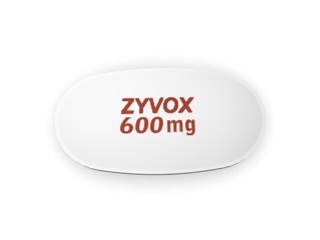
Common forms (availability may vary): Tablets and oral suspension (strengths depend on product type/pack)
How it’s taken: By mouth (oral), usually for a defined course length
In Australia, Zyvox may be supplied by community pharmacies or hospital dispensing channels depending on your situation. Availability can vary by formulation and strength.
How Zyvox works (mechanism of action)
Linezolid belongs to a class of antibiotics that interfere with bacterial protein production. Specifically, it binds to the bacterial 50S ribosomal subunit (a component of the ribosome) and blocks initiation of protein synthesis.
This stops bacteria from making the proteins they need to grow and multiply, helping to clear the infection. Linezolid has activity against several Gram-positive bacteria, including some resistant strains.
Important notes about activity
- Zyvox is generally used for Gram-positive infections or when resistant bacteria are suspected or confirmed.
- It is not intended for many Gram-negative infections unless specifically directed.
- Antibiotics work best when taken correctly and for the full course as advised.
Pharmacokinetics (how the body handles linezolid)
Pharmacokinetics describes what the body does with a medicine—absorption, distribution, metabolism, and elimination. With linezolid:
- Absorption: Oral linezolid is absorbed reliably. Food has minimal effect on overall absorption, so it can usually be taken with or without food (details below).
- Distribution: Linezolid distributes into many body tissues and fluids, enabling it to reach sites of infection.
- Metabolism: It is metabolised primarily through non-enzymatic and enzymatic pathways.
- Elimination: It is cleared through a combination of renal (kidney) and non-renal routes. Metabolites may accumulate in some people, especially those with kidney impairment.
Timing between doses matters because maintaining adequate levels helps the antibiotic work effectively. Your regimen is designed based on common dosing intervals.
Typical use and indications
Zyvox is used for certain serious infections caused by susceptible Gram-positive bacteria. Common clinical scenarios include:
- Pneumonia (including hospital-acquired or certain community-acquired forms, where appropriate)
- Complicated skin and soft tissue infections
- Infections due to resistant organisms where alternative antibiotics are unsuitable
- Infection management guided by culture results when available (for example, to target MRSA or similar organisms)
Indications can be influenced by the severity of the illness, local antibiotic guidelines, culture and sensitivity results, and patient factors. Your clinician will select the most appropriate antibiotic for the likely bacteria and site of infection.
Dosing and timing
The exact dose and duration vary depending on:
- the type and severity of infection
- your age and weight (especially in children)
- kidney or liver function
- other medicines you take
Common adult regimens may include 600 mg taken twice daily (every 12 hours). Many courses last 10–14 days, but some infections require longer or shorter durations depending on response.
| Patient group | Typical dosing pattern | Notes on duration |
|---|---|---|
| Adults (general overview) | Often 600 mg by mouth twice daily (about every 12 hours) | Usually based on infection type and clinical response; can be longer in some cases |
| Children / adolescents | Dose may be weight-based and dependent on formulation | Duration depends on infection type and response |
| People with kidney impairment | Dose may require careful consideration and monitoring | Follow clinician and pharmacist guidance |
| People with liver impairment | Dose may require careful consideration | Follow clinician and pharmacist guidance |
How to take Zyvox
- Consistency: Take it at the same times each day to maintain steady antibiotic levels.
- Swallow whole (if tablets): Don’t crush or chew unless your product instructions say otherwise.
- Oral suspension: If you’re prescribed the liquid, shake well and use the supplied measuring device.
- Course completion: Finish the course even if you feel better, unless your clinician advises stopping.
What if you miss a dose?
If you miss a dose, take it as soon as you remember, unless it is close to the next dose. In general, do not take a double dose to make up for the missed one. If you’re unsure, ask your pharmacist for advice.
Food interactions (with meals and beverages)
For most people, linezolid can be taken with or without food. Food may slightly affect absorption timing for some medicines, but for linezolid the overall exposure is generally not significantly reduced.
Practical tips:
- If you experience nausea or stomach upset, taking your dose with food may help.
- Keep meal routines consistent to make dosing easier to remember.
Alcohol and medicine interactions
Alcohol
While there is no universal rule that all alcohol must be avoided, it’s generally sensible to limit alcohol during treatment with Zyvox because:
- Alcohol can worsen dehydration, stomach upset, and tiredness—symptoms that may overlap with infection or side effects.
- Alcohol may interfere with adherence (missing doses) and recovery.
If you are unsure whether alcohol is safe for you, ask your pharmacist or doctor.
Major medicine interactions (important)
Zyvox can interact with certain medicines, particularly those affecting serotonin levels. These interactions can be serious.
Serotonin-related interactions (risk of serotonin syndrome)
You should tell your pharmacist or doctor if you take any of the following classes, or if you’re unsure:
- Antidepressants such as SSRIs, SNRIs, TCAs, and MAOIs
- Some migraine medications (e.g., triptans)
- Medications for Parkinson’s disease (certain drugs can affect monoamine levels)
- Other serotonergic medicines (including some opioids with serotonergic properties)
- St John’s wort (herbal product)
The combination of linezolid with serotonergic medicines may increase the risk of serotonin syndrome, which may include:
- agitation, confusion
- fever
- sweating, shaking/tremor
- diarrhoea
- fast heart rate
- muscle stiffness
If you develop symptoms suggestive of serotonin syndrome or you feel suddenly unwell after starting or changing medicines, seek urgent medical help.
Tyramine and “high-tyramine” foods
Some antibiotics in the same general area can cause issues with tyramine, a compound found in certain foods. With linezolid, tyramine-related blood pressure reactions may occur, particularly at higher risk with certain foods and when linezolid is taken with other interacting medicines.
Your clinician may advise you to avoid or limit high-tyramine foods during treatment. Examples may include:
- aged cheeses
- fermented or cured meats
- some fermented foods (food choices vary by person and local guidance)
- products that have been improperly stored or are highly fermented
Because dietary advice can be personalised, confirm what you should avoid with your pharmacist—especially if you’re on medicines that can further affect blood pressure or neurotransmitters.
Other interactions to discuss
- Blood pressure and heart medications (some may require monitoring)
- Medicines affecting blood counts (because linezolid can influence blood cell levels)
- Other antibiotics or medicines that affect gut flora (if you develop diarrhoea, it’s important to get checked)
Make sure your pharmacist has a complete list of your medicines, including vitamins, supplements, and herbal products.
Safety profile and possible side effects
Like all medicines, Zyvox can cause side effects. Many are mild and temporary, but some require prompt attention. The safety profile is especially important because treatment courses can last more than a week, and some blood-related or nerve-related side effects may develop with longer use.
Common or expected side effects
- Nausea
- Diarrhoea
- Headache
- Vomiting
- Dizziness
- Changes in taste
Important side effects (seek medical advice)
- Low blood counts (anaemia, low platelets, low white blood cells) – symptoms may include unusual tiredness, bruising, bleeding, infections that don’t improve.
- Peripheral neuropathy (nerve symptoms) – tingling, numbness, burning pain, or weakness, particularly with prolonged use.
- Vision changes – blurred vision, changes in colour perception, or loss of visual clarity (report promptly).
- Serotonin syndrome (see interaction section)—urgent if suspected.
- Severe allergic reactions – swelling of face/lips, breathing difficulty, widespread rash.
- Severe diarrhoea (especially watery or bloody) – could indicate antibiotic-associated colitis and needs prompt assessment.
- Lactic acidosis is rare but serious (more likely with prolonged use or in people with certain risk factors). Symptoms can include deep/rapid breathing, persistent nausea, abdominal pain, unusual weakness.
Monitoring during treatment
Depending on the planned duration and your health, your clinician may order blood tests to monitor:
- Full blood count (haemoglobin and other blood cells)
- in some cases, additional markers
- vision/nerve symptoms if prolonged therapy is expected
Even if you feel relatively well, monitoring helps catch problems early.
Practical use tips for patients
1) Keep a medicine list
Bring or maintain an up-to-date list of all medicines and supplements you take, including: prescription medicines, over-the-counter products, herbal remedies, and recreational products. Show it to your pharmacist before starting Zyvox, and after any changes.
2) Don’t stop early without advice
Stopping an antibiotic early can increase the risk that infection returns or doesn’t fully clear. If side effects occur, contact your clinician promptly rather than discontinuing on your own.
3) Watch for “red flag” symptoms
- new or worsening breathlessness
- severe rash or swelling
- severe diarrhoea
- unusual bruising/bleeding or extreme tiredness
- tingling/numbness or vision changes
4) Use reminders
Twice-daily dosing can be easier with alarms or phone reminders. Try to take doses around the same times each day.
5) Hydration and stomach comfort
If you experience nausea, stay hydrated and consider taking doses with food (if your formulation instructions allow).
Alternative treatment options
Antibiotic choice depends on the infection type, severity, bacterial susceptibility, and patient factors (such as kidney function and medicine interactions). Alternatives to Zyvox may include other antibiotics that your clinician selects based on local guidelines and culture results.
Examples of alternatives may include (depending on the bacteria and site of infection):
- Vancomycin (often used for certain resistant Gram-positive infections, typically hospital-based)
- Daptomycin (for specific skin or bloodstream infections)
- Clindamycin (in certain skin/soft tissue infections depending on susceptibility)
- Other anti-MRSA antibiotics (selection varies by local practice)
Discuss options with your clinician. If you’re concerned about side effects, tell them early—sometimes adjustments or switches can be considered.
Market and legal context for Australia
In Australia, antibiotics like linezolid are regulated medicines. Supply and use are governed by Australian medicines legislation and pharmacy practices, including requirements to ensure appropriate antibiotic stewardship.
Key points relevant to patients:
- Antibiotics should be used only when appropriate for a suspected or confirmed bacterial infection.
- Clinicians often base decisions on local antibiotic guidelines and susceptibility patterns.
- Your pharmacist may ask detailed questions about other medicines to check for serious interactions.
- Correct dosing and completing the course are important for both individual outcomes and reducing antibiotic resistance.
Availability in the community may depend on product form, stock levels, and whether the medicine is supplied through standard pharmacy channels.
Recent guidance and stewardship considerations
Antibiotic guidance evolves over time as resistance patterns and clinical evidence develop. In Australia, healthcare providers generally follow:
- national and local antimicrobial stewardship principles
- recommendations about when to use “reserve” or broader-spectrum agents (to help preserve effectiveness)
- monitoring practices for medicines with known safety considerations
For Zyvox specifically, clinicians consider factors such as infection severity, likely organisms, treatment duration, and interaction risk (especially serotonin-related interactions and tyramine considerations).
Delivery and availability (online pharmacy)
Online pharmacies in Australia may deliver Zyvox to eligible customers depending on:
- stock availability at the time of ordering
- the specific formulation/strength (tablet vs suspension)
- delivery location and service coverage
- the prescription/ordering process requirements applicable to regulated medicines
Typical delivery expectations (varies by pharmacy):
- order processing time before dispatch
- shipping time in transit depending on state/territory
- possible substitutions only where permitted and appropriate
If Zyvox is out of stock, your pharmacy may contact you to discuss alternatives or timing. Plan ahead to avoid missed doses.
FAQ – Zyvox (linezolid)
Is Zyvox used for all infections?
No. Zyvox is designed for specific bacterial infections (mainly serious Gram-positive infections or infections involving resistant bacteria). It won’t work for viral illnesses like colds or flu.
How long does treatment usually last?
Many courses are around 10–14 days for certain infections, but duration varies. Some infections need longer or shorter treatment depending on response and the type of infection.
Can I take Zyvox with food?
Usually yes. Linezolid can typically be taken with or without food. If you have nausea, taking it with food may be more comfortable.
Should I avoid alcohol?
It’s often best to limit alcohol during treatment. Alcohol can worsen side effects and recovery, and may complicate hydration and adherence. If you want personalised advice, ask your pharmacist.
What medicines should I tell my pharmacist about?
Tell them about all medicines and supplements, especially antidepressants and other serotonergic medicines, migraine treatments such as triptans, Parkinson’s medicines, and any herbal products like St John’s wort.
Why is there advice about tyramine/aged foods?
Linezolid may interact with tyramine and can, in some cases, contribute to blood pressure reactions—particularly with higher-tyramine foods. Your pharmacist may advise you to avoid certain foods during treatment.
What side effects are most important to watch for?
Report promptly if you have severe diarrhoea, signs of allergic reaction, vision changes, new tingling/numbness, unusual bruising/bleeding, or symptoms suggestive of serotonin syndrome.
Do I need blood tests while taking Zyvox?
Sometimes. The need for monitoring depends on how long you will take linezolid and your individual risk factors. Your clinician may order a full blood count and other tests if treatment is extended.
What if I miss a dose?
Take it when you remember unless it’s close to the next dose. Do not take a double dose. If unsure, consult your pharmacist.
Can Zyvox cause vision problems?
It can, particularly with longer use. If you notice blurred vision, changes in colour perception, or other visual symptoms, contact your clinician promptly.
Are there alternatives if I can’t take Zyvox?
Yes—there are other antibiotics that may be appropriate depending on the infection and bacterial susceptibility. Your clinician will choose an alternative if needed.
When to seek urgent help
Seek urgent medical attention if you experience:
- breathing difficulties, swelling of the face/lips, or widespread rash
- severe or worsening diarrhoea (especially with blood or fever)
- symptoms suggesting serotonin syndrome (especially after starting/changing serotonergic medicines)
- rapid deterioration, confusion, fainting, or severe weakness
- new vision loss or severe, persistent nerve symptoms
If you’re concerned but unsure how urgent it is, contact your pharmacist or a local health service for guidance.
Disclaimer: This information is a general guide for patients in Australia. It does not replace advice from your doctor or pharmacist. Always follow the directions provided with your Zyvox.