Vaniqa (Eflornithine) – Patient Guide (Australia)
Vaniqa is a prescription medicine used to reduce the appearance of unwanted facial hair in certain women. This guide explains what eflornithine does, how it works in the body, how to use it effectively, and what to expect. It also covers safety information and practical tips.
Quick overview
- Active ingredient: Eflornithine (commonly formulated as a topical cream)
- What it’s for: Reducing unwanted facial hair in women
- How it works: Slows the production of hair growth signals at the hair follicle level
- How long it takes: Visible improvement often begins after several weeks; continued use is usually needed to maintain results
- Route: Topical application to affected facial areas
Basic product information
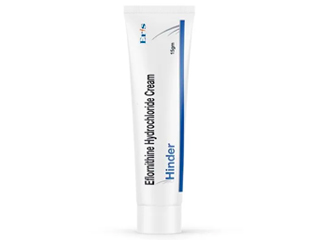
Vaniqa contains eflornithine, a medicine designed for local action on facial skin and hair follicles. In Australia, availability and brand presentation may vary by supplier, but the active ingredient is eflornithine.
Where it’s applied: Typically the face (commonly the areas with unwanted hair growth in women).
Important note: Only use the product on the areas and for the purpose described by your clinician or on the product information provided with your medicine.
How Vaniqa works (mechanism of action)
Eflornithine works by interfering with an enzyme involved in polyamine production inside cells. Polyamines are important for cell growth and activity.
In practical terms, eflornithine helps slow the rate of hair growth by reducing the biological processes that support active growth of hair follicles. It does not remove hair immediately like shaving or waxing; instead, it helps make regrowth slower and less noticeable over time.
- Hair is not “removed”: Existing hair remains until it naturally sheds
- Regrowth is affected: New hair tends to grow more slowly
- Fewer visible hairs over time: This is why patience and consistent use matter
Pharmacokinetics (what happens in the body)
Because Vaniqa is a topical medication, most of the activity occurs in the skin where it is applied. After application:
- Absorption: Eflornithine absorption through skin is generally limited. Systemic exposure is typically low compared with oral medicines.
- Distribution and elimination: Any medicine that enters the bloodstream is processed and removed by the body, mainly via normal metabolic and excretion pathways.
- Skin-focused action: The clinical effect is driven by local action in the hair follicles.
Clinical implication: Because systemic absorption is limited, most side effects are related to the application site (skin irritation) rather than whole-body effects. Still, it’s important to follow instructions and avoid unnecessary application to large areas.
Typical use and who it’s for
Vaniqa is intended for reducing unwanted facial hair in women with excessive facial hair (for example, when hair is cosmetically distressing and persistent).
It may be used as part of a longer-term approach to managing unwanted hair. Some people also combine it with cosmetic hair removal methods, but the timing and skin sensitivity need careful planning (see “Timing” and “Practical use tips”).
Indications (when it is used)
- Reduction of unwanted facial hair (cosmetic management in appropriate patients)
- Not a substitute for hair removal: It helps slow regrowth rather than instantly clearing hair
How to use Vaniqa: dosing and timing
Follow the dosing instructions on your product label or the instructions provided by your clinician. Below is general guidance that is commonly used for eflornithine topical therapy.
Typical dosing schedule
- Application frequency: Usually applied twice daily to the affected facial areas.
- Amount: Apply a thin layer to clean, dry skin—use enough to cover the target area evenly, but avoid over-application.
- Consistency: Results depend on regular use.
When to expect results
- Early changes: Some people notice changes in hair regrowth after a few weeks.
- More noticeable results: Often take around 8 weeks (or longer) of consistent use.
- Maintenance: If you stop treatment, hair growth typically resumes over time.
Timing with hair removal
- Shaving/waxing/depilatory creams: Because these can irritate skin, allow a short recovery period before applying Vaniqa.
- Practical approach: Apply Vaniqa after the skin is calm and fully dry to minimise stinging and irritation.
- Avoid applying on irritated skin: Do not apply to broken skin, active rash, or open wounds.
Tip: If you use shaving, consider doing it before the daily application time so the skin settles, then apply to dry, intact skin.
Food interactions
Food interactions are unlikely. Vaniqa is a topical medicine with limited systemic absorption. Unlike oral medicines, it is not usually affected by what you eat.
However, if you experience any unexpected side effects, mention them to a pharmacist or clinician. They can check whether another condition or medication may be contributing.
Alcohol and medicine interactions
Alcohol
There is no well-established direct interaction with alcohol for topical eflornithine. Because systemic absorption is typically limited, alcohol is not expected to meaningfully change Vaniqa’s performance.
Still, be cautious if you drink alcohol and also use other products that may irritate your skin (for example, strong exfoliants). Skin irritation can occur from multiple causes, and comfort matters.
Other medicines
When using topical Vaniqa, the main interaction concerns are usually local skin effects rather than systemic drug interactions. Consider the following:
- Other topical products: Using multiple active skincare products (acids, retinoids, strong exfoliants) at the same time may increase irritation.
- Combinations with steroid or antifungal creams: In some circumstances, clinicians may recommend alternating or adjusting application times.
- Sun-sensitive products: If you use sunscreen or makeup, allow products to dry fully before applying Vaniqa to avoid mixing and irritation.
Always tell a pharmacist about any creams, gels, or skincare actives you regularly use on your face.
Safety profile: side effects and precautions
Like all medicines, Vaniqa can cause side effects. Most are mild and related to the skin at the application site.
Common skin-related side effects
- Burning or stinging sensation
- Dryness or tightness
- Redness (erythema)
- Itching
- Rash or irritation
Less common or more serious reactions (seek medical advice urgently)
- Severe rash or blistering
- Swelling of the face/lips/eyelids
- Breathing difficulties or signs of an allergic reaction
Precautions
- Eye and mouth area: Avoid contact with eyes, lips, nostrils, or inside the mouth.
- Broken skin: Do not apply to cuts, burns, or infected or severely irritated skin.
- Moisturiser compatibility: A gentle moisturiser may help reduce irritation—apply after Vaniqa has had time to absorb, unless your clinician advises otherwise.
- Temporary worsening: Early in treatment, some people notice mild irritation that improves with correct application and moisturising strategies.
Practical use tips for best results
These tips can improve comfort and maximise the chance of seeing improvement:
- Start on clean, dry skin: Wash the area and pat dry before applying.
- Use a thin layer: A small amount spread evenly is typically sufficient.
- Wash hands after use: Prevent accidental transfer to sensitive areas like eyes.
- Wait before applying cosmetics: Let the cream absorb to reduce smearing and irritation.
- Be gentle with skincare: Avoid strong scrubs, alcohol-based toners, or strong acids during the first weeks if you’re prone to irritation.
- Consistency matters: Skipping doses can delay results.
- Track progress: Consider taking a photo every 4 weeks under consistent lighting to monitor changes.
If you experience irritation
- Pause and consult a pharmacist or clinician if irritation is persistent or worsening.
- Ensure you are applying to intact skin only.
- Review your routine: reduce other potential irritants (e.g., exfoliating acids) while your skin settles.
Alternative options for unwanted facial hair
Depending on hair pattern, skin type, and preferences, other approaches may be considered. Alternatives can include:
- Cosmetic hair removal: Shaving, threading, waxing, and depilatory creams (may need careful skin management to reduce irritation).
- Laser or light-based treatments: Often reduce density over multiple sessions; results vary and maintenance may be needed.
- Hormonal management: For conditions such as polycystic ovary syndrome (PCOS), addressing underlying hormones may help reduce hair growth.
- Other topical regimens: Some products may be used for hair reduction or skin smoothing, though availability and suitability differ.
Choosing the right option: A clinician or dermatologist can help determine whether Vaniqa is appropriate for your situation and whether combining approaches makes sense for you.
Australia market & legal context (general information)
In Australia, medicines are regulated under the Therapeutic Goods Administration (TGA) framework. Medicines may be classified for different levels of access (for example, prescription-only or other categories depending on active ingredient and presentation).
Vaniqa availability: Access to Vaniqa may depend on your circumstances and local pharmacy processes. Online pharmacies may require completion of a health questionnaire and verification steps according to Australian requirements.
Important: Always use medicines according to the instructions supplied and do not share your medicine with others.
Recent guidance and clinical considerations
Guidance for eflornithine therapy typically focuses on:
- Setting expectations: Improvement is gradual; consistent use is needed.
- Managing irritation: Avoid application on irritated or broken skin and consider gentle skincare compatibility.
- Safety with local application: Keep away from eyes and mucous membranes.
- Ongoing evaluation: If no improvement is seen after an appropriate trial period (commonly around 2–4 months), discuss next steps.
Note: Product information and local health guidance can evolve. If you are unsure, ask your pharmacist for the latest advice for your specific product and situation.
Delivery and availability (Australia)
Online pharmacies may deliver Vaniqa to eligible addresses across Australia. Delivery timelines depend on stock availability and your location. Some pharmacies use standard courier services, while others offer express delivery where available.
- Stock status: Delivery may be faster if the item is in local distribution.
- Packaging: Medicines are typically shipped in protective packaging to maintain product integrity.
- Cold-chain: Usually not required for topical creams, but always follow the storage instructions on your product label.
Availability: If Vaniqa is temporarily unavailable, the online pharmacy may suggest alternatives or notify you about restock timing.
Storage information
Store Vaniqa according to the instructions on the packaging. In general:
- Keep out of sight and reach of children.
- Store at the recommended temperature (often below 25°C, unless stated otherwise).
- Keep the container tightly closed.
- Check the label for any specific “use by” date and storage conditions.
FAQ – Frequently asked questions
1. How quickly will Vaniqa work?
Many people begin to notice reduced regrowth or a change in the feel/appearance of facial hair after several weeks. More noticeable results commonly take around 8 weeks or longer. Consistent twice-daily use is important.
2. Will Vaniqa remove facial hair?
Vaniqa generally does not remove hair instantly. It slows hair growth so hair becomes less noticeable over time. Hair that is already present may remain until it naturally sheds.
3. Can I shave or wax while using Vaniqa?
Often, you can remove hair using gentle methods. However, skin irritation is possible, especially with waxing or depilatory creams. Apply Vaniqa to clean, dry, intact skin and avoid use on irritated areas. If you’re unsure, ask a pharmacist for advice on timing based on your routine.
4. Can I apply makeup or moisturiser after using Vaniqa?
Yes, but allow the cream to absorb first. If you use moisturisers or other skincare actives, choose gentle products and avoid applying irritants immediately after Vaniqa until your skin tolerates the routine.
5. What if I miss a dose?
If you miss a dose, apply it when you remember unless it is close to the next scheduled dose. Do not apply extra cream to “catch up.” Resume the usual twice-daily schedule.
6. Is Vaniqa safe to use with other skincare products?
Some skincare products can increase irritation when used together, especially strong exfoliants or alcohol-based products. Introduce new products slowly and consider spacing them away from Vaniqa applications. A pharmacist can help you assess your routine.
7. Can I use Vaniqa near my eyes or lips?
Avoid eyes, eyelids, lips, nostrils, and any area where the medicine could enter mucous membranes. If accidental contact occurs, rinse carefully with water.
8. Does Vaniqa have interactions with alcohol?
No specific alcohol interaction is well established for topical eflornithine. The main consideration is comfort—alcohol-containing skincare products may irritate skin, so use caution.
9. When should I stop and seek medical advice?
Seek advice urgently if you develop severe rash, swelling, blistering, or breathing difficulty. If mild irritation persists or worsens, contact a pharmacist or clinician for guidance.
10. Are there alternatives to Vaniqa?
Yes. Options may include laser hair reduction, cosmetic hair removal, or addressing underlying hormonal causes when relevant. Your best choice depends on your skin type, hair characteristics, and goals.
Summary
Vaniqa (eflornithine) is a topical medicine used to reduce unwanted facial hair appearance in appropriate patients. It works by slowing hair growth processes within hair follicles. Because it is applied to the skin, it generally has a local safety profile, with irritation being the most common issue.
For best results, apply to clean, dry, intact skin twice daily, give it 8 weeks or more to show meaningful improvement, and manage irritation with gentle skincare and correct application technique.