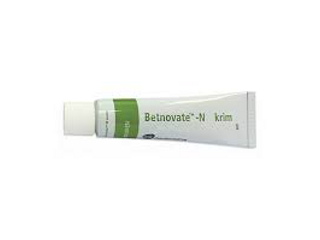
Diprolene® (Betamethasone) Ointment/Cream – Patient Information
Diprolene® is a brand of betamethasone, a corticosteroid medicine used on the skin for inflammatory and allergic skin conditions. It works by reducing inflammation and calming an overactive immune response in the skin.
This page provides clear, patient-friendly information about how Diprolene works, how it’s typically used, and important safety considerations. Always follow the directions provided with your product and seek advice from a healthcare professional if you’re unsure.
Key Product Information
- Active ingredient: Betamethasone (a corticosteroid)
- Common formulations: Diprolene® ointment, Diprolene® cream (strengths and appearances may vary by product)
- Form: Topical (applied to the skin)
- Purpose: Reduces skin inflammation, redness, itching, swelling, and discomfort
- Where it’s used: For selected skin conditions such as eczema and inflammatory rashes
Note: Strengths and directions can differ between products and countries. Check the label for your specific product.
How Diprolene Works (Mechanism of Action)
Betamethasone is a glucocorticoid (corticosteroid). When applied to the skin, it:
- Suppresses inflammation: Reduces release of inflammatory chemicals.
- Calms immune activity: Lowers the immune response driving redness, itching, and swelling.
- Decreases symptoms: Helps relieve itching, burning, scaling, and discomfort associated with inflammatory skin conditions.
Because it reduces inflammation and immune signals, it should generally be used for the shortest time that effectively controls your symptoms, unless your clinician advises otherwise.
Pharmacokinetics (How the Body Handles It)
Diprolene is used on the skin, so overall absorption is usually limited compared with oral medicines. However, absorption can increase when:
- you apply it to large areas
- thick layers or frequent applications
- you cover treated areas with occlusive dressings (airtight coverings)
- the skin is broken (e.g., cuts, infections, or damaged skin)
- you treat thin skin areas (such as the face, groin, or underarms)
Once absorbed, betamethasone may undergo metabolism primarily in the liver and is eliminated through the body’s normal processes (including kidney excretion of metabolites). In most people using it as directed, systemic absorption remains low, but risk can rise with overuse.
Typical Use and Timing
Diprolene is intended for topical use to manage inflammatory skin conditions. The best results usually come from:
- applying a thin film to the affected skin
- using it on a regular schedule at first, then reducing frequency as symptoms improve (according to product instructions)
- continuing for the recommended duration and reassessing if no improvement occurs
When to apply:
- Often once or twice daily depending on the condition and product strength (follow your label).
- If applying after bathing, let skin dry first before applying.
- Wash your hands before and after use unless the hands are the treatment area.
Improvement timeline: Many people notice reduced redness, itch, or discomfort within several days. If there is no improvement within about 1–2 weeks, or symptoms worsen, seek medical advice.
Food Interactions
Food interactions are not expected because Diprolene is applied to the skin and is not taken by mouth. Absorption is typically limited.
However, if Diprolene is used alongside other steroid-containing medications (oral/inhaled), or if absorption is increased due to large-area use or occlusion, systemic effects could theoretically influence overall health. If you take other medicines, it’s still sensible to discuss your regimen with a healthcare professional.
Alcohol and Medicine Interactions
Alcohol: There are no specific direct interactions reported between topical betamethasone and alcohol. Still, if you experience dizziness, sleep changes, or other side effects from any other medicines you’re taking, consider discussing them with a clinician.
Medicine interactions (topical steroid considerations):
- Other corticosteroids: Using multiple steroid products (e.g., tablets, inhalers, or other topical steroids) may increase overall steroid exposure.
- Skin treatments: Avoid applying other strong topical products (such as irritant creams, strong acids, or harsh exfoliants) over the same area unless advised.
- Infection treatments: If the rash is infected (e.g., fungal or bacterial), a corticosteroid alone may worsen the infection. Sometimes a specific antimicrobial is needed.
If you’re taking medicines that affect immune function (for example, some immune-suppressing therapies), discuss appropriate use—especially for widespread treatment or prolonged courses.
Indications (What Diprolene Is Used For)
Diprolene is indicated for inflammatory and itchy skin conditions responsive to corticosteroid treatment. Common examples include:
- Eczema/dermatitis (certain types of inflammatory eczema)
- Inflammatory skin rashes where corticosteroids are appropriate
- Pruritic (itchy) conditions associated with inflammation
Important: Corticosteroids may mask symptoms of infection. Diprolene is not a substitute for appropriate treatment if your rash is caused by infection (for example, fungal skin infections such as tinea, or bacterial infections). If your condition is unclear, obtain medical advice.
Dosing and How to Apply
Only use Diprolene exactly as directed on your product label or by your healthcare professional. Dosing varies by formulation and the skin condition.
General dosing principles:
- Apply a thin layer to the affected area.
- Use the lowest effective strength and the shortest duration needed.
- Do not use more frequently than advised.
- For treatment areas improving, reduce frequency and consider stopping as symptoms settle (as advised).
Adult dosing (typical approach)
Many topical steroid regimens use once or twice daily. Your exact frequency should match the instructions for your specific Diprolene product.
Children
In children, topical corticosteroids should be used with extra care. They can absorb relatively more through the skin than adults, particularly on thinner skin. Use only under appropriate medical guidance, especially for:
- young children
- large areas of skin
- long treatment durations
- face, groin, or armpit areas
Application steps
- Clean and dry the affected skin area.
- Apply a thin film of Diprolene to the affected area.
- Gently rub in until absorbed.
- Wash your hands after applying (unless treating your hands).
- Use the product only on the affected area.
Avoid certain areas
- Avoid eyes and eye area unless specifically instructed.
- Use caution around the face, eyelids, groin, and underarms, where skin is thinner.
- Do not apply to broken skin unless directed.
Practical Use Tips for Better Results
- Don’t over-apply: More is not always better. A thin layer is usually sufficient.
- Use moisturisers: For eczema-prone skin, moisturisers help reduce dryness and itching. Apply moisturiser at other times, unless your clinician advised otherwise.
- Maintain a routine: Apply at consistent times to improve control.
- Monitor changes: If burning, increasing redness, or worsening rash occurs, stop and seek advice.
- Check for infection: Oozing, crusting, increasing pain, pus, or fever may indicate infection.
- Covering the area: Avoid occlusive dressings unless explicitly recommended.
Safety Profile: Side Effects and Warnings
Diprolene (betamethasone) can be effective, but it’s important to use corticosteroids safely. Most people tolerate it well when used as directed; side effects mainly relate to skin changes from topical steroid exposure.
Common local side effects
- Skin irritation or mild burning/stinging
- Dryness
- Redness
- Itching may temporarily change
Less common but important risks (especially with stronger or prolonged use)
- Skin thinning (atrophy)
- Stretch marks (striae)
- Visible blood vessels (telangiectasia)
- Perioral dermatitis or worsening of acne-like eruptions
- Changes in skin colour (hypo-/hyperpigmentation)
- Increased susceptibility to skin infections
Systemic effects (rare with appropriate use)
With extensive use, prolonged courses, large areas, or occlusion, topical corticosteroids can be absorbed in greater amounts. This could contribute to systemic steroid effects such as:
- Suppression of the body’s natural steroid production (particularly with long-term, high-dose use)
- Reversible effects on growth in children (if used long-term)
- Other corticosteroid-associated effects
When to seek medical advice urgently
- Rash rapidly worsens or spreads
- Severe pain, swelling, pus, or fever
- Signs of an allergic reaction (e.g., hives, facial swelling, breathing difficulties)
- Treatment is required for a long period or there is no improvement as expected
Pregnancy and breastfeeding
Topical steroids may be considered when appropriate, but the lowest effective potency and shortest duration are generally preferred. If you are pregnant or breastfeeding, discuss use with a healthcare professional, especially for:
- large-area treatment
- long courses
- treatment near the breast/nipple area during breastfeeding
Things to Know About Overuse and Stopping
Topical corticosteroids should not be used longer than necessary. For most short courses, no special tapering is required. However, if you have been using a potent steroid for extended periods or over large areas, speak to a clinician before stopping suddenly.
Also:
- If symptoms return quickly after stopping, it may indicate the underlying condition needs a reassessment or a step-down approach.
- Do not “double up” by applying more frequently if you’re not getting relief—this can increase side effects.
Alternative Options (Depending on Your Condition)
What’s best depends on the cause of your rash, severity, and where it is on the body. Alternatives may include:
- Moisturisers and emollients (foundation care for eczema)
- Non-steroid anti-inflammatory creams (e.g., topical calcineurin inhibitors, where suitable)
- Antimicrobial treatments if infection is confirmed (antifungals for fungal infections; antibiotics for bacterial infections)
- Different potency steroid options for step-up/step-down control
- Barrier-repair products for sensitive or irritated skin
If you’re unsure whether your rash is inflammatory or infectious, consider getting advice before using a steroid. Some rashes worsen when treated with steroids alone.
Market and Legal Context for Australia
In Australia, availability and category status for medicines may vary. Topical corticosteroids may be supplied under different arrangements depending on potency and formulation. Some products can be available without a prescription, while others may require professional assessment or be restricted by strength and intended use.
Product packaging and labelling requirements in Australia support safe use, including instructions on application, warnings (such as avoiding face/groin/eyes unless directed), and information on side effects and appropriate duration.
Always read the consumer medicine information (CMI) that comes with your specific Diprolene product.
Recent Guidance and Current Considerations
While guidance can vary over time and by condition, common modern recommendations for topical corticosteroid use include:
- Use the lowest effective potency and the shortest duration needed
- Avoid steroid misuse (e.g., long-term continuous use without review)
- Be cautious on thin-skin areas (face, eyelids, groin)
- Consider infection when symptoms persist or worsen
- Support eczema with moisturisers and trigger management
If you’ve had repeated flares, persistent symptoms, or widespread involvement, a healthcare professional can help confirm the diagnosis and create a long-term plan.
Delivery and Availability (Australia)
Diprolene may be available through Australian online pharmacies and approved retailers, subject to product availability and regulatory requirements. Delivery options typically include standard and express shipping, depending on your location and the pharmacy’s service area.
- Check availability: Stock can vary by strength and formulation.
- Cold chain: Topical creams/ointments generally do not require refrigeration unless specifically stated on the product.
- Packaging: Medicines are usually supplied in manufacturer packaging with labels and instructions.
Tip: Ensure the product you receive matches the strength and form (cream vs ointment) described on your order and check the expiry date.
FAQ
1) What is Diprolene used for?
Diprolene (betamethasone) is used to reduce inflammation and relieve symptoms such as redness and itching in certain inflammatory skin conditions, commonly including some types of eczema and dermatitis.
2) Is Diprolene a steroid?
Yes. Betamethasone is a corticosteroid (a steroid medicine) that helps control skin inflammation.
3) How quickly should I expect results?
Many people notice improvement within several days. If there is no improvement after about 1–2 weeks, or if the rash worsens, seek medical advice.
4) Can I use Diprolene on my face?
Corticosteroids require extra caution on the face due to thinner skin and higher risk of side effects. Only use if the label or a healthcare professional advises it, and generally avoid prolonged use.
5) Can I apply Diprolene over infected skin?
Don’t use it on skin that appears infected unless a clinician has advised it. Signs of infection can include pus, oozing, crusting, rapidly worsening pain, or widespread spreading.
6) Should I stop once my symptoms improve?
Usually, yes—use the lowest effective amount for the shortest time needed. If you need frequent repeat courses, consider medical review to confirm diagnosis and prevent complications.
7) Can I use Diprolene with moisturisers?
Often yes. Moisturisers are important, especially in eczema. Apply moisturiser at times separated from Diprolene (for example, moisturiser on other parts or between applications) unless your healthcare professional instructs otherwise.
8) What if I accidentally miss a dose?
Apply the next dose as planned. Do not apply extra to make up for a missed dose.
9) Are there alcohol interactions?
There are no well-known direct interactions between topical betamethasone and alcohol. Still, follow advice for any other medicines you take and seek help if you feel unwell.
10) When should I seek help urgently?
Seek urgent advice if you develop severe swelling, breathing difficulty, signs of allergy, rapidly worsening rash, or signs of serious infection.
Summary
Diprolene (betamethasone) is a topical corticosteroid that helps control inflammation in responsive skin conditions. When used correctly—thin layer, appropriate frequency, and for the shortest duration—it can improve itch, redness, and swelling. Pay close attention to safety, particularly on thin skin areas, and avoid steroid use when infection is suspected. If your rash is persistent, widespread, or not improving, professional guidance can help confirm the cause and tailor treatment.