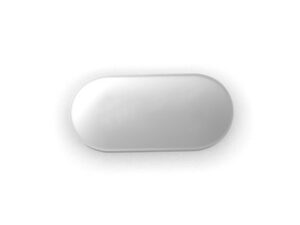
Contrave (Bupropion + Naltrexone) – Patient Guide (Australia)
Contrave is a prescription weight-management medicine containing two active ingredients: bupropion and naltrexone. It is used for certain adults to support weight loss when combined with a reduced-calorie diet and increased physical activity.
This guide explains how Contrave works, how it is taken, what to expect, key safety considerations, and practical tips. Always follow the directions provided by your healthcare professional.
Basic product information
| Product name | Active ingredients | Formulation | Common purpose |
|---|---|---|---|
| Contrave | Bupropion + Naltrexone | Oral tablet (extended-release combination) | Weight management in adults |
Who it may be suitable for (general): In Australia, medicines like Contrave are typically considered for adults with obesity or overweight who also have weight-related health risks, alongside lifestyle changes. Your clinician will assess your medical history to confirm suitability.
How Contrave works (mechanism of action)
Contrave combines two medicines that act in different ways in the brain to help reduce appetite and improve control of eating behaviours.
- Bupropion (an antidepressant with appetite-related effects) helps influence brain pathways involved in hunger and energy balance. It increases signalling of certain chemicals (including norepinephrine and dopamine), which may reduce cravings and improve appetite regulation.
- Naltrexone is commonly used to treat alcohol and opioid dependence. In weight management, it helps adjust brain responses associated with reward and cravings by blocking opioid receptors.
Together, bupropion and naltrexone may help you:
- feel less hungry
- reduce cravings
- make it easier to stick to a calorie-reduced eating plan
Pharmacokinetics (how the body handles the medicine)
Pharmacokinetics describes absorption, distribution, metabolism, and elimination of medicines. Individual responses vary.
- Absorption: Contrave is taken by mouth and is absorbed through the gastrointestinal tract. Because it is an extended-release combination, blood levels rise gradually.
- Onset: Many people notice changes in appetite and eating patterns within the first few weeks, while full effects may take longer. Your prescriber will gradually increase the dose to improve tolerability.
- Distribution: Both components distribute into the body and reach the central nervous system where they act.
- Metabolism: Bupropion is metabolised in the liver to active and inactive metabolites. Naltrexone is also metabolised in the liver (including formation of an active metabolite).
- Elimination: Metabolites are cleared primarily by the kidneys (urine) and other pathways depending on the compound. Reduced kidney or liver function can affect exposure.
Why dose titration matters: Because Contrave is typically increased step-by-step over several weeks, side effects—especially nausea, headache, and changes in sleep—are often reduced compared with starting at the final dose.
Typical use in Australia
Contrave is used as part of a structured weight-management plan. Most guidance emphasises lifestyle changes alongside medication, such as:
- a reduced-calorie diet
- increased physical activity (for example, walking, cycling, or strength training)
- behavioural strategies (meal planning, limiting high-calorie snacks, mindful eating)
Monitoring: Clinicians generally assess progress (weight change and tolerability) after an initial period. If expected benefits are not achieved, treatment may be reviewed.
Indications (what it is used for)
In general terms, Contrave is indicated for weight management in adults with obesity or overweight who have weight-related health conditions, as part of a comprehensive lifestyle programme.
Important: Eligibility varies based on local prescribing criteria and individual health factors. Your clinician will consider factors such as current BMI, other illnesses, medications, and past medical history.
Dosing and timing (how to take Contrave)
Contrave is usually started at a low dose and increased gradually (“titration”). This is commonly done to improve side-effect tolerability.
General timing tips
- Take tablets at the same times each day to help maintain consistent blood levels.
- Evening dose: Because some people feel energised or have sleep disturbances, taking doses earlier in the day (as advised) may help.
- Swallow tablets whole with water. Do not crush, chew, or split tablets unless your clinician or the product instructions say otherwise.
- If you miss a dose, follow the specific instructions given by your prescriber or the product information. Do not double up unless instructed.
Typical titration approach (example pattern)
Exact titration should follow the official dosing schedule provided with your medicine or by your prescriber. A common pattern is increasing the number of tablets over several weeks until a maintenance dose is reached.
- Week 1–2: Start low (often once daily).
- Week 3–4: Increase frequency (often twice daily).
- After titration: Continue maintenance dosing (usually twice daily, depending on the schedule).
Speak with your clinician for your personalised plan, particularly if you experience side effects or have other medical conditions.
Food interactions and what to eat
Contrave may be taken with or without food, but it can be associated with nausea in some people. Practical food strategies may help.
- To reduce nausea: Consider taking your dose with a meal or after eating, if your prescriber confirms this approach for you.
- Hydration: Drink water regularly, especially if nausea or constipation occurs.
- Alcohol with meals: Alcohol can worsen side effects (such as dizziness, sedation, and risk to liver). It is generally advised to limit alcohol while using Contrave.
Note: Specific foods don’t typically “cancel out” the medicine, but maintaining consistent meal timing can improve tolerability.
Alcohol and medicine interactions
Contrave can interact with alcohol and with many other medicines. It’s important to review your full medication list with your healthcare professional and pharmacist.
Alcohol
- Avoid heavy or binge drinking. Alcohol may increase the risk of adverse effects and can worsen mood, sleep, and blood pressure/heart rate effects.
- Nausea and dizziness: Alcohol may intensify these symptoms, especially during dose titration.
- Seizure risk: Bupropion can increase seizure risk in susceptible individuals; alcohol withdrawal or heavy alcohol use may further raise risk.
- Liver considerations: Naltrexone involves liver metabolism. Alcohol may also affect the liver.
Common medicine interaction categories
Tell your clinician/pharmacist if you take any of the following (not exhaustive):
- Seizure threshold–lowering medicines (or drugs associated with increased seizure risk).
- Other antidepressants or medicines that affect mood, because the combination could increase risk of certain side effects (for example, seizure risk in vulnerable patients).
- Opioid medicines (including strong pain relievers and some cough medicines). Naltrexone blocks opioid effects, so pain control may change.
- Medicines for alcohol/opioid dependence—the combination may not be appropriate.
- Medicines that affect liver enzymes (for example, some anti-infectives and anti-seizure medicines) may alter levels of bupropion/naltrexone.
- Blood pressure or heart rate–affecting medicines, as Contrave may affect blood pressure and pulse in some people.
- Stimulants or other appetite/weight-loss agents, which may increase side effect risk.
Always check with your pharmacist before starting, stopping, or switching medicines or supplements.
Safety profile: who needs extra caution
Contrave may not be suitable for everyone. The safety profile includes potential common and serious side effects.
Common side effects
These are often dose-related and may improve as your body adjusts during titration:
- Nausea
- Headache
- Dry mouth
- Dizziness
- Constipation
- Insomnia or sleep disturbance
- Increased blood pressure or increased heart rate in some people
- Increased sweating
Serious risks (seek urgent medical advice if these occur)
- Seizures: risk can increase in people with certain medical histories or risk factors.
- Allergic reactions: swelling of face/lips, rash, difficulty breathing.
- Mood or behaviour changes: new/worsening depression, suicidal thoughts, or unusual agitation.
- Severe liver problems: symptoms can include yellowing of eyes/skin, dark urine, severe fatigue, abdominal pain.
- Serotonin syndrome–like symptoms are unlikely with this combination, but any severe reactions involving fever, confusion, muscle stiffness, or rapid heartbeat require urgent review.
- Opioid-related issues: if you take opioids, effects may be blocked or altered; do not attempt to “push through” blocked opioid effects.
People who may need to avoid Contrave or use it only with close supervision
Discuss your situation with a clinician if you have or have had:
- a history of seizures or conditions that increase seizure risk
- eating disorders (including bulimia or anorexia nervosa)
- significant liver impairment
- uncontrolled high blood pressure
- current or past substance use issues, especially with opioids
- significant alcohol use or withdrawal risk
- pregnancy or breastfeeding (the decision requires careful risk–benefit discussion)
Do not adjust your dose without medical advice, and report new symptoms promptly.
Practical use tips (making Contrave easier to manage)
- Follow the titration schedule: Skipping or changing increments can increase side effects.
- Prepare for nausea: Eat smaller, bland meals initially; avoid very fatty or large meals if they worsen nausea.
- Support constipation: Increase fluid intake and fibre gradually; include vegetables, fruit, wholegrains, or a pharmacist-recommended stool softener if appropriate.
- Sleep hygiene: If insomnia occurs, take doses earlier in the day (as advised) and avoid caffeine late afternoon/evening.
- Track progress: Consider weekly measurements (weight, waist, and side effects) rather than daily fluctuations.
- Keep a medication list: Include over-the-counter medicines and supplements to check interactions.
- Be cautious with driving: If you feel dizzy, wait until you know how Contrave affects you before driving or operating machinery.
Stopping or reviewing treatment
Weight-management medicines are typically reviewed after an initial period to determine benefit. If weight loss is not sufficient or side effects occur, your clinician may recommend:
- continuing with a revised lifestyle plan
- adjusting the dose (only if appropriate)
- stopping and switching to an alternative strategy
Never stop suddenly unless your clinician advises it—though missing doses occasionally is usually not dangerous, it may reduce effectiveness.
Alternative options for weight management in Australia
Depending on your health profile and eligibility, clinicians may discuss other medication or non-medication options. Some commonly considered categories include:
- Other prescription anti-obesity medicines (availability and suitability vary).
- Structured lifestyle programmes (dietitian-led plans, behavioural support, physical activity coaching).
- Diabetes/weight-impact therapies where appropriate for people with type 2 diabetes (your clinician can advise).
- Supportive services such as psychology for eating behaviours, sleep management, and sustainable habits.
- Surgical options in selected cases of severe obesity (specialist assessment required).
Which option is best? It depends on your medical conditions, preferences, potential side effects, cost/availability, and response history.
Market and legal context for Australia
In Australia, medicines are regulated by the Therapeutic Goods Administration (TGA). Availability and prescribing criteria can change over time based on approvals, safety updates, and professional guidance.
Contrave is a targeted weight-management therapy intended for appropriate adult patients within a structured plan. Access typically requires clinician assessment to ensure suitability, screen for contraindications and interactions, and monitor progress.
Note: Local policies may also affect repeat supply, the need for ongoing reviews, and how quickly refills are provided.
Recent guidance and important updates (how to stay current)
While product instructions and professional recommendations guide safe use, guidance can evolve regarding:
- monitoring of blood pressure and pulse
- review intervals for weight-loss response
- updated risk information related to mood changes, seizure risk, and liver concerns
- interaction precautions with opioids, antidepressants, and seizure-threshold affecting medicines
Best practice: If you’re already taking Contrave, continue follow-ups as scheduled. If you’re new to Contrave, ask your pharmacist or clinician about the latest information relevant to your situation.
Delivery and availability in Australia (online pharmacy)
Online pharmacies in Australia typically stock medicines only when they can legally dispense them. Delivery options may vary by provider and location.
- Availability: Stock levels can fluctuate. If Contrave is temporarily unavailable, some pharmacies may offer estimated restock dates.
- Packaging: Medicines are usually dispatched in tamper-evident packaging with appropriate labels.
- Delivery timing: Estimated delivery times depend on courier services and regional location (major cities often faster than rural areas).
- Cold-chain: Most tablets do not require refrigeration. Follow the storage instructions on the packaging.
Storage: Store at room temperature, keep tablets in their original container, protect from moisture, and keep out of reach of children.
FAQ about Contrave (Bupropion + Naltrexone)
1) When will I start losing weight on Contrave?
Some people notice reduced appetite early, but meaningful weight loss often builds over weeks. Progress varies, so clinicians typically assess response after an initial period and monitor ongoing benefit and tolerability.
2) How long does it take to reach the full dose?
Contrave is usually increased gradually over several weeks. The exact schedule depends on your prescribed plan. Do not skip titration steps unless instructed.
3) Can I drink alcohol while taking Contrave?
It’s generally safest to limit or avoid alcohol. Alcohol may increase side effects such as dizziness, nausea, sleep disturbance, and can add risk related to liver health and seizure threshold. Ask your clinician for personalised advice.
4) Will Contrave interact with painkillers?
Yes, especially with opioid painkillers, because naltrexone can block or reduce their effects. Non-opioid options may be used, but always confirm with a pharmacist before taking any new medication.
5) What if I miss a dose?
Follow the specific advice provided by your healthcare professional or the medicine guide for missed doses. In general, do not take extra tablets to “catch up” without instructions.
6) Does Contrave affect blood pressure or heart rate?
In some people, Contrave may increase blood pressure and/or heart rate. Your clinician may monitor these parameters, especially if you have cardiovascular risk factors.
7) Can I take Contrave if I have liver or kidney problems?
Extra caution is needed. Reduced liver function may increase exposure to the medicine’s components or metabolites. Always disclose liver and kidney history to your clinician.
8) Can Contrave be used with antidepressants?
There can be important interactions depending on the specific medicine. Tell your clinician and pharmacist about all antidepressants and mental health medicines you take.
9) Is Contrave safe for everyone who wants to lose weight?
No. It’s intended for specific adult patients who meet criteria and for whom it’s safe based on medical history, current medications, and risk factors. Your clinician will determine suitability.
10) What should I do if I experience severe side effects?
Seek urgent medical advice for symptoms such as seizures, signs of allergic reaction, severe mood changes, or symptoms suggesting liver problems (e.g., yellow skin/eyes, dark urine).
Summary
Contrave (bupropion + naltrexone) is designed to support weight management by helping reduce appetite and cravings through brain-targeted mechanisms. It is typically started at a low dose and increased gradually. While many side effects are mild and improve over time, it’s important to watch for sleep changes, nausea, blood pressure effects, mood changes, and any serious symptoms.
If you’re considering Contrave, discuss your medical history and all medicines (including supplements and occasional pain relief) with a healthcare professional to ensure it’s appropriate for you.