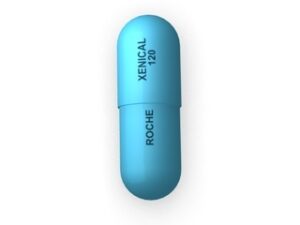
Orlistat (e.g., Xenical® / Alli®) – Patient Guide (Australia)
Orlistat is a weight-management medicine used to help reduce body weight when combined with diet and exercise. It works mainly in the digestive tract by reducing the absorption of some dietary fat. This means fewer calories are taken up from the foods you eat.
This guide is designed to be patient-friendly and Australia-focused. Always read the product label and any consumer medicine information that comes with your specific Orlistat brand, and speak with a pharmacist or doctor if you have questions—especially if you have medical conditions or take other medicines.
Basic product information
- Medicine name: Orlistat
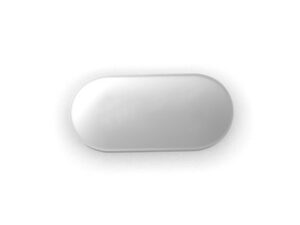
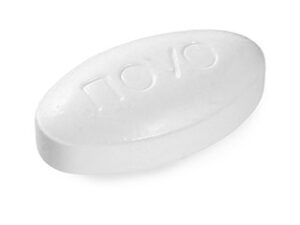
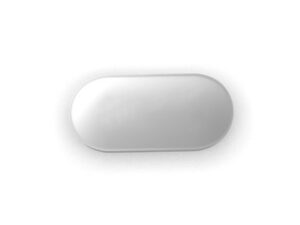
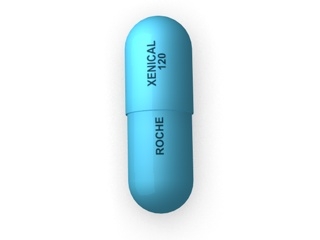
- Brand examples (Australia): Alli® (commonly lower dose for over-the-counter use) and Xenical® (higher dose; brand availability depends on supplier)
- How it works: Blocks absorption of some fats in the intestines
- Common forms: Capsules (dose depends on brand)
- Used for: Weight loss and weight management alongside a calorie-controlled diet
In Australia, over-the-counter availability and brand/dose can vary. Your pharmacy website listing should state the exact strength and pack size you are purchasing.
How Orlistat works (mechanism of action)
Orlistat is a “fat absorption inhibitor.” In the gastrointestinal tract, it blocks enzymes called lipases that normally help break down dietary triglycerides (fats). Without these enzymes working properly, a portion of the fat you eat is not digested and instead passes through the body.
Key points about the mechanism:
- Local action: Orlistat mostly acts in the gut, not the bloodstream.
- Calorie reduction: Because less fat is absorbed, calorie intake can be reduced.
- Dependence on fat content: Results are better when you follow a lower-fat, calorie-controlled diet.
Pharmacokinetics (how it behaves in the body)
Pharmacokinetics describes how a medicine is absorbed, distributed, metabolised, and eliminated. Orlistat has characteristics that make it largely “gut-restricted.”
- Absorption: Only a small amount of orlistat is absorbed systemically.
- Distribution: Because systemic absorption is low, meaningful distribution through the body is limited.
- Metabolism: Any small absorbed fraction is metabolised mainly in the intestinal wall and liver.
- Excretion: Most of the medicine and its metabolites are eliminated via the faeces.
Why this matters for you: Because only a small amount enters the bloodstream, the most common effects are related to the digestive tract—particularly when meals contain more fat than expected.
Typical use and indications
Orlistat is intended for people managing excess weight as part of a broader approach that includes dietary changes and increased activity.
Common indications include:
- Weight loss for adults who are overweight
- Weight management to help reduce the risk of regaining weight after initial weight loss, depending on product guidance and individual circumstances
Specific eligibility criteria (such as BMI thresholds) may depend on the brand and local regulatory indications. If you are unsure whether Orlistat is suitable for you, ask a pharmacist.
Dosing – how to take Orlistat
The exact dosing depends on the brand and tablet/capsule strength. Always follow the dose on your package label or pharmacy instructions.
General guidance (typical schedules):
- Taken with meals: Orlistat is usually taken three times daily, with each main meal.
- Meal timing: Take it during the meal or within a short time after starting the meal, as directed on your pack.
- Skip when meals are skipped or fat-free: If you miss a meal, or your meal contains little/no fat, you may be advised to omit the dose for that meal.
Why “with meals” is crucial: Orlistat needs to be present in the gut when dietary fat is being digested. Taking it away from meals can reduce effectiveness.
Timing, meal planning, and food interactions
Timing tips (patient-friendly)
- Plan ahead: Keep your capsules available so you can take them at the correct meal time.
- Consistency matters: Use the same routine daily to help you remember.
- Small changes help: If you reduce fatty foods, you may also reduce side effects.
Food interactions (most important)
Orlistat’s action depends on dietary fat. Therefore, your meal composition strongly influences both results and side effects.
Recommended dietary approach:
- Choose lower-fat options: Aim for fewer high-fat foods (e.g., fatty meats, creamy sauces, deep-fried foods).
- Distribute your intake: If you have three main meals, take doses with each meal.
- Consider total calorie reduction: Orlistat works best when paired with a calorie-controlled plan.
Common digestive side effects tend to increase when:
- Meals are high in fat
- Doses are taken incorrectly (not with meals)
- More than the advised dose is taken
Alcohol interactions
Orlistat is not known for a direct, specific “dangerous interaction” with alcohol. However, alcohol can affect weight loss efforts because it adds calories and may increase appetite.
Practical considerations:
- Alcohol may slow progress: Calories from alcohol can undermine a calorie-controlled diet.
- Some drinks are high in fat mixers: If alcohol is consumed with high-fat foods, digestive side effects may be more likely.
- Hydration matters: Alcohol can contribute to dehydration; maintain adequate fluids.
If you have liver disease, pancreatitis history, or take medications that interact with alcohol, discuss with your pharmacist or doctor before using Orlistat.
Interactions with other medicines (including alcohol-related considerations)
Because Orlistat acts in the gastrointestinal tract, interactions can occur mainly through reduced absorption of certain nutrients and medications that require intestinal uptake.
Important interaction areas:
- Fat-soluble vitamins: Orlistat may reduce absorption of vitamins A, D, E, and K. Many users are advised to take a multivitamin supplement.
- Other medicines: Some medications may be affected if they rely on fat absorption or are sensitive to gut conditions.
Vitamin supplement advice (commonly recommended):
- Consider taking a multivitamin containing fat-soluble vitamins.
- Because Orlistat can reduce absorption, take the multivitamin at least 2 hours apart from Orlistat (or as directed by your product label).
Medicine timing advice: If you take other oral medicines regularly, discuss timing with your pharmacist. In some cases, separating doses by a couple of hours may be recommended.
Always check your pack: Different Orlistat brands can include slightly different interaction warnings. Use the information for your specific product.
Safety profile and side effects
Like all medicines, Orlistat can cause side effects. Many are digestive and may be related to how much fat you eat. Side effects are often easier to manage by adopting a lower-fat eating pattern.
Common side effects
- Oily spotting or increased oil in stools
- Gas with increased urgency
- Oily stools
- Frequent bowel movements (sometimes urgent)
- Stomach discomfort or mild cramping
How to reduce these effects
- Eat lower-fat meals
- Ensure capsules are taken with each meal
- Be mindful of portion sizes of fatty foods
Less common but important warnings
Seek medical advice promptly if you experience any severe symptoms, allergic reaction symptoms, or concerns such as:
- Severe or persistent abdominal pain
- Signs of significant dehydration (e.g., dizziness, fainting)
- Blood in stools or severe rectal pain
- Swelling of the face/lips, rash with breathing difficulty (possible allergy)
In people with complex medical conditions, including malabsorption disorders, the suitability of Orlistat should be assessed by a healthcare professional.
Practical use tips (what helps most)
- Use it as part of a plan: Orlistat is not a standalone solution. Pair it with a calorie-controlled diet and regular physical activity.
- Track your meals: If you notice side effects, examine meal fat content and adjust.
- Plan “lower-fat days”: Eating less fat makes side effects less likely and helps your results.
- Consider a multivitamin: Because vitamin absorption can be affected, supplementing may be important (especially if you eat limited diets).
- Expect a routine adjustment: Digestive side effects may be most noticeable in the first weeks and can lessen with dietary changes.
- Give it time, but review progress: If you are not seeing changes after several weeks (your product label or healthcare provider can guide expectations), discuss next steps.
Alternative options for weight management in Australia
Depending on your health profile, preferences, and what is available through your healthcare pathway, alternatives may include:
- Lifestyle measures: Structured diet changes, portion control, increased physical activity, sleep optimisation, and behaviour support.
- Other weight-loss medicines: Different mechanisms exist (appetite regulation, metabolic effects). Availability and suitability vary.
- Meal replacement approaches: Used under guidance in some programmes (where appropriate).
- Dietary supplements: Some are marketed for weight loss, but evidence quality varies. Discuss with a pharmacist to avoid unsafe or ineffective options.
If you want, tell us your general goals (e.g., “modest weight loss,” “weight maintenance,” or “BMI level” if you know it), and we can help you compare options to discuss with a pharmacist or doctor.
Market and legal context in Australia (overview)
In Australia, medicines are regulated through the Therapeutic Goods Administration (TGA). Orlistat products may be supplied as:
- Over-the-counter (OTC) for certain strengths and indications, depending on current listing and guidelines
- Through prescription pathways for higher-strength formulations where applicable
Availability can also depend on supply chain timing and pharmacy stock. Your online pharmacy listing should clearly specify:
- The brand name and strength
- Pack size
- Active ingredient and dosing directions
- Any contraindications or warnings highlighted on the packaging
Consumer safety: Always follow the directions on the pack and use the product only for the intended purpose.
Recent guidance and important updates (how to stay current)
Weight-management guidance can change over time due to new evidence, safety communications, and evolving public health priorities. While specific “recent” updates depend on brand, dose, and TGA communications, the most consistent themes in current guidance include:
- Diet matters: Orlistat works best with a reduced-fat, calorie-controlled diet.
- Vitamin considerations: Supplementing fat-soluble vitamins may help reduce deficiency risk.
- Monitor side effects: Digestive symptoms should be manageable through dietary adjustments and correct timing.
- Interaction checks: Review all medicines and supplements with a pharmacist, especially if you take chronic medicines.
For the most up-to-date advice specific to your situation, check the package insert for your brand and ask a pharmacist about any new warnings.
Delivery and availability (online pharmacy)
Orlistat products are commonly stocked by online pharmacies in Australia depending on the brand and strength. Delivery options may vary by supplier. When available, you can typically purchase:
- Alli® strength capsules (commonly used OTC depending on current listing)
- Other Orlistat brand strengths where offered through the appropriate supply pathway
Before ordering, review:
- Product strength: Ensure it matches the intended dose instructions
- Expiry date: Many pharmacies display this at dispatch or on the product page
- Delivery postcode/service area: Some carriers may limit delivery to certain regions
- Packaging: Confirm tamper-evident, manufacturer-sealed packaging where applicable
If the product you want is temporarily out of stock, you can ask the pharmacy for restock expectations or alternative options.
Frequently Asked Questions (FAQ)
1) How quickly will Orlistat work?
Orlistat starts working the same day you take it, because it acts in the gut to reduce fat digestion and absorption. Weight changes take longer and depend on your calorie intake, diet composition, activity, and overall consistency.
2) Will Orlistat stop me from absorbing all fat?
No. Orlistat reduces absorption of some dietary fat. It does not block all fat absorption and does not replace the need for diet control.
3) What foods should I avoid?
You do not necessarily need to avoid all fat, but reducing high-fat foods can make side effects less likely. Common high-fat triggers include deep-fried foods, creamy sauces, fatty cuts of meat, and desserts.
4) I missed a dose—what should I do?
If you miss a dose, take it only if you still have your main meal and follow the instructions on your product label. If you have already finished your meal, do not double up—resume your normal routine with the next meal.
5) Do I need to take vitamins?
Many people take a multivitamin that includes fat-soluble vitamins (A, D, E, K) because Orlistat may reduce absorption. Take vitamins at least 2 hours apart from Orlistat (or as stated on your pack).
6) Can I take Orlistat with other medicines?
Some medicines may interact or have altered absorption. It’s best to tell your pharmacist about all medicines and supplements you use, including those you take occasionally.
7) What side effects are normal?
Oily spotting, gas, and more frequent bowel movements are relatively common, especially if meals contain more fat. If side effects are severe, persistent, or concerning, seek advice from a healthcare professional.
8) Is Orlistat suitable for everyone?
Suitability depends on your health status, medical history, and other medicines. Conditions involving malabsorption, certain chronic digestive disorders, or vitamin deficiencies may require extra caution. If unsure, ask a pharmacist before starting.
9) Can I drink alcohol while taking Orlistat?
Alcohol isn’t typically known for a direct harmful interaction with Orlistat, but it can add calories and may worsen digestive symptoms when combined with fatty foods. Moderation and a low-fat dietary approach are sensible.
10) Where can I find the exact dosing for my product?
Use the dosing instructions on your specific Orlistat brand packaging. Strengths and directions can differ between brands. Your pharmacy listing should also display the active ingredient and recommended use.
Summary
Orlistat can be a helpful option for weight management by reducing fat absorption in the digestive tract. For best results, take it correctly with meals, follow a calorie-controlled and lower-fat diet, and consider vitamin supplementation when advised. As with any medicine, check interactions with your pharmacist—particularly if you take other medicines regularly.
If you have questions about side effects, dosing timing, or suitability for your situation, reach out to your local Australian pharmacist for personalised advice.