
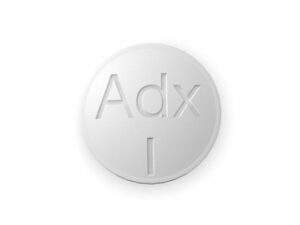
Alendronate (Bone Strengthening Medicine) — Patient Guide (Australia)
Alendronate is a medicine used to treat and help prevent osteoporosis—when bones become weaker and more likely to fracture. It belongs to a group of medicines called bisphosphonates. This guide explains how alendronate works, how it’s taken, key safety information, and what to watch for while using it. It is written for a patient-friendly online pharmacy audience in Australia.
Basic product information
| Topic | Details |
|---|---|
| Generic name | Alendronate |
| Medicine type | Bisphosphonate (anti-resorptive bone medicine) |
| Common strengths (varies by brand) | Often 70 mg weekly or 10 mg daily (follow your product pack instructions) |
| Typical dosing schedule | Weekly or daily regimens are used depending on the indication and product |
| How it’s taken | By mouth, usually on a fasting schedule with plain water to reduce stomach/oesophagus irritation |
| Main purpose | Reduce bone breakdown, improve bone density, and reduce fracture risk |
How alendronate works (mechanism of action)
Bone is constantly being rebuilt. Two key cell types are involved:
- Osteoclasts break down old bone.
- Osteoblasts build new bone.
Alendronate helps by slowing down the activity of osteoclasts. As a result, less bone is removed and more of the existing bone structure remains. Over time, bone mineral density can increase and bones become stronger.
Pharmacokinetics (how the body handles the medicine)
Understanding how alendronate is absorbed and distributed can help explain why timing with food matters.
- Absorption: Absorption from the gut is low. It can drop significantly if taken with food, beverages (other than plain water), or supplements containing minerals.
- Distribution: Once absorbed, alendronate binds to bone mineral and may remain there for a long time.
- Metabolism: Alendronate is not meaningfully metabolised by the liver.
- Elimination: It is cleared largely through the kidneys. The medicine’s activity in bone can persist even after blood levels fall.
What it’s used for (indications)
Alendronate is used for conditions where reducing fracture risk is important and/or where bone mass is low. Typical indications include:
- Osteoporosis in postmenopausal women (to reduce the risk of vertebral and hip fractures).
- Osteoporosis in men (to reduce fracture risk).
- Glucocorticoid-induced osteoporosis (bone loss from steroid medicines), often in people at increased fracture risk.
- Paget’s disease of bone (in selected cases, depending on local product approvals and clinician assessment).
Your healthcare professional may choose a dosing schedule based on the diagnosis, risk level, and your ability to follow the required intake instructions.
Typical dosing and timing
Dosing varies by indication and product. Always follow the specific directions on your medicine label and the advice provided by your clinician. Below is general guidance commonly used in Australia for alendronate.
Common schedules
- Weekly dosing: Frequently 70 mg once weekly.
- Daily dosing: Sometimes 10 mg once daily for certain indications.
How to take alendronate (important)
To reduce the risk of irritation to the oesophagus and to improve absorption, take alendronate with plain water only, following this sequence:
- Take the tablet first thing in the morning or at another agreed time when you can remain fasted and upright.
- Swallow the tablet with a full glass of plain water (not tea, coffee, milk, juice, or mineral water).
- Do not lie down for at least 30 minutes after taking it.
- Do not eat or drink anything else for at least 30 minutes after taking it (unless instructed otherwise by your product directions).
If you miss a dose
The approach can depend on whether you take a daily or weekly schedule. Follow the instructions on your product packaging or clinician’s advice. In general:
- Weekly regimens: missed-dose instructions often recommend taking the tablet as soon as remembered on the correct day, but not taking two doses close together.
- Daily regimens: take as soon as remembered unless it’s close to the next dose.
If you’re unsure, ask a pharmacist for advice based on your specific brand and schedule.
Food, drinks and interactions: what to avoid
Food and certain minerals can significantly reduce the absorption of alendronate. For best results, keep a gap between your dose and:
- Food (including breakfast and snacks)
- Milk and dairy products
- Calcium supplements
- Iron supplements
- Magnesium supplements
- Antacids or medicines that contain minerals (calcium, magnesium, aluminium, etc.)
- Caffeine-containing drinks (not always a direct interaction, but can affect routine and stomach comfort)
Practical rule: Take alendronate with plain water only, then wait until at least 30 minutes have passed before eating. If you use calcium or iron, plan to take them later in the day (unless your clinician advises otherwise).
Alcohol interactions
Alcohol doesn’t usually have a direct “chemical” interaction with alendronate, but it can increase certain risks indirectly:
- Oesophageal irritation: Alcohol can worsen reflux or stomach irritation in some people.
- Bone health: Heavy or regular alcohol use can contribute to increased fall risk and may weaken bone over time.
- Adherence: Alcohol may make it harder to keep the required fasting and upright timing.
If you drink alcohol, keep intake moderate and consider whether reflux symptoms are present. Let your pharmacist know if you frequently experience heartburn.
Medicine interactions (common considerations)
Tell your pharmacist or doctor about all medicines you take, including over-the-counter products. The most important interactions for alendronate relate to absorption and stomach/oesophagus irritation.
Absorption-related interactions
- Calcium, iron, magnesium and zinc supplements: can reduce absorption if taken too close to alendronate.
- Antacids containing minerals: may reduce absorption if taken at the same time.
Increased irritation risk
- Non-steroidal anti-inflammatory drugs (NSAIDs) (e.g., ibuprofen, naproxen): may increase gastrointestinal irritation in some people, particularly those with reflux or ulcers.
- Other medicines that can irritate the oesophagus: the combined effect may be problematic for people with swallowing difficulties.
Kidney function
Alendronate is cleared by the kidneys. People with severely reduced kidney function may need different treatment. Your clinician may perform blood tests before starting and during treatment.
Safety profile: side effects and when to seek help
Like all medicines, alendronate can cause side effects. Many people tolerate it well when taken correctly. However, some effects require prompt medical advice.
Common side effects
- Gastrointestinal symptoms: heartburn, indigestion, nausea, abdominal discomfort
- Muscle or joint aches (may occur especially after starting or missing doses then restarting)
- Headache
Serious but less common risks
- Oesophageal irritation or injury: Seek medical advice urgently if you develop difficulty swallowing, painful swallowing, chest pain, or worsening reflux, especially after starting treatment.
- Osteonecrosis of the jaw (ONJ): A rare condition associated with bisphosphonates, more often in people receiving higher doses for cancer-related indications or those with significant dental disease. Discuss dental plans with your clinician and maintain good oral hygiene.
- Atypical femoral fractures: Rare fractures can occur with long-term bisphosphonate use. Report new, unusual thigh or groin pain to your clinician.
- Low calcium levels (hypocalcaemia): Risk may be higher if you have vitamin D deficiency or certain metabolic conditions. Correcting deficiencies before treatment can reduce this risk.
- Severe allergic reactions: Seek emergency help if you experience swelling of face/lips, breathing trouble, or widespread rash.
Who should take extra care
- People with difficulty swallowing, known oesophageal disorders, or severe reflux
- People with severely reduced kidney function
- People with low vitamin D or low calcium levels
- People with planned dental surgery or ongoing dental infections
- People who cannot remain upright or fasted after taking the tablet
Practical tips for best results
Alendronate works best when taken exactly as instructed. The following tips can make treatment easier and improve safety:
- Use a consistent routine: Choose a morning time or another fixed schedule that fits your day.
- Take it with plain water only: Avoid mineral water, tea, coffee, juice, or milk.
- Stay upright: Sit or stand and do not lie down for at least 30 minutes after swallowing.
- Plan breakfast: Wait at least 30 minutes before eating. If needed, prepare breakfast nearby.
- Separate supplements: If you take calcium or iron, take them later in the day.
- Manage reflux: If heartburn occurs, speak to your pharmacist about strategies and whether any reassessment is needed.
- Keep track of dosing day: If weekly, mark it on a calendar or set a reminder.
- Don’t “double up”: If you forget a dose, follow the miss-dose instructions rather than taking extra.
Alternative options (other treatments for osteoporosis)
Depending on your diagnosis, fracture risk, kidney function, tolerance, and preferences, clinicians may consider alternatives to alendronate. Options can include:
- Other bisphosphonates: such as risedronate or zoledronic acid (injection). Different schedules may be available, including monthly or yearly regimens for some products.
- Denosumab: an injectable anti-resorptive medicine given at intervals (e.g., every 6 months).
- Anabolic therapies: such as teriparatide or abaloparatide (where appropriate), which can build bone.
- Romosozumab: for some patients at high fracture risk (availability and eligibility depend on local guidance).
- Hormonal therapies or other supportive treatments: based on individual circumstances.
- Calcium and vitamin D: important supportive measures; a clinician may recommend supplements if dietary intake is insufficient.
Your pharmacist can help compare dosing schedules and advise on practical differences, while your clinician decides the most appropriate option for your situation.
Market and legal context in Australia (overview)
In Australia, medicines are regulated through the Therapeutic Goods Administration (TGA). Bisphosphonates including alendronate are widely used for osteoporosis and other bone conditions.
The exact availability of specific brands, pack sizes, and strengths can vary. Online pharmacies in Australia typically supply according to local regulatory requirements and the information on the product label. Always check the specific product on the site for:
- indication and approved uses
- dosing instructions (weekly vs daily)
- storage directions
- expiry date
- consumer medicine information (CMI) details
Recent guidance and clinical considerations
Treatment of osteoporosis commonly includes:
- assessing fracture risk (including history of fracture)
- checking and correcting vitamin D and calcium status where appropriate
- choosing an anti-osteoporosis medicine based on patient factors and preferences
- periodic review of ongoing need for therapy, especially with long-term bisphosphonate exposure
In recent years, professional guidance has continued to emphasize:
- proper administration to reduce oesophageal side effects
- monitoring for rare complications such as jaw problems and atypical fractures
- dental health and communication between patients and clinicians if dental procedures are planned
- individualised decision-making based on benefits vs risks
Your healthcare professional may reassess treatment intervals (sometimes referred to as “drug holidays”) for selected patients, but this is not a one-size-fits-all decision.
Delivery and availability (Australia)
Alendronate is generally available through pharmacies and may be supplied by online retailers across Australia, depending on stock levels, product strength, and packaging. Delivery times vary by location (metro vs regional/remote areas) and by courier partners.
When ordering online, check:
- the strength and dose schedule (daily vs weekly)
- the brand and pack size
- the expiry date
- delivery estimates shown at checkout
If you have questions about the correct product for your regimen, contact the pharmacy’s customer support or speak to a pharmacist.
How to store alendronate
Follow the storage instructions on your pack. In general:
- Store at the temperature recommended by the product label.
- Keep the container tightly closed.
- Keep out of reach of children.
- Do not use after the expiry date.
FAQ
1) What is alendronate used for?
Alendronate is used to treat and help prevent osteoporosis and to reduce fracture risk. It may also be used for certain other bone conditions depending on local product approvals and clinical assessment.
2) How do I take alendronate safely?
Take it with a full glass of plain water, first thing in the morning (or another scheduled time), and wait at least 30 minutes before eating or drinking anything else. Stay upright (do not lie down) for at least 30 minutes after taking it.
3) Can I take it with coffee or tea?
It’s best to use plain water only. Coffee or tea is not recommended at the same time because absorption can be reduced and it may worsen stomach irritation.
4) Why can food interfere with alendronate?
Food and mineral-containing drinks/supplements can reduce absorption of alendronate. Waiting at least 30 minutes after taking it helps improve effectiveness.
5) What if I forget a weekly dose?
The correct approach depends on the product schedule. Check the miss-dose guidance on your pack or ask your pharmacist. In general, avoid taking two doses close together.
6) What side effects are most common?
Common effects include heartburn, indigestion, nausea, and abdominal discomfort. Some people also experience muscle or joint aches.
7) When should I seek urgent medical help?
Seek urgent advice if you have difficulty swallowing, painful swallowing, chest pain, severe or worsening heartburn, signs of severe allergy (such as facial swelling or breathing difficulty), or other serious symptoms.
8) Is it safe to take calcium and vitamin D?
Many people with osteoporosis are advised to take calcium and vitamin D if intake is insufficient. Take supplements at a different time of day to avoid reducing alendronate absorption (often later, after the required fasting period). Confirm your plan with a pharmacist or clinician.
9) Can I have dental work while on alendronate?
It’s important to maintain good oral hygiene and inform your dentist that you take a bisphosphonate. Discuss planned procedures ahead of time so your clinician and dentist can advise on the safest approach.
10) Are there alternatives if I can’t tolerate alendronate?
Yes. Depending on your situation, clinicians may consider other bisphosphonates, denosumab, anabolic therapies, or other supportive measures. A pharmacist can help you understand practical differences in dosing schedules and administration.
11) Who should avoid or be cautious with alendronate?
People with significant oesophageal problems, inability to remain upright, severe kidney impairment, or untreated vitamin D/calcium deficiency should use caution and seek professional advice before starting.
12) How long does alendronate take to work?
Bone changes occur over time. Some benefits may be seen within months, but fracture risk reduction is typically assessed over longer periods. Continue treatment as directed and review progress with your clinician.
Important patient reminder
This information is general and may not cover every individual circumstance. If you’re unsure about dosing, interactions, or side effects, speak with a pharmacist. If you develop symptoms suggesting oesophageal irritation or have concerns about rare complications (jaw symptoms, unusual thigh/groin pain, or persistent reflux), seek medical advice promptly.