
Valacyclovir (Valacyclovir hydrochloride) – Patient Information (Australia)
Valacyclovir is an antiviral medicine used to treat and help prevent certain viral infections caused by herpes viruses. This page explains how it works, when it’s typically used, how to take it safely, common side effects, and practical tips for best results. It is written to be clear and patient-friendly for customers in Australia.
1) Basic product information
| Product name | Valacyclovir |
|---|---|
| Generic name | Valacyclovir (valacyclovir hydrochloride) |
| Drug type | Antiviral (nucleoside analogue prodrug) |
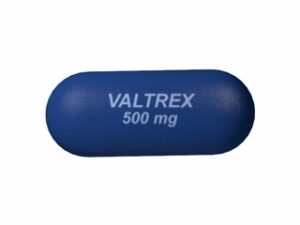
| Common strengths (varies by brand/manufacturer) | Typically 250 mg, 500 mg, or 1000 mg tablets |
| How it works | Converted in the body to acyclovir, which blocks viral DNA replication |
| Typical route | Oral tablets |
| Who may use it | Adults and some children, depending on the indication and local guidance |
Brand names can vary. Always check the package for the exact strength and instructions.
2) How valacyclovir works (mechanism of action)
Valacyclovir is a prodrug, meaning it is converted into an active medicine after you take it. In your body, valacyclovir is converted to acyclovir.
Acyclovir interferes with the ability of herpes viruses to multiply. It targets the virus’s DNA-building process:
- The active form is taken up preferentially by infected cells.
- It is converted inside these cells to a form that can inhibit viral DNA synthesis.
- This reduces the production of new virus particles and helps symptoms improve faster (particularly when started early).
Valacyclovir is effective against: Herpes simplex virus (HSV-1/HSV-2) and Varicella-zoster virus (VZV) (including shingles).
3) Pharmacokinetics (how the body handles it)
Pharmacokinetics describe how the medicine is absorbed, distributed, broken down, and eliminated. Key points for valacyclovir include:
- Absorption: Valacyclovir is absorbed from the gastrointestinal tract and is then converted to acyclovir.
- Conversion: Conversion to acyclovir occurs in the liver and other tissues.
- Distribution: Acyclovir distributes into body tissues and fluids, including where herpes viruses replicate.
- Elimination: Acyclovir is primarily cleared by the kidneys through urine.
- Half-life: The active acyclovir has a relatively short elimination half-life, which is why dosing often involves multiple daily doses.
Because elimination is largely through the kidneys, dose adjustments may be needed for people with reduced kidney function. Staying well hydrated can also support kidney function.
4) Typical uses and indications
Valacyclovir is commonly used for herpes virus infections such as:
- Genital herpes (HSV-2): Treatment of outbreaks and prevention of recurrent episodes (suppressive therapy).
- Cold sores (HSV-1): Treatment of outbreaks.
- Shingles (herpes zoster, VZV): Treatment of an active episode.
- Prevention in specific situations: Some patients may use valacyclovir to reduce recurrences, depending on their medical history and risk profile.
Not all indications are listed above, and eligibility can depend on age, symptoms, severity, and medical history. Always follow the directions provided for your specific situation.
5) When to start and timing (to get the best results)
Antiviral medicines work best when started early, ideally at the first signs of infection. This can include:
- Early tingling, itching, burning, or pain before a cold sore or genital lesions fully appear
- Within the first 24 hours after the rash begins for shingles (as advised in many treatment approaches)
- When a healthcare professional has confirmed the cause is likely due to a herpes virus
Practical timing tips:
- Try not to miss doses. Maintain consistent timing each day.
- Finish the full course unless instructed otherwise.
- If you are using suppressive therapy (to reduce recurrences), it’s usually taken regularly rather than only when symptoms start.
6) How to take valacyclovir
Valacyclovir tablets are taken by mouth. Swallow with water. Use the exact dosing instructions provided with your medicine.
Do not take extra doses to “catch up.” If you miss a dose, take it when you remember unless it is close to the time of the next dose. In that case, skip the missed dose and continue as normal.
Hydration: Because the active drug is eliminated through the kidneys, adequate fluid intake can support safe use—unless you have been advised to restrict fluids.
7) Food interactions (and whether to take with meals)
Valacyclovir can generally be taken with or without food. However, some people find taking it with meals helps reduce stomach discomfort. If your stomach feels sensitive, consider:
- Taking it with food
- Drinking a full glass of water with each dose
Consistency helps: If you choose to take it with food, aim to take it that way each day.
8) Alcohol and medicine interactions
Alcohol: There is no universal rule that alcohol must be avoided with valacyclovir, but drinking alcohol can worsen dehydration and may irritate the stomach. For many people, limiting or avoiding alcohol during treatment is sensible—especially if you feel unwell or have fever.
Other medicines: Valacyclovir has interactions worth considering, particularly with medicines that affect kidney function or compete with kidney clearance.
- Kidney-affecting medicines: Examples include some non-steroidal anti-inflammatory drugs (NSAIDs) in high doses or frequent use, certain antibiotics, and other medicines that may impact renal clearance.
- Medicines that affect hydration status: Diuretics (“water tablets”) can alter fluid balance.
- Other antivirals: Combining antivirals may increase the risk of side effects for some people.
Tell your pharmacist or prescriber about all medicines you take, including over-the-counter products and supplements. If you have known kidney problems, interactions can be more important.
9) Dosing information (general guidance)
Doses depend on the condition being treated or prevented, the person’s kidney function, and age. The following table provides commonly used dose patterns as a general overview. Your product label and clinician’s directions always take priority.
| Condition (examples) | Typical adult dosing patterns (overview) | Timing approach |
|---|---|---|
| Cold sores (HSV) | Often taken as one-day or multi-day regimens (dose and duration vary) | Start at earliest symptoms |
| Genital herpes (treatment of outbreaks) | Multiple daily doses for several days (varies by severity) | Start early when lesions appear or symptoms begin |
| Genital herpes (suppression to reduce recurrences) | Lower-dose, regular dosing once or twice daily (varies) | Taken consistently to reduce the frequency of outbreaks |
| Shingles (herpes zoster) | Multiple daily doses for about 7 days (varies by regimen) | Best when started within 72 hours of rash onset (as commonly recommended) |
Kidney impairment: Dose adjustments are commonly required for reduced kidney function. This is important to discuss with a pharmacist or clinician, and to ensure the dosing instructions match your health status.
Children: Pediatric dosing depends on age and indication and should be based on clinical guidance and the correct formulation.
10) Safety profile and side effects
Most people tolerate valacyclovir well. Side effects are usually mild and may improve as your body adjusts or after treatment ends. However, serious adverse reactions can occur and should be recognised early.
Common side effects
- Headache
- Nausea or mild stomach upset
- Dizziness
- Diarrhoea (in some people)
Less common but important effects
- Kidney-related issues (especially in people with existing kidney disease, dehydration, or higher doses)
- Neurological symptoms such as confusion, agitation, or unusual drowsiness (rare; risk may increase with kidney impairment or dehydration)
- Rash or hypersensitivity reactions
Seek urgent medical help if you notice
- Signs of a severe allergic reaction: facial swelling, difficulty breathing, wheezing, or widespread hives
- Severe or persistent vomiting, reduced urination, or signs of dehydration
- Confusion, hallucinations, seizures, or severe agitation
- Rapidly worsening symptoms or high fever that doesn’t settle
If you experience any side effect that concerns you, stop and seek advice promptly. Do not continue beyond the recommended course without guidance if you feel unwell.
11) Practical use tips
- Start early: The first hours can make a meaningful difference in symptom relief.
- Hydrate: Drink water regularly during the course, unless you have a fluid restriction.
- Follow the schedule: Use reminders if you’re taking multiple daily doses.
- Don’t share personal items: During outbreaks, avoid sharing towels, razors, or lip products.
- Reduce transmission risk: Even with treatment, herpes can still be contagious. Consider barrier methods (e.g., condoms) and avoid sexual contact or skin-to-skin contact during active outbreaks, as advised.
- Complete the course: Stopping early may reduce effectiveness.
- Know your triggers: Some people notice recurrences are linked to stress, illness, sun exposure, or friction—managing triggers can help overall control.
12) Alternative options (what else may be used)
Depending on the infection type, severity, and your medical history, alternatives may include:
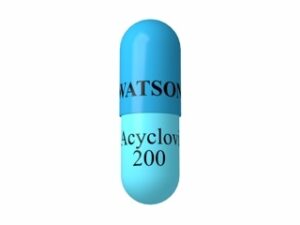
- Acyclovir (an antiviral; may require more frequent dosing)
- Famciclovir (an antiviral prodrug with dosing dependent on indication)
- Topical therapies (for selected cold sore situations—supportive rather than always replacing systemic antivirals)
- Pain control and symptom relief: Some patients also use topical soothing agents or analgesics for symptom management, based on medical advice.
Your healthcare professional may choose the alternative that best matches your kidney function, dosing preference, and the specific herpes virus involved.
13) Market and legal context for Australia
In Australia, medicines are regulated under the Australian Therapeutic Goods Administration (TGA). Whether a medicine is supplied under a specific schedule depends on its classification and the product’s approved indications and formulation.
Valacyclovir is generally supplied through regulated pharmacy channels, with appropriate patient assessment and dispensing practices. Availability may also depend on:
- The strength and dosage form (e.g., tablet strength)
- Approved indications on the product information
- Individual eligibility and safety checks (including kidney function considerations)
Pharmacy supply processes also support safe use—such as counselling on dosing, interactions, and when to seek further help.
14) Recent guidance and practical clinical considerations (general)
Clinical guidance for herpes virus infections commonly emphasises:
- Early initiation of antivirals for best symptom outcomes
- Assessment of kidney function where needed, due to renal clearance
- Adherence to prescribed schedules for treatment vs suppression
- Transmission prevention strategies for genital herpes, including avoiding contact during outbreaks and using barrier methods where appropriate
Local recommendations can be updated over time. For the most current advice relevant to you, consult a pharmacist or clinician, especially if you have recurrent infections or kidney issues.
15) Delivery and availability (online pharmacy)
In Australia, many online pharmacies offer delivery of prescription and non-prescription medicines through secure, tracked shipping where allowed. Availability depends on stock levels and the strength you require.
- Packaging: Medicines are typically dispatched in protective packaging with clear labelling.
- Delivery times: Delivery can vary by location and courier service.
- Signature requirements: Some deliveries may require a signature on receipt.
- Contacting support: If the medicine is out of stock, customer support can advise alternatives or expected restock dates (subject to legal supply requirements).
For best outcomes, order with enough time to receive the medicine early in the course of symptoms, particularly for shingles or early outbreaks where timing matters.
16) FAQ – Frequently asked questions
1) Is valacyclovir effective for cold sores and shingles?
Yes. Valacyclovir is commonly used for cold sores caused by HSV and for shingles caused by VZV. Starting early can improve symptom relief.
2) How long does it take to work?
Many people notice symptom improvement within a few days, but the timeline can vary depending on the condition and how early treatment started. If symptoms worsen or you don’t improve as expected, seek advice.
3) Can I take valacyclovir with food?
Generally, yes. It can be taken with or without food. If you get nausea, taking it with meals may help.
4) What if I miss a dose?
Take it when you remember unless it’s close to the time of the next dose. Don’t take double doses to make up for a missed one.
5) Who should be extra careful with valacyclovir?
Extra caution is needed if you have kidney disease, are dehydrated, are older, or take medicines that may affect kidney function. Discuss your situation with a pharmacist before starting or if you’re changing your medicine list.
6) Can I drink alcohol while taking valacyclovir?
Moderate alcohol may not be strictly prohibited for all patients, but alcohol can contribute to dehydration and may worsen side effects. Limiting alcohol during treatment is a practical approach.
7) Does valacyclovir cure herpes?
Valacyclovir controls outbreaks and can reduce recurrences, but it does not eliminate the virus from the body. Herpes can return, and long-term management may be needed for frequent episodes.
8) Does valacyclovir prevent transmission?
Treatment can reduce viral activity, but it may not fully prevent transmission. For genital herpes, follow transmission prevention advice, including avoiding sex or close skin contact during outbreaks and using barrier protection where recommended.
9) What side effects are most common?
The most commonly reported side effects include headache and nausea, with occasional stomach upset or dizziness. Seek urgent help for severe allergic reactions or significant neurological symptoms.
10) Are there alternatives if valacyclovir isn’t suitable?
Depending on the indication, other antivirals like acyclovir or famciclovir may be options. Your clinician or pharmacist can help choose an alternative based on your health and kidney function.
Important reminder
This information is intended to support informed decision-making and safe use. Individual dosing and suitability depend on the type of herpes infection, your age, kidney function, and other medicines you take. If you have questions, it’s best to speak with a pharmacist for tailored guidance.