

Valtrex (Valacyclovir) — Patient-Friendly Guide (Australia)
Valtrex is a brand of valacyclovir, an antiviral medicine used to treat and help prevent certain viral infections. It is commonly used for herpes viruses such as cold sores and genital herpes. This guide explains how it works, how it’s typically used, what to expect, and important safety information for people in Australia.
Note: Information below is general and may differ from your personal plan. Always follow the instructions provided with your medicine and the advice of your healthcare professional.
1) Basic product information
- Medicine: Valtrex
- Active ingredient: valacyclovir
- Class: Antiviral (nucleoside analogue)
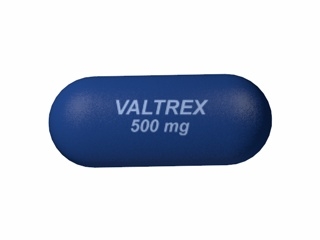
- Common forms: Tablets (strengths may vary by country and product)
- Typical dosing frequency: Often once or twice daily depending on the condition and regimen
- Manufacturer/brand: Brand name product; generic valacyclovir is also available in some settings
- Where it’s used: Herpes virus infections (e.g., HSV-1/HSV-2, VZV)
In Australia, availability and supply depend on prescribing practices and pharmacy stock. Your online pharmacy listing may show specific strengths and pack sizes available for delivery.
2) Mechanism of action (how Valtrex works)
Valacyclovir is a “prodrug,” meaning it is converted in your body to its active antiviral form.
- Step 1: After you swallow valacyclovir, your body converts it largely in the liver to acyclovir.
- Step 2: Acyclovir then becomes activated inside infected cells, where the virus is replicating.
- Step 3: Activated acyclovir blocks viral DNA replication by interfering with viral enzymes required to copy viral genetic material.
What this means for you: Valtrex helps reduce the ability of herpes viruses to multiply. This can shorten outbreaks, reduce symptom duration, and lower the risk of recurrence in some people. It does not remove the virus permanently from the body.
3) Pharmacokinetics (what the body does to the medicine)
Understanding pharmacokinetics can help explain dosing timing and why food matters.
| Topic | General information (patient-friendly summary) |
|---|---|
| Absorption | Valacyclovir is absorbed from the gut and then converted to acyclovir. Absorption is improved compared with some older antivirals. |
| Conversion to active drug | Liver conversion to acyclovir is a key step. Higher effectiveness depends on correct dosing and timing. |
| Distribution | Acyclovir spreads through the body including tissues involved in herpes outbreaks. |
| Elimination | Primarily eliminated via the kidneys (urine). Kidney function affects how the medicine is cleared. |
| Half-life (simplified) | The active drug’s persistence supports dosing schedules (e.g., once or twice daily in many regimens). |
Kidney considerations: People with reduced kidney function may require lower doses or longer dosing intervals to reduce the risk of side effects. Hydration is often important.
4) Typical uses (indications)
Valtrex is used for herpes-family viruses. Common indications include:
- Treatment of herpes zoster (shingles) in adults, including when started early in the illness
- Herpes simplex infections such as:
- Cold sores (orolabial herpes/HSV-1)
- Genital herpes (HSV-2 or HSV-1)
- Suppression therapy to reduce the frequency of recurrent genital herpes outbreaks
Prevention and transmission context: For genital herpes, suppressive antiviral therapy may reduce recurrences and can reduce the risk of viral shedding. It does not eliminate transmission risk completely; barrier protection and safe sex practices remain important.
5) Dosing overview and timing
Dosing depends on the condition, severity, immune status, and kidney function. Below are common “typical” patterns used in practice. Your actual dose may differ.
5.1 Starting treatment early
Antiviral effectiveness is greatest when started early. For conditions like cold sores, treatment is usually most helpful at the first signs (tingling, burning, or when you feel an outbreak beginning), rather than after lesions fully develop.
5.2 Common regimens (general examples)
- Cold sores (HSV-1): often treated in short courses, commonly started at symptom onset.
- Genital herpes: can be treated during outbreaks (shorter course) or taken daily for suppression.
- Shingles (herpes zoster): treatment is typically started as soon as possible after rash appears, often within a defined early window.
Important: Do not rely solely on memory or generic dosing websites. Always check the specific dosing instructions on your product label or provided plan.
5.3 How to take Valtrex
- Take tablets with water.
- Try to take doses at even intervals if you’re on a multiple-times-daily schedule.
- If you miss a dose, take it when you remember unless it’s close to the next dose—then skip the missed dose and return to schedule.
- Complete the course unless your healthcare professional tells you to stop.
5.4 Kidney function adjustments
If you have known kidney disease, your dose may be adjusted. This is especially relevant for:
- Older adults
- People with dehydration
- People taking other medicines that may affect kidney function
6) Food interactions (can you take Valtrex with meals?)
Valacyclovir can generally be taken with or without food. Taking it with food may help if it causes mild stomach upset in some people.
- If you notice nausea, try taking it after a meal.
- Stay well hydrated to support kidney clearance.
Gastrointestinal tolerance: Some people experience nausea, headache, or stomach discomfort. Taking with food and drinking enough fluids may improve comfort.
7) Alcohol and medicine interactions
7.1 Alcohol
There is no universally required “absolute” avoidance of alcohol with valacyclovir, but alcohol can affect wellbeing and may worsen dehydration, sleep, and recovery—especially during active infection.
- Hydration matters: aim to drink water regularly, particularly if you’re ill or experiencing reduced appetite.
- Be cautious: if you notice dizziness, fatigue, or stomach upset after alcohol, avoid it while taking Valtrex.
7.2 Potential medicine interactions
Interactions can occur mainly through effects on the kidneys or kidney clearance. Tell your pharmacist or healthcare professional about all medicines you take, including:
- Nephrotoxic medicines or medicines that can affect kidney function
- Other antivirals (e.g., certain similar agents)
- Some medicines for cancer or immunosuppression
- High-dose medications that may influence kidney filtration
Practical guidance: If you take regular medications for chronic conditions, ask about whether your kidney function and current medicines are compatible with your valacyclovir dose.
8) Safety profile and side effects
Most people tolerate valacyclovir well. Side effects are usually mild to moderate and improve after stopping the medicine.
8.1 Common side effects
- Headache
- Nausea (sometimes stomach upset)
- Dizziness
- Fatigue
8.2 Less common but important side effects
- Kidney-related issues (more likely if dehydrated, older, or with existing kidney disease)
- Neurological effects in rare situations, particularly with higher doses or reduced kidney clearance
- Allergic reactions (rash, swelling, difficulty breathing)
8.3 When to seek urgent medical help
Get urgent help if you experience:
- Signs of a serious allergic reaction (e.g., facial swelling, wheezing, severe rash)
- Severe confusion, unusual agitation, hallucinations, or significant drowsiness
- Very little urine output or signs of dehydration that are worsening
8.4 Who should be extra careful
- People with kidney disease or reduced kidney function
- People with dehydration (e.g., from vomiting/diarrhoea)
- Older adults
- People with weakened immune systems
9) Practical use tips (how to get the best outcome)
9.1 Start promptly
For cold sores, consider starting as early as possible when you feel the warning signs. For shingles, start early after rash appears—earlier treatment often leads to better symptom control.
9.2 Hydration
Drink enough fluids during treatment. This supports kidney clearance and may reduce the risk of kidney-related side effects, especially if you are prone to dehydration.
9.3 Symptom support
- For cold sores: avoid picking lesions; keep the area clean; consider barrier protection to reduce spread.
- For genital herpes: maintain gentle hygiene, wear breathable underwear, and avoid sexual contact during outbreaks (or follow your clinician’s recommendations).
- For shingles: follow wound care advice and protect painful areas from friction.
9.4 Preventing spread
Herpes viruses can transmit through direct contact during active outbreaks and, for some people, even when no obvious lesions are present.
- Cold sores: avoid kissing or oral sex during outbreaks; wash hands after touching affected areas.
- Genital herpes: use barrier protection as advised; avoid sex during outbreaks.
9.5 Adherence
Taking the right dose at the right times helps achieve the intended antiviral effect. If you’re on a daily suppression regimen, consistency is particularly important.
10) Alternative options
There are other antiviral medicines used for herpes infections. The best option depends on the virus type, location of lesions, outbreak pattern, immune status, and kidney function. Alternatives may include:
- Aciclovir (acyclovir) — an antiviral used for similar herpes infections
- Famciclovir — another oral antiviral option
- Topical treatments for limited cold sore scenarios (for some people, though antiviral oral therapy is often preferred for faster control)
Your pharmacist can also discuss non-antiviral symptom relief options (e.g., pain relief) that may be used alongside antiviral therapy.
11) Market and legal context for Australia (overview)
In Australia, access to medicines is regulated to ensure safe supply and correct use. Antiviral medicines like valacyclovir are commonly supplied through standard Australian pharmacy channels according to the medicine’s legal classification and clinical requirements.
- Prescription/clinical pathway: Many antiviral regimens in Australia are used under a clinician’s guidance to ensure appropriate diagnosis, dosing, and monitoring.
- Pharmacy checks: Pharmacists may confirm appropriate use, including kidney status considerations and potential interactions.
- Brand vs generic: Brand products may be available alongside generics depending on supply and market availability.
Online pharmacy delivery: Legitimate online pharmacies in Australia typically require appropriate patient details and may provide dosing instructions based on your treatment plan. Delivery timelines and stock availability vary by provider.
12) Recent guidance and evolving clinical practice (general points)
While specific recommendations can change over time, clinical practice commonly emphasises the following:
- Early treatment: Starting antivirals promptly after symptoms begin can improve outcomes.
- Tailored dosing: Dose adjustments may be recommended for kidney function and certain patient groups.
- Prevention strategies: For genital herpes, suppressive therapy may be used for frequent recurrences and can reduce shedding, though safer sex measures remain necessary.
- Follow-up if symptoms worsen: If lesions don’t improve, spread, or you develop severe pain, fever, or other complications, further medical review may be needed.
If you have recurrent outbreaks or complications (e.g., severe pain, eye involvement, or symptoms in immunocompromised settings), seek medical review for personalised advice.
13) Delivery and availability in Australia
Availability depends on product strength, pack size, and current supply. Many online pharmacies offer:
- In-stock delivery with tracked shipping
- Standard and express options depending on location
- Medication packaging that protects tablets and supports safe storage
Cold chain: Valacyclovir tablets typically do not require refrigeration. Store at room temperature and protect from moisture according to the label.
Delivery timing: Estimated dispatch times and shipping durations are usually shown at checkout. If the item is temporarily unavailable, the pharmacy may offer alternatives (e.g., different strength or generic valacyclovir).
14) Storage and handling
- Store in the original packaging unless your label instructs otherwise.
- Keep tablets away from excessive heat and moisture.
- Do not use after the expiry date shown on the pack.
- Keep out of reach of children.
15) FAQ
What is Valtrex used for?
Valtrex (valacyclovir) is used to treat herpes-family viral infections such as cold sores, genital herpes, and shingles. It may also be used as long-term suppressive therapy to reduce recurrence of genital herpes in some adults.
How quickly does Valtrex work?
Many people notice symptom relief within a few days, especially when started early. The fastest benefit is often seen when you begin at the first warning signs of an outbreak.
Can I take Valtrex with food?
Yes. Valacyclovir can generally be taken with or without food. Taking it after a meal may help if you experience nausea.
Should I avoid alcohol while taking Valtrex?
It’s often safer to limit alcohol during treatment. Alcohol can worsen dehydration and overall recovery. If you choose to drink, stay well hydrated and stop if you feel unwell.
Is Valtrex safe if I have kidney problems?
People with kidney impairment may need dose adjustment and should be closely managed. Tell your pharmacist or healthcare professional about your kidney health and any other medicines you take.
What should I do if I miss a dose?
If you miss a dose, take it when you remember unless it is near the next dose. Do not take two doses at once. Return to your normal schedule.
Can Valtrex prevent outbreaks?
For some people—particularly those with frequent genital herpes recurrences—daily suppressive therapy may reduce outbreak frequency and viral shedding. It does not eliminate transmission risk completely.
Does Valtrex cure herpes?
Valtrex controls viral activity and helps treat outbreaks, but it does not cure herpes permanently. The virus remains in the body and may reactivate later.
Are there any signs I should contact a doctor urgently?
Seek urgent medical help for symptoms of serious allergy (swelling, breathing difficulty, severe rash), severe confusion or neurological symptoms, or signs of worsening kidney issues such as very low urine output, severe dehydration, or persistent vomiting.
What are common side effects?
Common side effects include headache, nausea, and sometimes dizziness or fatigue. Most are mild and resolve after treatment ends.
What are alternatives to Valtrex?
Depending on the condition, alternatives can include aciclovir or famciclovir. Your pharmacist can also advise on symptom relief strategies and whether a different antiviral approach is appropriate.
Can Valtrex be used for shingles in adults?
Yes, it is commonly used for herpes zoster (shingles) in adults. Starting early—soon after rash appears—can be important for best outcomes.
Final reminder: If you’re unsure which regimen is right for you, or you have recurrent outbreaks, complications, or kidney disease, ask a pharmacist to review dosing, interactions, and practical use tips tailored to your situation.