

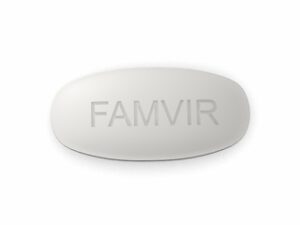
Famciclovir (Famciclovir Tablets) — Patient Information (Australia)
Famciclovir is an antiviral medicine used to treat certain viral infections, particularly those caused by the herpes virus family. In Australia, it is commonly used for conditions such as shingles (herpes zoster) and genital herpes (herpes simplex). This guide explains how famciclovir works, how it is used, what to expect, and key safety considerations.
Note: Product brands and strengths vary. Always read the specific Consumer Medicine Information (CMI) and follow instructions provided by your healthcare professional.
Basic product information
| Item | Details |
|---|---|
| Generic name | Famciclovir |
| What type of medicine is it? | Antiviral (nucleoside analogue) |
| Common forms | Oral tablets |
| Typical conditions treated | Shingles (herpes zoster), genital herpes, and some other herpes-related infections |
| How it’s taken | By mouth, usually multiple times per day depending on the condition |
| Who may need extra caution | People with kidney problems, older adults, pregnancy/breastfeeding (discuss with your clinician) |
How famciclovir works (mechanism of action)
Famciclovir is converted in the body to its active form, penciclovir. Penciclovir acts inside infected cells to stop the virus from multiplying.
- Step 1: Once famciclovir enters the body, it is converted to penciclovir.
- Step 2: In virus-infected cells, penciclovir is further transformed into an active triphosphate form.
- Step 3: The active form interferes with viral DNA synthesis, reducing viral replication.
- Result: Symptoms can improve faster, viral shedding may reduce, and the duration of outbreaks may be shortened.
Important: Antivirals work best when started early—before the infection has fully established.
Pharmacokinetics (absorption, distribution, metabolism, and elimination)
Understanding how famciclovir behaves in the body helps explain dosing and timing.
Absorption
Famciclovir is absorbed after oral administration and is efficiently converted to its active form (penciclovir).
Distribution
Penciclovir reaches tissues where herpes viruses replicate, including sites involved in shingles and genital herpes outbreaks.
Metabolism
The key conversion is to penciclovir, which is the main pharmacologically active product.
Elimination
Famciclovir and its active metabolites are eliminated mainly through the kidneys. Because of this, dose adjustments may be needed in people with reduced kidney function.
Practical implication: If you have kidney disease or reduced kidney function, speak with a clinician or pharmacist before use. Your dosing schedule may change.
Typical uses in Australia
Famciclovir is used to treat infections caused by herpes viruses. Most commonly:
- Shingles (herpes zoster): Helps shorten the duration of symptoms and may reduce complications, including pain.
- Genital herpes (herpes simplex): Treatment of outbreaks (episodic therapy) and in some situations, prevention of frequent recurrences (suppressive therapy).
- Other herpes-related conditions: Depending on clinical assessment, famciclovir may be considered for specific herpes infections.
It is not a cure. Herpes viruses remain in the body and can reactivate. Antivirals help control outbreaks and reduce viral replication.
When to start and dosing timing
Timing can make a meaningful difference.
Shingles
- Start as early as possible, ideally within 72 hours of rash onset.
- Early treatment can improve outcomes, including the likelihood of less prolonged pain.
Genital herpes
- For best benefit, start treatment at the first signs of an outbreak (early burning/tingling, itching, or pain) or as soon as possible after symptoms begin.
- For frequent recurrences, clinicians may recommend a longer-term daily approach to reduce outbreak frequency.
Tip: If you notice prodromal symptoms (warning symptoms before sores appear), taking treatment promptly may reduce severity or shorten the outbreak.
Dosing overview (general guidance)
Because dosing depends on the condition, severity, and kidney function, your exact regimen should be confirmed with your healthcare professional or the medicine’s CMI. The information below is a general overview to help you understand typical patterns.
Common dosing patterns
- Shingles: Often taken for a short course, usually several times per day (commonly 7 days, depending on the regimen).
- Genital herpes (outbreak treatment): Often taken for several days, with dosing frequency depending on the chosen regimen.
- Genital herpes (prevention/suppression): Often taken once or twice daily as a longer-term strategy (frequency varies).
Kidney impairment
If you have kidney impairment, the dose and dosing frequency may be adjusted. This is important for safety and to avoid higher levels of the medicine.
Practical reminder: Tell your pharmacist if you have kidney disease, are on dialysis, or have been told your kidney function is reduced.
Food interactions and taking famciclovir with meals
Famciclovir can usually be taken with or without food. Many people find it easier on the stomach when taken with a snack or meal, especially if they experience nausea.
- With food: May reduce the chance of stomach upset for some people.
- Without food: Typically acceptable; follow your CMI instructions.
- Consistency: Try to take doses at similar times each day.
If your clinician has provided specific instructions, follow those over general guidance.
Alcohol and medicine interactions
Alcohol is not known for a major direct interaction with famciclovir, but it can indirectly worsen outcomes by:
- Increasing dehydration risk
- Potentially weakening your immune response
- Worsening side effects such as dizziness or nausea for some people
Safety tip: If you choose to drink alcohol, do so in moderation and monitor how you feel. Avoid heavy drinking while you’re unwell or if you notice dizziness, headaches, or nausea after doses.
Also consider alcohol with your other medicines—some medicines used alongside antivirals may have interaction concerns.
Medicine interactions (other medications)
Famciclovir has interactions mainly related to kidney handling and overall medication safety. Always provide your pharmacist a list of all medicines and supplements you take.
Examples of medicines to review with a pharmacist
- Medicines affecting kidney function (e.g., certain diuretics or medications that may stress the kidneys)
- Medicines known to be cleared by the kidneys (dose timing and monitoring may be required)
- Other antivirals (avoid duplication unless advised)
- Nephrotoxic medicines (medicines that can harm kidneys under some circumstances)
Important: Do not start, stop, or combine medications without checking. This includes herbal products and high-dose vitamin or mineral supplements.
Indications (what famciclovir is used for)
In clinical practice, famciclovir is indicated for the treatment of infections caused by herpes viruses, including:
- Herpes zoster (shingles): Typically to reduce duration and severity of symptoms when started early.
- Genital herpes (herpes simplex): Episodic treatment of outbreaks and/or suppressive therapy to reduce recurrence in selected patients.
- Other herpes infections: Depending on local guidance and clinical judgment, it may be used for certain presentations.
Your clinician can explain which indication applies to you and how long you should take it.
Safety profile and possible side effects
Like all medicines, famciclovir can cause side effects. Many people experience none or only mild effects.
Common side effects
- Headache
- Nausea or mild gastrointestinal upset
- Dizziness
- Fatigue
Less common but important effects
- Vomiting or more significant stomach upset
- Skin reactions (rash)
- Changes in lab tests (depending on individual risk factors)
Seek urgent medical help if
- Signs of severe allergy such as facial swelling, difficulty breathing, or widespread hives
- Severe rash, blistering, or skin peeling
- Confusion, marked drowsiness, or severe neurological symptoms
Special populations
- Kidney disease: Higher risk of drug build-up; may require dose adjustment.
- Older adults: More likely to have reduced kidney function—dose adjustments may apply.
- Pregnancy and breastfeeding: Use should be discussed with a clinician to weigh benefits and risks.
- Children: Use depends on age/indication and should be guided by a clinician.
Practical use tips for best results
These tips can help you get the best outcome from famciclovir.
- Start early: Begin treatment as soon as appropriate (especially within the first 72 hours for shingles).
- Take doses consistently: Keep a regular schedule to maintain antiviral activity.
- Complete the course: Even if you feel better, finish your prescribed regimen unless your clinician advises otherwise.
- Hydrate: Drink fluids unless you’ve been restricted by your doctor—hydration supports kidney clearance.
- Manage pain and comfort: Shingles pain may need additional symptom control (e.g., paracetamol/ibuprofen if suitable for you).
- Avoid spreading infection: For genital herpes, avoid sexual contact or use safer sex practices as recommended—antivirals can reduce viral shedding but do not eliminate transmission risk.
- Monitor symptoms: If symptoms worsen, new symptoms appear, or there’s no improvement, seek medical advice.
How to store famciclovir
Storage instructions can vary by manufacturer, but commonly:
- Store tablets below 25°C unless stated otherwise on the packaging.
- Keep in the original package to protect from moisture.
- Keep out of reach of children.
Check the label for exact storage guidance.
Alternative options (other treatments)
Depending on the infection, severity, and your health profile, other antiviral medicines may be considered. Common alternatives for herpes infections include:
- Acyclovir: Often used for herpes simplex and shingles; dosing frequency can be higher.
- Valaciclovir: Another prodrug converted to an active antiviral; dosing may be simpler.
- Other regimens: Your clinician may choose different strategies based on kidney function, outbreak frequency, and prior response.
Non-medicine supports may also be important:
- For shingles: skin care, pain management, and wound protection
- For genital herpes: hygiene measures, avoiding friction, and safer sex practices
Ask your pharmacist or clinician which alternative fits best for your situation.
Australia: market and legal context (what to expect online)
In Australia, access to prescription medicines is regulated and may involve additional checks. Online pharmacies typically require:
- Verification of the medication you’re requesting
- Medication history questions to support safe use
- Clinical safety screening, especially for medicines that require prescriber authority
- Compliance with Australian regulatory requirements for medicines supply, dispensing, and pharmacy standards
Reputable Australian online pharmacies follow legal requirements and professional pharmacy processes. Always choose a registered pharmacy service when purchasing medicines online.
Recent guidance and clinical considerations (high-level)
Clinical guidance for herpes virus management generally emphasises:
- Early antiviral treatment for shingles and outbreaks
- Assessment of risk factors such as age, immunosuppression, and kidney function
- Appropriate dosing adjustments for kidney impairment
- Ongoing management strategies for recurrent genital herpes (episodic vs suppressive therapy)
Guidance can evolve as new evidence and updates emerge. Your pharmacist can help you interpret the information relevant to your prescribed regimen and current product packaging.
Delivery and availability in Australia
Availability can vary by strength, brand, and manufacturer. When ordering online, reputable Australian pharmacies typically provide:
- Clear product details (strength, dosage form, brand/manufacturer if applicable)
- Estimated delivery times based on location
- Secure packaging designed to protect tablets during transit
- Customer support if you need to confirm suitability or dosing guidance
If you need the medicine urgently (for example, early shingles treatment), contact customer support to confirm stock and delivery timelines.
FAQ
1) Is famciclovir effective for shingles?
Yes. Famciclovir is commonly used to treat shingles. Effectiveness is greatest when started early—ideally within 72 hours of rash onset. Treatment can reduce the duration and severity of symptoms and may help reduce complications, including persistent pain in some people.
2) Does famciclovir cure herpes?
No. Famciclovir helps control viral replication and can shorten outbreaks or reduce their frequency. Herpes viruses remain in the body, and infections can recur.
3) How should I take famciclovir?
Take famciclovir exactly as directed on your medicine instructions or by your healthcare professional. It is often possible to take it with or without food, but consistency and completing the course are important.
4) What if I miss a dose?
If you miss a dose, take it when you remember unless it is close to the time of your next dose. Do not double up doses. If you are unsure, check with your pharmacist.
5) Can I take famciclovir with food?
Often yes. Many people tolerate famciclovir well either way. If you experience nausea, taking doses with a meal or snack may help.
6) Can I drink alcohol while taking famciclovir?
There is no widely recognised major direct interaction, but alcohol can worsen dehydration and potentially increase side effects. If you drink, keep it moderate and monitor how you feel.
7) Does famciclovir interact with other medicines?
Possible interactions may relate to kidney handling. Review your full list of medicines and supplements with your pharmacist—particularly if you have kidney disease or take medicines that affect kidney function.
8) Who should be extra careful when using famciclovir?
People with reduced kidney function, older adults, those with a history of drug allergies, and individuals who are pregnant or breastfeeding should use caution and seek personalised advice.
9) What side effects are common?
Common side effects include headache, nausea, dizziness, and fatigue. If you develop a severe rash or signs of allergy, seek urgent medical help.
10) How long does it take to feel better?
Many people notice improvement within a few days. Response varies by condition, timing of starting treatment, and individual factors.
11) Can famciclovir prevent transmission of genital herpes?
Antiviral treatment may reduce viral shedding and lower the risk of transmission, but it does not eliminate it. Safer sex practices and avoiding sex during outbreaks and prodromal symptoms remain important.
12) When should I contact a healthcare professional urgently?
Contact a healthcare professional urgently if you have breathing difficulties, facial swelling, severe skin reactions, confusion, severe dizziness, or if symptoms rapidly worsen. Also seek advice if you have shingles affecting the eye area or face—these can require prompt specialist assessment.
Always follow the instructions on your packaging and consult a healthcare professional for personal advice—especially if you have kidney problems, are pregnant or breastfeeding, or are taking multiple medicines.