
Acyclovir Cream 5% (for the treatment of cold sores and other herpes-related skin conditions) — Patient Information
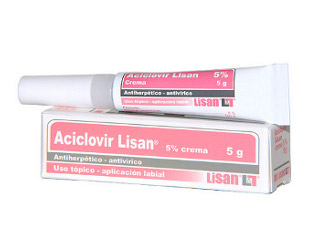
Acyclovir cream 5% is an antiviral medicine used to treat certain infections caused by the herpes virus. It works by slowing the growth of the virus in the skin, helping to shorten the duration of outbreaks and relieve symptoms such as tingling, burning, itching, and pain. This page provides clear, patient-friendly information to help you understand how to use acyclovir cream safely and effectively in Australia.
| Product | Details |
|---|---|
| Active ingredient | Acyclovir 5% |
| Dosage form | Cream |
| Common uses | Cold sores (herpes labialis) and selected superficial herpes skin lesions |
| Typical start time | As early as possible (ideally at the first signs) |
| How to apply | Thin layer to affected area (avoid eyes, inside mouth, and genital area unless advised) |
| Availability | Subject to Australian supply and listing; may be available through pharmacies |
Basic product information (what it is and what it’s for)
Acyclovir cream 5% (topical) contains acyclovir, an antiviral medicine. It is designed for use on affected skin areas caused by herpes viruses—most commonly cold sores around the lips and mouth (herpes labialis).
Cold sores may start with symptoms such as tingling, burning, itching, or tenderness. After that, blisters may form and then crust over. Acyclovir cream can be most helpful when started early, before the sore becomes fully developed.
How acyclovir works (mechanism of action)
Acyclovir belongs to a group of medicines called antivirals. It targets the herpes virus by interfering with how the virus replicates (multiplies) inside infected cells.
- Selective activation: Acyclovir is processed inside virus-infected cells to its active form.
- Blocks viral DNA synthesis: The active form interferes with the virus’s ability to copy its genetic material (DNA).
- Slows outbreak progression: By reducing viral replication, the cream can help the lesion heal sooner and may reduce symptom duration.
Important: Acyclovir cream does not cure herpes permanently. Herpes viruses remain in the body and outbreaks can return.
Pharmacokinetics (how the body handles the medicine)
Because acyclovir cream is applied to the skin, only a small amount is typically absorbed into the bloodstream when used as directed. The overall effect is local—focused on the infected skin area.
- Absorption: Limited systemic absorption is expected with topical use on intact skin; absorption may be slightly higher with open or blistered lesions.
- Distribution: The small amount absorbed may distribute through body tissues according to normal pharmacologic pathways.
- Metabolism: Acyclovir is not extensively metabolised in the skin during topical use; in the body, it is processed primarily through normal clearance pathways.
- Elimination: The medicine is mainly eliminated by the kidneys.
If you have kidney disease or reduced kidney function, discuss use with a pharmacist or doctor, especially if you are also taking other medicines that affect the kidneys.
Typical use and indications (when acyclovir cream may help)
Acyclovir 5% cream is commonly used for:
- Cold sores (herpes labialis): outbreaks around the mouth or lips
- Other superficial herpes-related skin lesions: as directed by local clinical guidance and product indications
Not for: Acyclovir cream is generally not intended for use in the eyes and is not for inside the mouth unless specifically advised by a healthcare professional. It is usually not used for genital herpes in cream form unless a clinician advises it for a particular product/indication.
Timing: the earlier you start, the better
For best results, start treatment as early as possible—ideally at the first sign of an outbreak, such as:
- tingling or itching
- burning or localized soreness
- early swelling or redness
Once blisters have fully developed, the benefit may be smaller, but continuing treatment may still help shorten the outbreak. If you are unsure whether your symptoms are consistent with herpes, consider speaking with a pharmacist or clinician—other conditions (for example, bacterial infections or dermatitis) may look similar.
Dosing and how to use acyclovir cream 5%
Follow the directions on the product label and the advice of your pharmacist. Dosing can vary depending on the product formulation and the indication. The following is typical guidance for cold sores:
- Adults and children: Apply a thin layer to the affected area.
- Frequency: Usually five times a day (for example, about every 4 hours while awake).
- Duration: Commonly 4 days for cold sores; if not healed, you may be advised to continue for a further period based on the product directions.
Practical steps:
- Wash your hands before and after applying the cream.
- Clean and dry the affected area gently.
- Apply a thin layer of cream to the sore and surrounding skin (avoid unnecessary rubbing).
- Use a finger pad or clean cotton bud if preferred to reduce contamination.
- Avoid contact with eyes and mucous membranes (unless specifically instructed).
- Do not cover tightly with occlusive dressings unless a clinician advises it.
How long should it take to work? Many people notice symptom improvement over 1–2 days when treatment is started early. Complete healing varies depending on severity and immune response.
Food interactions
Because acyclovir cream is applied to the skin, food interactions are not usually a concern. Topical absorption is limited, and the treatment does not typically rely on gastrointestinal absorption.
If you are using other forms of acyclovir (tablets or injections), food interactions may differ. For cream use alone, food is generally not expected to affect how it works.
Alcohol and medicine interactions
Alcohol
For topical acyclovir cream, alcohol is not expected to directly interact with the medicine. However, alcohol may worsen dehydration, sleep, and immune function in some people, which can potentially influence outbreak frequency or healing.
Other medicines
With topical use, clinically significant drug interactions are unlikely due to low systemic absorption. Still, it is good practice to check interactions if you take other medicines, particularly:
- Medicines affecting the kidneys (because acyclovir is cleared via the kidneys if absorbed)
- Other antivirals or nephrotoxic medicines in situations where higher absorption is possible
If you are using other medications (including over-the-counter creams, supplements, or prescription medicines), consult a pharmacist for personalised advice—especially if you have kidney problems or are taking multiple medicines.
Safety profile and when to seek help
Most people tolerate acyclovir cream well. As with all medicines, side effects can occur.
Common side effects
- Temporary skin irritation (stinging or burning)
- Dryness or mild redness
- Flaking at the application site
Less common or serious reactions (seek medical advice urgently)
- Signs of allergy: swelling, hives, widespread rash, or difficulty breathing
- Severe worsening of pain, redness, swelling, or blistering
- Infection not improving or spreading redness, warmth, or pus (could indicate another problem)
Special considerations
- Children: Use only if appropriate for the child’s age and the product indication. Ask a pharmacist if unsure.
- Pregnancy and breastfeeding: Many topical antivirals can be used when needed; however, discuss your situation with a pharmacist or doctor.
- Immunocompromised people: If you have a weakened immune system (for example, after chemotherapy or with certain long-term conditions), herpes outbreaks may be more severe—seek medical advice early.
Stop using the cream and seek advice if you develop a significant rash beyond the application area or signs of an allergic reaction.
Practical use tips to get the best results
- Start immediately: Use at the first tingling or burning stage.
- Apply consistently: Try not to miss doses, especially during the first 1–2 days.
- Use a thin layer: More cream does not necessarily improve results and may increase irritation.
- Avoid spreading the virus:
- Do not touch the sore after application unless you wash your hands.
- Avoid kissing or close face-to-face contact until the sore heals.
- Avoid sharing cups, utensils, lip balm, or razors that may contact the sore.
- Protect your lips: For some people, sunlight triggers cold sores—consider lip balm with sun protection (separate from the acyclovir application).
- Keep the area comfortable: If friction worsens discomfort, gently shield the area with a soft barrier that does not trap excess moisture.
Hygiene matters: Cold sores are contagious. Even if you are using antiviral cream, you can still spread the virus through direct contact during active outbreaks.
Alternative options for cold sores
Depending on severity, frequency of outbreaks, and personal factors, other treatment options may be considered:
- Other topical antivirals: Some products containing different antiviral agents or strengths may be available.
- Oral antiviral medicines: For frequent, severe, or high-risk cases, tablets may be more effective than cream.
- Pain relief: Over-the-counter analgesics may help symptoms. A pharmacist can recommend appropriate options.
- Supportive care: Barrier creams, moisturisers, and cold compresses may ease irritation.
For people who get cold sores often (for example, multiple times per year), it may be helpful to discuss a long-term plan with a pharmacist or doctor, as early intervention can reduce duration and contagion.
Market and legal context for Australia (what to expect when buying)
In Australia, medicines are supplied under the national regulatory and medicines scheduling frameworks. Availability of topical antiviral products can vary by brand, strength, and classification (for example, whether a product is available over-the-counter in pharmacies).
When purchasing acyclovir cream, you can generally expect:
- Pharmacy-based guidance: Staff can check suitability, correct use, and potential interactions.
- Product label instructions: Directions for dosing and duration are provided on-pack.
- Quality and safety standards: Medicines sold in Australia must meet applicable regulatory requirements.
Recent guidance: Clinical practice and consumer advice for cold sores typically emphasises early treatment, correct application frequency, and attention to hygiene and contagion. If you have frequent outbreaks, are immunocompromised, or symptoms are severe or unusual, seek medical advice to confirm diagnosis and consider more effective treatment strategies.
Note: Always follow the instructions supplied with your specific product and consult a pharmacist if anything is unclear.
Delivery and availability (online pharmacy experience)
Online pharmacies in Australia may offer delivery options depending on location, stock availability, and delivery service partners. Availability can vary by brand and whether the product is a common line or a seasonal supply item.
- Check stock: Some products may have limited stock at certain times.
- Delivery timeframes: Delivery typically depends on the destination and shipping method shown at checkout.
- Storage: Store according to the label (usually at controlled room temperature, away from heat and direct sunlight).
If you need it urgently (for example, you have early symptoms today), consider choosing a service option that provides the fastest delivery available at checkout.
Frequently Asked Questions (FAQ)
1) Is acyclovir cream 5% effective for cold sores?
It can be effective, especially when started at the first signs of a cold sore (tingling, itching, burning). While it may not stop every outbreak, early treatment often helps reduce healing time and symptoms for many people.
2) How soon should I apply the cream?
Apply it as soon as you notice symptoms. Starting early is one of the most important factors for benefit.
3) How many times a day should I use it?
Typical directions for cold sores are five times per day, evenly spread during waking hours. Always follow the exact instructions on your product label.
4) Can I use the cream if my cold sore has already formed blisters?
Yes—treatment can still be helpful. However, the best results are usually achieved when started before blisters fully develop. Continue as directed on the label.
5) Can I put it on my lip and still eat normally?
Yes, you can generally eat as usual, but avoid smearing the cream into your mouth. Be cautious to prevent the sore from being irritated by foods that are spicy, acidic, or very salty.
6) Can I use acyclovir cream with other creams or lip balms?
You can often use other products, but avoid layering too many products on the same spot, as this can increase irritation. If you use a lip balm, apply it separately and allow time for the acyclovir cream to absorb.
7) What if I miss a dose?
Apply the next dose at the next scheduled time. Do not apply extra cream to make up for a missed dose.
8) When should I see a doctor or pharmacist?
Seek advice if:
- the sore is severe, spreading, or not improving after the recommended treatment period
- you get frequent outbreaks and want a prevention plan
- you are immunocompromised
- symptoms are unusual or you are not sure the condition is a cold sore
9) Is it safe in pregnancy or breastfeeding?
Topical antivirals are often used when needed, but advice can depend on your personal circumstances. Speak with a pharmacist for tailored guidance.
10) Can I drink alcohol while using the cream?
Alcohol is not expected to directly interact with topical acyclovir. Still, alcohol may affect general health and recovery. Use moderation and stay hydrated.
Summary (key points to remember)
- Acyclovir cream 5% is an antiviral topical treatment commonly used for cold sores.
- For best results, start early—at the first sign of an outbreak.
- Apply a thin layer to the affected area and wash hands before and after.
- Typical dosing for cold sores is often five times daily for around 4 days (follow your label).
- Expect mild, temporary irritation in some cases; seek advice if you experience severe reactions or signs of allergy.
- Cold sores are contagious—follow hygiene and contact precautions until healing.
If you are unsure whether your symptoms match a herpes outbreak, or if you have frequent or severe episodes, ask a pharmacist for advice.