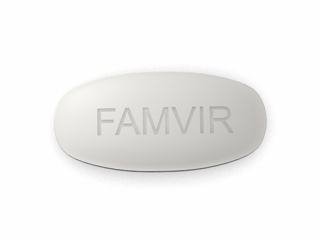

Famvir (Famciclovir) – Patient-Friendly Guide (Australia)
Famvir is a brand name for famciclovir, an antiviral medicine used to treat certain viral infections, particularly those caused by the herpes family of viruses. This guide explains what Famvir is, how it works, how it’s typically taken, what to expect, and key safety considerations for adults in Australia.
Note: Individual treatment depends on your condition, kidney function, age, and other medicines you may be taking. Always follow the instructions provided with your medicine and talk to a healthcare professional if you have questions.
Basic product information
- Brand name: Famvir
- Generic name: Famciclovir
- Medicinal class: Antiviral (nucleoside analogue)
- Common viral targets: Herpes viruses (including herpes simplex and varicella-zoster)
- Typical forms: Oral tablets (strengths vary by product availability)
How Famvir works (mechanism of action)
Famciclovir is a “prodrug,” meaning it is converted in your body to its active form. After you swallow it, famciclovir is metabolised to penciclovir, which works inside infected cells.
Mechanism of action:
- Penciclovir is converted to an active triphosphate form inside virus-infected cells.
- The active form interferes with viral DNA replication by inhibiting viral DNA polymerase.
- This reduces the ability of the virus to multiply and helps the infection resolve faster.
Important: Famvir helps control viral replication, but it does not “cure” herpes viruses permanently. Many viruses remain dormant and may reactivate later.
Pharmacokinetics (how the body processes Famvir)
Pharmacokinetics describes how the medicine is absorbed, distributed, metabolised, and eliminated.
- Absorption: Famciclovir is absorbed after oral dosing.
- Conversion to active drug: It is rapidly converted to penciclovir in the body.
- Distribution: The active metabolite reaches tissues involved in viral infection.
- Elimination: The active metabolite is primarily cleared by the kidneys. Because of this, dose adjustments may be needed if you have kidney impairment.
- Half-life (general): Penciclovir has a duration of action that supports typical oral dosing regimens for different indications.
Kidney function matters: If you have reduced kidney function or are older, your prescriber may choose a dose that is safer for your level of kidney clearance.
Typical uses and indications in plain language
Famvir is used for infections caused by herpes viruses. Common indications include:
- Herpes zoster (shingles): Painful rash caused by varicella-zoster virus.
- Herpes simplex infections (HSV): Including recurrent genital herpes or cold sores (depending on product guidance and clinical assessment).
- Recurrent episodes: Some people use antivirals as “episodic treatment” (treating outbreaks) or “suppressive therapy” (to reduce recurrence frequency), depending on their circumstances.
Availability and exact recommended regimens may vary based on Australian prescribing guidance and your specific diagnosis. Your clinician will determine the most suitable approach.
Timing: when to start and how quickly it can help
Timing can significantly affect how well antiviral treatment works.
- Shingles: Treatment is most beneficial when started as early as possible, ideally within 48–72 hours from rash onset (a “sooner is better” principle).
- Herpes simplex outbreaks: Starting treatment early—often at the first sign of an outbreak (tingling, itching, burning, or early lesions)—may reduce duration and severity.
If you are unsure when your symptoms began, try to estimate the onset of the earliest signs and discuss this with a healthcare professional.
Dosing overview (general guidance)
Dosing depends on the specific condition, severity, age, kidney function, and whether treatment is for an outbreak or prevention. This section provides a general overview for understanding common dosing patterns. Do not self-adjust doses.
General dosing themes:
- Shingles: Often requires a short course taken multiple times daily for several days.
- Herpes simplex: Regimens may be shorter for episodic treatment, and longer/regular for suppressive therapy.
Kidney impairment: Because the medicine is cleared through the kidneys, dose and frequency may be reduced for people with decreased renal function.
Missed dose: Take it when you remember unless it’s near the time for the next dose. Do not take double doses.
Food interactions: can you take Famvir with meals?
Famciclovir tablets can generally be taken with or without food. Food does not usually require special timing for most people.
Practical tip: Taking it consistently at similar times each day can help you maintain proper dosing intervals.
If you experience stomach upset, try taking it with food (unless your healthcare professional advises otherwise).
Alcohol and medicine interactions
Alcohol: There is no commonly reported direct “dangerous” interaction between famciclovir and alcohol. However, alcohol can worsen dehydration, sleep quality, and immune function—factors that may affect how you feel while you’re unwell.
Advice: If you choose to drink alcohol, do so in moderation and monitor your wellbeing. If you feel dizzy, unwell, or your symptoms worsen, avoid alcohol.
Other medicines: The most important interaction considerations relate to medicines that affect kidney function, kidney clearance, or compete for renal elimination. Tell a healthcare professional or pharmacist about all medicines you take, including:
- Non-steroidal anti-inflammatory drugs (NSAIDs) taken regularly
- Some medicines affecting kidney blood flow (for example, certain blood pressure medicines)
- Other antivirals or drugs that may affect renal clearance
- Herbal products and supplements
Good practice: Provide a complete list of your medicines and any kidney-related history. This helps ensure safe dosing.
Safety profile: common and serious side effects
Most people tolerate Famvir well, but side effects can occur. Your risk may be influenced by dose, kidney function, and your overall health.
Common side effects
- Headache
- Nausea
- Diarrhoea
- Fatigue
- Dizziness (reported by some people)
Less common but important to monitor
- Abnormal liver tests (uncommon; may be detected via blood tests)
- Skin reactions (ranging from rash to more severe reactions in rare cases)
Seek urgent medical attention if you get
- Signs of a severe allergic reaction: swelling of face/lips, difficulty breathing, widespread hives
- Severe skin rash or blistering
- Persistent vomiting or signs of dehydration
- Confusion or significant worsening of wellbeing
Kidney-related concerns: Because clearance depends on kidneys, people with reduced kidney function may have higher exposure to the medicine if doses aren’t adjusted. That can increase the chance of side effects. Report reduced urine output or unusual symptoms to a clinician.
Practical use tips (how to take Famvir effectively)
- Start early: Begin treatment as soon as possible after symptom onset or rash appears.
- Follow the interval: Take doses at the spacing your clinician recommends (for example, every 8 or 12 hours in some regimens).
- Stay hydrated: Drink adequate fluids, particularly if you’re ill, elderly, or at risk of dehydration.
- Don’t stop early: Completing the course helps achieve the intended antiviral effect.
- Use outbreak care: For genital herpes, avoid sexual contact during active lesions, and consider barrier protection as advised by your clinician.
- Pain relief matters: Shingles can cause significant nerve pain. Follow medical advice for pain management.
Alternative options (other treatments you may be offered)
Depending on your diagnosis and health profile, healthcare professionals may consider other antivirals. Alternatives for herpes virus infections can include:
- Aciclovir (acyclovir): Common antiviral for HSV and some zoster regimens.
- Valaciclovir: Another prodrug antiviral for HSV and shingles, often with convenient dosing schedules.
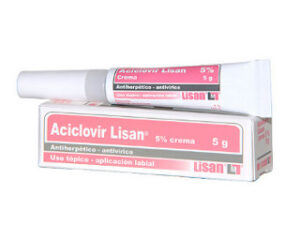
- Topical therapies (for some cold sore situations): Not always sufficient for genital herpes or shingles compared with oral antivirals.
Why alternatives differ: Some medicines have different dosing schedules, activity profiles, and kidney clearance considerations. Your clinician chooses based on the condition, time since onset, and your medical history.
Recent guidance and clinical considerations
While treatment choices depend on individual circumstances, antiviral effectiveness is generally highest when started early. Clinical practice commonly emphasises:
- Prompt initiation for shingles within the early window after rash onset.
- Accurate diagnosis (herpes simplex vs shingles vs other rash causes).
- Kidney function assessment for safe dosing and to reduce side effect risk.
- Management of complications, particularly with shingles (for example, persistent nerve pain).
If you’re immunocompromised or have a complicated infection, treatment decisions may be more urgent and may involve specialist care.
Delivery and availability in Australia
Famvir (famciclovir) availability may vary based on pharmacy supply and tablet strength. Online pharmacies in Australia typically support delivery across metropolitan and regional areas, subject to local laws and courier services.
Delivery considerations:
- Allow time for processing and dispatch.
- Check product strength and quantity before confirming your order.
- Some medicines may require verification steps or patient information to meet Australian regulatory requirements.
Packaging: Medicines are usually supplied in original packaging with patient information included.
If you need help choosing the correct strength or regimen based on your condition, contact a pharmacist.
Market and legal context (Australia)
In Australia, access to medicines is regulated under national medicine supply and distribution frameworks. Antiviral medicines such as famciclovir may be supplied under relevant prescribing and dispensing requirements depending on the product and patient circumstances.
What this means for customers:
- Online pharmacies follow Australian privacy and medicine supply standards.
- Some medicines require professional review to ensure safe use and correct dosing.
- Always ensure you receive the right product (brand/generic) and strength.
Always rely on the instructions provided with your medicine and the guidance from an Australian healthcare professional.
Table: quick facts about Famvir
| Topic | Key information |
|---|---|
| Active ingredient | Famciclovir |
| Type | Oral antiviral |
| Common uses | Herpes zoster (shingles) and herpes simplex infections (outbreaks; sometimes suppression depending on clinician advice) |
| How it works | Converted to penciclovir; inhibits viral DNA replication in infected cells |
| Best timing | Start early—ideally within 48–72 hours of shingles rash or at first signs of an outbreak |
| Food | Usually can be taken with or without food |
| Kidney considerations | Dosing may require adjustment in kidney impairment |
| Common side effects | Headache, nausea, diarrhoea, fatigue, dizziness |
FAQ – Famvir (famciclovir)
1) What is Famvir used for?
Famvir is used to treat infections caused by herpes viruses, most commonly shingles (herpes zoster) and herpes simplex infections. The exact dosing schedule depends on your diagnosis and individual factors like kidney function.
2) How soon should I take it?
Start as early as possible. Shingles treatment is typically most effective when started within 48–72 hours of rash onset. For outbreaks of herpes simplex, begin at the first signs of an episode.
3) Can I take Famvir with food?
Yes. Famvir can usually be taken with or without food. If it upsets your stomach, taking it with food may help.
4) What if I miss a dose?
Take it when you remember unless it’s close to your next dose. Don’t take a double dose to make up for a missed one. If you’re unsure, ask a pharmacist.
5) Is Famvir safe for everyone?
Most people can take famciclovir safely when used correctly. However, safety depends on kidney function, age, other medicines, and your medical history. People with kidney impairment may need a different dose.
6) Can I drink alcohol while taking Famvir?
Moderate alcohol is not usually associated with a direct severe interaction. Still, alcohol may worsen dehydration and recovery. If you drink, do so moderately and monitor how you feel. Avoid alcohol if it makes you unwell.
7) What should I avoid during a herpes outbreak?
For genital herpes, avoid sexual contact during active lesions or symptoms. Using barrier methods may reduce transmission risk, but complete prevention cannot be guaranteed. Follow clinician advice based on your situation.
8) How long will treatment take to work?
Many people begin to notice improvement within a few days, but the timeline varies. Completing the full course is important to achieve the best outcome.
9) What side effects are most common?
Common side effects include headache, nausea, diarrhoea, fatigue, and sometimes dizziness.
10) When should I contact a doctor urgently?
Seek urgent medical help if you develop signs of a severe allergic reaction (such as swelling of the face or difficulty breathing), a severe blistering rash, or other serious symptoms.
Summary
Famvir (famciclovir) is an oral antiviral used to treat herpes-related infections such as shingles and herpes simplex outbreaks. It works by inhibiting viral DNA replication inside infected cells. For best results, start early and follow the dosing schedule provided with your medicine, with particular care for people who have kidney impairment. Most side effects are mild, but seek urgent help for severe allergic reactions or serious skin reactions.
If you have questions about whether Famvir is suitable for you, how to take it, or how it may interact with your other medicines, speak with a pharmacist or healthcare professional.