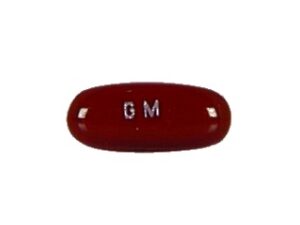
Monoket® (Isosorbide Mononitrate) – Patient Information (Australia)
Monoket® contains isosorbide mononitrate, a medicine used to help prevent and relieve certain types of chest pain caused by reduced blood flow to the heart. This guide explains how it works, when it’s usually taken, important safety information, and what to discuss with a healthcare professional.
Always follow the directions provided with your medicine and read the consumer medicine information (CMI) supplied by your pharmacy.
Quick Overview
- Active ingredient: Isosorbide mononitrate
- Uses: Prevention of angina (chest pain), often long-term prevention rather than immediate rescue
- How it works: Widens blood vessels to improve blood flow and reduce heart workload
- Common forms: Oral tablets or modified-release preparations (varies by product)
- Key precautions: Low blood pressure, dizziness on standing, headache, interactions with medicines for erectile dysfunction and some heart medicines
Basic Product Information
Monoket® is a brand of isosorbide mononitrate. Isosorbide mononitrate belongs to the group of medicines called nitrates. Nitrates are vasodilators—meaning they relax and widen blood vessels.
In Australia, Monoket® is available through pharmacies and is regulated under the Australian medicines framework. Availability can vary by strength and formulation.
What to know before you start
- Different strengths and release types exist (for example, immediate-release vs modified-release). Your dosing schedule depends on the specific product.
- Some formulations require a “nitrate-free” interval to reduce tolerance. This will be outlined by your prescriber or pharmacist.
Mechanism of Action (How Monoket Works)
Isosorbide mononitrate is converted in the body to nitric oxide (NO), a natural chemical messenger. Nitric oxide relaxes the smooth muscle in blood vessel walls, causing vasodilation.
- Venodilation: Helps reduce blood returning to the heart (lower “preload”), reducing strain on the heart.
- Arterial dilation: May also reduce resistance (“afterload”), improving blood flow to the heart muscle.
By improving blood flow and reducing the heart’s workload, Monoket® helps prevent angina symptoms and may reduce their frequency or severity.
Pharmacokinetics (How the Body Processes It)
Pharmacokinetics describes what the body does to the medicine—absorption, distribution, metabolism, and elimination. The exact profile depends on the specific formulation (for example, immediate-release vs modified-release).
Absorption
- Isosorbide mononitrate is absorbed after oral dosing.
- Onset of action depends on formulation and dose.
Distribution and metabolism
- It is metabolised in the body, producing active and inactive metabolites.
- Metabolites are further processed and eventually eliminated.
Elimination
- Most of the medicine and its metabolites are removed from the body through urine.
- Kidney function and liver function can influence overall handling of nitrates in some people.
Modified-release preparations: Designed to release the medicine steadily over time to provide longer protection from angina. Do not crush or split modified-release tablets unless the CMI or pharmacist says it’s safe.
Typical Use and Indications
Monoket® is used primarily for angina pectoris—chest pain due to insufficient blood supply to the heart muscle. It is commonly used for prevention of episodes.
Common indications include:
- Prevention of chronic stable angina
- Prevention of angina related to coronary artery disease
- Some forms may be used as part of angina management in combination with other heart medicines (as directed)
Nitrates are not always the best option for stopping an attack immediately. For sudden chest pain, many people are advised to use a fast-acting rescue medicine (depending on their treatment plan). Follow your healthcare professional’s guidance about what to do during an episode.
How and When to Take Monoket®
The most suitable timing depends on your prescribed regimen and the product strength/type you have. The information below is general and should be adapted to your specific instructions.
General timing principles
- Take consistently: Nitrate medicines are most effective when taken at regular intervals.
- Modified-release products: Usually taken once or twice daily depending on the formulation.
- Nitrate-free intervals: Some schedules include a daily “break” to reduce tolerance (the reduced response that can occur with continuous use).
If you miss a dose
- If you miss a dose, take it when you remember unless it is close to the time of the next dose.
- Do not take double doses to make up for a missed one.
- If unsure, ask your pharmacist or refer to the CMI for your specific formulation.
Practical advice for daily routines
- Choose times that fit your day (for example, morning and evening) if your regimen is twice daily.
- Stand up slowly, especially after taking the dose, to reduce dizziness or light-headedness.
- Keep notes if you’re adjusting for side effects (such as headaches) and discuss this with your clinician.
Food Interactions
Nitrates like isosorbide mononitrate are commonly taken without strict food restrictions. However, food can affect comfort and tolerability, and individual products may have specific instructions.
- General guidance: You may typically take Monoket with or without food.
- If nausea occurs: Taking with food may help some people.
- Do not substitute timing: Keep to your prescribed schedule rather than changing the timing frequently to “test” tolerance.
For the most accurate instructions, check the CMI for your exact Monoket® product and strength.
Alcohol Interactions
Alcohol can further lower blood pressure and may increase dizziness, faintness, or headaches when taking vasodilators such as nitrates.
- Recommendation: Limit or avoid alcohol, especially when you are starting Monoket or adjusting your dose.
- If you choose to drink, do so cautiously and avoid situations where dizziness could be dangerous (for example, driving).
Medicine Interactions (Important)
Some medicines can interact strongly with nitrates by changing blood pressure or affecting how the body responds to blood vessel dilation. Always provide a complete list of medicines and supplements to your pharmacist.
Medicines that must be avoided together (very important)
- Medicines for erectile dysfunction such as sildenafil (Viagra®), tadalafil (Cialis®), vardenafil, and others—this combination can cause dangerously low blood pressure.
Other important potential interactions
- Other blood pressure–lowering medicines (including some antihypertensives): may increase the risk of low blood pressure and dizziness.
- Other nitrates or nitrate-like medicines: combining may further lower blood pressure.
- Some heart medicines used for angina or heart rate control: your clinician will consider the combined effect on blood pressure and symptoms.
- Riociguat (a medicine for certain lung/vascular conditions): may also increase the risk of harmful blood pressure changes.
Herbal and complementary products: Medicines and supplements that affect blood pressure (for example, some “natural” vasodilators) may also increase the risk of side effects. Check before use.
If you experience severe dizziness, fainting, or worsening symptoms, seek medical help promptly.
Dosing (General Guidance)
Dosing should be individualised based on your condition, tolerance, and the specific Monoket® formulation. The directions on your label and the advice from your healthcare professional are the most important.
Common dosing patterns
- Once or twice daily dosing is common for modified-release formulations.
- Immediate-release vs modified-release dosing schedules can differ significantly.
- Titration: Many patients start at a lower dose and adjust based on effectiveness and side effects (commonly headache or dizziness).
Never adjust without advice
- Do not increase the dose to “speed up” relief of chest pain.
- If your angina is not controlled, talk to your clinician—your regimen may need adjustment, or another medicine may be required.
Because formulations vary, it’s best to consult the CMI for your specific Monoket® strength for exact dosing instructions.
Safety Profile and Side Effects
Most people tolerate Monoket® reasonably well, but nitrates commonly cause certain effects due to blood vessel changes. Some side effects are more likely at the start or after dose increases.
Common side effects
- Headache (often one of the most common side effects)
- Dizziness or light-headedness
- Flushing
- Low blood pressure (may cause weakness or faintness)
- Feeling tired
- Nausea (less common)
Serious side effects (seek urgent help)
- Fainting or severe dizziness
- Severe or worsening chest pain that does not improve as your plan advises
- Signs of a very low blood pressure such as confusion, collapse, or inability to stay upright
- Allergic reaction (rare): swelling of face/lips, difficulty breathing, widespread rash
If you suspect an overdose or severe adverse reaction, seek emergency assistance immediately.
Practical Use Tips (How to Reduce Side Effects)
Headache management
- Headaches are common when starting nitrates. They may lessen as your body adjusts.
- Use your prescribed medicine plan consistently—skipping doses can reduce tolerance patterns and may affect stability.
- Check with your pharmacist before using pain relief; some medicines may not be suitable depending on your health profile.
Reduce dizziness and falls
- Stand up slowly, especially in the first few days of treatment or after a dose change.
- Avoid driving or operating machinery if you feel light-headed.
- Stay hydrated unless your clinician has restricted fluid intake.
Tolerance and “nitrate-free” intervals
- With continuous exposure, some people develop tolerance (reduced effectiveness).
- To reduce this risk, many regimens include a daily nitrate-free period (based on your prescription).
Alternative Options for Angina Prevention
Angina is managed with a combination of lifestyle measures and medicines. If Monoket® is not suitable or not effective, clinicians may consider other options. Availability depends on your diagnosis and health history.
Common alternatives or add-ons
- Other nitrates (different formulations or long-acting options)
- Beta-blockers (reduce heart workload and oxygen demand)
- Calcium channel blockers (help relax blood vessels and reduce symptoms)
- Ranolazine (in selected patients to help control angina frequency)
- Antiplatelet and lipid-lowering medicines (for overall coronary risk management)
- Revascularisation procedures (when appropriate) such as angioplasty or bypass surgery
If your symptoms change—more frequent episodes, occurring at rest, or becoming more severe—contact your clinician urgently.
Market & Legal Context in Australia
In Australia, medicines are regulated by the TGA (Therapeutic Goods Administration). Availability and supply requirements depend on the product’s classification and formulation.
- Monoket® is generally supplied through Australian pharmacies and is subject to pharmaceutical standards and pharmacy dispensing processes.
- Pharmacists may request information to ensure the safe supply of the correct product and strength.
- Consumer medicine information (CMI) provides details specific to your product, including dosage directions, safety information, and contraindications.
Recent guidance: Product advice and safety updates can evolve as new evidence emerges. Your pharmacy can confirm current availability, product-specific instructions, and any recent safety communications for nitrates.
Delivery and Availability (Australia)
Availability of Monoket® can vary by strength and formulation. When ordering online, your pharmacy may confirm stock status and estimated delivery time.
Typical online ordering workflow
- Confirm the exact Monoket® strength and formulation you need.
- Provide required contact details for delivery updates.
- We pack your order securely and dispatch according to stock and delivery schedules.
Delivery considerations
- Allow time for processing and dispatch.
- Keep your contact details up to date for delivery notifications.
- If the delivery address is not available at the time of courier attendance, follow the courier instructions to reschedule.
Always store the medicine according to the CMI (for example, at recommended room temperature, away from moisture and heat).
FAQ – Frequently Asked Questions
1) What is Monoket® used for?
Monoket® (isosorbide mononitrate) is used to help prevent angina (chest pain related to reduced blood flow to the heart). It may reduce the frequency and severity of attacks when taken regularly as directed.
2) How quickly does Monoket® work?
Timing depends on the formulation. Some modified-release products provide longer-lasting prevention. If you need relief during an angina attack, follow your personal action plan for what to take at the time of symptoms.
3) Can I take Monoket® with food?
In many cases, Monoket® can be taken with or without food. If you experience stomach discomfort, taking it with food may be more comfortable—however, keep to your prescribed dosing schedule.
4) Is it safe to drink alcohol while taking Monoket®?
Alcohol may increase the risk of dizziness or low blood pressure when combined with nitrates. It’s best to limit alcohol, especially when starting or changing your dose.
5) What medicines should I avoid?
A very important interaction is with medicines for erectile dysfunction (such as sildenafil or tadalafil). This combination can cause dangerous blood pressure drops. Also tell your pharmacist about all blood pressure medicines, other nitrates, and any medicines you take for lung/vascular conditions.
6) Why do I get headaches after starting Monoket®?
Headaches are a common effect of nitrates because of blood vessel changes. They often improve as your body adjusts. If headaches are severe or persistent, contact your pharmacist or clinician.
7) What if I feel dizzy after taking a dose?
Sit or lie down immediately and stand slowly. If dizziness is severe, you faint, or you feel unwell, seek medical advice promptly. Inform your pharmacist about the dose and timing so they can help assess whether changes are needed.
8) Can I stop Monoket® suddenly?
Do not stop your medicine suddenly without advice. Angina can worsen if preventive therapy is withdrawn. Discuss any changes with your healthcare professional.
9) What are the signs that my angina may be getting worse?
Seek urgent medical help if chest pain becomes more frequent, more severe, occurs at rest, lasts longer than usual, or is accompanied by breathlessness, sweating, nausea, or fainting.
10) What are the storage instructions?
Store Monoket® as directed in the CMI, typically at room temperature, protected from moisture and heat, and out of reach of children. Check the package for specific instructions for your product.
Summary
Monoket® (isosorbide mononitrate) is a nitrate medicine used mainly to prevent angina. It works by relaxing blood vessels, improving blood flow, and reducing the heart’s workload. Common side effects include headache and dizziness, especially when starting.
For safest use, follow your dosing schedule, be cautious with alcohol, and pay close attention to medicine interactions—particularly with erectile dysfunction medicines. If you have any concerns about side effects or symptom control, talk to your pharmacist or clinician.