

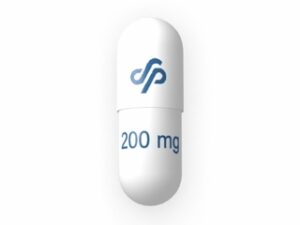
Oseltamivir (Oseltamivir Phosphate) — Patient-Friendly Guide
Oseltamivir, supplied as oseltamivir phosphate, is an antiviral medicine used to treat and, in some situations, prevent influenza (the flu) caused by influenza A and B viruses. It is widely used in Australia, particularly during flu season and during outbreaks in hospitals, aged-care settings, and households.
This page provides clear, practical information about how oseltamivir works, when it is most effective, how to take it safely, and what to consider with food, alcohol, and other medicines. It is intended to help you discuss options with a healthcare professional and to understand the medicine more confidently.
Basic product information
| Item | Details |
|---|---|
| Active ingredient | Oseltamivir (as oseltamivir phosphate) |
| Medicine type | Antiviral neuraminidase inhibitor |
| Uses | Treatment of influenza; selected prevention situations |
| Common forms | Oral capsules or oral suspension (strengths may vary by product) |
| Typical course length (treatment) | Usually 5 days |
| Typical timing (treatment) | Best started as soon as possible (ideally within 48 hours of symptoms) |
How oseltamivir works (mechanism of action)
Oseltamivir is a neuraminidase inhibitor. Influenza viruses use an enzyme called neuraminidase to release new viral particles from infected cells. By blocking this enzyme, oseltamivir helps to:
- Reduce viral spread in the body
- Shorten the duration of flu symptoms in many people when started early
- Lower the likelihood of some complications, particularly in higher-risk groups, when used promptly
Oseltamivir does not treat the flu by “killing” bacteria; it targets the virus. It also does not replace the need for influenza vaccination, which remains the best overall protection against flu.
Pharmacokinetics (how the body handles the medicine)
Pharmacokinetics describes what the body does to a medicine (absorption, metabolism, distribution, and elimination). The key points for oseltamivir include:
- Absorption: Oseltamivir is absorbed after oral dosing. It is a prodrug, meaning it is converted in the body to its active form.
- Activation (metabolism): The medicine is converted mainly in the liver to its active metabolite, commonly called oseltamivir carboxylate.
- Active action: The active metabolite inhibits neuraminidase in the respiratory tract and other relevant sites.
- Elimination: The active metabolite is primarily cleared by the kidneys (through urine).
- Effect of kidney function: People with reduced kidney function may need dose adjustments to reduce the risk of side effects.
In practice, this means it’s important to consider kidney health and to follow the dosing instructions provided by your healthcare professional or pharmacist.
What it’s used for (indications)
Oseltamivir is used for influenza due to influenza A and B viruses. Typical indications include:
- Treatment of confirmed or suspected influenza—especially when started early after symptoms begin.
- Prevention in selected situations, such as close contact exposures or certain outbreak settings, particularly for people at higher risk of complications.
Availability of guidance and specific eligibility can vary during the season and by individual risk factors. Local Australian clinical guidance is updated periodically—your clinician can advise what applies to you.
Timing matters: when to start
The most important practical factor is how soon you start oseltamivir after symptoms begin.
- Best outcome: Start as soon as possible, ideally within 48 hours of symptom onset.
- After 48 hours: There may still be benefit for some people, especially those who are hospitalised or at higher risk of complications. A clinician can decide based on severity, risk, and local guidance.
- For prevention: It’s usually started soon after exposure according to clinical advice.
If you think you have flu, aim to act quickly. Early treatment can be particularly valuable in people with chronic illnesses (for example, lung disease, heart disease, diabetes), older adults, or those who are immunocompromised.
Dosing (general patient guide)
Dosing depends on the purpose (treatment vs prevention), age, weight (especially in children), kidney function, and the specific product strength.
Important: Always follow the dosing plan provided by your healthcare professional or pharmacist. Below are general dosing ranges used in clinical practice.
Adults and adolescents (treatment of influenza)
- Common course: Usually 5 days
- Typical dose: Often 75 mg twice daily (with timing roughly 12 hours apart)
Children (treatment of influenza)
Children’s dosing is usually based on body weight. Courses are typically 5 days.
- Oral suspension: Often used for children who cannot swallow capsules.
- Weight-based dosing: Your pharmacist can confirm the correct volume for the suspension strength supplied.
Prevention after exposure (selected situations)
- Typical course length: Often 7–10 days after household exposure (exact duration can vary with circumstances).
- Dosing: May be once daily in many preventive regimens, but varies by age and kidney function.
Kidney impairment (dose adjustment)
Because oseltamivir is cleared by the kidneys, people with reduced kidney function may require a lower dose or less frequent dosing.
- If you have known kidney problems, tell your clinician.
- Do not change the dose on your own without advice.
How to take oseltamivir (practical use tips)
Oseltamivir is designed for oral use. To get the best results:
- Start early: Begin as soon as possible after symptom onset (or after exposure for prevention).
- Take at regular intervals: For twice-daily dosing, aim for about 12 hours apart.
- Complete the course: Do not stop early just because you feel better.
- Use the measuring device: If using oral suspension, use an oral syringe/medicine cup provided or recommended by your pharmacist.
- Shake suspension (if required): Some suspensions need shaking before each dose—check the product instructions.
If a dose is missed, follow your pharmacist or product instructions. In general, many medicines have guidance such as taking the missed dose when remembered unless it is close to the next scheduled dose.
Food interactions: can you take it with meals?
Oseltamivir can usually be taken with or without food.
- With food: Taking with food may help reduce nausea and stomach discomfort in some people.
- Without food: Some people still tolerate it well, but nausea may be more likely.
If you experience nausea, consider taking your next dose with a meal or snack (unless your healthcare professional advised otherwise).
Alcohol and medicine interactions
There is no universally stated “hard rule” that you must avoid alcohol completely with oseltamivir. However, your body may be under stress from the flu itself, and alcohol can worsen dehydration, sleep quality, and overall recovery.
- Alcohol: It’s generally sensible to limit alcohol while you’re ill.
- Medication safety: Oseltamivir has relatively few interactions compared with some other medicines, but interactions depend on your personal medication list.
If you drink alcohol and you’re taking other medicines (for example, for asthma, diabetes, blood pressure, or pain), check with your pharmacist—especially if you’ve had kidney problems or you’re elderly.
Other medicine interactions (what to watch for)
Oseltamivir is not known for a large number of major drug-drug interactions. Still, interactions may occur depending on how medicines affect the kidneys or the metabolism of drugs.
- Kidney-related medicines: Medicines that also affect the kidneys may increase the risk of side effects in some people.
- Other antivirals or influenza medications: Using multiple influenza antivirals together is uncommon and should be guided by a clinician.
- Complex medication regimens: If you take several medicines regularly, it’s best to have a pharmacist check for interactions.
Always keep a list of your current medicines (including supplements) and show it to your pharmacist.
Safety profile and side effects
Like all medicines, oseltamivir can cause side effects. Most are mild and improve after the first days, but some symptoms may require medical attention.
Common side effects
- Nausea
- Vomiting
- Headache
- Stomach discomfort
- Dizziness
Taking doses with food may reduce nausea and vomiting.
Less common but important: seek medical advice urgently
- Signs of allergic reaction: swelling of the face/lips, difficulty breathing, rash with hives.
- Severe or persistent vomiting or signs of dehydration.
- Unusual behaviour or confusion (rare). If you notice concerning symptoms, contact a healthcare professional.
Who should be extra cautious?
- People with kidney impairment (dose adjustment is often necessary).
- People with certain neurological or psychiatric histories should discuss risks and monitoring with a clinician.
- Children and teenagers: As with other antivirals used for influenza, monitoring for unusual symptoms is important.
If you are unsure whether your symptoms are typical flu-related effects or medication-related, it’s best to contact a pharmacist or healthcare provider.
Indications in more detail: who benefits most?
Oseltamivir is most likely to help when:
- Symptoms started recently (ideally within 48 hours).
- You are at higher risk of complications (for example, older age, chronic health conditions, pregnancy, immunocompromised status).
- Influenza is severe (e.g., requiring hospital care) or complications are developing.
- There is a significant exposure and prevention is clinically appropriate (in select circumstances).
People at higher risk may benefit from earlier treatment decisions. Local Australian clinical guidance and public health advice may influence when clinicians recommend treatment.
Recent guidance and Australian context (market/legal information)
In Australia, antivirals for influenza are managed through the healthcare system and are supported by public health and clinical guidance, particularly in seasonal outbreaks. Recommendations may vary depending on:
- Time since symptom onset
- Patient risk factors
- Severity of illness
- Local outbreak signals and availability of testing
Clinical approaches are reviewed regularly by health authorities and professional bodies. Product availability, prescribing practices, and reimbursement arrangements can also change over time. For the latest advice during the current influenza season, consult Australian health resources or ask your pharmacist/doctor.
Delivery and availability in Australia
Availability of oseltamivir products (capsules or oral suspension) can vary depending on stock, supplier, and local demand—especially during peak flu season.
- Online ordering: Many customers can arrange delivery through registered pharmacy services, subject to product availability and standard pharmacy workflows.
- Delivery times: Delivery timeframes depend on location, courier availability, and product stock.
- Age-appropriate formulations: If you need oral suspension for children, confirm the suspension strength and the measuring method available.
If you’re ordering online, ensure you provide accurate delivery details and be ready to receive the medication promptly so it can be started at the right time.
Alternative options to consider
Depending on your situation, your clinician may consider alternatives. These can include:
- Other neuraminidase inhibitors: In some settings, other influenza antivirals may be considered.
- Supportive care only: For mild illness in healthier individuals, some people may manage with rest, fluids, and symptom relief.
- Prevention strategies: Vaccination, hygiene measures, and reducing close contact during outbreaks can reduce risk.
The “best” choice depends on age, timing, risk factors, severity of symptoms, local guidance, and medication access.
Common questions (FAQ)
1) How soon should I start oseltamivir if I have the flu?
Start as soon as possible. The greatest benefit is typically when treatment begins within 48 hours of symptom onset. Even if you’re past 48 hours, a clinician may still recommend it for some higher-risk or more severe cases.
2) Does oseltamivir cure the flu immediately?
Oseltamivir works by reducing viral replication and spread, which can shorten illness duration for many people. Symptoms often improve over the course of the treatment and recovery period, but it is not usually an “instant cure.”
3) Can I take it with food?
Yes. Oseltamivir can generally be taken with or without food. Taking it with food may help reduce nausea or vomiting.
4) Is oseltamivir effective for both influenza A and B?
Oseltamivir is active against influenza viruses, including influenza A and influenza B, in line with clinical use.
5) What if I miss a dose?
Check the instructions given with your product or ask a pharmacist. Many guidance approaches recommend taking the missed dose when remembered unless it’s almost time for the next dose. Avoid doubling doses without advice.
6) Can I drink alcohol while taking oseltamivir?
It’s generally advised to limit alcohol when you’re ill. Alcohol can worsen hydration and recovery. If you have other health conditions or take multiple medications, ask your pharmacist to review your specific situation.
7) Who should have the dose adjusted for kidney problems?
People with reduced kidney function may need dose adjustments. Tell your clinician or pharmacist about any known kidney disease or abnormal kidney tests.
8) What side effects are expected?
The most common are nausea, vomiting, and headache. Taking with food may help. Seek urgent medical advice for signs of allergy, severe vomiting, dehydration, or concerning unusual symptoms.
9) Is it better to take oseltamivir for prevention or treatment?
Treatment is for people who have flu symptoms or confirmed/suspected influenza. Prevention may be considered after exposure in selected situations, particularly for people at higher risk. The appropriate approach depends on timing, risk, and local clinical guidance.
10) Does vaccination still matter if I take oseltamivir?
Yes. Oseltamivir treats or helps prevent influenza in specific circumstances, but it does not replace influenza vaccination. Vaccination remains a key strategy to reduce your risk of getting flu and developing complications.
When to seek urgent medical care
Contact urgent medical services or a healthcare professional immediately if you experience severe symptoms such as:
- Difficulty breathing or chest pain
- Signs of severe dehydration (very little urine, dizziness, persistent vomiting)
- Allergic reaction (swelling of face/lips, hives, trouble breathing)
- Confusion, marked drowsiness, or severe behavioural changes
If you are concerned about how you (or a child) is coping, it’s always better to seek advice early.
Note: This information is for general education and does not replace personalised advice from a healthcare professional. If you have questions about whether oseltamivir is right for you, dosing, or interactions with your medicines, speak with a pharmacist or doctor.