
Rebetol (Ribavirin) — Patient-friendly information (Australia)
Rebetol is a brand of ribavirin, an antiviral medicine used in combination with other medicines to treat certain chronic viral infections, most commonly hepatitis C. This page explains how ribavirin works, how it is used, what to expect, and important safety information for people in Australia.
Key product information
| Item | Details |
|---|---|
| Medicine name | Rebetol (ribavirin) |
| Medicinal ingredient | Ribavirin |
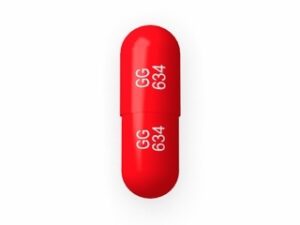
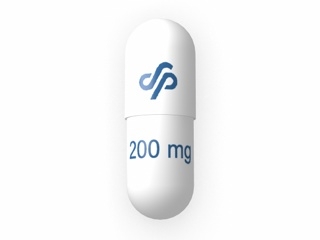
| Common forms | Oral capsules (strengths may vary by product availability) |
| How it is used | Usually in combination with other antiviral medicines (regimen dependent) |
| What it treats | Certain hepatitis C virus (HCV) infections and some other viral contexts as directed by a clinician |
| Who should avoid it | People who are pregnant, planning pregnancy, or with significant anaemia risks, or with certain medical histories (see Safety section) |
How Rebetol works (mechanism of action)
Ribavirin is an antiviral that interferes with how viruses replicate. While the exact mechanism is complex and involves several steps inside cells, ribavirin is thought to:
- Disrupt viral RNA replication by affecting nucleotide metabolism used for building viral genetic material.
- Increase errors during viral replication (a process often described as “lethal mutagenesis”).
- Support antiviral immune activity indirectly, which may enhance the overall effect when used alongside other antivirals.
Ribavirin’s effect is strongest when it is used as part of a combination regimen, rather than alone.
Pharmacokinetics (how the body handles it)
Understanding pharmacokinetics helps explain why dosing schedules matter and why side effects can take time to resolve after stopping.
Absorption
After oral administration, ribavirin is absorbed into the bloodstream. Food can influence how much is absorbed, so consistency is important (see Food interactions below).
Distribution
Ribavirin distributes widely into tissues and can accumulate. It is known for a long persistence in the body, which is one reason strong pregnancy prevention measures are required.
Metabolism and excretion
Ribavirin is not eliminated quickly. It is metabolised primarily in the liver and excreted via the kidneys. People with reduced kidney function may be at higher risk of side effects and may require dose adjustments as directed by a clinician.
Why it matters
- Effects may last for some time after stopping due to long elimination.
- Consistency is important to maintain stable levels and reduce the risk of under-treatment.
- Kidney function matters for safety and tolerability.
Typical use and timing
Rebetol is used as part of an antiviral regimen for people with appropriate viral infection types and stages. Which regimen is used depends on the virus type, prior treatment history, and individual factors.
When to take it
Many ribavirin regimens require twice-daily dosing, but the exact schedule should follow the regimen plan provided with your treatment. If you miss a dose, do not double up—follow the advice provided by your prescriber or pharmacist.
How to take it
- Take ribavirin with food unless your clinician or pharmacist advises otherwise.
- Try to take doses at regular times each day (e.g., breakfast/dinner) to maintain steady medication levels.
- Swallow capsules whole with water; do not crush or chew unless specifically instructed by your pharmacist.
Course duration
Treatment duration depends on the specific regimen and your situation. Some courses may be shorter or longer. Your healthcare team will outline the planned duration. It is important to complete the full course unless advised to stop.
Indications (what it is used for)
In Australia, ribavirin (Rebetol) has been used in combination regimens, most notably for treatment of certain types of chronic hepatitis C infections. Use depends on evolving treatment guidelines and the availability of other direct-acting antivirals.
Your clinician will determine whether ribavirin is appropriate based on:
- the virus genotype (where relevant)
- your previous treatment history
- liver disease severity and other medical factors
- interacting medications and safety risks
Food interactions
Food can affect ribavirin absorption. A practical and commonly recommended approach is to take the medicine with meals to improve tolerability and help maintain consistent absorption.
- Take with food (e.g., breakfast and dinner) unless advised otherwise.
- Be consistent day to day—avoid taking it on an empty stomach if your routine is to take it with food.
- If you have nausea or taste changes, ask your pharmacist about strategies to help you maintain your dosing routine.
Alcohol interactions
Alcohol and hepatitis C are a concerning combination because alcohol can worsen liver inflammation and scarring. For people undergoing antiviral treatment, avoiding alcohol is strongly recommended.
While ribavirin itself does not have a single “direct” toxic interaction with alcohol like some medicines do, alcohol can:
- increase liver stress (especially important for hepatitis C)
- worsen fatigue, dizziness, and general side effects
- increase the chance of missed doses or treatment interruptions
A good target is avoid alcohol during therapy and discuss any past heavy drinking with your healthcare team.
Medicine interactions (important)
Ribavirin can interact with other medicines and supplements. Tell your pharmacist or clinician about everything you take, including: prescription medicines, over-the-counter products, vitamins, herbal supplements, and occasional or “as needed” medicines.
Common interaction themes
- Kidney clearance: medicines that affect kidney function may increase ribavirin levels and side effects.
- Blood and anaemia risk: medicines that influence blood counts may compound ribavirin-related anaemia.
- Immune or antiviral combinations: some regimens can change how medicines are used together.
- Viral treatments: other antivirals may be used alongside ribavirin depending on the chosen regimen.
Examples of interaction categories to discuss
- Medicines that may cause anaemia or affect bone marrow.
- Medicines that may affect kidney function.
- Immunosuppressants or medicines affecting the immune system (depending on your circumstances).
- Herbal supplements (for example, those marketed for “liver support”)—quality and interaction data can be variable.
Because interaction lists can change and depend on the exact regimen used, the safest approach is to have your pharmacist check your current list for interactions before starting.
Dosing (general guidance)
Ribavirin dosing depends on the chosen regimen and individual factors such as body weight and kidney function. Typical regimens used in hepatitis C commonly calculate dose by weight, and may require adjustment for kidney impairment.
General principles
- Follow your regimen plan exactly (do not change dose or schedule without medical advice).
- Take consistently at the same times each day.
- Do not crush or alter capsules unless your pharmacist instructs you to.
- If you develop significant side effects, your clinician may adjust the dose rather than stopping abruptly.
Missed dose advice
If you miss a dose, take it as soon as you remember unless it is close to the time of the next dose. Do not take an extra dose to make up for the missed one. For personal advice, consult your pharmacist or the specific instructions provided with your medication.
Safety profile and side effects
Like all medicines, ribavirin can cause side effects. The most significant concerns involve: anaemia, potential birth defects if exposure occurs during pregnancy, and safety in people with reduced kidney function.
Serious risks (seek urgent medical help)
- Severe shortness of breath, chest pain, or fainting (possible severe anaemia or other complications).
- Allergic reaction symptoms such as swelling of face/lips, severe rash, or difficulty breathing.
- Severe depression, suicidal thoughts, or unusual mood changes (if you experience this, seek urgent help).
- Signs of infection such as fever or persistent chills, especially if your blood counts are low.
Common side effects
- Fatigue or tiredness
- Headache
- Nausea and stomach discomfort
- Difficulty sleeping
- Shortness of breath or palpitations (may relate to anaemia)
- Skin sensitivity or rash (varies by person and regimen)
- Changes in blood counts (especially reduced haemoglobin/anaemia)
- Flu-like symptoms (often related to combination regimens)
Monitoring during treatment
Many people will have regular blood tests during treatment. Monitoring commonly includes:
- Full blood count (to monitor anaemia)
- Liver function tests
- Kidney function
- Other tests as needed depending on your regimen and condition
Keeping appointments for blood tests is important because early detection of anaemia or other issues can allow timely dose adjustments.
Pregnancy, fertility, and contraception (very important)
Ribavirin is strongly associated with significant risk of birth defects if a person is exposed during pregnancy. Because ribavirin can remain in the body for a long time, prevention needs to be planned carefully.
Women
- Do not use ribavirin if pregnant.
- Effective contraception is required during treatment and for a period after treatment ends (your clinician will specify the timeframe).
- Pregnancy testing may be required before and during treatment.
Men
- Partner(s) pregnancy must be prevented during treatment.
- Use effective contraception during treatment and for a period after treatment ends (your clinician will specify the timeframe).
If you are planning a pregnancy or could become pregnant, discuss options with your healthcare team before starting treatment.
Practical use tips
The following tips can help you manage treatment day-to-day and reduce missed doses.
- Set reminders for twice-daily dosing and blood test appointments.
- Take with food to support consistent absorption and reduce stomach upset.
- Hydrate and manage nausea early (small, frequent meals can help).
- Protect your energy: plan rest periods and avoid overexertion if you feel fatigued.
- Report symptoms promptly, especially breathlessness, palpitations, severe weakness, or mood changes.
- Avoid alcohol to support liver health and reduce side effect burden.
- Keep a medication list and review it with your pharmacist for interactions.
Who should be extra cautious?
Your clinician may take additional precautions or consider alternative options if you have:
- Kidney impairment (ribavirin is cleared through the kidneys)
- Significant anaemia or risk factors for anaemia
- Severe heart disease (anaemia can strain the heart)
- Severe psychiatric conditions or history of severe depression
- Pregnancy or planning pregnancy (see Pregnancy section)
This is not exhaustive—always follow personalised advice from your healthcare team.
Alternative options
Treatment options for hepatitis C have evolved significantly in recent years. Depending on the virus type and patient factors, alternatives may include:
- Other direct-acting antiviral medicines (often without ribavirin, depending on regimen and patient profile)
- Different combination regimens where ribavirin is replaced or reduced
- Supportive care and monitoring for liver disease progression
Your clinician can discuss which alternatives are suitable for you, including whether ribavirin is still recommended in your specific scenario.
Market and legal context for Australia
In Australia, access to medicines such as ribavirin is regulated to help ensure safe and appropriate use. Availability may vary depending on:
- current listing status and supply channels
- prescribing requirements and treatment eligibility
- manufacturing and supply continuity
- changes in prescribing practices as guidelines evolve
If you are using an online pharmacy, ensure the service is legitimate and operates in line with Australian healthcare requirements. A reputable pharmacy will provide clear product information, safety messaging, and appropriate ways to verify supply.
Recent guidance and current treatment trends (general overview)
Hepatitis C treatment in Australia has increasingly moved toward regimens based on direct-acting antivirals, which can achieve high cure rates and often do not include ribavirin. Ribavirin may still be considered for certain cases depending on clinical factors, prior treatment, and local guideline recommendations.
Guidance can change, so it’s important to follow the most current advice from Australian health authorities and your treating clinician about whether ribavirin is appropriate for your circumstances.
Delivery and availability
Availability of specific branded products can vary. When ordering online in Australia, delivery timelines depend on:
- stock status and manufacturing/supply
- your location (metropolitan vs regional)
- standard shipping schedules and couriers
- any required verification steps
If stock is limited, some pharmacies may source alternative packs or closely related formulations where permitted. If a substitution is considered, it should be clearly communicated and aligned with medication safety requirements.
Rebetol FAQ
1) Is Rebetol taken on its own?
Ribavirin is generally used as part of a combination antiviral regimen. Which combination is used depends on your diagnosis and the treatment plan.
2) Why is taking it with food important?
Food can improve absorption and help reduce stomach upset for many people. Consistency helps maintain predictable medicine levels during treatment.
3) What are the most important side effects to watch for?
The biggest safety issue is anaemia. Contact a healthcare professional promptly if you experience unusual shortness of breath, palpitations, severe weakness, or dizziness. Also seek help for symptoms of allergic reaction or severe mood changes.
4) Can I drink alcohol while taking ribavirin?
It’s strongly recommended to avoid alcohol during treatment, especially for hepatitis C, because it can worsen liver health and increase side effects and fatigue.
5) What happens if I miss a dose?
Take it when you remember unless it is close to the next dose. Do not double up. If you’re unsure, speak with your pharmacist for guidance.
6) How long does it take to see benefits?
Viral response is monitored using blood tests and follow-up assessments. The time to response varies by regimen and patient factors. Even if you feel unwell at first, you should not stop early without guidance.
7) Can ribavirin affect mood?
Mood changes can occur during treatment, and people may experience irritability, depression, or anxiety. If you notice severe or persistent changes, contact a healthcare professional promptly, particularly if there are thoughts of self-harm.
8) Why can ribavirin be risky during pregnancy?
Ribavirin can cause severe birth defects if exposure occurs during pregnancy. Strict contraception and pregnancy avoidance are essential during treatment and for a defined period after treatment ends.
9) Do I need blood tests?
Many regimens include regular blood monitoring. This helps detect anaemia, liver or kidney changes, and ensures the treatment remains safe for you.
10) Are there alternatives if I can’t tolerate ribavirin?
Depending on your viral infection and treatment goals, alternatives may exist—especially for hepatitis C where several modern regimens are available. Discuss options with your clinician.
Important safety note
This information is designed to help you understand Rebetol (ribavirin) in a general way. It does not replace advice from your healthcare professional. If you have any concerns about side effects, interactions, or whether ribavirin is suitable for you, speak with your pharmacist or clinician.