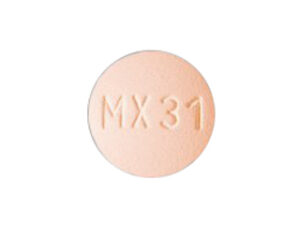



Amitriptyline (Amitriptyline Hydrochloride) — Patient Information (Australia)
Amitriptyline is a well-established medicine used for several conditions, most commonly to help manage chronic pain syndromes and certain types of mood and sleep-related difficulties. If you’ve been prescribed amitriptyline, this guide explains what it is, how it works, what to expect, and how to use it safely. It is written for people in Australia and includes practical tips and interaction guidance.
Important: This information does not replace advice from your healthcare professional. Follow the instructions on your medicine label and any written plan provided to you.
Basic product information
| Item | Details |
|---|---|
| Generic name | Amitriptyline (often as amitriptyline hydrochloride) |
| Medicine type | Tricyclic antidepressant (TCA) |
| Common strengths | Varies by brand and formulation (commonly 10 mg, 25 mg, 50 mg) |
| How it’s taken | Oral tablets or similar solid forms (brand-dependent) |
| Typical dosing schedule | Often once daily, usually in the evening (may be split by clinician) |
| Availability in Australia | Widely supplied through prescription channels; availability may vary by manufacturer and pharmacy stock |
How amitriptyline works (mechanism of action)
Amitriptyline affects chemical messengers in the brain and spinal cord, particularly serotonin and noradrenaline. By blocking certain transporters and receptors, it can increase the availability of these neurotransmitters in synapses.
In addition to its antidepressant effects, amitriptyline has pain-modulating actions. It can dampen abnormal pain signalling pathways, which is one reason it is used in conditions such as neuropathic pain (nerve-related pain) and migraine prevention.
It can also influence sleep and alertness. For many people, taking it in the evening helps because it may cause drowsiness.
Pharmacokinetics (how the body handles it)
Pharmacokinetics explains absorption, distribution, metabolism, and elimination—what the body does with the medicine.
- Absorption: Amitriptyline is absorbed from the gastrointestinal tract after oral dosing. Absorption can be affected by individual factors, but it is generally taken consistently each day.
- Distribution: It distributes widely throughout the body, including the central nervous system. It can accumulate with regular use.
- Metabolism: Amitriptyline is mainly metabolised in the liver, producing active metabolites such as nortriptyline. Metabolic activity can vary among individuals.
- Elimination: It is cleared via metabolism and subsequent elimination from the body. The effects may persist beyond the dose due to its long-acting nature and metabolite activity.
What this means for you: You may not feel the full benefit immediately. Some effects—like sleepiness—can occur early, while mood and pain benefits often build over days to weeks.
Typical uses in Australia
Amitriptyline is used for a range of conditions where reducing nerve-related pain, improving sleep, or stabilising mood symptoms may help.
Common indications
- Chronic pain, including neuropathic pain and certain long-term pain syndromes
- Migraine prevention (to reduce frequency and intensity)
- Depression and related mood symptoms (in some cases)
- Sleep difficulties associated with chronic pain or mood issues (because of sedative effects)
- Other clinician-directed uses based on individual assessment
When to take it (timing and daily routine)
Many people take amitriptyline in the evening, usually about 1–2 hours before sleep, because it can cause drowsiness and may help with sleep.
Practical timing tips
- Start low and go slow: Dosing is commonly titrated gradually to reduce side effects.
- Keep a consistent schedule: Taking it at the same time each day can help steady effects.
- Be cautious the first days: Don’t drive or operate machinery until you know how it affects you.
- If you miss a dose: Take it when you remember unless it’s close to your next dose. If close, skip—don’t double up.
Dosing: what to expect
Your dose depends on why you’re taking amitriptyline, your age, response, and tolerance of side effects. Doses for pain and migraine prevention are often lower than those used for depression.
General dosing principles
- Gradual titration: Clinicians often start with a low dose and increase slowly over time.
- Minimum effective dose: The goal is symptom control with the least side effects.
- Long-term use: Some people take it for months or longer, especially for chronic pain.
Because dosing varies: Always follow your personal instructions. Do not adjust your dose without talking to your healthcare professional.
Food interactions and what to know
Amitriptyline can generally be taken with or without food. However, food may influence comfort—especially if nausea occurs.
- Take with food if you get stomach upset: A meal or snack may improve tolerance.
- Stay consistent: Try to take it the same way each day.
- Avoid grapefruit products: While not always a direct classic interaction like some other antidepressants, grapefruit and certain fruit juices can affect liver metabolism enzymes in a way that may increase levels of some medicines.
Alcohol and medicine interactions
Alcohol
Combining amitriptyline with alcohol can increase drowsiness, dizziness, impaired coordination, and risk of side effects. It may also worsen mood symptoms and sleep quality.
Advice: Ideally avoid alcohol while you’re adjusting to amitriptyline. If you do drink, discuss safe limits with your healthcare professional.
Other medicines that may interact
Amitriptyline can interact with other medicines—especially those affecting serotonin, heart rhythm, sedation, or liver metabolism. Interaction risk increases when multiple medicines are started, stopped, or dose-changed.
Examples of medicine categories to discuss
- Other antidepressants (including some SSRIs/SNRIs, MAO inhibitors, and other TCAs)
- Serotonergic medicines (e.g., certain migraine treatments and some pain medicines)
- Medicines that affect heart rhythm or can prolong the QT interval (important because TCAs can influence cardiac conduction in overdose or susceptible people)
- Sedatives and sleep medicines (e.g., benzodiazepines, sedating antihistamines), which may increase sedation and falls risk
- Anticholinergic medicines (can worsen dry mouth, constipation, urinary retention, blurred vision)
- Medicines affecting liver enzymes (can raise or lower amitriptyline levels)
Always tell your pharmacist and doctor about:
- All prescription and non-prescription medicines
- Herbal products (including St John’s wort)
- Supplements
Safety profile: common and serious side effects
Like all medicines, amitriptyline can cause side effects. Many are dose-related and may improve as your body adjusts. Some effects require prompt medical attention.
Common side effects
- Drowsiness or fatigue (often prominent at the start)
- Dry mouth
- Constipation
- Dizziness or light-headedness
- Blurred vision
- Increased sweating or heat intolerance
- Weight gain in some people
- Reduced libido or sexual dysfunction (in some)
Less common but important effects
- Changes in heart rate or palpitations (especially in those with cardiac history)
- Confusion or worsening balance (more likely at higher doses or in older adults)
- Urinary retention (trouble passing urine), particularly in people with prostate issues
- Severe constipation or bowel obstruction symptoms (rare but serious)
Seek urgent help if
Contact emergency services or seek urgent medical care if you experience signs of a serious reaction, such as:
- Chest pain, fainting, or severe palpitations
- Severe dizziness, falls, or inability to stay awake
- Allergic symptoms (swelling of face/lips, difficulty breathing, widespread rash)
- Symptoms of serotonin syndrome (agitation, confusion, fever, sweating, tremor, diarrhoea) particularly when combined with other serotonergic medicines
- Severe overdose risk: If too much is taken, urgent treatment is needed immediately
Note on overdose: Amitriptyline can be dangerous in large amounts. Keep tablets out of reach of children and never take extra doses.
Practical use tips (making treatment safer and easier)
Start-up and adjustment period
- Plan for drowsiness: If the first doses make you sleepy, choose a time you can safely rest.
- Rise slowly: Move gradually from lying or sitting positions to reduce dizziness.
- Hydration and oral care: Dry mouth is common—sip water regularly and consider sugar-free lozenges.
- Constipation prevention: Include fibre, water, and regular movement. If constipation occurs, discuss suitable stool softeners or laxatives with your pharmacist.
Driving and machine use
Because amitriptyline can impair alertness, avoid driving or hazardous tasks until you know how it affects you. Caution is especially important after dose changes.
Stopping and tapering
Do not stop suddenly unless instructed by a healthcare professional. Gradual dose reduction can help reduce withdrawal-like symptoms such as nausea, headache, sleep disturbance, and irritability.
Alternative options
Depending on the reason you’re taking amitriptyline, alternatives may include other medicines and non-medicine approaches. Your clinician can help choose what best suits your symptoms and medical history.
Medication alternatives (examples)
- Other tricyclic antidepressants (e.g., nortriptyline in some situations)
- Antidepressants from other groups used for pain or mood symptoms (e.g., specific SSRIs/SNRIs) — suitability varies
- Neuropathic pain medicines (such as gabapentinoids) for certain nerve pain conditions
- For migraine prevention, other preventive strategies may be offered depending on your history
Non-medicine and supportive options
- Sleep hygiene strategies and structured routines
- Psychological therapies (e.g., CBT) especially for pain coping and mood
- Physiotherapy and graded activity for chronic pain
- Lifestyle adjustments: consistent sleep, hydration, gentle exercise, and stress management
Discuss alternatives if you experience intolerable side effects or if symptoms are not improving.
Market and legal context for Australia (what to expect)
In Australia, amitriptyline is regulated within the medicines framework and is generally dispensed through appropriate prescription channels. Pharmacy supply processes are designed to ensure safe use, including counselling about interactions and side effects.
Availability may vary by brand, strength, and supply schedules. In some cases, pharmacies can source specific brands or strengths, depending on stock levels.
Recent guidance and safety considerations
Safety recommendations for antidepressant medicines continue to evolve across healthcare settings. Key ongoing themes include:
- Individualised dosing: Start low and adjust slowly to reduce side effects and improve tolerability.
- Monitoring for interactions: Extra caution with medicines that affect serotonin, sedation, and heart rhythm, especially with multiple medicines.
- Cardiac risk awareness: People with heart disease or those at higher risk may require extra assessment.
- Older adults and fall risk: Increased attention to dizziness, confusion, and anticholinergic effects.
- Gradual discontinuation: Reducing dose gradually to improve comfort when stopping.
Your pharmacist can help verify your medicine list and flag major interaction concerns.
Delivery and availability (online pharmacy experience in Australia)
Many online pharmacies in Australia can arrange delivery of amitriptyline to eligible areas, subject to verification and supply requirements. Delivery timing depends on stock availability and location.
- Stock status: If your strength/brand is temporarily out of stock, the pharmacy may offer alternatives.
- Packaging: Medicines are typically supplied in sealed packaging with clear labelling.
- Tracking and updates: Many services provide dispatch confirmations and tracking.
- Privacy: Deliveries are normally discreetly handled.
If you have questions about delivery timeframes or substitute options, contact the pharmacy before placing your order.
FAQ about amitriptyline
1) How long until amitriptyline starts working?
Some people notice sleepiness or calmer feelings within the first days. Pain or migraine prevention benefits typically develop more gradually—often over 1–4 weeks, and sometimes longer depending on the dose and condition. If you feel no benefit, it’s important to discuss this rather than adjusting doses yourself.
2) Why do I feel sleepy when I take it?
Amitriptyline can have sedating effects, especially during the first days of treatment or after dose changes. Taking it in the evening can help. If sleepiness is excessive, tell your healthcare professional.
3) Can I take amitriptyline with food?
Yes, it can usually be taken with or without food. If you experience nausea or stomach discomfort, taking it with a meal may improve tolerance.
4) Is it safe to drink alcohol?
Alcohol can increase drowsiness and other side effects. It’s best to avoid alcohol while adjusting to amitriptyline. Ask your pharmacist for personalised advice based on your health and other medicines.
5) What should I do if I miss a dose?
Take it when you remember unless it’s close to your next dose. If it’s nearly time for the next dose, skip the missed one. Do not double up.
6) Can I stop amitriptyline suddenly?
Stopping abruptly is not usually recommended. A gradual taper helps reduce withdrawal-like symptoms. Talk to your healthcare professional before changing or stopping.
7) What side effects are most common?
Common side effects include drowsiness, dry mouth, constipation, dizziness, and blurred vision. Many improve as your body adjusts. If side effects are severe or worsening, seek medical advice.
8) Are there any serious risks?
Serious risks can include heart rhythm problems (especially in overdose or people with certain risk factors), severe allergic reactions, or serotonin syndrome when combined with other serotonergic medicines. Seek urgent help for severe symptoms such as fainting, chest pain, difficulty breathing, or high fever with agitation.
9) Does amitriptyline interact with other medicines?
Yes. Interactions may occur with antidepressants, sedatives, certain pain medicines, medicines affecting heart rhythm, and medicines that change liver metabolism. Provide a full list of medicines and supplements to your pharmacist.
10) Can amitriptyline be used in older adults?
It can be used in some situations, but older adults may be more sensitive to dizziness, confusion, and anticholinergic effects. Clinicians often start at a lower dose and monitor closely.
11) What about pregnancy or breastfeeding?
If you are pregnant, trying to conceive, or breastfeeding, discuss risks and benefits with your healthcare professional. Decisions should be individualised based on the condition being treated and your health history.
12) How should I store amitriptyline?
Store tablets in their original packaging at room temperature, away from heat and moisture. Keep out of reach of children.
Key takeaways
- Amitriptyline is a tricyclic antidepressant used for chronic pain, migraine prevention, and mood-related symptoms.
- It works by influencing neurotransmitters involved in pain signalling and mood.
- It’s often taken in the evening due to drowsiness.
- Side effects like dry mouth and constipation are common—plan practical strategies to manage them.
- Avoid alcohol and be careful with other sedating or interacting medicines.
- Benefits can take weeks; do not change dose without professional advice.
If you have questions about your individual regimen, interactions, or how to manage side effects, your pharmacist is a helpful resource.