

Trazodone (Trazodone Hydrochloride) – Patient Information (Australia)
Trazodone is a prescription medicine used to treat certain mental health conditions and, in some cases, sleep difficulties. This guide is written to help you understand how trazodone works, how it is typically taken, what to watch for, and how to use it safely alongside other medicines and alcohol.
If you have questions about your specific situation (for example, your dose, timing, or other medicines), speak with a pharmacist or doctor. Information below is general and may not replace personalised advice.
Quick overview
- Medicine: Trazodone hydrochloride
- Common uses: Depression (and sometimes off-label use for insomnia, depending on clinical circumstances)
- How it works: Modifies serotonin activity and can reduce reuptake of serotonin while also affecting certain receptors that influence sleep and anxiety
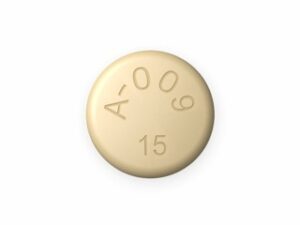
- Typical forms: Tablets (various strengths)
- Key safety points: Drowsiness, dizziness, low blood pressure, and potential for drug interactions
- Alcohol: Avoid or limit due to increased sedation and impairment
Basic product information
| Category | Details |
|---|---|
| Generic name | Trazodone hydrochloride |
| Medicine type | Antidepressant with sedating properties at lower doses (commonly) |
| How it is taken | Usually by mouth, once or more daily depending on your regimen |
| Onset of effects | Sleep and anxiety effects may be noticed earlier; mood improvement often takes weeks |
| Availability | Available in Australia via pharmacy channels as an approved medicine (brand and strength may vary) |
How trazodone works (mechanism of action)
Trazodone is best understood as a medicine that influences serotonin, a chemical messenger involved in mood, anxiety, and sleep regulation.
While the exact clinical effects vary by person, trazodone generally:
- Modifies serotonin signalling, including actions that affect serotonin reuptake.
- Blocks certain serotonin receptors, which can contribute to calming/sedating effects.
- May reduce anxiety and improve sleep in some people, particularly when used at bedtime.
These actions help explain why trazodone can be used for depression and why it may also be helpful for sleep-related symptoms under the guidance of a clinician.
Pharmacokinetics (how the body handles trazodone)
“Pharmacokinetics” describes how a medicine is absorbed, distributed, metabolised, and eliminated.
- Absorption: Trazodone is absorbed after oral administration. Individual absorption can vary.
- Distribution: It reaches the brain and other tissues where it affects serotonin-related pathways.
- Metabolism: Trazodone is mainly metabolised by the liver (primarily via CYP enzymes).
- Elimination: Metabolites are cleared mainly through the kidneys.
- Half-life: The duration of effect can vary between people and formulations; the medicine may remain active after you take it.
Because metabolism occurs in the liver, liver impairment and certain interacting medicines can affect trazodone levels, which may increase side effects or reduce effectiveness.
Typical uses and indications
In Australia, trazodone is commonly used for depression. Depending on clinical context, it may also be used to help with sleep disturbances (often as an adjunct).
Important note: The exact approved indication(s) and your personal treatment plan depend on local product information and clinical judgement.
What symptoms might it help with?
- Depression: low mood, loss of interest, changes in appetite, low energy
- Sleep problems: trouble falling asleep, disrupted sleep (in some cases)
- Anxiety-related distress: reduced restlessness or “wired” feelings at night (varies)
How to take trazodone (dosing and timing)
Always follow the dosing instructions provided by your healthcare professional. Doses are typically started low and adjusted gradually to balance effectiveness with side effects.
Typical dosing approach (general)
- Starting dose: Often low, especially if it causes drowsiness.
- Adjustment: Dose may be increased slowly depending on response and tolerability.
- Ongoing dosing: Can be taken once daily or split across the day depending on symptom pattern.
Timing tips
- Bedtime dosing: Many people take trazodone in the evening because it can be sedating.
- Morning dosing: If prescribed in the morning, be cautious about daytime drowsiness.
- Consistency: Try to take it at the same time each day for steadier effects.
When to expect benefit
- Sleep: Some people notice improvement in sleep within days.
- Mood: Depression improvement usually takes several weeks.
- Early changes: If you feel worse, feel unsafe, or develop unusual symptoms, contact a healthcare professional promptly.
Food interactions and meal guidance
Food can influence how fast trazodone is absorbed for some people.
- General advice: You can often take trazodone with or without food.
- If nausea occurs: Taking it with a light snack may help.
- Consistency matters: Choose a routine (with or without food) that works for you and keep it consistent.
If your product label or clinician provides specific instructions, follow those instead.
Alcohol and medicine interactions
Alcohol
Avoid or limit alcohol while taking trazodone. Alcohol can significantly increase:
- Drowsiness and sedation
- Dizziness
- Impaired coordination and reaction time
- Risk of falls (especially in older adults)
Other medicines that may interact
Trazodone can interact with several medication classes. Tell your pharmacist or doctor about all medicines you take, including over-the-counter products, vitamins, supplements, and herbal medicines.
- Other sedatives: medicines that cause drowsiness (e.g., some antihistamines, opioid pain medicines, benzodiazepines)
- Serotonergic medicines: medicines that affect serotonin (for example, some antidepressants). Combining may increase risk of serotonin-related side effects.
- CYP/metabolism interactions: medicines that alter liver enzymes may change trazodone blood levels.
- Blood pressure–lowering medicines: combined effects can sometimes increase dizziness or low blood pressure.
- Anticholinergic medicines: may increase side effects such as dry mouth, constipation, or blurred vision.
- Medicines that affect heart rhythm: in some cases, QT prolongation risk can be relevant with certain combinations.
Do not start or stop medicines suddenly
If you need to change any medicine (including sleep medicines), discuss it first. Sudden changes can affect sleep, mood, and side effect risk.
Safety profile and side effects
Common side effects
Side effects vary between people. Many are more noticeable when starting or increasing the dose and may settle with time.
- Drowsiness or feeling tired
- Dizziness, especially when standing up
- Dry mouth
- Nausea or stomach upset
- Headache
- Blurred vision
- Constipation or changes in bowel habits
Less common but important risks
- Low blood pressure (orthostatic hypotension): May cause light-headedness or fainting. Rise slowly from sitting/lying positions.
- Serotonin-related effects: When combined with other serotonergic medicines, rare reactions can occur. Seek urgent advice if you develop severe agitation, fever, sweating, tremor, confusion, or fast heart rate.
- Changes in mood or behaviour: Any sudden worsening, unusual thoughts, or increased agitation should be reported promptly.
- Sexual side effects: may occur with antidepressants.
- Heart rhythm effects: In some individuals or combinations, there may be an increased risk of rhythm changes.
Urgent symptoms—get help now
Contact emergency services or urgent medical care if you experience:
- Fainting, severe dizziness, or inability to stay awake
- Chest pain, severe shortness of breath, or collapse
- Severe allergic reactions (swelling of face/lips, trouble breathing, hives)
- Symptoms of a serious drug reaction (high fever, confusion, severe tremor, uncontrolled muscle movements)
- Thoughts of self-harm or feeling unsafe
Missed dose
- If you miss a dose, take it when you remember unless it is close to the next dose.
- Do not double up to make up the missed dose.
- If you are unsure, ask your pharmacist for advice.
Stopping trazodone
Do not stop suddenly unless a clinician advises you to. Stopping may lead to withdrawal-like symptoms or return of insomnia/depression. Your clinician may reduce the dose gradually.
Practical use tips (making trazodone easier and safer)
- Be cautious with driving: Until you know how trazodone affects you, avoid driving or operating machinery, especially when starting or adjusting dose.
- Stand up slowly: This helps reduce dizziness or falls.
- Keep a symptom diary: Note sleep quality, daytime energy, and mood changes to help your clinician fine-tune the dose.
- Use sleep hygiene alongside medication: Consistent sleep and wake times, limiting late caffeine, and reducing screen time before bed may improve results.
- Hydration and dry mouth: Sipping water, sugar-free sweets, or saliva substitutes can help.
- Avoid mixing sedating products: Be careful with “sleep” teas, antihistamines, or cold/flu products that may cause drowsiness.
Alternative options
If trazodone isn’t suitable or isn’t effective, clinicians may consider other options depending on your symptoms, medical history, and current medicines. Alternatives often fall into two broad areas: antidepressants and sleep-focused treatments.
For depression
- Other antidepressants: such as SSRIs or other classes, depending on individual factors.
- Adjunct therapies: psychotherapy (for example, CBT), lifestyle changes, and structured care plans.
For sleep difficulties
- CBT-I (Cognitive Behavioural Therapy for Insomnia): often recommended as a first-line approach.
- Sleep hygiene and behavioural strategies: stimulus control, sleep restriction, consistent routines.
- Other sleep medicines: may be considered in specific cases, balancing benefits with risks.
Your pharmacist can help you discuss options and review interactions based on your current medication list.
Australia: market, legal and regulatory context
In Australia, medicines like trazodone are regulated through the Australian Therapeutic Goods Administration (TGA). Availability and prescribing/dispensing processes depend on the medicine’s classification and the product’s approved information.
Online pharmacy services operate under Australian laws and quality standards, including requirements for safe supply and appropriate patient support. Always ensure you buy from a reputable, compliant pharmacy service.
Product availability may vary by brand and strength. If a specific brand or strength is unavailable, pharmacies may supply an alternative consistent with Australian regulations (for example, an equivalent generic), where appropriate and permitted.
Recent guidance and monitoring (what clinicians commonly check)
Clinical practice for depression and sleep disorders often includes monitoring for:
- Effectiveness (sleep pattern, mood, daytime functioning)
- Side effects (drowsiness, dizziness, blood pressure changes)
- Interactions with other medicines
- Safety considerations for certain groups (for example, older adults, people with heart rhythm concerns, or those with liver impairment)
- Suicidal thinking risk and mental health changes early in treatment
Local clinical guidelines and product information updates may influence best practice. Your healthcare professional will consider the most up-to-date recommendations available at the time of your care.
Delivery and availability
Trazodone availability in Australia depends on stock levels, brand/strength selection, and your healthcare plan. When ordered through a compliant online pharmacy, delivery options commonly include:
- Standard delivery: typically several business days (depending on location)
- Express delivery: may be available in some areas
- Tracking: many services provide order tracking and delivery updates
- Packaging: discreet, secure packaging is usually used to protect your privacy
Stock can change quickly. If your preferred strength isn’t available, the pharmacy may contact you regarding alternatives, subject to regulations and appropriate approval processes.
FAQ – Trazodone (Trazodone hydrochloride)
1) Is trazodone only for depression?
Trazodone is commonly used for depression. In some situations, clinicians may also use it to help with sleep problems, depending on your symptoms and overall treatment plan.
2) When will I feel the effects?
Sleep may improve earlier for some people (within days). Improvements in mood and overall depression symptoms usually take several weeks. Everyone is different, so it’s important to give the medicine time as advised.
3) Can I take it with food?
Often you can take trazodone with or without food. If you experience nausea, try taking it with a light snack. Keep your routine consistent and follow your product label instructions.
4) Will it make me drowsy the next day?
Trazodone can cause drowsiness, especially at the beginning or after dose increases. If you feel “hungover” or unusually sleepy, talk to your clinician about adjusting timing or dose. Avoid driving until you know how it affects you.
5) Is it safe to drink alcohol while using trazodone?
It’s best to avoid or minimise alcohol. Alcohol can increase sedation, dizziness, and impaired coordination, raising the risk of falls and accidents.
6) What medicines should I be careful with?
Tell your pharmacist or doctor if you take anything that can cause drowsiness or affect serotonin. Common examples include sedating antihistamines, benzodiazepines, opioid pain medicines, and other antidepressants. Also mention herbal supplements.
7) What should I do if I miss a dose?
Take it when you remember unless it’s close to your next dose. Don’t double up. If you’re unsure, ask your pharmacist.
8) Can I stop trazodone suddenly?
Stopping suddenly is not usually recommended. Your clinician may reduce your dose gradually to reduce the chance of withdrawal-like symptoms and to monitor your mental health.
9) Who should use extra caution?
Extra caution may be needed for people with liver impairment, older adults at higher fall risk, those with heart rhythm concerns, or anyone taking multiple medicines that can interact. Your clinician can help assess your risk.
10) How do I store trazodone?
Store tablets as directed on the packaging—typically at room temperature, away from moisture and heat, and keep them out of reach of children.
Disclaimer: This information is provided for general education. Product specifics (such as exact indications, dosing, and warnings) depend on the individual and the approved product information. If you have concerns about side effects, interactions, or suitability, consult a healthcare professional.