
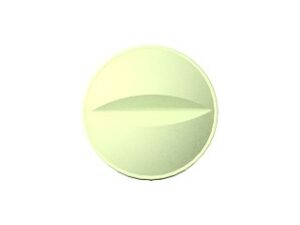

Remeron (Mirtazapine) — Patient Information (Australia)
Remeron is a brand of the antidepressant mirtazapine. It is used to treat certain mental health conditions, most commonly major depression, including depression that comes with poor sleep, loss of appetite and weight loss. Mirtazapine may be particularly helpful when symptoms include anxiety, insomnia, or nausea/poor appetite.
This guide explains how Remeron works, how it’s usually taken, what to expect, safety considerations, interactions (including with alcohol), and practical tips for everyday use in Australia.
Basic product information
- Generic name: Mirtazapine
- Brand name: Remeron
- Medicine type: Antidepressant
- Common strengths: Common oral tablet strengths include 7.5 mg, 15 mg, 30 mg, and 45 mg (availability may vary by pharmacy).
- How it’s taken: By mouth as a tablet
- Who it’s for: Adults for major depression (use in young people depends on local clinical guidance and prescriber assessment).
Note: Always follow the instructions provided with your medicine. If you are unsure about the dose you have been given, ask a pharmacist.
What Remeron does (mechanism of action)
Mirtazapine works differently from many other antidepressants. It affects several neurotransmitter systems in the brain, particularly:
- Noradrenaline (norepinephrine) and serotonin pathways via central receptor effects.
- 5-HT2 and 5-HT3 receptor antagonism (may contribute to antidepressant effects and reduce nausea).
- Alpha-2 adrenergic receptor antagonism (may increase release of noradrenaline and serotonin).
- Histamine H1 receptor antagonism (often linked to sedation and increased appetite/weight gain in some people).
The combined actions can improve mood, anxiety-related symptoms, sleep, and appetite—depending on the individual and dose.
Pharmacokinetics (how the body handles the medicine)
Pharmacokinetics describes how the body absorbs, distributes, metabolises, and eliminates mirtazapine.
- Absorption: Mirtazapine is absorbed after oral dosing. Peak blood levels generally occur a short time after taking a dose.
- Metabolism: The liver metabolises mirtazapine primarily through CYP enzymes, including CYP2D6 and CYP3A4, and also via other pathways.
- Elimination: Metabolites are cleared mainly via urine (through the kidneys) and to some extent via faeces.
- Half-life: The elimination half-life is approximately about 20–40 hours in many adults, supporting once-daily dosing for many people.
- Steady state: With regular daily dosing, steady blood levels are typically reached within about a week or two (varies between individuals).
Because mirtazapine has a relatively long half-life, missing an occasional dose may not cause immediate withdrawal-like effects, but consistent daily dosing helps keep symptom control steady.
What Remeron is used for (indications)
In Australia, mirtazapine is used for the treatment of:
- Major depressive disorder (depression), particularly when symptoms include sleep disturbance and reduced appetite/weight loss.
Clinicians may also consider it for other problems in selected patients, but the most established indication is depression.
How soon it works (typical timing)
Antidepressants usually take time to work. Typical patterns include:
- First 1–2 weeks: Some people notice improved sleep and appetite early, but mood may not improve yet.
- 2–4 weeks: More noticeable improvement in mood and anxiety-related symptoms may begin.
- 4–6+ weeks: Full benefit often takes several weeks; treatment decisions are based on response over time.
If there is no improvement after an appropriate trial period, your prescriber/pharmacist may review the dose or consider alternative options.
Typical dosing (general guidance)
Doses are individualised based on age, other medicines, kidney/liver function, side effects, and treatment response. The following is general information about typical use.
| Stage | Common approach | What to watch for |
|---|---|---|
| Starting | Often a lower starting dose is used, especially if sleep issues are prominent or if sedation is expected. | Sleepiness, dizziness, and appetite changes early on. |
| Adjusting | Dose may be increased gradually based on response and tolerability. | Balance between symptom improvement and side effects (e.g., weight gain, daytime sedation). |
| Ongoing maintenance | The effective dose is usually continued for long enough to consolidate recovery. | Return of symptoms if the medicine is stopped too soon. |
Important: Do not change the dose without medical advice. If you miss a dose, take it when you remember unless it’s close to the next dose—then skip the missed dose and continue your usual schedule.
When to take Remeron (timing)
Many people are advised to take mirtazapine once daily. The timing can depend on how sedating it is for you:
- Evening/at bedtime: Often chosen because mirtazapine can cause sleepiness. This can help with insomnia.
- After dinner: Some people prefer taking it after dinner if they feel drowsy.
- Morning dosing: Sometimes used if sedation is minimal at your dose, or if daytime sedation is problematic.
Practical tip: Try to take it at the same time each day to keep levels steady and make it easier to remember.
Food interactions
Food generally does not require major restrictions with mirtazapine. You may take it with or without food.
However, because mirtazapine can increase appetite in some people, it may be helpful to consider:
- Monitoring hunger and meal sizes
- Choosing nutritious snacks if appetite increases
- Maintaining regular meals to reduce cravings
Alcohol and medicine interactions
Alcohol
It’s best to avoid or minimise alcohol while taking Remeron.
- Alcohol can increase sedation and impair concentration and coordination.
- Alcohol may worsen depression symptoms and sleep quality.
Other medicines (common interaction concerns)
Mirtazapine can interact with other medicines. Tell your pharmacist about all medicines you take, including:
- Other antidepressants
- Sleep medicines or sedatives (including some antihistamines)
- Medicines for anxiety
- Some migraine medicines
- Antipsychotics
- Medicines that affect liver enzymes (especially those that influence CYP3A4 and CYP2D6)
- Medicines that affect bleeding risk (e.g., some anti-inflammatories or anticoagulants), depending on your overall plan
Examples of categories to discuss (not an exhaustive list):
- Serotonergic medicines: When combined with other drugs that affect serotonin, there may be a risk of serotonin-related side effects. A clinician/pharmacist can advise safety.
- Sedating antihistamines: May increase drowsiness when used alongside mirtazapine.
- Strong enzyme inducers or inhibitors: These can change mirtazapine levels and may require dose adjustment.
If you start any new medicine (including over-the-counter products), it’s a good idea to ask a pharmacist whether it could affect mirtazapine.
Safety profile and side effects
Like all medicines, Remeron can cause side effects. Many are mild to moderate and often improve as your body adjusts.
Common side effects
- Sleepiness or drowsiness (especially early in treatment)
- Increased appetite
- Weight gain (more likely with appetite increase)
- Dizziness or light-headedness
- Dry mouth
- Constipation
- Fatigue
Less common but important side effects
- Blood cell changes (rare). Report symptoms such as fever, sore throat, unusual infections, or persistent bruising.
- Severe skin reactions (rare). Seek urgent help if you develop rash with blistering, swelling of the face/lips, or trouble breathing.
- Changes in mood or agitation (especially early on or if dose changes occur).
- Orthostatic hypotension (dizziness when standing).
When to seek urgent medical help
Get urgent assistance if you experience:
- Signs of an allergic reaction: swelling of face/lips, rash, wheezing, or breathing difficulty
- Severe worsening of mood, suicidal thoughts, or unusual behaviour
- High fever with confusion, severe shaking, or major muscle stiffness (rare but serious symptoms that need immediate review)
Practical use tips (making treatment easier)
- Start low and go slow (as advised): If sedation is a concern, your pharmacist/prescriber may adjust timing or dose.
- Track your symptoms: Note sleep quality, appetite, energy and mood daily or weekly. This helps tailor treatment.
- Manage appetite changes: If appetite increases, focus on portion control and nutrient-dense foods rather than skipping meals.
- Safety with driving: Until you know how mirtazapine affects you, be cautious with driving, operating machinery, or activities requiring alertness.
- Sleep routine: Take the dose at bedtime if you feel sedated, and maintain regular sleep timing to maximise benefit.
- Do not stop suddenly: If you need to discontinue, a gradual taper is usually recommended to reduce the risk of withdrawal symptoms.
- Keep follow-up appointments: Regular reviews help assess response, side effects, and whether dose changes are needed.
Stopping Remeron and withdrawal considerations
Stopping mirtazapine abruptly may cause discomfort for some people. To reduce the risk of symptoms such as:
- Sleep disturbance
- Feeling “shaky,” anxious, or irritable
- Unusual sensations
- Return of depressive symptoms
Your healthcare professional may recommend a gradual reduction over time. Follow their taper schedule carefully.
Special populations (what may matter more)
- Older adults: Extra caution may be needed due to sensitivity to sedation, dizziness, and falls. Dose adjustments may be slower.
- Liver impairment: The dose may require adjustment, because mirtazapine is metabolised in the liver.
- Kidney impairment: Dose adjustments may also be necessary depending on severity.
- Diabetes/weight concerns: Increased appetite and weight changes may affect blood sugar control—monitor as advised.
- People with glaucoma or urinary retention risk: Anticholinergic effects are not the main feature of mirtazapine, but any medication can affect comfort and symptoms; discuss relevant conditions with your pharmacist.
Alternative options for depression (discuss with your healthcare team)
If Remeron isn’t suitable, is ineffective, or causes side effects, there are other options. Alternatives may include:
- Other antidepressants (e.g., SSRIs, SNRIs, or other classes)
- Non-medication treatments such as structured psychotherapy (for example, cognitive behavioural therapy)
- Combination approaches (medicine plus psychological therapy)
- Sleep-focused strategies (when insomnia is prominent)
Choice depends on your symptoms (sleep, appetite, anxiety), past medication response, medical history, and interaction risks. A pharmacist or clinician can help weigh benefits and risks.
Australia market and legal context (what to expect)
In Australia, mirtazapine is regulated under the Poison/Schedule framework and is supplied through community and hospital pharmacies according to Australian medicine rules. Supply is generally based on appropriate clinical assessment and pharmacy processes, consistent with local requirements.
Availability can vary by pharmacy and by whether you need a specific strength or pack size. If a particular brand or strength is temporarily unavailable, pharmacies may discuss alternative options or substitution where permitted by law.
Pharmacovigilance: In Australia, medicines are monitored for safety. If you notice side effects—especially unusual or severe ones—report them to your pharmacist or through relevant consumer safety reporting channels.
Recent guidance and best-practice considerations
Ongoing clinical guidance across Australia emphasises:
- Assessment of suicide risk and close monitoring early in antidepressant treatment, particularly when symptoms change or during dose adjustments.
- Gradual titration to balance effectiveness and tolerability.
- Review of response after an adequate time window and adjusting treatment plans if needed.
- Structured follow-up to support adherence and address side effects such as sedation or weight gain.
Your clinician may also suggest lifestyle and therapeutic supports alongside medication—particularly for depression.
Delivery and availability (online pharmacy)
Many Australian online pharmacies can deliver Remeron to eligible locations. Delivery timeframes depend on your address and the pharmacy’s dispatch schedule.
When ordering, you may be asked to confirm:
- The required strength and quantity
- Whether you have any relevant allergies or previous reactions
- That you can safely use the medicine with your current medicines and conditions
Stock availability: If your preferred strength is temporarily out of stock, the pharmacy may contact you or offer alternatives where appropriate.
Frequently Asked Questions (FAQ)
1) Is Remeron the same as mirtazapine?
Yes. Remeron is a brand name for the medicine mirtazapine. Different brands may contain the same active ingredient, but always check the strength and instructions on your product label.
2) Will Remeron make me sleepy?
Many people experience sleepiness, especially when starting or if the dose makes you more sensitive to sedation. Taking it in the evening or at bedtime is often helpful. If you feel drowsy the next day, speak with your pharmacist about timing or dose adjustment.
3) How long does it take to feel better?
Some people notice improved sleep and appetite within 1–2 weeks. Mood improvement typically takes longer—often several weeks. If you’re not improving after an adequate trial, your healthcare team may review the plan.
4) Can I take Remeron with food?
Yes. Remeron can usually be taken with or without food. Choose a routine that helps you remember and consider that increased appetite is possible.
5) Does Remeron interact with alcohol?
Alcohol can increase sedation and may worsen depression and sleep. It’s best to avoid or minimise alcohol and discuss your situation with a pharmacist if you drink regularly.
6) What should I do if I miss a dose?
Take it when you remember unless it’s close to your next dose. If it’s nearly time for the next dose, skip the missed one. Don’t take double doses. If you miss several days, contact your pharmacist for advice.
7) What are signs that I should seek urgent help?
Seek urgent medical assistance for allergic reactions (swelling, rash with breathing difficulty), severe or rapidly worsening mental health, or rare but serious symptoms such as high fever with confusion or severe agitation.
8) Will I gain weight?
Some people gain weight, often related to increased appetite. Not everyone experiences significant weight gain. Healthy eating strategies, portion awareness, and regular activity can help. Discuss concerns with your pharmacist or clinician—especially if you have diabetes or thyroid conditions.
9) Can I stop Remeron suddenly?
Stopping suddenly is not usually recommended. A gradual reduction is often used to minimise withdrawal symptoms and prevent relapse. Follow a taper schedule advised by your healthcare professional.
10) What alternatives exist if Remeron isn’t right for me?
Alternatives include other antidepressant options and non-drug therapies such as psychotherapy. The best choice depends on your symptoms and previous treatment response.
Helpful reminder
If you’re starting Remeron or changing your dose, give yourself time and monitor how you feel. If you experience troubling side effects, worsening mood, or any safety concerns, contact a healthcare professional promptly. For ongoing support, consider combining medication with appropriate psychological therapy and practical sleep and lifestyle strategies.