Lithium (Lithium salts) – Patient Guide (Australia)
Lithium is a well-established medicine used to help treat certain mental health conditions, particularly bipolar disorder. It works differently from many other mood medicines and requires careful dosing and monitoring to keep levels in a safe, effective range. This guide explains how lithium works, how it behaves in the body, typical uses and timing, important food and alcohol interactions, safety considerations, and practical tips for everyday use in Australia.
Basic product information
- Active ingredient: Lithium (commonly as lithium carbonate or lithium citrate, depending on the brand)
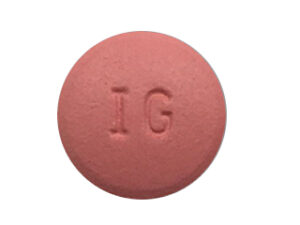
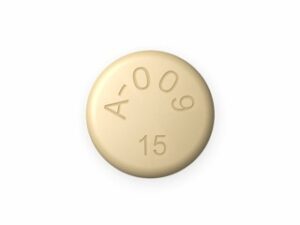
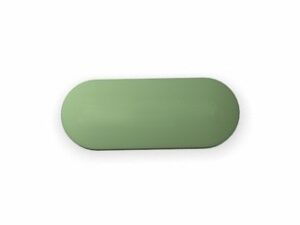
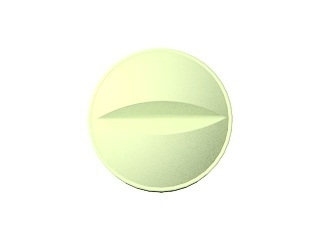
- Common form: Tablets or capsules (immediate-release or prolonged/controlled-release depending on the product)
- Medicine class: Mood stabiliser
- Brand examples: Various brands exist in Australia; your pharmacist can confirm your specific product
- Who it may suit: People with bipolar disorder and, in some cases, certain other mood conditions under specialist care
Because lithium can affect the kidneys and thyroid, and because blood levels must be monitored, it is important to use lithium consistently and follow monitoring advice.
How lithium works (mechanism of action)
Lithium’s exact mechanism is not fully understood, but it is believed to stabilise mood by influencing several brain processes. Key actions may include:
- Modulating neurotransmission: It affects signalling pathways involving neurotransmitters such as serotonin, dopamine, and glutamate.
- Second-messenger effects: Lithium influences intracellular signalling (for example, enzymes and “second messenger” systems) that help regulate nerve cell activity.
- Neuroprotective and cellular effects: It may alter cell stress responses and contribute to long-term stabilisation of mood circuits.
- Antimanic and maintenance effects: These effects help reduce the likelihood of new manic or depressive episodes in many people with bipolar disorder.
Lithium is often valued because it can reduce relapse risk over time and may also help reduce suicidal thinking in some individuals with bipolar disorder.
Pharmacokinetics (how the body handles lithium)
Lithium is unique because the medicine depends on stable body levels. Small changes in kidney function, hydration, salt intake, or interacting medicines can affect blood concentrations.
| Property | What to expect |
|---|---|
| Absorption | Absorbed from the gut; food may slow absorption for some formulations but does not usually remove the need for consistent timing. |
| Distribution | Distributes throughout body water; lithium does not strongly bind to proteins in the blood. |
| Onset | Some improvement may be seen in days to weeks, but full maintenance effects often take longer. |
| Half-life | Typically around ~18–24 hours for many people, but it can vary; kidney function is a major factor. |
| Elimination | Primarily eliminated by the kidneys. Dehydration or reduced kidney function can raise lithium levels. |
| Monitoring | Blood tests (“lithium levels”) are used to confirm an appropriate level for your situation and to ensure safety. |
If you miss doses, change your salt intake drastically, become dehydrated (for example, with vomiting/diarrhoea), or start certain interacting medicines, your lithium level may change. This is why monitoring is so important.
Typical uses and indications
The most common indication for lithium in clinical practice is bipolar disorder. Depending on your individual situation, lithium may be used to:
- Help prevent or reduce recurrence of manic and depressive episodes (maintenance treatment)
- Reduce severity and frequency of mood episodes
- Lower risk of suicide in some people with bipolar disorder (as supported by clinical evidence)
In Australia, lithium may be initiated or adjusted by clinicians with experience in mood disorders and medication monitoring. Your treatment plan should be individualised based on your symptoms, medical history, and lab results.
When and how to take lithium (timing and dosing)
Lithium dosing is not “one size fits all”. The goal is to achieve and maintain blood levels in a safe therapeutic range for you, balancing effectiveness and side effects. Your prescriber or clinic will provide an individual dosing schedule and monitoring plan.
Typical dosing approach
- Start low and adjust carefully: Doses are often titrated gradually.
- Different formulations matter: Immediate-release and controlled/prolonged-release products have different dosing schedules and timing for blood tests.
- Blood test timing: Lithium levels are usually taken at a specific time after your last dose (for example, a “trough” level). Always follow the instructions you are given.
How to take it
- Take it at the same times each day.
- Use a consistent daily routine. Consistency helps maintain steadier levels.
- Do not double up if you miss a dose. Follow the advice provided by your clinician or pharmacist.
- Keep the dosing schedule consistent with monitoring: If you change your timing, it can affect the result of lithium level tests.
With or without food?
Lithium may be taken with food if it upsets your stomach. Food can sometimes alter absorption speed, particularly for some formulations. The key is to be consistent—try to take it in the same way each day.
Food interactions and salt/hydration considerations
Food interactions with lithium are mainly related to salt (sodium) balance and hydration status, rather than specific foods.
- Consistent salt intake: Large changes in salt intake may change how much lithium your kidneys reabsorb. If your clinician recommends a specific salt intake, follow it closely.
- Hydration matters: Dehydration can increase lithium levels. Aim for regular fluid intake, especially during hot weather or when exercising.
- Be cautious during gastro illness: Vomiting or diarrhoea can lead to dehydration and can raise lithium levels rapidly. If you become unwell, contact your clinician promptly for advice.
There is no need to avoid all foods, but avoid sudden major changes to diet, hydration patterns, or salt intake unless your clinician advises otherwise.
Alcohol and medicine interactions
Alcohol
Alcohol can affect hydration and may worsen dizziness, sleepiness, or coordination problems. While moderate alcohol may not be an absolute prohibition for everyone, combining alcohol with lithium increases the risk of side effects and makes it harder to recognise symptoms of toxicity. It’s best to discuss your alcohol plan with your healthcare provider.
- Avoid binge drinking.
- Hydrate well if you choose to drink alcohol.
- Watch for symptoms such as nausea, worsening tremor, confusion, or unsteadiness (seek medical advice promptly if these occur).
Common interacting medicines
Some medicines can raise lithium levels or increase the risk of kidney-related complications. Inform your pharmacist or clinician about all medicines and supplements you take, including over-the-counter products.
- Non-steroidal anti-inflammatory drugs (NSAIDs) (e.g., ibuprofen, naproxen): may increase lithium levels.
- ACE inhibitors and ARBs (for blood pressure/heart conditions): can increase lithium levels in some people.
- Diuretics (“water tablets), especially thiazide-type diuretics: can increase lithium levels.
- Some antibiotics (varies by type): may affect risk depending on kidney function and other factors.
- Other mood medicines: some combinations may increase side-effect risk or require closer monitoring.
- Herbal and supplement products: some may affect fluid balance or kidney function—always check first.
If you need pain relief, your pharmacist can suggest options that are safer with lithium for your situation. Do not start or stop interacting medicines without medical advice.
Safety profile: important risks and warning signs
Lithium can be safe and effective when properly monitored. However, because it has a narrow safety range, toxicity can occur if levels become too high. Safety also depends on kidney function, thyroid health, and medication interactions.
Common side effects
- Tremor (fine shaking)
- Increased thirst and increased urination
- Stomach upset, nausea, or diarrhoea
- Weight changes
- Fatigue or feeling slower
- Headache
- Thyroid changes (for example, hypothyroidism) over time
Serious safety concerns (seek urgent medical advice)
Contact urgent medical care if you suspect lithium toxicity. Signs can include:
- Severe or worsening nausea/vomiting
- Confusion, severe drowsiness, or disorientation
- Significant unsteadiness, difficulty walking, or worsening coordination
- Slurred speech
- Severe tremor or muscle twitching
- Seizures (emergency)
Toxicity risk increases with dehydration, sudden changes in salt intake, kidney impairment, or interacting medicines. If you are unwell (especially with vomiting or diarrhoea), seek advice quickly.
Monitoring requirements
Typical monitoring includes:
- Lithium blood levels at intervals recommended by your clinician
- Kidney function tests (e.g., creatinine/eGFR)
- Thyroid function tests (e.g., TSH) periodically
- Electrolytes and other routine safety blood tests as indicated
If you miss monitoring tests, your clinician may adjust your dose or increase monitoring frequency for safety.
Practical use tips for everyday life
- Set reminders: Consistent timing helps maintain stable levels.
- Keep a medication list: Carry a list of your current medicines and doses for doctors and pharmacists.
- Stay hydrated: Aim for regular fluids; increase intake during hot weather or illness (unless restricted for another medical reason).
- Be cautious with sudden diet changes: Avoid dramatic changes in salt intake without clinician advice.
- Know your “sick day” plan: If you develop vomiting/diarrhoea, fever, or you cannot keep fluids down, contact your healthcare team for guidance on what to do with your medicine and whether testing is needed.
- Check before using NSAIDs: For pain or inflammation, ask your pharmacist what is safest with lithium.
- Limit dehydration risks: Activities with heavy sweating, prolonged fasting, or excessive caffeine may affect hydration—balance carefully.
Many people manage lithium safely with careful routines, regular blood tests, and early attention to symptoms. If you notice side effects or changes in how you feel, report them rather than waiting.
Alternative options (discuss with your clinician)
Treatment for bipolar disorder is individualised. Depending on your symptoms, past treatment responses, and health considerations, clinicians may consider other options such as:
- Other mood stabilisers (examples include valproate, lamotrigine, carbamazepine—your doctor will decide suitability)
- Some atypical antipsychotics for acute episodes and/or maintenance (depending on the situation)
- Psychotherapy and lifestyle supports alongside medication (sleep regularity, stress management, and relapse prevention planning)
The best alternative depends on your diagnosis, symptom pattern, age, kidney/thyroid health, and risk factors. If you’re considering changing treatment, do so with guidance—stopping mood stabilisers suddenly can lead to relapse.
Market and legal context in Australia (what to expect)
In Australia, medicines are supplied under the regulatory framework of the Therapeutic Goods Administration (TGA) and state/territory pharmacy regulations. Lithium is a regulated prescription medicine and must be supplied appropriately with patient safety checks and counselling.
Because lithium requires monitoring and has important interactions, Australian practice typically involves:
- Structured follow-up after starting or changing the dose
- Blood test plans for lithium levels and relevant safety tests
- Medication interaction reviews (including over-the-counter products)
Always rely on your healthcare team’s guidance and your medicine label for the most accurate information for your specific product.
Recent guidance and best-practice monitoring (general overview)
Clinical guidance continues to emphasise safety with lithium, including:
- Appropriate blood level monitoring after dose changes and periodically during maintenance
- Kidney and thyroid monitoring due to long-term safety considerations
- Early assessment during acute illness to reduce toxicity risk from dehydration
- Careful review of interacting medicines, particularly NSAIDs, diuretics, and medicines affecting kidney function
- Patient education about hydration, consistent salt intake, and recognising toxicity symptoms
Your clinician may tailor the frequency of monitoring based on your health, age, kidney function, and prior lithium level stability.
Delivery and availability (Australia)
Availability of lithium products can vary by brand and formulation (immediate-release vs prolonged/controlled-release). If a specific brand is not in stock, your pharmacist may source an equivalent product where clinically appropriate.
- Delivery times: Vary depending on stock availability and your location.
- Cold-chain: Lithium tablets generally do not require cold storage (follow your product label).
- Packaging: Supplies are typically provided in manufacturer packaging with clear labelling.
- Support: Pharmacists can assist with dosing instructions, formulation differences, and interaction checks.
To avoid delays, ensure your contact details are correct and keep an eye on delivery updates.
FAQ: Frequently asked questions about lithium
1) How long does it take for lithium to work?
Some people notice changes within days to weeks, but mood stabilisation—especially for long-term prevention—often takes longer. The timing also depends on the form (immediate vs controlled release), your dose, and your clinical situation.
2) Will I need blood tests?
Yes. Lithium requires ongoing monitoring. Your clinician will schedule blood tests for lithium levels and safety labs (commonly kidney and thyroid function) to keep levels safe and effective.
3) Can I take lithium with food?
Many people take lithium with food if it causes stomach upset. Food may affect absorption speed for some products, so aim to take it consistently in the same way each day.
4) What if I miss a dose?
If you miss a dose, do not double up. Follow the specific advice provided by your clinician/pharmacist or the instructions on your medicine documentation. Because lithium levels matter, it’s best to ask what to do in your situation.
5) Is lithium dangerous?
Lithium can be safe and effective when appropriately dosed and monitored. It becomes dangerous mainly when levels become too high (toxicity), often due to dehydration, kidney issues, or interacting medicines. Seek medical advice urgently if you suspect toxicity.
6) Can I drink alcohol while taking lithium?
Alcohol can increase side effects and may increase dehydration risk. If you choose to drink, do so cautiously and discuss what is appropriate for you with your healthcare provider.
7) What pain relief is safe with lithium?
Many pain relief options can interact with lithium, especially NSAIDs such as ibuprofen and naproxen. Ask your pharmacist which option is safest for you, considering your health and current medicines.
8) How does dehydration affect lithium?
Dehydration can increase lithium levels because the kidneys reabsorb more lithium when fluids are low. If you are unwell, vomiting, or have diarrhoea, contact your healthcare team promptly for advice.
9) Does lithium affect the thyroid?
Yes. Lithium can contribute to thyroid problems, so thyroid blood tests are commonly monitored during treatment.
10) Are there alternatives if I cannot tolerate lithium?
There are other medication options for bipolar disorder. The best alternative depends on your diagnosis, history, and specific risks. Discuss options with your clinician rather than stopping lithium on your own.
Important reminder
Lithium treatment requires careful dosing, regular monitoring, and attention to interactions. If you have any concerns—especially symptoms suggestive of high lithium levels or you become unwell—seek medical advice promptly.